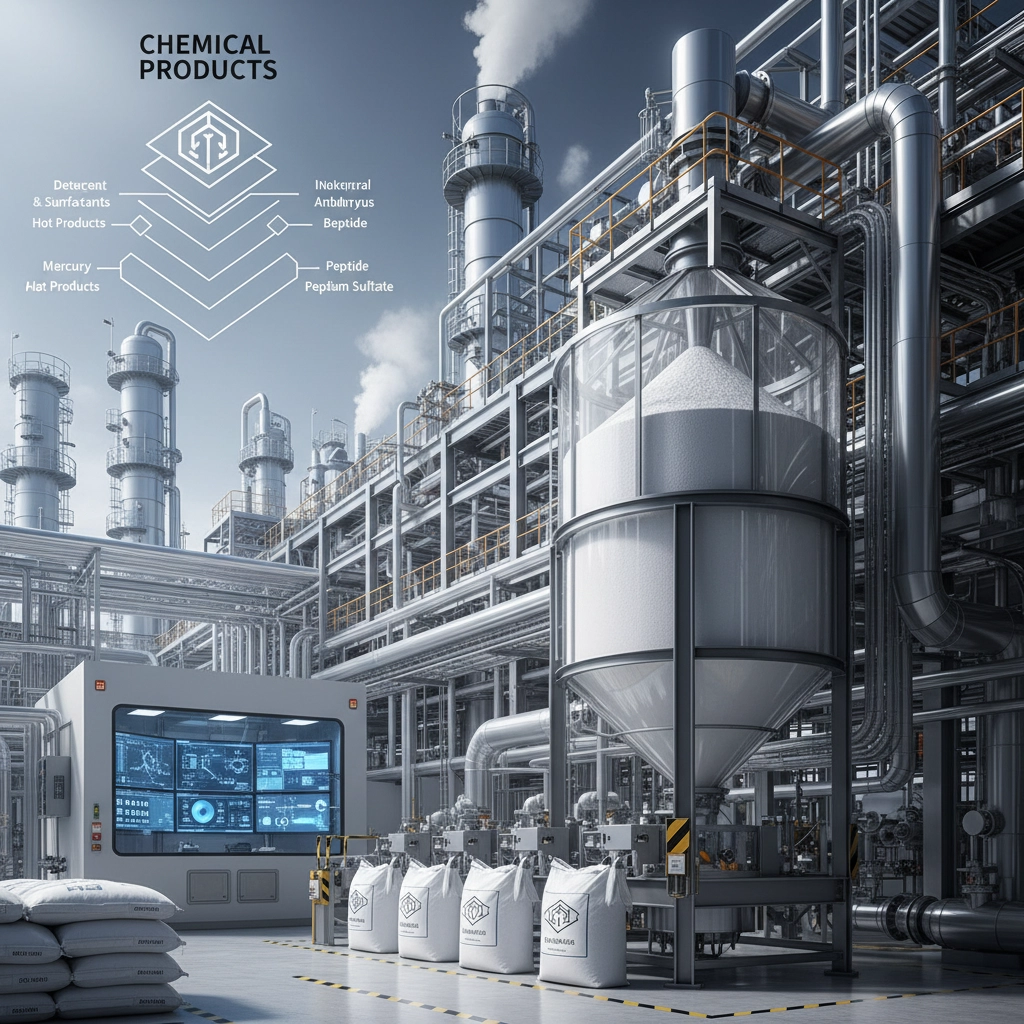
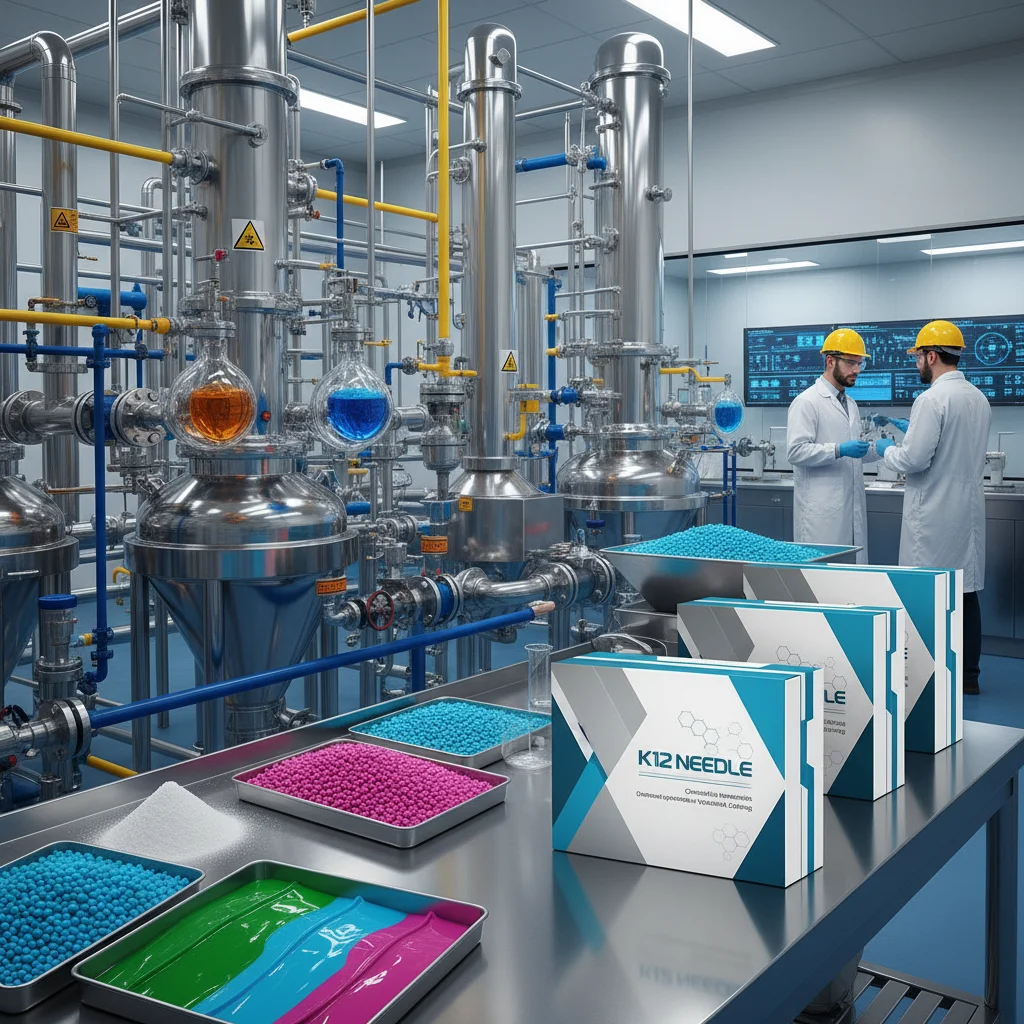
Industrial Grade Anhydrous Sodium Sulfate is a cornerstone of modern chemical manufacturing, serving as an essential filler and processing agent across a multitude of sectors. From the production of household detergents to the refining of glass and textiles, its ability to maintain stability and flowability makes it indispensable for achieving consistent product quality on a global scale.
The global demand for Industrial Grade Anhydrous Sodium Sulfate continues to rise as industrialization accelerates in emerging markets. Understanding the nuances of its purity, crystal structure, and chemical stability is not merely a technical requirement but a strategic advantage for manufacturers aiming to optimize their supply chains and reduce waste.
By exploring the diverse applications and technical properties of this compound, businesses can unlock higher efficiency in their production lines. Whether it is used to prevent caking in powdered soaps or to adjust the viscosity of specialized chemical mixtures, the versatility of anhydrous sodium sulfate ensures it remains a primary choice for industrial chemists worldwide.
Global Relevance and Industrial Context of Sodium Sulfate
In the landscape of global trade, Industrial Grade Anhydrous Sodium Sulfate acts as a vital catalyst for economic growth within the chemical manufacturing sector. According to ISO standards and international trade data, the demand for high-purity sulfates is closely tied to the growth of the FMCG (Fast-Moving Consumer Goods) sector, particularly in Asia-Pacific and Latin America, where the production of detergents and surfactants is booming.
The primary challenge facing the industry today is the balance between cost-effective sourcing and strict purity requirements. Impurities in sodium sulfate can lead to unwanted color changes in glass or instability in detergent powders, creating a pressing need for standardized, high-grade anhydrous materials that can withstand rigorous industrial processing without compromising the final product's integrity.
Defining Industrial Grade Anhydrous Sodium Sulfate
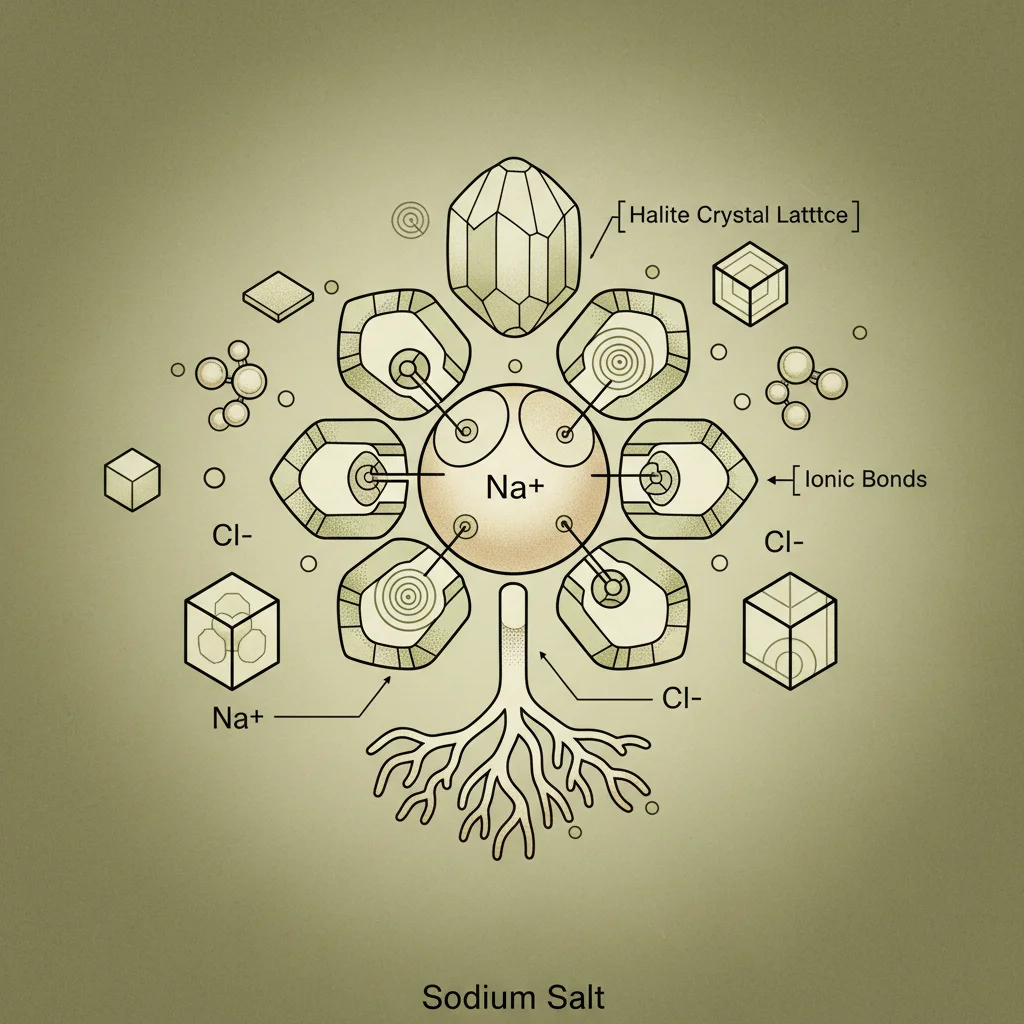
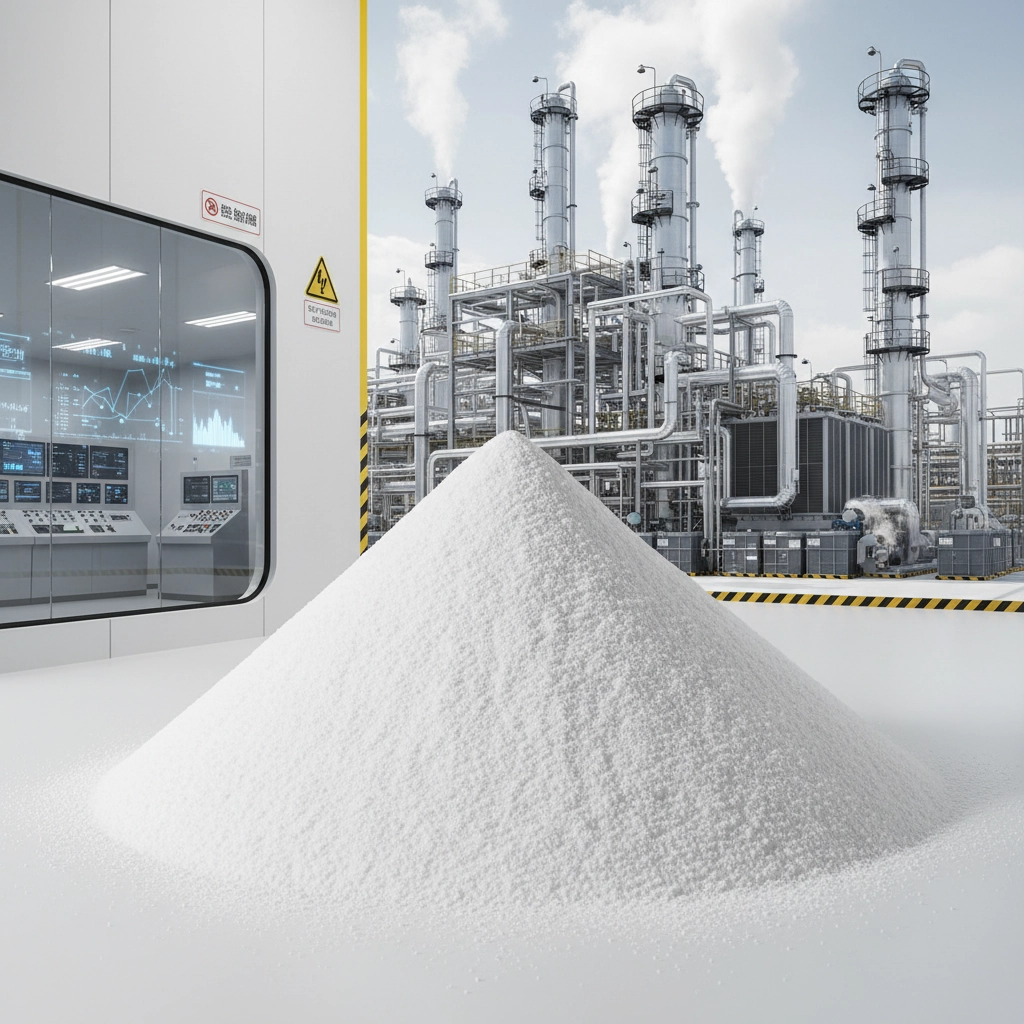
In simple terms, Industrial Grade Anhydrous Sodium Sulfate is a white, odorless crystalline powder that has been processed to remove all water molecules from its structure. Unlike the decahydrate form (Glauber's salt), the anhydrous version provides a concentrated, stable form of sodium sulfate that is easier to transport and more effective as a dry filler in chemical formulations.
Its connection to modern industry is profound; it serves as a "structural backbone" for many powdered products. By providing bulk without altering the chemical activity of the primary surfactants or active ingredients, it ensures that powdered detergents remain free-flowing and do not clump during storage or transport, which is critical for consumer satisfaction and logistics.
Beyond the detergent industry, this compound is essential for the production of high-quality glass and paper. In these contexts, it acts as a refining agent, helping to remove air bubbles and impurities, thereby ensuring the structural strength and clarity of the final materials. This makes it a silent but essential pillar of urban infrastructure and daily consumption.
Core Components and Technical Performance Factors
When evaluating Industrial Grade Anhydrous Sodium Sulfate, the most critical factor is its chemical purity. High purity ensures that there are no metallic contaminants that could interfere with the catalysis process in textile dyeing or cause discoloration in clear glass manufacturing, making purity the primary benchmark for quality control.
Another core component of its performance is its moisture resistance and low hygroscopicity. Because this is an anhydrous form, its ability to remain dry in humid environments is paramount; if the product absorbs water too quickly, it loses its effectiveness as a flow agent, potentially ruining entire batches of detergent powder.
Finally, particle size distribution plays a massive role in scalability. A uniform particle size allows manufacturers to blend the powder seamlessly with other ingredients, reducing the time required for mixing and ensuring that the final product has a consistent texture and dissolution rate when used by the end consumer.
Global Applications and Real-World Use Cases
The application of Industrial Grade Anhydrous Sodium Sulfate extends far beyond simple filling. In the textile industry across Southeast Asia, it is used as a leveling agent in the dyeing process, ensuring that dyes are distributed evenly across the fabric to avoid streaks and patches. This is critical for high-end apparel manufacturing where color consistency is a non-negotiable requirement.
In more specialized industrial zones, such as those focusing on the production of surfactants and synthetic detergents, the compound is utilized to create a stable granulated structure. For example, in the production of high-efficiency laundry powders, it provides the necessary volume to allow the active surfactants to be dispensed accurately by dosing machines without clogging.
Performance Comparison of Sodium Sulfate Grades
Tangible Advantages and Long-Term Value
The primary advantage of using Industrial Grade Anhydrous Sodium Sulfate is its exceptional cost-to-performance ratio. By replacing more expensive fillers with this stable compound, manufacturers can significantly lower their cost of goods sold (COGS) without sacrificing the physical properties of the final product.
Beyond economics, there is a strong logical angle regarding reliability and safety. Because it is chemically inert under standard conditions, it does not react volatilely with other surfactants or dyes, providing a "safety buffer" in chemical formulations. This reliability builds trust between the chemical supplier and the manufacturer, ensuring long-term operational stability.
Future Trends in Chemical Processing and Innovation
Looking forward, the production of Industrial Grade Anhydrous Sodium Sulfate is shifting toward more sustainable, green-chemistry practices. We are seeing a rise in the recovery of sodium sulfate from waste streams of other chemical processes, effectively turning a byproduct into a high-value industrial raw material, which aligns with global circular economy goals.
Digital transformation is also playing a role. Automation in the crystallization and drying phases is allowing for tighter control over particle size and purity. Smart manufacturing systems can now adjust temperature and pressure in real-time to ensure that the anhydrous state is achieved with minimum energy consumption.
Furthermore, there is an increasing trend toward "ultra-pure" grades of sodium sulfate. As the electronics and pharmaceutical industries grow, the demand for sulfates with near-zero metallic impurities is rising, pushing the boundaries of filtration and purification technologies.
Overcoming Common Industrial Challenges
One of the most frequent challenges is the tendency of lower-grade sodium sulfate to absorb atmospheric moisture, leading to "caking" in silos. Expert insights suggest that implementing vacuum-sealed packaging and climate-controlled storage environments can eliminate this issue, ensuring the material remains free-flowing from the factory to the production line.
Another limitation is the presence of insoluble matter in some industrial batches, which can cause clogging in precision spraying equipment. The solution lies in the adoption of advanced multi-stage filtration and centrifugal separation during the manufacturing process, which guarantees a level of purity that meets the strictest industrial standards.
Finally, logistics costs can be a barrier due to the weight of the material. To overcome this, many companies are moving toward regional distribution centers and optimizing bulk transport methods, reducing the carbon footprint and the overall cost of the supply chain for Industrial Grade Anhydrous Sodium Sulfate.
Comparative Analysis of Sodium Sulfate Quality and Application Suitability
|
Purity Grade
|
Key Technical Feature
|
Primary Application
|
Performance Score (1-10)
|
| Ultra-Pure Anhydrous |
Zero metallic residues |
Pharmaceutical/Lab |
10 |
| Premium Industrial |
High flowability |
High-end Detergents |
9 |
| Standard Industrial |
Balanced cost/purity |
Textile Dyeing |
8 |
| Technical Grade |
Bulk filling capacity |
Glass Manufacturing |
7 |
| Recovery Grade |
Sustainable origin |
General Industrial |
6 |
| Basic Grade |
Low cost |
Rough Filling |
5 |
FAQS
The anhydrous form contains no water of crystallization, meaning it is more concentrated and less prone to clumping. In detergent production, this ensures the powder remains free-flowing and allows for a more precise concentration of active ingredients, whereas the decahydrate form can introduce unwanted moisture into the mix, potentially causing the product to cake during storage.
When stored in a cool, dry environment using moisture-proof packaging, anhydrous sodium sulfate is extremely stable and can be stored indefinitely without chemical degradation. The primary concern is not degradation but moisture absorption (hygroscopicity), which can occur if the packaging is breached, leading to physical caking rather than a change in chemical purity.
Yes, it is generally considered environmentally safe. Furthermore, the industry is moving toward "circular" production where sodium sulfate is recovered from the byproduct streams of other chemical processes (like rayon or cell pulp production). This reduces the need for virgin mining and significantly lowers the overall environmental impact of the chemical supply chain.
The best way to ensure purity is to request a comprehensive Certificate of Analysis (CoA) and verify that the product complies with ISO or ASTM standards. Key markers to check include the percentage of purity (typically >99%), the level of insoluble matter, and the moisture content. Third-party laboratory testing is also recommended for large-scale industrial contracts.
While the "Industrial Grade" is designed for manufacturing, it is not suitable for direct pharmaceutical use. Pharmaceutical applications require "Pharma Grade" or "USP Grade" sodium sulfate, which undergoes much more rigorous purification to remove all traces of heavy metals and organic impurities. Always verify the grade before using it in health-related products.
For international shipping, the most cost-effective method is using jumbo bags (FIBC) within shipping containers, provided they are lined with moisture-barrier plastic. This prevents the powder from absorbing humidity during sea transit and protects the material from contamination, ensuring that it arrives at the destination in its optimal anhydrous state.
Conclusion
Industrial Grade Anhydrous Sodium Sulfate remains an indispensable asset in the global chemical toolkit, offering a unique combination of stability, cost-efficiency, and versatility. From its critical role as a filler in detergents to its application as a refining agent in glass and textiles, its ability to enhance product consistency and operational scalability is unmatched. By prioritizing purity and moisture control, manufacturers can leverage this compound to optimize their production lines and deliver high-quality products to the end consumer.
As the industry evolves toward greener chemistry and smarter automation, the role of sodium sulfate will only become more refined. We encourage industrial procurement officers and chemical engineers to source materials that meet the highest purity standards to future-proof their operations. For premium sourcing and technical specifications, visit our website: www.zjsles.com