Understanding Sodium Salt Applications Durability and Design Considerations

Understanding Sodium Salt Applications Durability and Design Considerations

0%

Table of Contents

Honestly, things have been hectic lately. Everyone’s talking about lightweighting, right? Seems like every engineer I meet is obsessed with shaving off grams. It’s good, don’t get me wrong, but sometimes I think they forget these things are going to be used on a construction site, not displayed in a showroom. We’ve got to balance the weight with durability, and believe me, I’ve seen too many 'lightweight' components snap under pressure. It’s a constant trade-off.

And the interfaces… Don’t even get me started on the interfaces. Everyone wants fancy connectors, but have you noticed how quickly they get clogged with dust and debris? I was at a factory in Ningbo last time, and the amount of scrap due to faulty connections was insane. It's not about what looks good on paper, it’s about what actually works when someone’s covered in concrete and trying to assemble something in the pouring rain.

We’ve been using a lot of modified polypropylenes lately. Feels a bit… plasticky, I’ll admit. It doesn’t have the heft of metal, and there’s a faint smell, almost like burnt plastic if you’re working with it in the heat. But it's impact resistant, surprisingly. And, crucially, it doesn’t corrode. Been experimenting with adding glass fiber reinforcement too. Makes it stiffer, but it also gets more brittle, you have to find the sweet spot. It's all about feeling the material in your hands, honestly. Knowing how it flexes, how it gives.
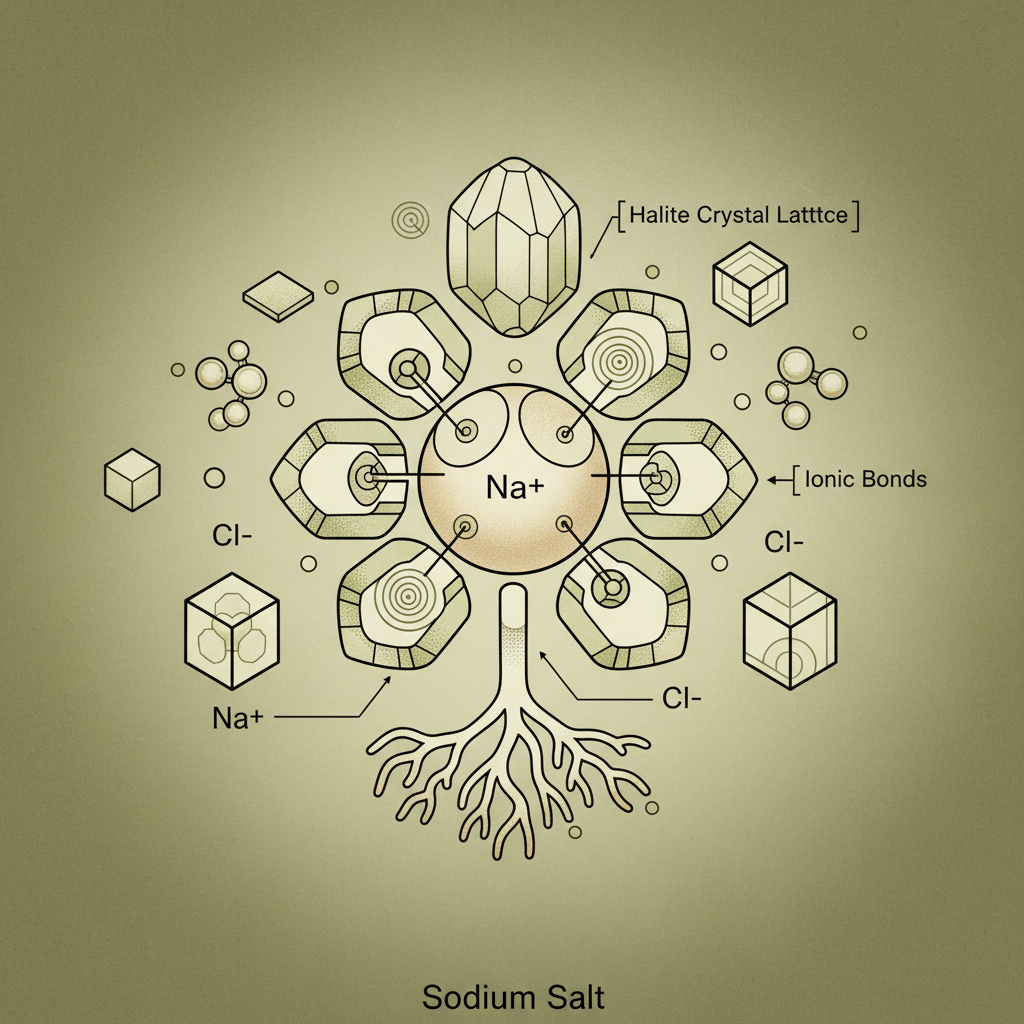
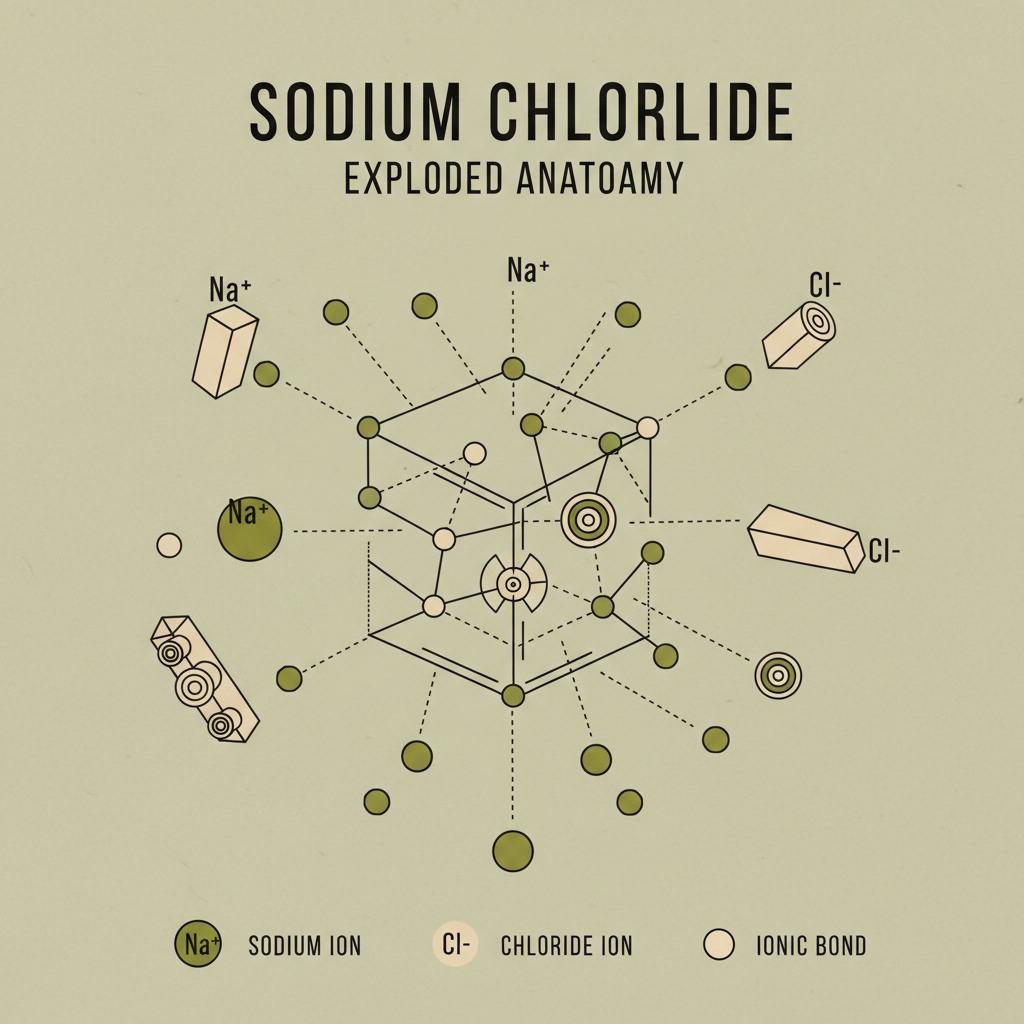
Sodium Salt

The Current Landscape of Sodium Salt

Sodium Salt

To be honest, Sodium Salt isn't exactly a flashy material. Everyone's chasing the next carbon fiber miracle, but Sodium Salt quietly gets the job done. It’s the workhorse, you know? It's seeing a bit of a resurgence though, driven by this push for sustainability. People are realizing that sometimes, simple is better.

There’s a lot of demand coming out of Asia right now, particularly for water treatment applications. Water scarcity is a serious issue, and Sodium Salt plays a crucial role in desalination and purification. Strangely, there's also a surprising amount of interest in its use for de-icing roads, even with all the environmental concerns. It's cheaper than a lot of alternatives, which matters when you’re talking about entire highway systems.

Common Design Pitfalls in Sodium Salt Applications

I’ve seen so many designs fall apart because they underestimate the corrosive nature of Sodium Salt, especially in humid environments. It's not going to immediately dissolve everything, but over time, it will wreak havoc on unprotected metals. People designing containment systems for it… they often forget about long-term exposure.

Another big one is particle size. Get the wrong granularity, and you get clumping, inconsistent flow rates, and just generally a mess. It's something that's easily overlooked in the design phase but becomes a massive headache on-site. It affects everything from mixing processes to the lifespan of the equipment.

And don't even think about using incompatible materials. Mixing Sodium Salt with certain plastics or alloys can lead to unexpected reactions and premature failure. It's basic chemistry, but you’d be surprised how often it’s ignored.

Material Composition and Practical Handling of Sodium Salt

We’re primarily dealing with Sodium Chloride, of course, but the purity levels vary massively depending on the application. For food-grade stuff, you need near-perfect purity. For industrial use, a little bit of impurity isn't usually a problem, and can actually be beneficial in some cases. It feels…grainy. Really grainy. You can smell the sea in it, even if it’s been processed a million times over.

Handling it isn’t glamorous. It’s dusty, it’s corrosive, and it loves to stick to everything. Proper ventilation is critical. And you have to wear gloves and eye protection. I once saw a guy get Sodium Salt in his eye… It wasn’t pretty. You've got to treat it with respect, even though it's just common table salt, essentially.


It absorbs moisture like crazy, so storage is key. Airtight containers, cool dry place, the usual. But people often underestimate how quickly it can become unusable if not stored correctly. It clumps up, the flow rate drops, and suddenly your whole process is thrown off.

Rigorous Testing Protocols for Sodium Salt

Lab tests are fine, but they don’t tell the whole story. We do those, of course – purity checks, particle size analysis, moisture content, all the standard stuff. But the real testing happens in the field. We need to see how it performs under actual conditions.

We set up pilot programs with our customers, usually small-scale trials. Monitor flow rates, observe corrosion rates on different materials, assess the impact of temperature and humidity. We’ve even submerged test samples in seawater for months at a time to see how they hold up. It’s messy, it’s time-consuming, but it’s the only way to get reliable data.

Sodium Salt Performance Metrics

Real-World Applications and User Behavior with Sodium Salt

We supply Sodium Salt to a wide range of industries – water treatment, food processing, chemical manufacturing, de-icing… you name it. But how they actually use it is often surprising. I remember one chemical plant was using it in a completely unconventional way to neutralize acid spills.

It turns out, a lot of users aren’t following the recommended guidelines. They’re adapting it to their specific needs, tweaking the dosage, modifying the application methods. It’s a bit chaotic, but it shows how versatile the stuff is.

Advantages and Limitations of Sodium Salt

The biggest advantage, hands down, is the cost. It's cheap. Really cheap. That makes it accessible to a wider range of users, especially in developing countries. It's also readily available, relatively easy to handle, and has a well-understood chemistry.

But it’s not a silver bullet. The corrosive nature is a major downside. And the environmental impact of using it for de-icing is a concern. Plus, it’s not suitable for all applications. For instance, trying to use it in high-temperature processes can lead to unwanted side reactions. Anyway, I think it’s important to be realistic about its limitations.

Ultimately, it’s a balancing act. You get a lot of benefit for a low price, but you have to be aware of the potential drawbacks and take appropriate precautions.

Customization Options and Case Studies for Sodium Salt

We offer different particle sizes, purity levels, and packaging options. But the most interesting customization we’ve done recently was for a small manufacturer of high-end bath salts. They wanted a specific crystal structure to enhance the aesthetic appeal. It was a bit of a headache to produce, requiring precise control of the crystallization process, but the result was stunning.

And last month, that small boss in Shenzhen who makes smart home devices insisted on changing the interface to Type-C, and the result was a complete disaster. He claimed it was for “future-proofing”, but it introduced a whole new set of compatibility issues. He ended up having to revert to the original design, wasting a ton of time and money.

The main thing is being flexible. Being able to adapt to the customer’s specific needs, even if they’re a bit… eccentric. That’s what separates the good suppliers from the rest.

Summary of Key Sodium Salt Customization Parameters

Parameter Description Typical Range Cost Impact
Purity Level Percentage of Sodium Chloride 97% - 99.99% Low to Moderate
Particle Size Average grain diameter 0.1mm - 5mm Moderate
Moisture Content Percentage of water present 0.5% - 2% Low
Additives Inclusion of anti-caking agents, colorants 0% - 5% Moderate to High
Packaging Bag type, size, material Various options available Low to Moderate
Crystal Structure Shape and arrangement of crystals Variable – custom tailored High

FAQS

What are the most common causes of Sodium Salt caking during storage?

Caking is usually down to moisture absorption. Sodium Salt is hygroscopic, meaning it readily pulls moisture from the air. It can also happen if the particle size distribution isn't consistent, leading to increased surface area contact. Proper storage in airtight containers and maintaining a low humidity environment are crucial preventative measures. Sometimes, adding a small amount of anti-caking agent helps, but it depends on the application.

How does temperature affect the solubility of Sodium Salt in water?

Solubility increases with temperature, generally speaking. The higher the temperature, the more Sodium Salt you can dissolve in a given volume of water. However, it's not a linear relationship. The increase in solubility slows down at higher temperatures. It’s important to consider this when designing processes involving Sodium Salt solutions, especially in industries like food processing and chemical manufacturing.

What are the best materials to use for pipes and storage tanks handling concentrated Sodium Salt solutions?

Avoid carbon steel – it corrodes quickly. Stainless steel (specifically 316L) is a good choice, but it’s expensive. High-density polyethylene (HDPE) is often used for storage tanks because it’s resistant to corrosion and relatively affordable. PVC isn't ideal for hot solutions, as it can become brittle. It really depends on the temperature, concentration, and pressure of the solution.

Is Sodium Salt an effective de-icer in extremely cold temperatures (below -15°C)?

It becomes less effective as the temperature drops. Below -15°C, the rate of ice melting slows down significantly. Other de-icing agents, like calcium chloride or magnesium chloride, perform better in extremely cold conditions. However, Sodium Salt is still often used in combination with these other agents to lower the overall cost and provide a broader temperature range of effectiveness.

What safety precautions should be taken when handling large quantities of Sodium Salt?

Dust inhalation is a major concern. Wear a dust mask or respirator, especially when handling powdered Sodium Salt. Eye protection is essential, as it can cause irritation. Skin contact should be avoided as well, as it can cause dryness and cracking. Ensure adequate ventilation in the work area and follow all local safety regulations regarding chemical handling.

Can Sodium Salt be recycled or repurposed after use?

Absolutely. In many applications, like water softening, the spent Sodium Salt solution can be reprocessed to recover the Sodium Chloride. It’s also used in some industrial processes as a raw material. However, the feasibility of recycling depends on the purity of the solution and the presence of any contaminants. It’s not always cost-effective, but it's becoming more common as sustainability concerns grow.

Conclusion

So, there you have it. Sodium Salt isn’t glamorous, but it’s essential. It’s a workhorse material that quietly keeps a lot of industries running. We’ve talked about the challenges, the advantages, and the importance of understanding its nuances. It’s not always about finding the newest, fanciest material. Sometimes, the best solution is the simplest one, used intelligently.

Ultimately, whether this thing works or not, the worker will know the moment he tightens the screw. And if he's cursing under his breath because the Sodium Salt is caking up, you know you've got a problem. You can design all the fancy systems you want, but if it doesn't work on the ground, it's just a waste of time. Visit our website at Sodium Salt to learn more.

David Miller

David Miller

David Miller is the Senior Market Analyst at Shandong Zhongjin Chemical, specializing in the detergent raw materials sector. With over 12 years of experience in the chemical industry, David focuses on identifying emerging market trends and analyzing competitor activities to inform strategic decision-making. He holds a Bachelor's degree in Chemical Engineering and an MBA from a leading US business school. David is a key contributor to the company's market reports and regularly presents findings to internal stakeholders. He's particularly passionate about sustainable chemistry and often researches innovative, eco-friendly solutions within the detergent industry. He frequently participates in industry conferences, building relationships with key players and staying ahead of the curve. David is instrumental in ensuring Zhongjin Chemical's detergent raw materials offerings remain competitive and aligned with evolving consumer demands.
Previous Navigating Miniaturization and Material Challenges with Laureth Sulfate Insights
Next Understanding 96 LABSA Applications in Modern Construction and Concrete Mixes

If you are interested in our products, you can choose to leave your information here, and we will be in touch with you shortly.

  • captcha