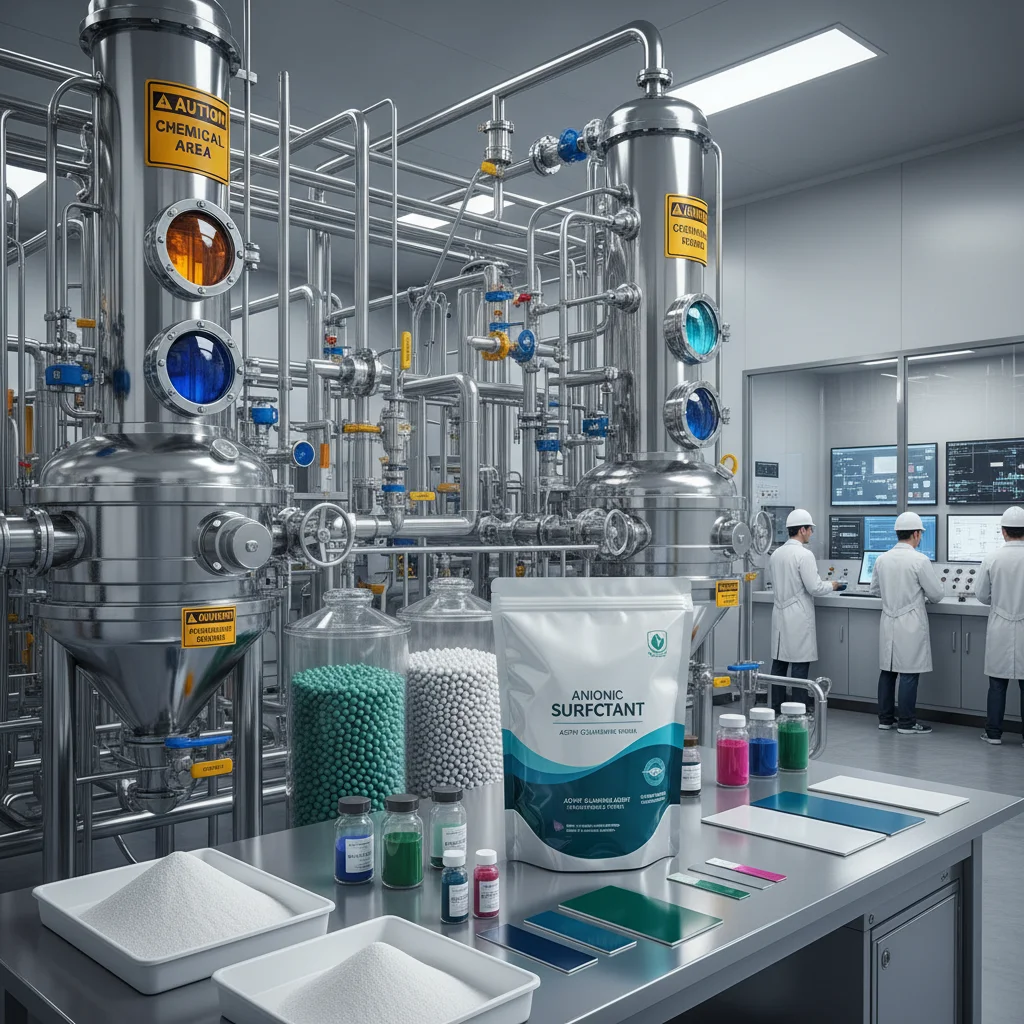
Synthetic Zeolite 4A is a high-performance crystalline aluminosilicate that has revolutionized the way industries handle moisture and ion exchange. Known for its precise pore size and exceptional adsorption capabilities, this synthetic material serves as a critical component in everything from high-end detergents to sophisticated industrial dehydration systems, ensuring purity and efficiency across various chemical processes.
On a global scale, the demand for Synthetic Zeolite 4A is driven by the pursuit of sustainable manufacturing and the need for more effective water softening agents. By replacing traditional phosphates in detergents, it has played a pivotal role in reducing eutrophication in water bodies, showcasing how a specific chemical innovation can align industrial productivity with environmental stewardship.
Understanding the nuances of Synthetic Zeolite 4A—from its molecular sieve properties to its thermal stability—allows engineers and product formulators to optimize performance in challenging environments. Whether used in the petrochemical sector or the consumer goods market, its ability to selectively trap molecules makes it an indispensable tool in modern chemical engineering.
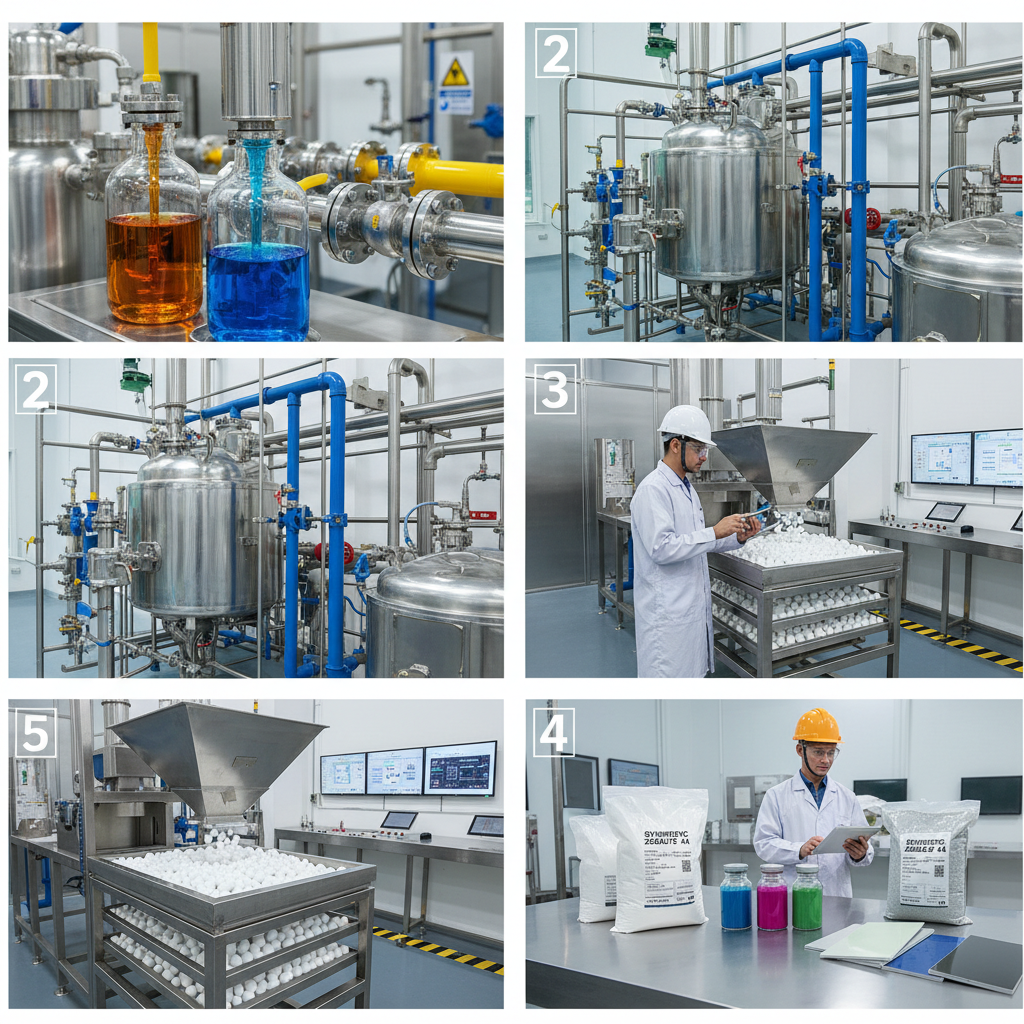
Global Relevance of Synthetic Zeolite 4A
The global chemical landscape has seen a surge in the adoption of Synthetic Zeolite 4A due to its versatility in water treatment and gas separation. According to industry benchmarks and ISO standards for aluminosilicates, the transition toward synthetic alternatives over natural zeolites has provided manufacturers with unparalleled consistency in pore diameter and ion-exchange capacity, which is vital for precision-dependent industries.
One of the primary challenges addressed by this material is the removal of calcium and magnesium ions from hard water, a problem that plagues both domestic appliances and industrial boilers. By providing a reliable and scalable solution for ion exchange, Synthetic Zeolite 4A reduces scale buildup, extending the lifespan of infrastructure and reducing the energy required for heating water globally.
Defining Synthetic Zeolite 4A and Its Purpose
In simple terms, Synthetic Zeolite 4A is a man-made crystalline structure that acts like a "molecular sieve." The "4A" designation refers to its pore opening size of approximately 4 Angstroms, which allows it to selectively adsorb small molecules like water while excluding larger organic molecules. This precision makes it an ideal filter at the molecular level.
Beyond simple filtration, its purpose is deeply rooted in modern humanitarian and industrial needs, particularly in the realm of clean water and chemical purity. In regions where water hardness leads to inefficient sanitation or damaged plumbing, the deployment of zeolite-based softeners provides a low-cost, effective method to improve water quality and hygiene.
Furthermore, in the context of the petrochemical and pharmaceutical industries, the purity of solvents is non-negotiable. Synthetic Zeolite 4A ensures that moisture—which can catalyze unwanted side reactions or degrade sensitive compounds—is stripped away, ensuring the safety and efficacy of the final commercial products.
Core Components and Technical Factors
The effectiveness of Synthetic Zeolite 4A is primarily determined by its Crystalline Structure. The framework consists of SiO4 and AlO4 tetrahedra linked by shared oxygen atoms, creating a three-dimensional network of channels. This structure is what gives the material its high internal surface area, allowing for maximum interaction between the adsorbent and the target molecules.
Another critical factor is Ion Exchange Capacity. Because the aluminum atoms in the framework create a negative charge, they are balanced by cations (typically sodium in 4A). When Synthetic Zeolite 4A encounters calcium or magnesium ions, it swaps its sodium ions for these divalent cations, effectively "softening" the liquid and preventing the precipitation of minerals.
Lastly, Thermal Stability and Regenerability ensure the material's economic viability. Synthetic Zeolite 4A can be heated to high temperatures to drive off adsorbed water without collapsing its structure. This means a single batch of material can be used thousands of times, drastically reducing the operational cost and waste compared to single-use chemical desiccants.
Industrial Performance Metrics of Zeolite 4A
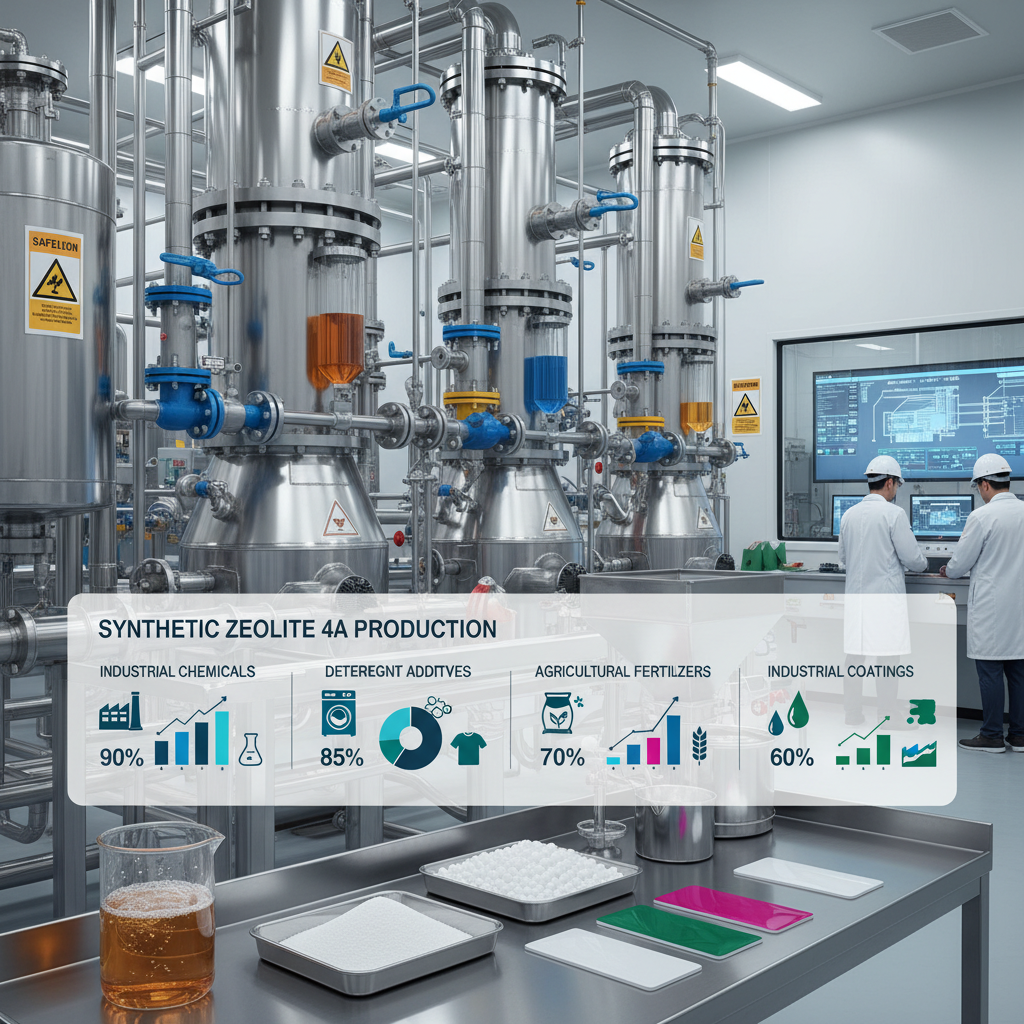
To understand the commercial value of Synthetic Zeolite 4A, one must look at the performance metrics across different production methods. The balance between adsorption speed and saturation capacity determines whether a specific grade of zeolite is suitable for rapid-flow industrial pipes or slow-release detergent powders.
Different synthesis routes, such as hydrothermal crystallization or template-assisted methods, yield varying results in terms of particle strength and purity. The following data illustrates how different grades of Synthetic Zeolite 4A perform across key industrial KPIs.
Comparative Performance of Synthetic Zeolite 4A Grades
Global Applications and Real-World Use Cases
In the consumer sector, Synthetic Zeolite 4A is a staple in the formulation of powder detergents. By acting as a "builder," it sequesters calcium and magnesium ions that would otherwise interfere with surfactants, allowing detergents to work effectively even in hard water. This application is prevalent across Asia and Europe, where water hardness varies significantly.
In more specialized industrial zones, such as natural gas processing plants in North America or oil refineries in the Middle East, Synthetic Zeolite 4A is used in massive dehydration towers. These towers remove water vapor from natural gas streams to prevent hydrate formation and corrosion in pipelines, ensuring the safe and efficient transport of energy over thousands of miles.
Long-Term Value and Sustainability Benefits
The long-term value of investing in Synthetic Zeolite 4A extends far beyond simple chemical efficiency. From a sustainability perspective, the shift away from sodium tripolyphosphate (STPP) to zeolites has drastically reduced the nutrient loading in lakes and rivers, preventing algal blooms and protecting aquatic biodiversity. This transition represents a victory for "green chemistry."
Economically, the reliability of synthetic zeolites provides a sense of trust and safety for industrial operators. Knowing that the material will not degrade unexpectedly and can be regenerated in-situ minimizes downtime and reduces the need for frequent replacements. This reliability translates to lower insurance premiums and more predictable operational expenditures.
Furthermore, the social impact is evident in the ability to provide low-cost water softening solutions to developing regions. By utilizing Synthetic Zeolite 4A, communities can improve the longevity of their water infrastructure, promoting dignity through better sanitation and more efficient use of limited resources.
Future Innovations in Zeolite Technology
The future of Synthetic Zeolite 4A lies in the intersection of nanotechnology and automation. Researchers are currently exploring "hierarchical zeolites," which combine the micropores of 4A with larger mesopores. This would allow the material to capture larger organic pollutants while maintaining its superior water-adsorption capabilities, expanding its use in advanced wastewater treatment.
Digital transformation is also impacting the production and use of these materials. Smart sensors embedded in dehydration beds can now monitor the saturation levels of Synthetic Zeolite 4A in real-time, triggering regeneration cycles only when necessary. This automation reduces energy consumption and optimizes the lifecycle of the adsorbent.
As the world moves toward a circular economy, the development of bio-based templates for synthesizing zeolites is becoming a priority. By replacing synthetic polymers with organic precursors, the carbon footprint of producing Synthetic Zeolite 4A can be further reduced, making it a cornerstone of sustainable chemical manufacturing.
Strategic Analysis of Synthetic Zeolite 4A Innovation Paths
|
Innovation Dimension
|
Technical Focus
|
Expected Impact
|
Implementation Readiness
|
| Hierarchical Structuring |
Meso-micropore integration |
Higher diffusion rates |
Moderate (R&D Stage) |
| Green Synthesis |
Bio-template usage |
Lower CO2 footprint |
High (Pilot Stage) |
| Smart Monitoring |
IoT saturation sensors |
Energy optimization |
Very High (Commercial) |
| Customized Pore Size |
Atomic layer deposition |
Ultra-selective capture |
Low (Experimental) |
| Hybrid Composites |
Polymer-Zeolite matrices |
Improved mechanical strength |
High (Commercial) |
| Low-Temp Regeneration |
Vacuum-assisted desorption |
Reduced operational cost |
Moderate (Industrial) |
FAQS
The primary difference is the pore size. Zeolite 3A has a smaller aperture (approx 3 Å), making it better for extreme dehydration. Zeolite 4A (approx 4 Å) is the "all-rounder," ideal for water removal and ion exchange in detergents. Zeolite 5A (approx 5 Å) has larger pores, allowing it to capture larger molecules like linear hydrocarbons. Choosing Synthetic Zeolite 4A is usually the best choice for water softening and general desiccation.
Yes, one of the greatest advantages of Synthetic Zeolite 4A is its regenerability. For moisture removal, it is regenerated by heating the material (typically between 200°C to 300°C) to drive off the trapped water. For ion exchange applications, it is regenerated by flushing the system with a concentrated brine (NaCl) solution, which replaces the trapped calcium and magnesium ions with sodium ions once again.
Absolutely. Synthetic Zeolite 4A is non-toxic, chemically inert, and environmentally friendly. Unlike the phosphates it replaced, zeolites do not contribute to the eutrophication of water bodies. It is widely approved by global health and environmental agencies for use in household cleaning products, ensuring that efficiency does not come at the cost of ecological health.
By removing hardness ions (Ca2+ and Mg2+) from feed water, Synthetic Zeolite 4A prevents the formation of limescale on heat-exchange surfaces. Scale acts as an insulator, forcing boilers to consume more fuel to maintain temperature and creating hot spots that can lead to metal fatigue or rupture. Using zeolite-based softening significantly extends the equipment's operational life and reduces maintenance costs.
The capacity of Synthetic Zeolite 4A is influenced by the particle size, the purity of the crystalline phase, and the operating temperature. Smaller particles (powders) offer faster kinetics but can cause pressure drops in industrial columns, whereas pellets provide better flow. Additionally, lower temperatures generally favor the adsorption of water vapor, while higher temperatures are required for the desorption/regeneration phase.
When importing Synthetic Zeolite 4A, it is crucial to verify the Certificate of Analysis (CoA), specifically focusing on the cation exchange capacity and bulk density. We recommend partnering with suppliers who adhere to ISO quality management standards and provide detailed technical data sheets. Visit www.zjsles.com to explore our professional grading and international shipping options to ensure you receive material tailored to your specific industrial needs.
Conclusion
In summary, Synthetic Zeolite 4A stands as a cornerstone of modern chemical engineering, bridging the gap between industrial efficiency and environmental responsibility. Its unique molecular structure allows for precise ion exchange and dehydration, making it essential for the detergent, petrochemical, and water treatment sectors. By analyzing its technical components—from pore size to thermal stability—it becomes clear why this material is preferred over natural alternatives for high-precision applications.
Looking forward, the integration of nanotechnology and smart monitoring will only enhance the value proposition of Synthetic Zeolite 4A, driving further reductions in energy consumption and carbon emissions. For companies seeking to optimize their production lines or develop sustainable consumer products, adopting high-grade synthetic zeolites is a strategic imperative. To learn more about how our products can enhance your operations, visit our website: www.zjsles.com.