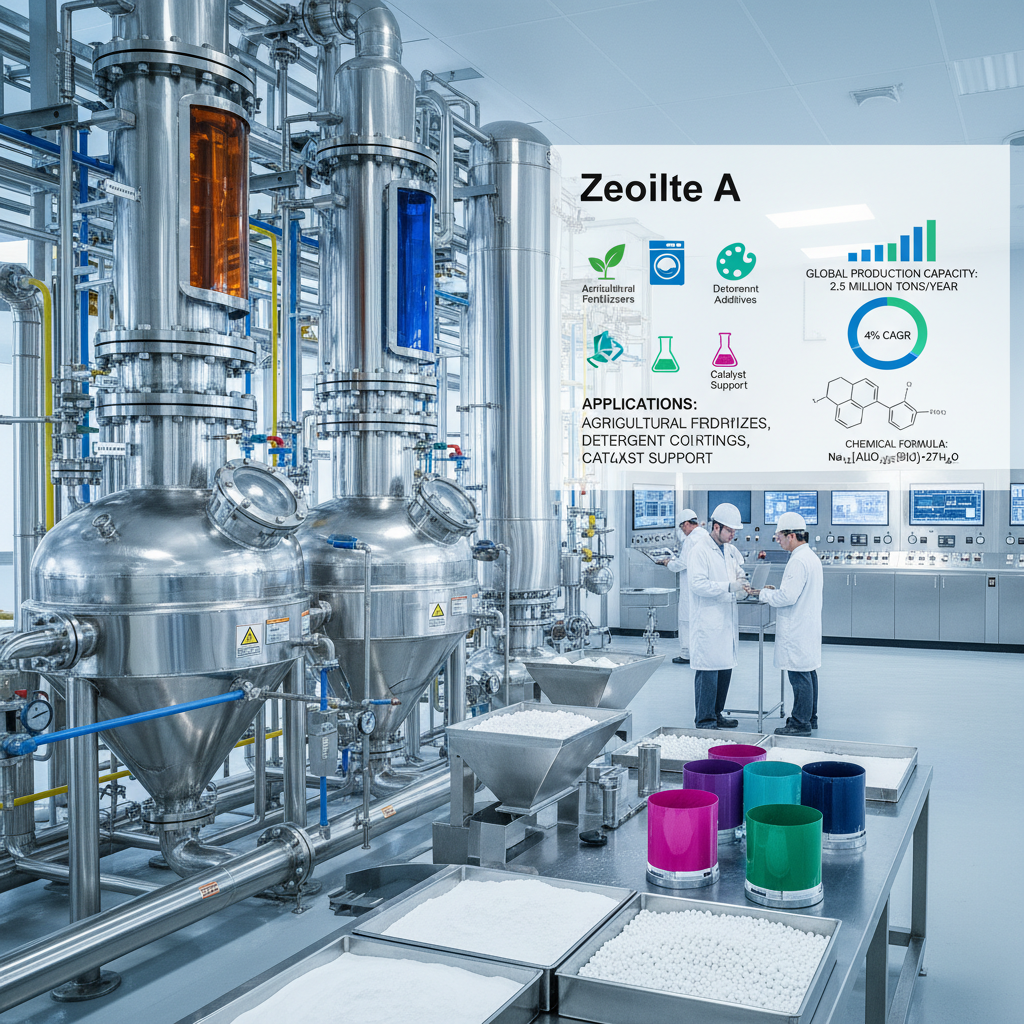
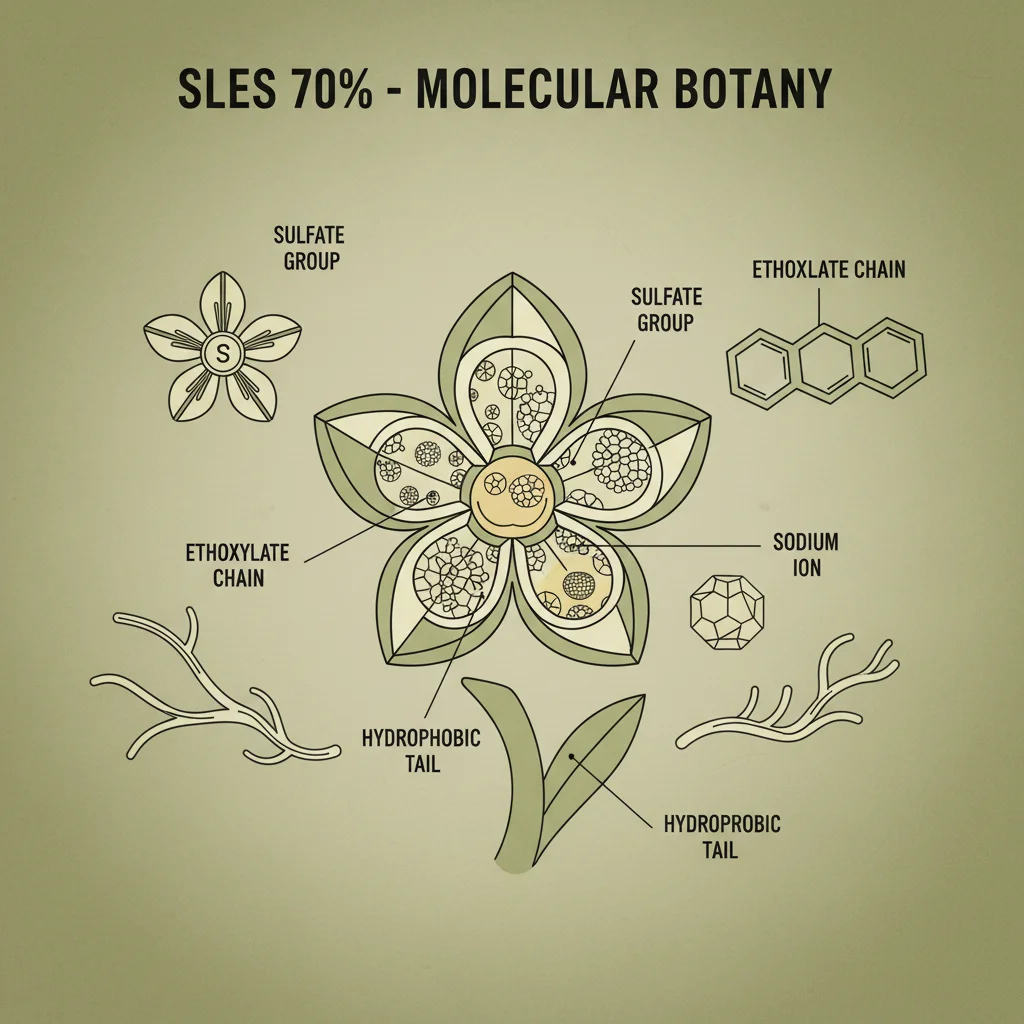
In the complex landscape of industrial chemistry, Zeolite A stands as a cornerstone of molecular sieving technology, providing unparalleled precision in ion exchange and adsorption. As global industries shift toward more sustainable and efficient processing methods, the role of this synthetic aluminosilicate has evolved from a simple additive to a critical component in high-performance chemical manufacturing. Understanding the structural nuances of this material is essential for any operation looking to optimize water softening, detergent efficiency, or catalyst recovery.
The global demand for high-purity synthetic zeolites is driven by the escalating need for eco-friendly alternatives to phosphates in cleaning agents and the rising requirements for specialized filtration in the petrochemical sector. According to industry trends aligned with ISO standards for material purity, the adoption of Zeolite A has seen a significant uptick due to its ability to selectively sequester calcium and magnesium ions, thereby preventing scale buildup in industrial machinery and improving the efficacy of surfactants.
However, achieving the perfect balance between pore size, crystal stability, and cost-efficiency remains a challenge for many manufacturers. By exploring the chemical properties and practical deployment of this molecular sieve, businesses can transition from generic chemical usage to a targeted, engineering-driven approach. This guide delves into the technical specifications and commercial advantages of integrating Zeolite A into modern industrial workflows.
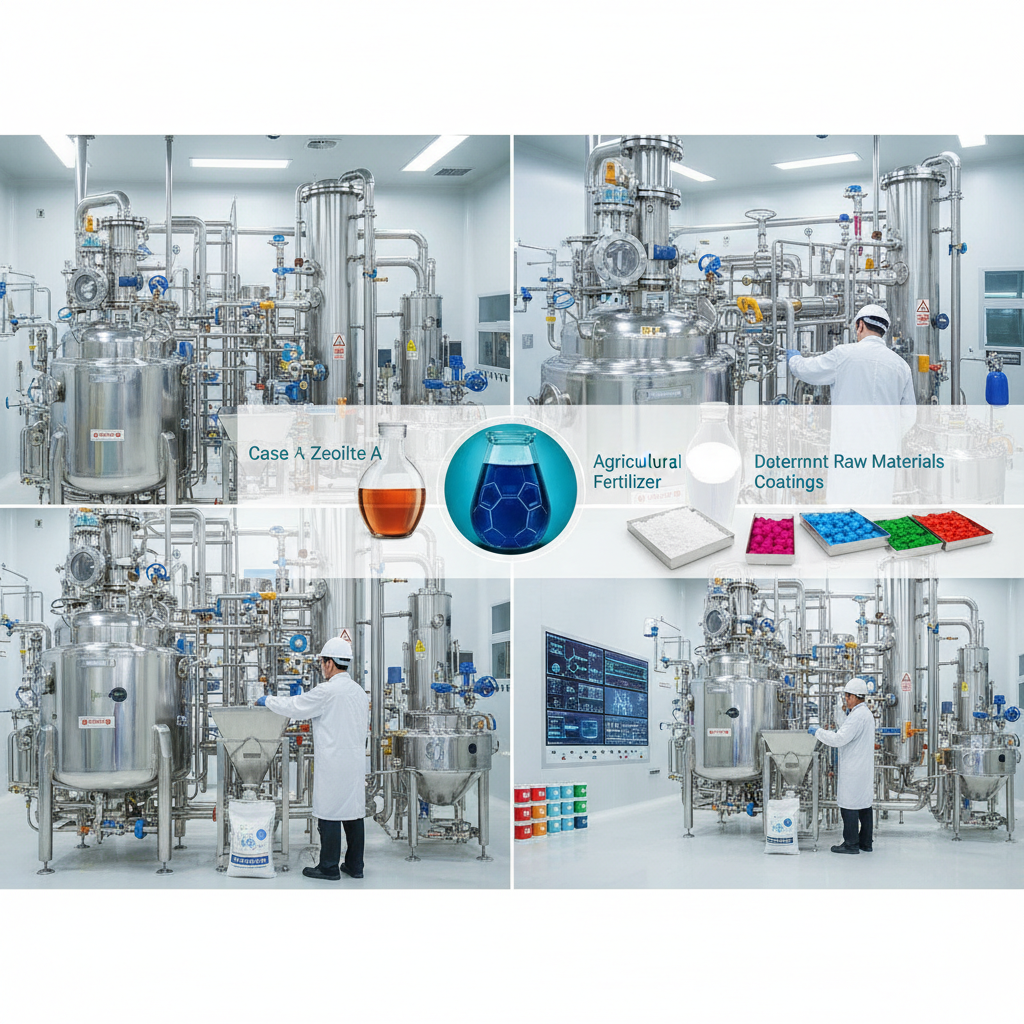
The Fundamental Chemistry of Zeolite A
At its core, Zeolite A is a crystalline aluminosilicate with a highly uniform pore structure, specifically designed to act as a molecular sieve. Its framework consists of SiO4 and AlO4 tetrahedra linked by shared oxygen atoms, creating a three-dimensional network of channels and cavities. This precise geometry allows the material to selectively admit molecules of a certain size while excluding larger ones, making it an indispensable tool for separation processes in the chemical industry.
The effectiveness of this material stems from its high cation-exchange capacity. Because the aluminum atoms in the framework carry a negative charge, they are balanced by exchangeable cations (typically sodium). This allows Zeolite A to swap these sodium ions for others, such as calcium or magnesium, which is the primary mechanism used in water softening and the formulation of high-efficiency detergents.
Global Industrial Relevance and Demand
On a global scale, the integration of Zeolite A has revolutionized the detergent industry by providing a non-toxic alternative to sodium tripolyphosphate (STPP). The environmental impact of phosphate discharge—namely eutrophication in freshwater bodies—led to strict regulations in the EU and North America, forcing a shift toward zeolite-based builders. This transition not only protected aquatic ecosystems but also maintained the cleaning performance required by commercial and domestic consumers.
Beyond detergents, the demand for these synthetic zeolites extends into the petrochemical and pharmaceutical sectors. In regions with heavy industrialization, such as East Asia and the Gulf States, the use of Zeolite A in gas drying and purification is critical. Its ability to remove moisture and specific impurities from hydrocarbon streams ensures that catalysts are protected and product purity is maintained at ISO-grade levels.
The economic value of this material is tied to its versatility. Whether it is used in the recovery of precious metals from industrial waste or as a stabilizer in paint and coating formulations, the scalable production of Zeolite A allows manufacturers to lower operational costs while increasing the reliability of their chemical outputs.
Core Technical Components and Properties
The performance of Zeolite A is primarily governed by its Si/Al ratio. A lower ratio increases the framework's negative charge, which directly enhances its ion-exchange capacity. This makes the material exceptionally aggressive in capturing divalent ions, ensuring that hard water is softened rapidly during the initial stages of a chemical reaction.
Thermal stability is another defining characteristic of Zeolite A. It can withstand significant temperature fluctuations without collapsing its pore structure, which is vital for industrial applications involving steam stripping or high-heat catalysis. This structural integrity ensures a consistent surface area for adsorption across various operating conditions.
Finally, the particle size distribution of Zeolite A determines its kinetic efficiency. Micronized powders provide a larger active surface area for faster reaction times, whereas granulated forms are preferred for bed-filter applications to prevent pressure drops and ensure a steady flow of treated fluids.
Performance Metrics and Scalability
When evaluating the commercial viability of Zeolite A, engineers focus on the balance between adsorption kinetics and regeneration costs. The ability to "reset" the material through brine treatment allows for a circular usage cycle, significantly reducing the long-term cost of ownership compared to single-use chemical scavengers.
Scalability is achieved through hydrothermal synthesis, where the precise control of temperature and pH allows for the production of tons of consistent material. By optimizing the nucleation process, manufacturers can produce Zeolite A with specific pore diameters tailored to the target molecule, whether for detergent builders or specialized industrial catalysts.
Comparative Efficiency of Zeolite A Variants
Real-World Applications and Use Cases
In the consumer goods sector, Zeolite A is the gold standard for laundry detergents. By removing the minerals that cause "hard water," it allows the primary surfactants to focus on removing oils and dirt from fabrics, resulting in a cleaner wash with less chemical waste. This application is ubiquitous in the global market, from high-end pods to bulk industrial soaps.
Beyond the home, these materials are deployed in remote industrial zones for water purification. In mining operations where groundwater is contaminated with heavy metals, specialized forms of Zeolite A are used in filtration beds to strip harmful cations from the water supply, ensuring a safe environment for workers and reducing the ecological footprint of the facility.
Long-Term Value and Sustainability
The shift toward Zeolite A represents a broader commitment to "Green Chemistry." Unlike traditional synthetic builders that persist in the environment and cause algae blooms, zeolites are essentially inert mineral structures. Their biological compatibility ensures that once they are washed away, they do not disrupt the chemical balance of soil or water systems.
From a financial perspective, the long-term value of investing in high-grade synthetic zeolites lies in operational reliability. By preventing scale formation in boilers and heat exchangers, Zeolite A extends the lifespan of expensive capital equipment, reducing downtime and maintenance costs associated with descaling.
Furthermore, the ability to regenerate these materials through simple ion-exchange processes aligns with the principles of a circular economy. Instead of treating the material as a consumable, industries are now viewing Zeolite A as a reusable asset, which significantly lowers the total cost of chemical procurement over a ten-year horizon.
Future Innovations and Market Trends
The next frontier for Zeolite A involves the integration of nanotechnology. Researchers are currently developing "Nano-Zeolites" with exponentially higher surface-to-volume ratios, which could lead to near-instantaneous ion exchange. This would allow for smaller, more efficient filtration systems in medical devices and high-precision laboratory equipment.
Additionally, the trend toward automation in chemical plants is driving the demand for "smart" zeolites. By incorporating sensor-responsive elements into the Zeolite A framework, it may soon be possible to monitor saturation levels in real-time, triggering automated regeneration cycles only when necessary to save water and energy.
As global policies tighten around carbon emissions and waste, the synthesis of Zeolite A from industrial waste (such as fly ash or slag) is becoming a key area of research. Transforming waste into a high-value molecular sieve not only reduces landfill pressure but also creates a sustainable supply chain for the chemicals industry.
Comparative Analysis of Zeolite A Industrial Integration
| Application Segment |
Efficiency Score (1-10) |
Sustainability Impact |
Implementation Cost |
| Consumer Detergents |
9.5 |
High (Phosphate-Free) |
Low |
| Water Softening |
8.8 |
Medium |
Medium |
| Gas Dehydration |
9.2 |
High |
High |
| Metal Recovery |
7.5 |
Very High |
Medium |
| Catalyst Support |
8.0 |
Medium |
High |
| Paint Stabilization |
6.8 |
Low |
Low |
FAQS
Unlike phosphates, which lead to water pollution and algae growth (eutrophication), Zeolite A is an inert mineral that effectively removes calcium and magnesium ions from water without harming the environment. It provides the same water-softening benefits, allowing surfactants to work more efficiently, but it is ecologically sustainable and compliant with global environmental regulations.
The lifespan depends on the concentration of ions in the treated fluid and the flow rate. In typical industrial water-softening applications, the material can operate for several hundred cycles before its ion-exchange sites are saturated. Regeneration is typically achieved by flushing the bed with a high-concentration sodium chloride (brine) solution, which displaces the captured minerals and restores the material's capacity.
Yes, provided it is manufactured to high-purity standards. Because it is a synthetic aluminosilicate, it is chemically stable and non-toxic. Many pharmaceutical applications use high-purity Zeolite A for drying solvents or purifying reagents, as it leaves no chemical residue and can be easily filtered out of the process stream.
Absolutely. Zeolite A has a strong affinity for various divalent and trivalent cations. In industrial wastewater treatment, it is often used to sequester lead, cadmium, and copper. By adjusting the synthesis parameters, the pore size can be optimized to target specific heavy metal ions, making it an efficient and cost-effective solution for environmental remediation.
Natural zeolites vary in purity and pore size depending on the geological source. In contrast, synthetic Zeolite A is engineered for absolute uniformity. This means every particle has the exact same pore diameter and ion-exchange capacity, which is critical for industrial processes where consistency and predictable performance are mandatory for quality control.
Zeolite A should be stored in a cool, dry environment in airtight containers. Because it is a highly effective desiccant, it will naturally absorb moisture from the air, which can reduce its active capacity before it even reaches the production line. Keeping it sealed ensures that its full adsorption power is available upon application.
Conclusion
In summary, Zeolite A represents the ideal intersection of chemical efficiency and environmental responsibility. From its critical role in eliminating phosphates in the detergent industry to its application in high-precision industrial filtration and water softening, its unique molecular structure provides a level of selectivity that few other materials can match. By leveraging its high ion-exchange capacity and thermal stability, manufacturers can significantly optimize their operational costs and improve product quality.
Looking forward, the evolution of synthetic zeolites toward nano-scales and waste-derived synthesis will further solidify their place in the green economy. For companies seeking to enhance their chemical processing or transition to more sustainable additives, the strategic implementation of high-purity molecular sieves is no longer an option but a necessity. We invite you to explore our full range of specialty chemical solutions to find the perfect grade for your application. Visit our website: www.zjsles.com