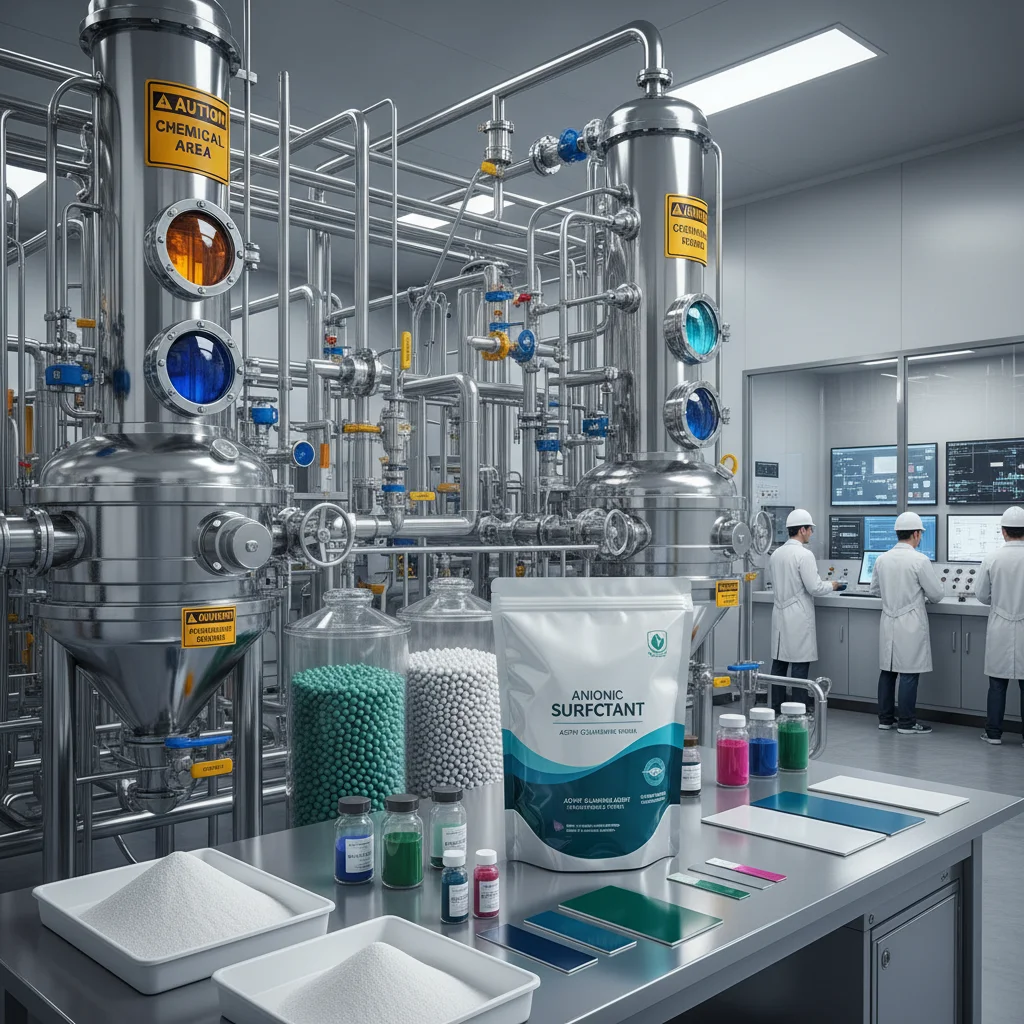
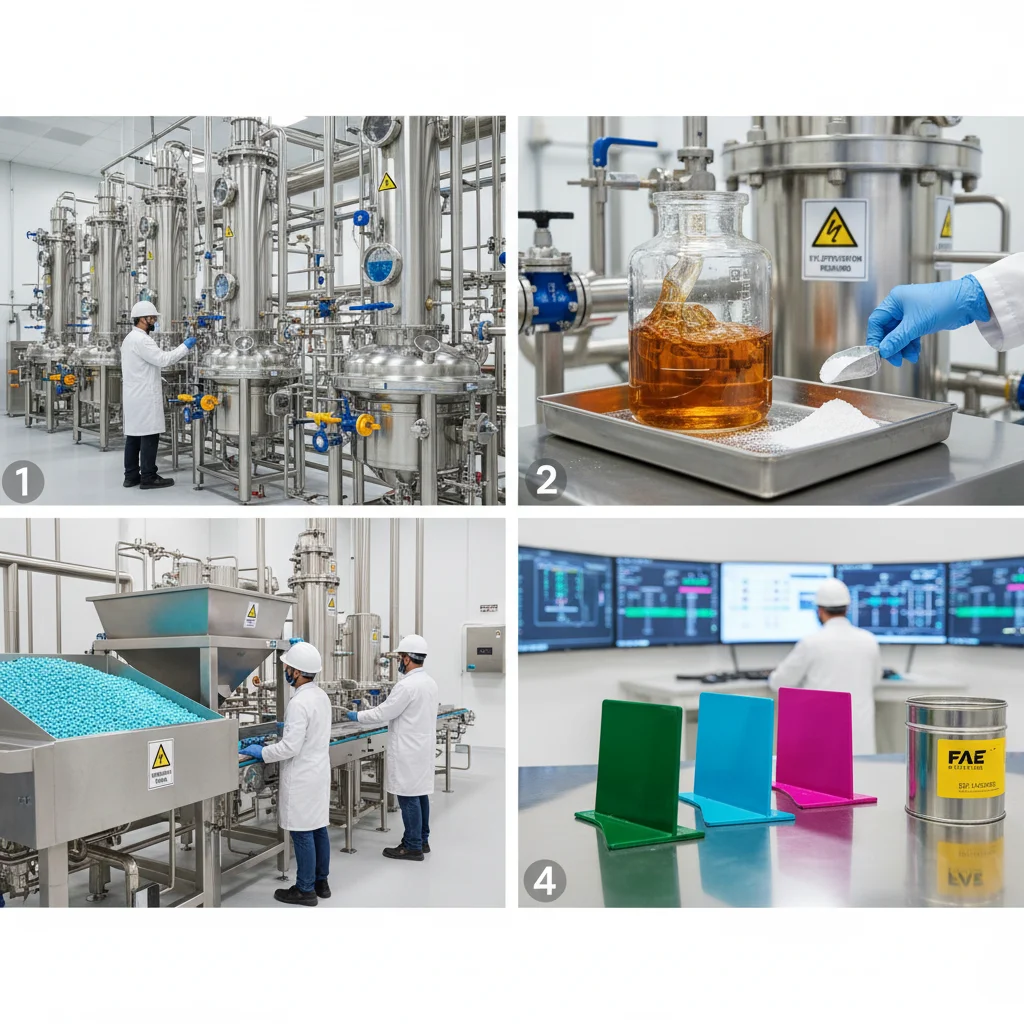
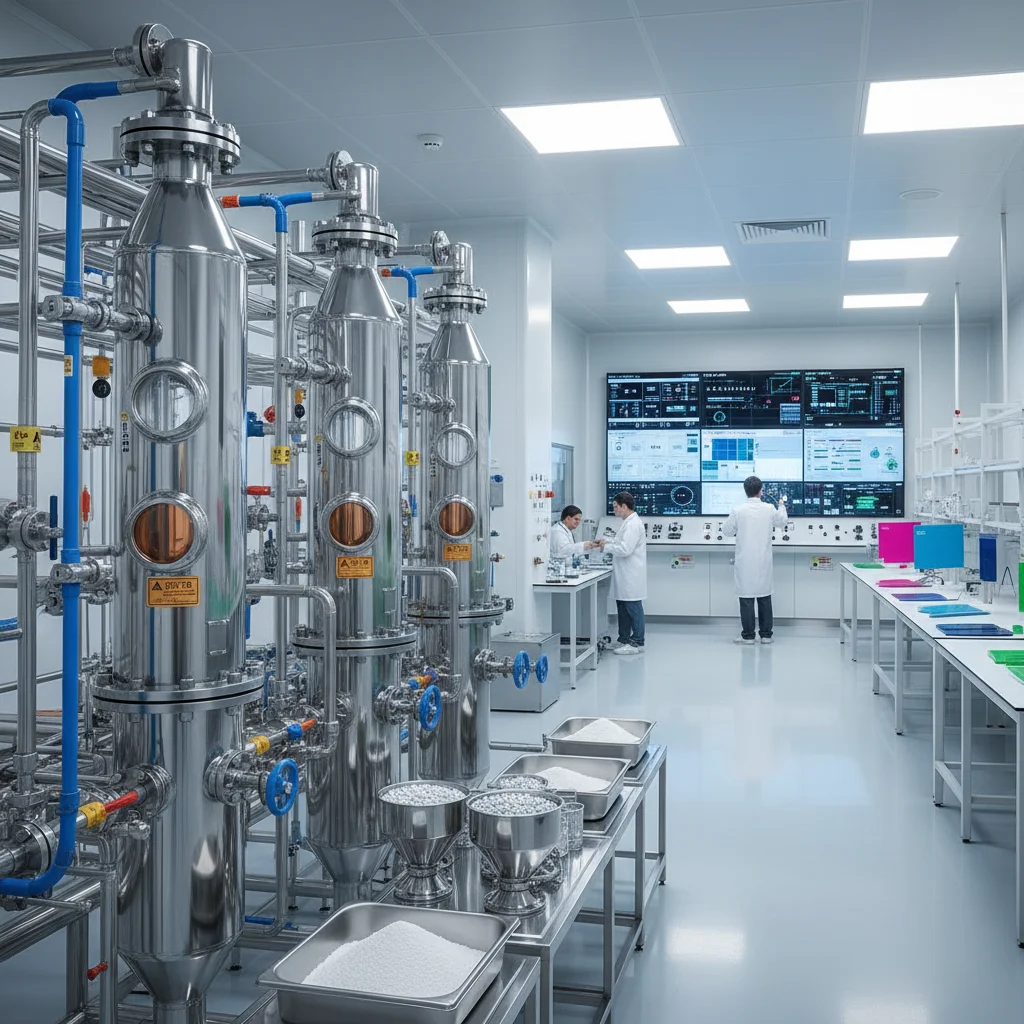
Look, this whole SLES 70% thing…it's been a year, alright? A year of dust, concrete, and arguing with suppliers. To be honest, everyone's chasing higher performance, lower VOCs. It's all anyone talks about at the trade shows now. Used to be, you just needed something that foamed. Now? Now it's a whole science.
And have you noticed how everyone thinks they're a surfactant expert after watching a YouTube video? Makes my job…interesting. They all want "the best," but “best” changes depending on the water hardness, the temperature, even the humidity that day. It’s a headache, really.
What people don’t understand is how deceptively simple it looks. You think, “It’s just a liquid.” But get the formulation wrong, and you’ll have a foaming mess that collapses faster than a cheap inflatable pool toy. I’ve seen it. Believe me.
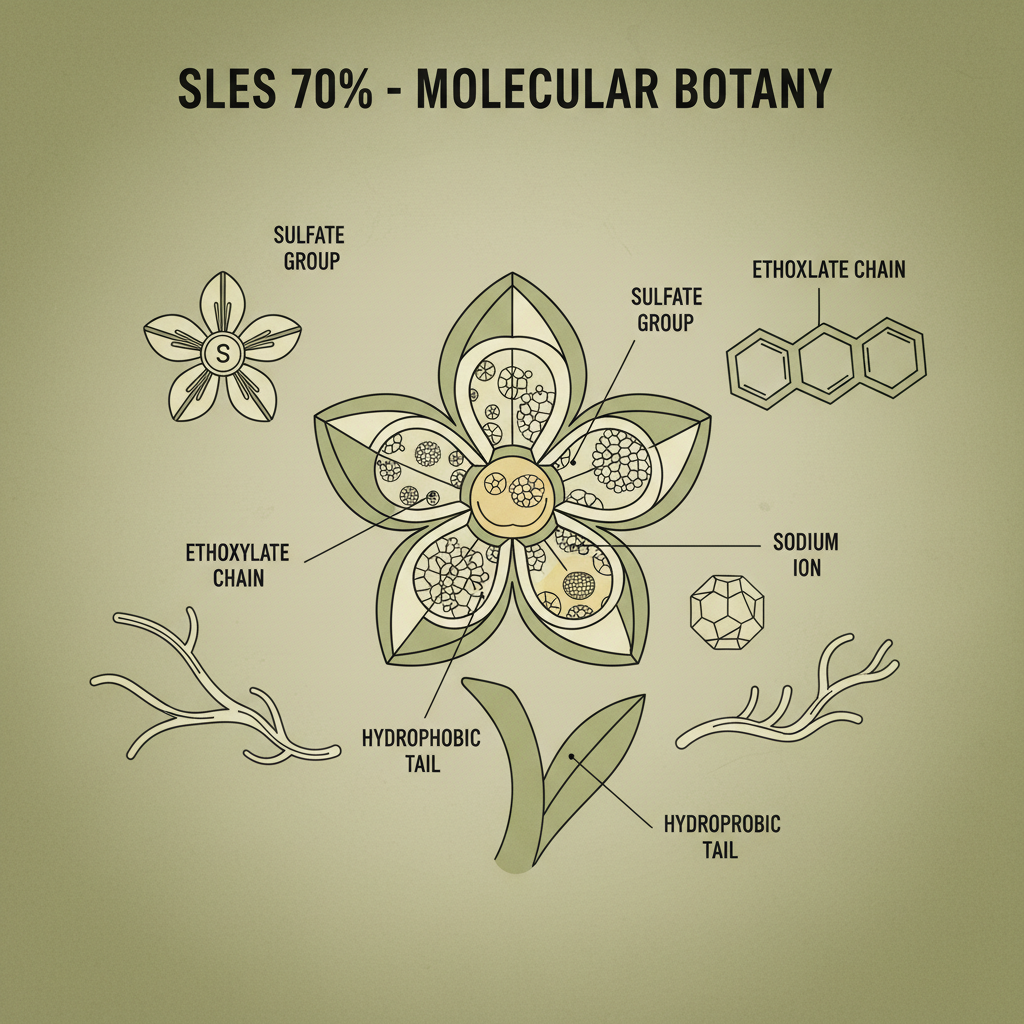
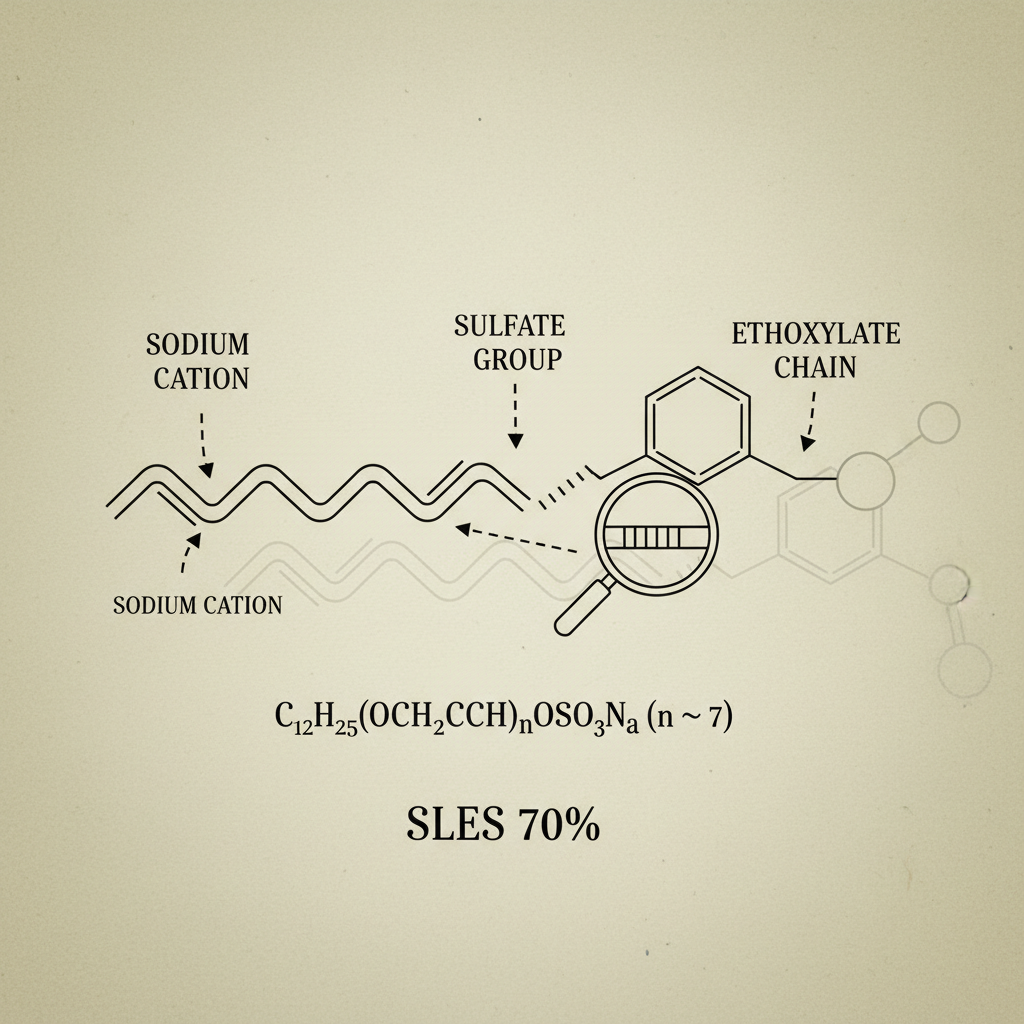
Strangely, everyone’s focused on bio-based surfactants now, right? Good for marketing, I guess. But they’re not always practical. The price jumps, the consistency changes… it's a pain to work with. SLES 70% is still the workhorse, though. Reliable. You know what you're getting. The demand’s only going up, especially in Asia, I encountered this at a factory in Shanghai last time.
The push for sustainability is forcing changes, though. We’re seeing more demand for formulations with lower sulfates, even if it means sacrificing a bit of foam. It's a trade-off, always is.
Oh, man, where do I even start? Probably trying to cut corners on water quality. Hard water ruins everything. And not properly dispersing it - you gotta get it fully dissolved before adding other ingredients, otherwise you'll get clumping and a mess. I've seen guys try to rush it, and it always backfires. It's a slow process, be patient.
It can be, yeah. It's a strong surfactant, so it strips away oils. That's why you see it used in things like dish soap and industrial cleaners. In personal care products, you need to use it at lower concentrations and balance it out with milder surfactants and emollients. Otherwise, you’ll end up with irritated skin. Simple as that.
Generally, a couple of years if stored properly. But "properly" is key. Cool, dry, sealed container, away from direct sunlight. If it gets contaminated with water or other chemicals, it will degrade faster. It’s not something you want to skimp on - degraded SLES 70% just doesn't perform.
Like I said, the smell is a good indicator. It should be clean and slightly floral. Also, the color – pearly white. Do a visual inspection for any cloudiness or sediment. And, honestly, a proper lab analysis is the best way to be sure. But if it looks and smells off, don’t use it.
It's a challenge. SLES 70% isn’t inherently "eco-friendly." But you can mitigate its impact by using it at lower concentrations, combining it with bio-based surfactants, and ensuring proper wastewater treatment. It's about finding the right balance between performance and sustainability.
SLS (Sodium Lauryl Sulfate) is more aggressive and can be really irritating. SLES (Sodium Laureth Sulfate) is milder because it's ethoxylated. That means they’ve added ethylene oxide to it, making it less harsh. SLES 70% is just a specific concentration of SLES. Generally, SLES is preferred for most applications.
So, there you have it. SLES 70% isn’t glamorous, but it's essential. It's a reliable, versatile, and cost-effective surfactant that powers a huge range of products. It's not without its challenges – you have to understand its limitations and formulate carefully – but when used correctly, it delivers consistent results.
Ultimately, whether this thing works or not, the worker will know the moment he tightens the screw. You can run all the tests you want, but the proof is always in the application. And if the guys on the job site are happy, then you know you’ve done something right.