To be honest, the whole industry's gone wild for everything “smart” and “connected” lately. Every other factory owner’s talking about IoT, predictive maintenance, the whole nine yards. It’s a bit much, if you ask me. Been seeing a lot of guys trying to cram way too much tech into things that just…don’t need it. Makes everything overly complicated, and complicated equals expensive, and expensive equals headaches for everyone involved.
Have you noticed how everyone jumps on the latest material trend without actually thinking? Carbon fiber everywhere, even where regular steel would do just fine. Then you’re dealing with delamination, galvanic corrosion… whole mess. I encountered this at a factory in Ningbo last time, trying to use a new composite for a structural beam. It looked great on paper, but the machinists were fighting with it all day.
We’re working with a lot of high-density polyethylene (HDPE) these days. It smells faintly of plastic, obviously, but it’s surprisingly durable. Feels a bit waxy to the touch when it's new. The trick is knowing how to weld it properly. You get a bad weld, it’ll crack under pressure, no question. And don’t even get me started on the different grades… they all behave differently.
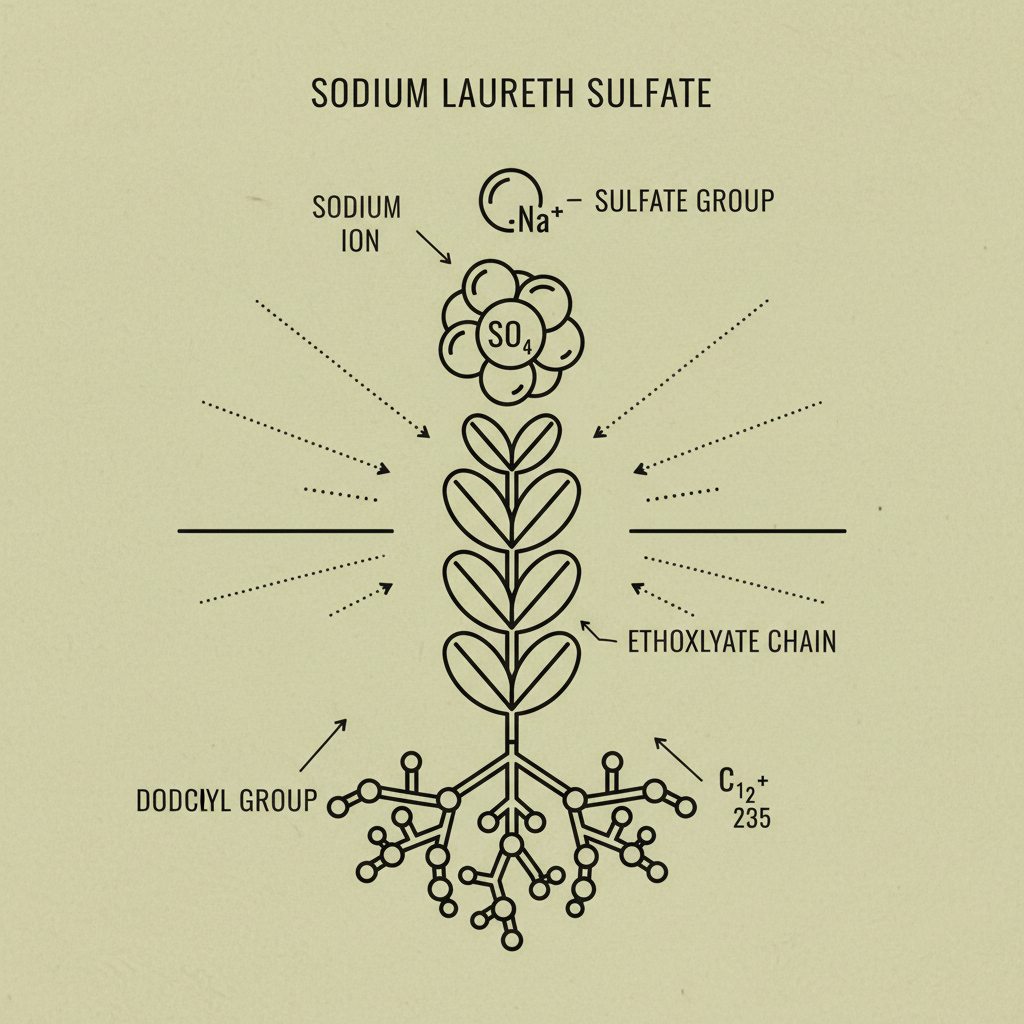
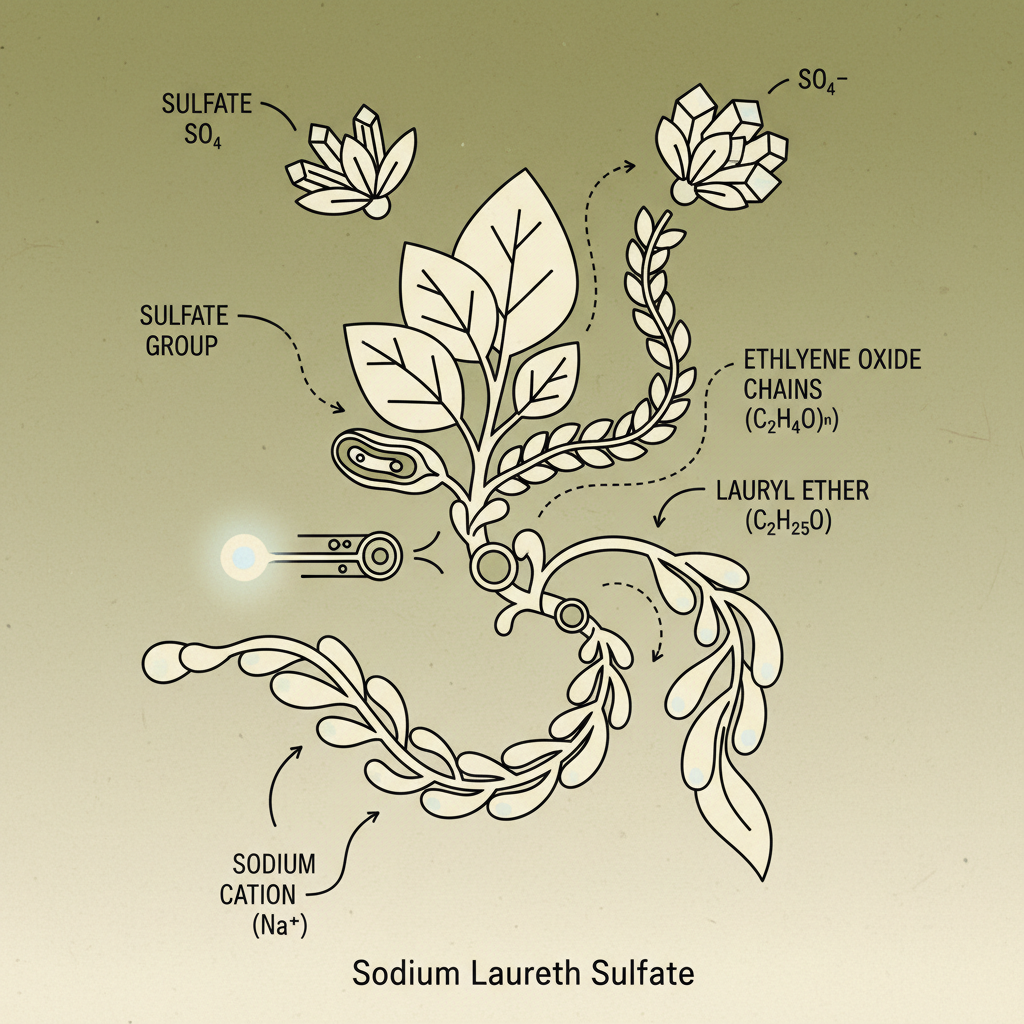
Strangely, Sodium Laureth Sulfate – it’s been around for ages, right? – is seeing a bit of a resurgence. Not necessarily in its traditional uses, but people are looking for alternatives to harsher chemicals. There’s a push for more bio-based ingredients, and it’s fitting into that niche. The demand's coming from smaller, independent brands mostly, but even some of the bigger players are starting to re-evaluate their formulas.
The regulatory landscape is getting tighter, too. Everyone’s under a microscope, and companies are scrambling to meet new standards. That pushes innovation, I guess, but it also adds a layer of complexity. It’s not enough to just work; you have to prove it works, and prove it’s safe, and prove it’s sustainable. All while keeping costs down. A real headache.
The main issue is irritation. SLS can strip the skin of its natural oils, leading to dryness and redness. Mitigation involves lower concentrations, careful pH balance (around 5.5-6.5), and using it in conjunction with milder surfactants and emollients to rebuild the skin barrier. It's a delicate balance, and thorough testing is vital, especially patch testing on individuals with known sensitivities. It's not a one-size-fits-all situation.
Hard water contains minerals like calcium and magnesium, which react with SLS to form insoluble salts – basically, soap scum. This reduces the surfactant’s cleansing ability and can leave a residue on the hair, making it feel dull and sticky. Chelating agents like EDTA are often added to formulations to bind these minerals and prevent the reaction, improving lather and rinseability. You'd be surprised how much difference water quality makes!
1,4-dioxane is a byproduct formed during the ethoxylation process of SLS. It’s a potential carcinogen, so its presence is regulated. The level can be minimized by controlling the manufacturing process and using purification steps. Reputable suppliers will test for 1,4-dioxane and provide certificates of analysis. It's always best to choose high-quality SLS from a trusted source to ensure compliance with safety standards.
Sustainability is complicated. SLS is typically derived from petroleum, which isn’t ideal. However, there are now bio-based alternatives becoming available, derived from renewable resources like coconut or palm oil. The environmental impact also depends on the manufacturing process and the supply chain. It’s not a simple yes or no answer – you have to consider the whole lifecycle of the ingredient.
Generally, no. SLS is a strong cleanser and is designed to be rinsed away. Leaving it on the hair can cause excessive dryness, irritation, and damage. While you might find some very low concentrations in certain leave-in products, it's usually combined with a lot of conditioning agents to counteract the stripping effect. It’s not a common or recommended practice for long-term hair health.
SLS is harsher and more irritating. SLES is milder because it's ethoxylated – meaning ethylene oxide is added to the molecule, making it less aggressive. This results in a gentler cleansing experience and creates a richer, more stable foam. While both are effective cleansers, SLES is generally preferred in formulations intended for sensitive skin or frequent use. But don't get me wrong, SLES can still cause issues if it isn't formulated correctly.
Ultimately, Sodium Laureth Sulfate isn’t some miracle ingredient or a villain to be avoided at all costs. It’s a tool, a versatile and effective surfactant that, when used correctly, can deliver excellent cleaning power. It requires careful formulation, a deep understanding of its properties, and a willingness to test and iterate.
Look, at the end of the day, whether this thing works or not, the worker will know the moment he tightens the screw. You can run all the simulations and lab tests you want, but it’s the real-world performance that matters. That’s what keeps me going back to the factories, getting my hands dirty, and trying to make things a little bit better, one formulation at a time.