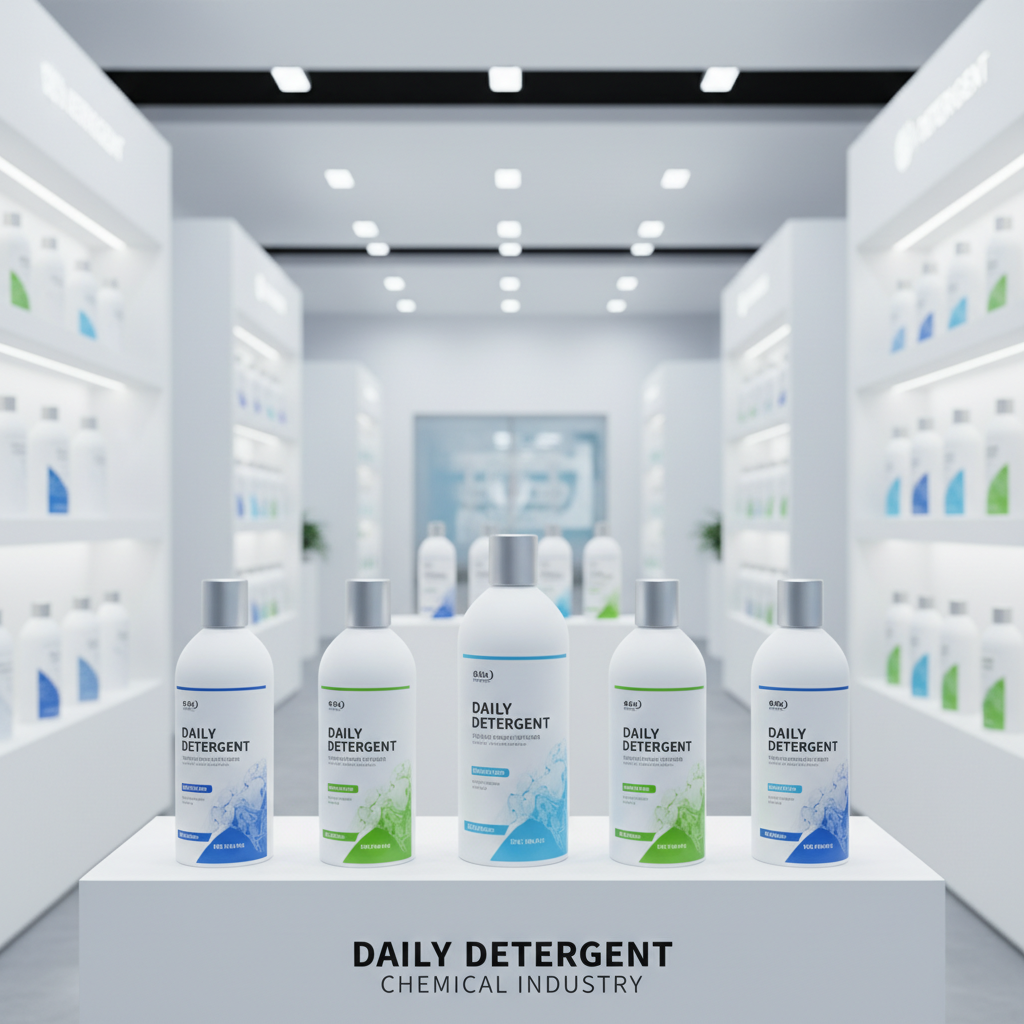
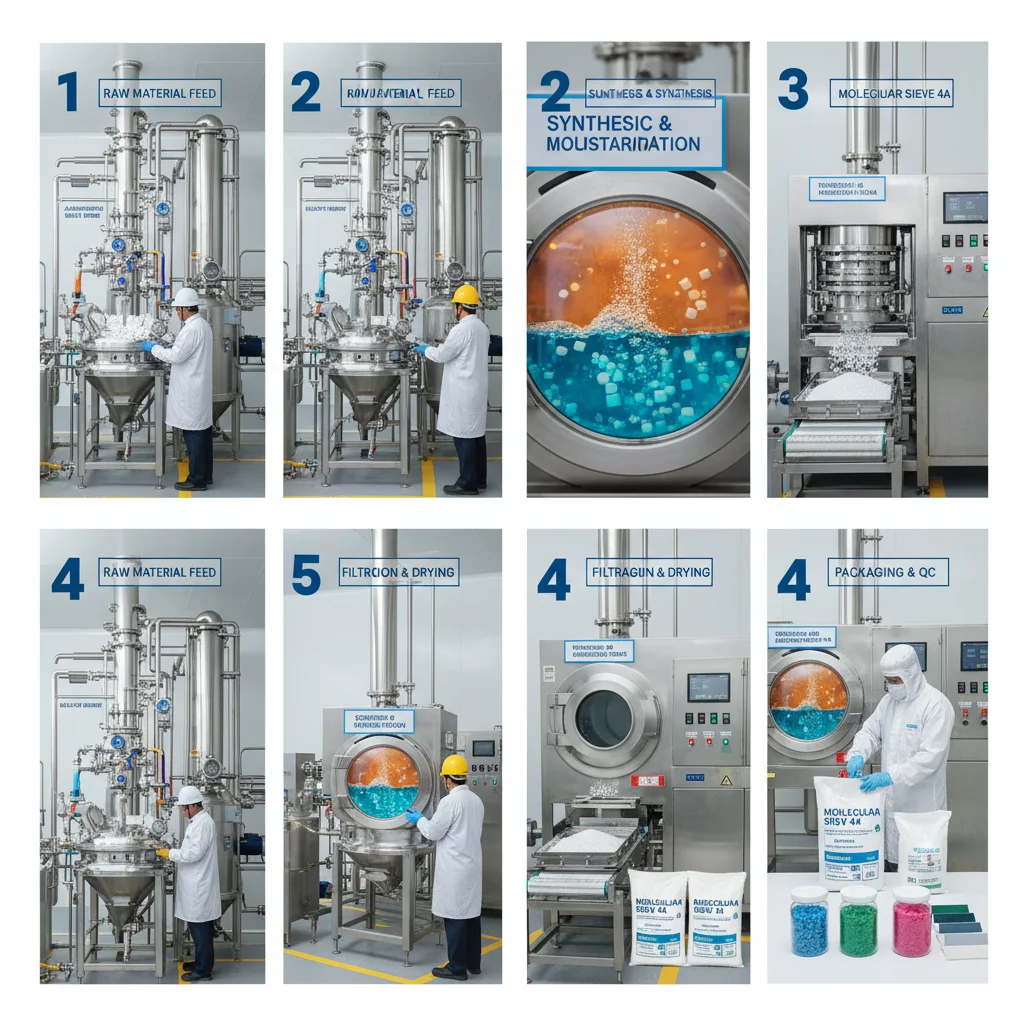
Daily Detergent, a cornerstone of modern hygiene, permeates nearly every household globally. Its importance extends beyond simply cleaning; it's fundamentally linked to public health, disease prevention, and overall quality of life. The continuous evolution of Daily Detergent formulations, from traditional soaps to advanced enzyme-based detergents, reflects a commitment to efficacy and environmental responsibility. Understanding its composition, applications, and future trends is crucial for manufacturers, consumers, and policymakers alike.
The global detergent market is a multi-billion dollar industry, driven by increasing population, rising disposable incomes, and a heightened awareness of hygiene standards. According to UN data, access to sanitation and hygiene remains a challenge in many developing countries, highlighting the critical role of Daily Detergent in preventing waterborne diseases. The industry faces increasing scrutiny regarding its environmental impact, pushing innovation towards sustainable formulations and packaging.
Daily Detergent isn't merely a consumer product; it's a vital component of public health infrastructure. From household chores to industrial cleaning, its applications are diverse and widespread. A comprehensive understanding of its benefits and challenges is essential for fostering a cleaner, healthier, and more sustainable future. The consistent use of Daily Detergent directly correlates with improvements in sanitation standards and reduced incidence of preventable illnesses.
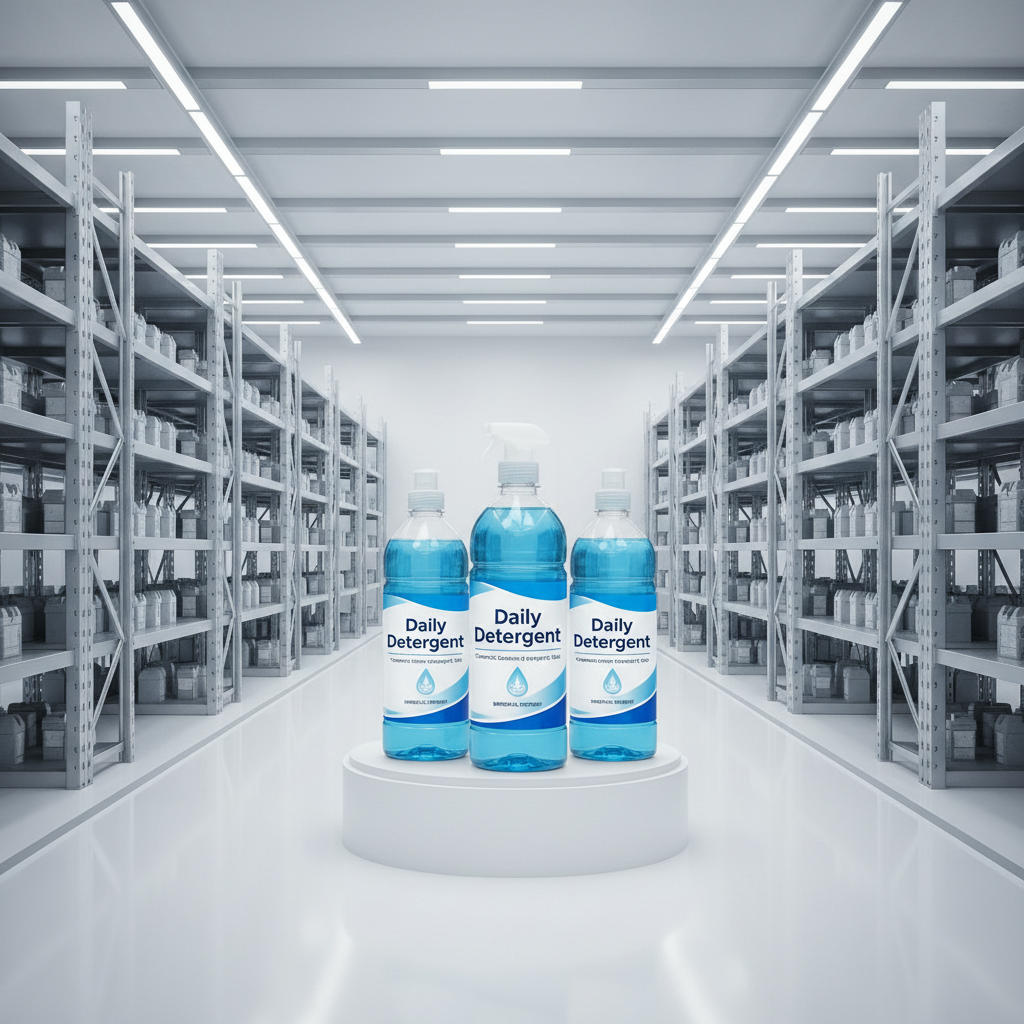
The Core Components of Daily Detergent
Daily Detergent's efficacy relies on a complex interplay of several key components. Surfactants, the most crucial element, reduce surface tension, allowing water to penetrate fabrics and lift away dirt. Builders enhance the performance of surfactants, while enzymes target specific stains like proteins and fats.
Beyond these core ingredients, Daily Detergent formulations often include bleaching agents for whitening, optical brighteners for enhancing appearance, and fragrances for a pleasant user experience. Understanding the role of each component is essential for optimizing cleaning performance and minimizing environmental impact.
Historical Development of Daily Detergent
The history of Daily Detergent traces back to ancient civilizations using natural substances like plant ashes and clay for cleaning. The industrial revolution marked a turning point with the introduction of soap made from animal fats and alkali. However, these early soaps were often ineffective in hard water.
The 20th century witnessed the development of synthetic detergents, initially used for industrial cleaning during wartime. These detergents offered superior performance in all water conditions. Subsequent innovations led to the development of enzyme-based detergents, liquid detergents, and concentrated formulations, continually improving cleaning power and convenience.
The late 20th and early 21st centuries saw a focus on environmentally friendly formulations, driven by growing consumer awareness and stricter regulations. Biodegradable surfactants and phosphate-free detergents became increasingly prevalent, shaping the modern Daily Detergent landscape.
The Chemical Composition of Daily Detergent
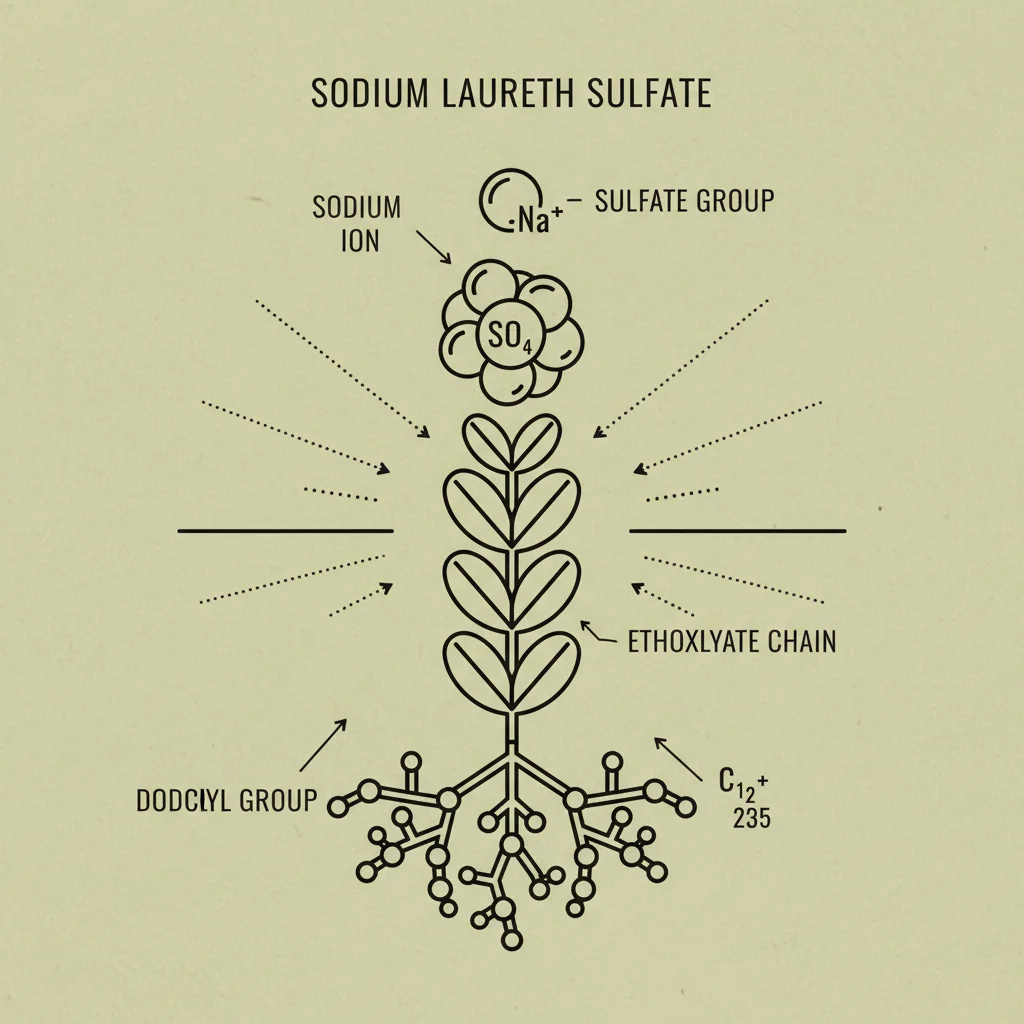
The core of most Daily Detergent formulations is a blend of anionic, nonionic, and sometimes cationic surfactants. Anionic surfactants, like linear alkylbenzene sulfonates (LAS), are highly effective at removing oily dirt. Nonionic surfactants, such as alcohol ethoxylates, are excellent at lifting away particulate soil.
Builders like sodium carbonate and zeolites soften water and enhance surfactant performance. Enzymes, including proteases, amylases, and lipases, break down proteins, starches, and fats, respectively. Bleaching agents, often based on sodium percarbonate, whiten fabrics. And finally, additives like fragrances, dyes, and stabilizers provide the desired aesthetic and functional properties.
The precise composition of Daily Detergent varies depending on its intended use—laundry, dishwashing, or all-purpose cleaning—and target stain types. Newer formulations emphasize biodegradable ingredients and reduced phosphate content to minimize environmental impact.
Performance Metrics of Daily Detergent
Assessing the performance of Daily Detergent requires a combination of laboratory testing and real-world evaluation. Key metrics include cleaning effectiveness, stain removal rate, whiteness retention, and fabric protection. Standardized tests like the Terg-O-Meter are used to quantify cleaning power.
Furthermore, factors such as low-temperature washing performance, colorfastness, and enzymatic activity are crucial considerations. Modern Daily Detergent formulations are often evaluated based on their ability to remove a wide range of stains, including grease, food, and bodily fluids.
Daily Detergent Performance Comparison
Global Applications of Daily Detergent
Daily Detergent finds application in a vast array of settings worldwide. In households, it’s essential for laundering clothes, washing dishes, and maintaining hygiene. Industrially, it's used for cleaning equipment, processing textiles, and maintaining sanitation in food processing plants.
In post-disaster relief operations, Daily Detergent plays a critical role in preventing the spread of disease by enabling the cleaning of clothes and living spaces. Similarly, in remote industrial zones and developing nations, access to effective Daily Detergent is paramount for improving public health and sanitation standards.
Advantages of Modern Daily Detergent Formulations
Modern Daily Detergent formulations offer several key advantages over traditional soaps. Improved cleaning power, particularly in hard water, is a significant benefit. Enzyme-based detergents effectively target specific stains, reducing the need for harsh chemicals.
Concentrated formulations reduce packaging waste and transportation costs. Furthermore, the development of hypoallergenic and fragrance-free options caters to sensitive skin and allergies. These advancements contribute to both convenience and sustainability.
The ability to perform effectively at lower temperatures reduces energy consumption and minimizes fabric damage, offering both economic and environmental benefits.
The Sustainability of Daily Detergent Production
The sustainability of Daily Detergent production is an increasingly important consideration. Traditional manufacturing processes can have significant environmental impacts, including water pollution and greenhouse gas emissions.
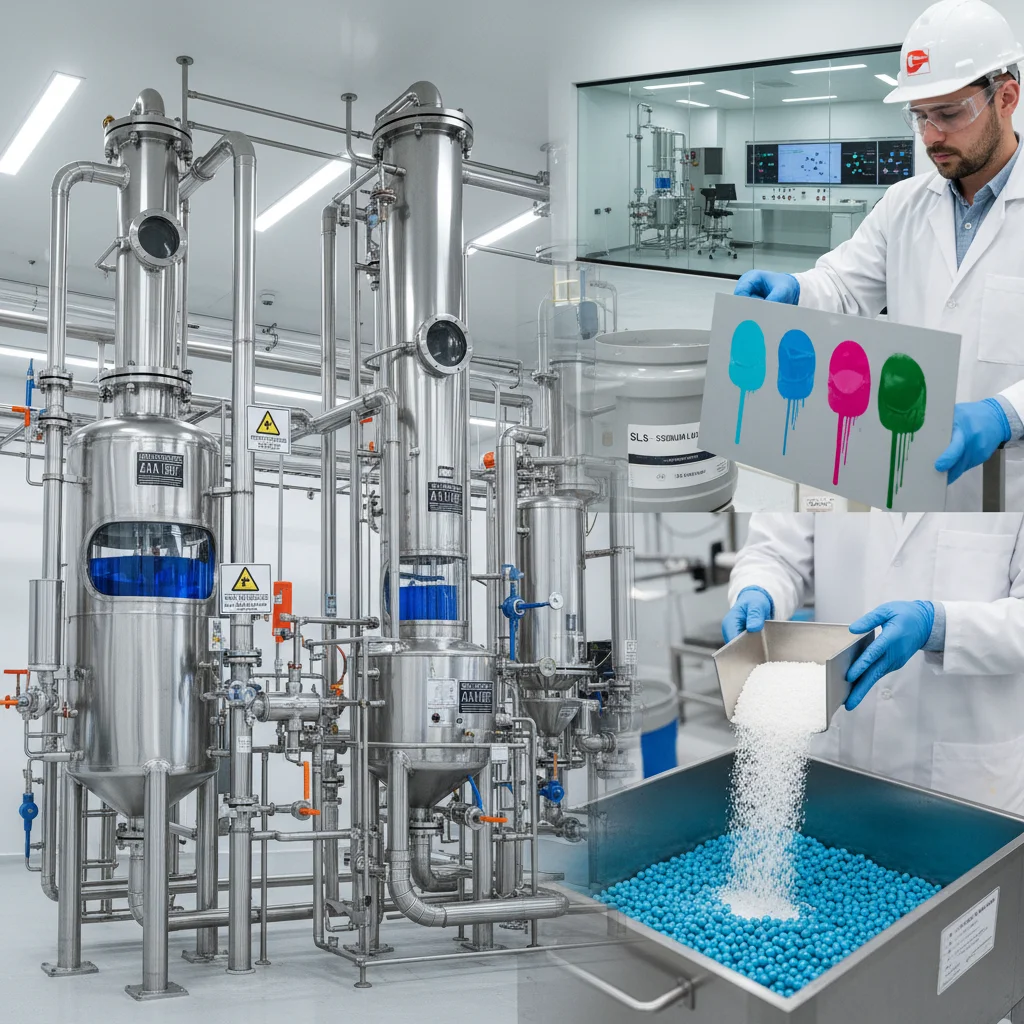
Efforts to address these challenges include using renewable resources for surfactant production, minimizing packaging materials, and developing biodegradable formulations. Closed-loop manufacturing processes that recycle water and reduce waste are also gaining traction.
The adoption of sustainable sourcing practices for raw materials, coupled with efficient transportation logistics, are crucial for minimizing the environmental footprint of Daily Detergent. Consumer demand for eco-friendly products is driving innovation in this area.
A Summary of Sustainability Factors in Daily Detergent Production
| Raw Material Source |
Water Usage Efficiency |
Packaging Material Type |
Waste Management Practices |
| Renewable Plant-Based Oils |
Water Recycling System Implemented |
Recycled Plastic Bottles |
Waste-to-Energy Conversion |
| Palm Oil (RSPO Certified) |
Moderate Water Consumption |
Virgin Plastic Packaging |
Landfill Disposal |
| Petrochemicals |
High Water Consumption |
Non-Recyclable Plastic |
Incineration |
| Algae-Based Oils |
Minimal Water Consumption |
Biodegradable Packaging |
Composting Program |
| Coconut Oil |
Optimized Water Usage |
Reusable Containers |
Material Recovery Facility |
| Sustainable Palm Kernel Oil |
Water Conservation Initiatives |
Plant-Based Plastics |
Closed-Loop Recycling System |
FAQS
Liquid and powder Daily Detergent differ primarily in their formulation and delivery. Liquid detergents dissolve more readily, making them ideal for low-temperature washes and pre-treating stains. Powder detergents generally offer a more cost-effective solution and are often preferred for heavily soiled laundry. The choice often depends on individual preferences and washing machine type. Both effectively clean when used correctly.
Traditional Daily Detergent formulations contained phosphates and non-biodegradable surfactants, posing environmental concerns. However, modern formulations increasingly utilize biodegradable ingredients and reduced phosphate levels. Choosing eco-friendly options with certifications like the EU Ecolabel minimizes environmental impact. Proper wastewater treatment is also crucial in reducing detergent pollution.
Several strategies can reduce Daily Detergent usage. Using the correct dosage as indicated on the packaging is vital – often less is more. Selecting concentrated formulations requires smaller amounts per load. Washing full loads maximizes efficiency, and pre-treating stains can reduce the need for heavy-duty washing. Considering cold-water washing also helps reduce energy consumption.
In Daily Detergent, "biodegradable" signifies that the ingredients can be broken down by microorganisms into harmless substances like water, carbon dioxide, and biomass within a reasonable timeframe. This reduces the persistence of pollutants in the environment. However, biodegradability depends on environmental conditions, so proper wastewater treatment is still essential for effective degradation.
Hypoallergenic Daily Detergent formulations are designed to minimize the risk of allergic reactions. They typically exclude common irritants like dyes, fragrances, and harsh chemicals. While not entirely allergen-free, these detergents are generally well-tolerated by individuals with sensitive skin. Performing a patch test is always recommended for those with known allergies.
Daily Detergent should be stored in a cool, dry place away from direct sunlight and extreme temperatures. Ensure containers are tightly sealed to prevent moisture absorption, which can cause clumping in powder detergents or separation in liquid detergents. Keep out of reach of children and pets. Proper storage maintains product efficacy and prevents potential hazards.
Conclusion
Daily Detergent, a seemingly simple product, is an integral part of modern life, contributing significantly to public health, hygiene, and industrial efficiency. From its humble beginnings to the advanced formulations available today, its evolution reflects a commitment to innovation and sustainability. Understanding its core components, applications, and future trends is crucial for both consumers and industry professionals.
As we move forward, the focus on sustainable production practices, biodegradable ingredients, and efficient usage will be paramount. By embracing these principles, we can ensure that Daily Detergent continues to play a vital role in creating a cleaner, healthier, and more sustainable future for all. Visit our website to explore our range of eco-friendly Daily Detergent solutions: Daily Detergent.