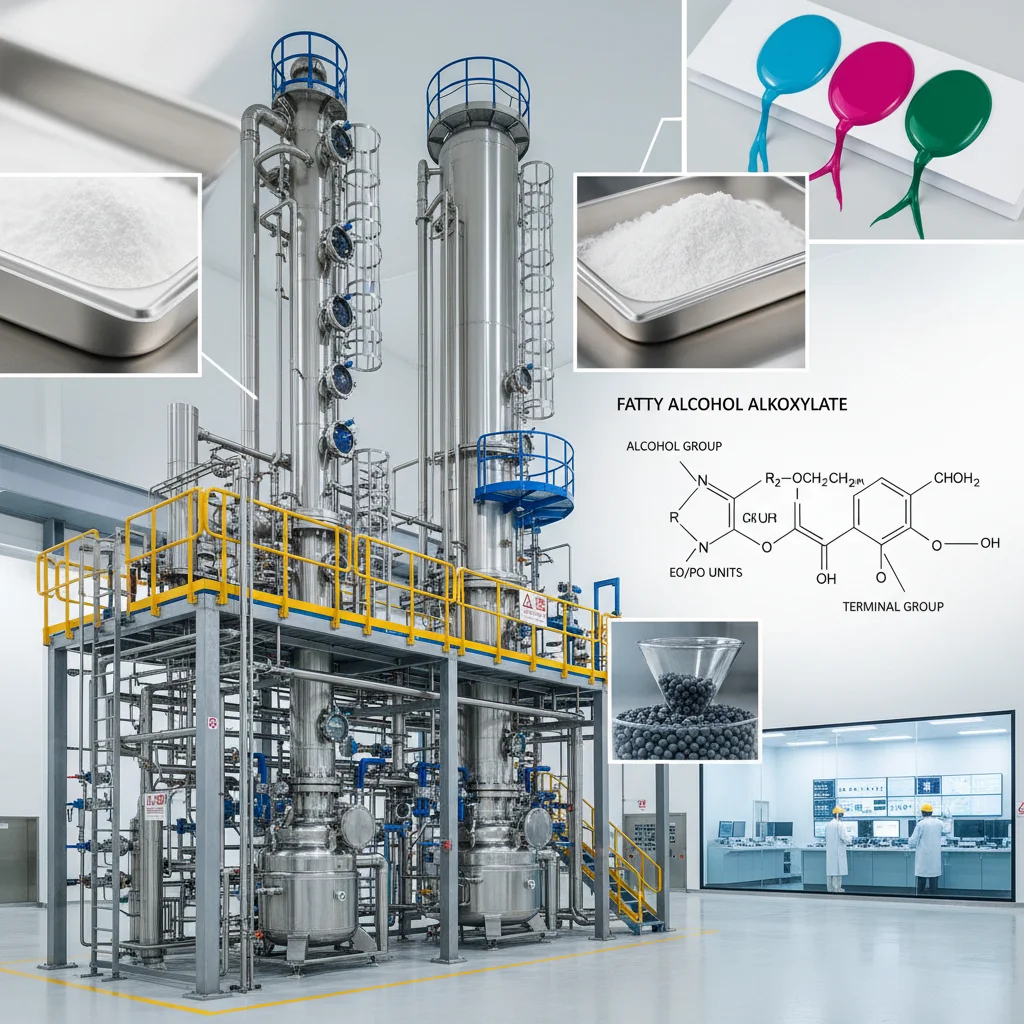
Sourcing through a Direct Factory model in the specialty chemicals and forest-based chemical manufacturing sector allows businesses to bypass intermediate distributors, ensuring greater control over raw material purity and supply chain stability. For enterprises requiring high-performance surfactants or cosmetic-grade peptides, the ability to engage directly with the production site is a critical advantage in maintaining competitive pricing and quality consistency.
The primary challenge for procurement managers is often the trade-off between cost reduction and quality assurance. When dealing with sensitive chemical components that require precise crosslinked structures or specific solubility profiles, relying on third-party traders can introduce risks of batch variability and communication lags that delay product time-to-market.
This analysis provides a comprehensive framework for evaluating direct manufacturing partnerships, detailing the technical requirements for cosmetic-grade chemicals, procurement risk mitigation strategies, and the operational benefits of integrating factory-direct sourcing into a professional chemical supply chain.

The Strategic Logic of Direct Factory Sourcing

Direct Factory sourcing transforms the procurement process from a simple transaction into a technical partnership. In the context of forest-based and specialty chemical manufacturing, this means the buyer has direct access to the R&D team and production logs, which is essential for customizing formulas to meet specific industry demands, such as tailored viscosity or specific molecular weights in surfactants.
By eliminating the layers of brokerage, companies can achieve a more transparent cost structure. This transparency extends beyond the unit price to include lead times and logistics, allowing for leaner inventory management and a more responsive reaction to market shifts in the daily chemical and agricultural sectors.
Technical Requirements for High-Purity Chemical Agents
For specialized products like cosmetic-grade peptides, the technical specifications are non-negotiable. A stable crosslinked structure is required to ensure long-term activity, while excellent water solubility and compatibility are necessary for seamless integration into final formulations. When sourcing from a factory, buyers must verify the precision of the automated production processes that ensure these characteristics remain consistent across batches.
Furthermore, the focus on "green chemistry" has shifted requirements toward low-pollution raw materials. Modern manufacturing now emphasizes eco-friendly water-based coatings and sustainable detergent raw materials, requiring factories to implement strict energy-saving and emission-reduction measures throughout the synthesis process.
Optimizing Application in Cosmetic and Daily Chemicals
The effectiveness of a chemical agent is measured by its performance in the end-use application. For instance, a high-quality moisturizing agent must be able to deeply hydrate and quickly penetrate the skin, providing long-lasting anti-dryness effects without leaving a sticky residue. This requires a light texture and a non-irritating, cosmetic-grade purity level that only a controlled manufacturing environment can guarantee.
In daily chemical applications, the compatibility of surfactants is key. Products that can soothe redness and repair the skin barrier while maintaining stability in a complex mixture of other ingredients are highly valued. Direct collaboration with the manufacturer allows for the adjustment of these parameters to fit the specific pH and temperature requirements of the client's final product.
Evaluating Production Stability and Scalability
Production stability is the cornerstone of industrial reliability. A factory's ability to maintain a consistent annual comprehensive production capacity ensures that large-scale orders are met without quality degradation. The following illustrative index compares the relative impact of different production factors on final product consistency in a normalized framework.
As shown in the relative evaluation, raw material procurement and automated process control have the highest impact on stability. By managing these factors in-house, a direct manufacturer can provide a more stable supply than a distributor who may source from multiple fluctuating production sites.
Risk Management in Direct Chemical Procurement
While the Direct Factory model offers advantages, it requires a more robust internal quality management system from the buyer's side. The primary risk involves the logistical complexity of international shipping and the need for rigorous batch testing upon arrival. Establishing a full-process quality management system, from raw material procurement to finished product delivery, is the only way to mitigate these risks effectively.
To ensure compliance with national and industry standards, buyers should request detailed certificates of analysis (CoA) for every batch. Professional technical teams should be involved in the audit process to verify that the factory's specialized production lines are capable of handling the specific purity requirements of the order.
Comparing Factory Direct vs. Distribution Models
The choice between a direct manufacturer and a distributor typically depends on the volume of the order and the level of technical customization required. For standardized, low-volume purchases, a distributor may provide convenience; however, for strategic components in pharmaceutical, electronic, or agricultural applications, the direct route is superior.
A direct relationship allows for "targeted R&D," where the factory can customize formulas based on the client's specific needs. This iterative process of sampling, testing, and refining is nearly impossible when communicating through a third-party agent, who may lack the technical depth to translate specific requirements to the production floor.
Decision Framework for Supplier Selection
Selecting the right manufacturing partner requires a multi-dimensional analysis of their capabilities. Rather than focusing solely on price, procurement officers should evaluate the intersection of production capacity, technical innovation, and environmental compliance.
| Evaluation Dimension | Direct Factory Model | Distributor Model | Strategic Impact |
|---|---|---|---|
| Cost Structure | Low (Production Cost) | Medium (Markup Applied) | Higher Margins |
| Technical Support | Direct R&D Access | Indirect/General | Faster Innovation |
| Quality Control | Source-level Oversight | Batch-level Inspection | Higher Consistency |
| Lead Time | Production-dependent | Inventory-dependent | Supply Chain Agility |
| Customization | High (Formula Adjustment) | Low (Standard Catalog) | Product Differentiation |
| Risk Exposure | Logistics/Compliance | Supply Continuity | Operational Control |
Ultimately, the decision should align with the company's long-term growth strategy. For those pursuing a "technology-driven, green development" path, a partnership with a manufacturer that prioritizes eco-friendly chemistry and automated quality assurance is the most sustainable choice.
Frequently Asked Questions
Direct sourcing ensures that the peptide's stable crosslinked structure and purity levels are maintained according to your exact specifications, eliminating the risk of degradation often associated with improper storage in distribution warehouses.
Verify the manufacturer's full-process quality management system, request batch-specific Certificates of Analysis (CoA), and test for water solubility, compatibility, and skin sensitivity to ensure a mild, non-irritating product.
Yes, direct factories with strong R&D capabilities can customize product formulas, such as adjusting the penetration rate or hydration levels, to match the diversified demands of different industries.
Green chemistry focuses on reducing pollution through the development of eco-friendly water-based coatings and low-pollution detergent raw materials, utilizing energy-saving production processes to lower environmental impact.
The primary risks include increased logistical responsibility and the need for the buyer to perform more rigorous incoming quality inspections since there is no intermediary to filter the products.
A manufacturer with stable, automated production lines and a high annual comprehensive capacity can better absorb demand spikes and ensure on-time delivery for large-scale industrial requirements.
Conclusion
Transitioning to a Direct Factory sourcing model is a strategic move that empowers chemical buyers with superior quality control, technical customization, and cost transparency. For products requiring high precision—such as cosmetic-grade peptides and specialized surfactants—the ability to collaborate directly with the production team is the most effective way to ensure product stability and market competitiveness.
Organizations looking to optimize their supply chain can review technical specifications and available chemical solutions at www.zjsles.com to evaluate the suitability of direct manufacturing partnerships for their specific industrial applications.