To be honest, this year’s been… a year. Everyone’s talking about ‘smart materials’, self-healing concrete, that kinda stuff. Sounds fancy in the brochures, right? But on site, you quickly realize most of it's just hype. It's all about finding something reliable, something you can actually work with, not just something that sounds good at a conference. We’ve been seeing a lot of demand for higher-performance Linear Alkyl Benzene Sulfonic Acid lately, mostly because everyone's trying to cut costs without sacrificing quality. It's a delicate balance, and frankly, most companies mess it up.
Have you noticed how many designs look good on paper, but fall apart the second you try to build them? It's a common problem. Especially with these newfangled composite structures. I encountered this at a factory in Suzhou last time – beautiful blueprints, but the tolerances were insane. You need room for error, people! Linear Alkyl Benzene Sulfonic Acid plays a crucial role in keeping these things together, acting as a surfactant and reducing surface tension, which helps with the mixing and overall stability, but even the best surfactant won't save a bad design.
Anyway, I think the key to good construction lies in the details, the stuff nobody talks about.

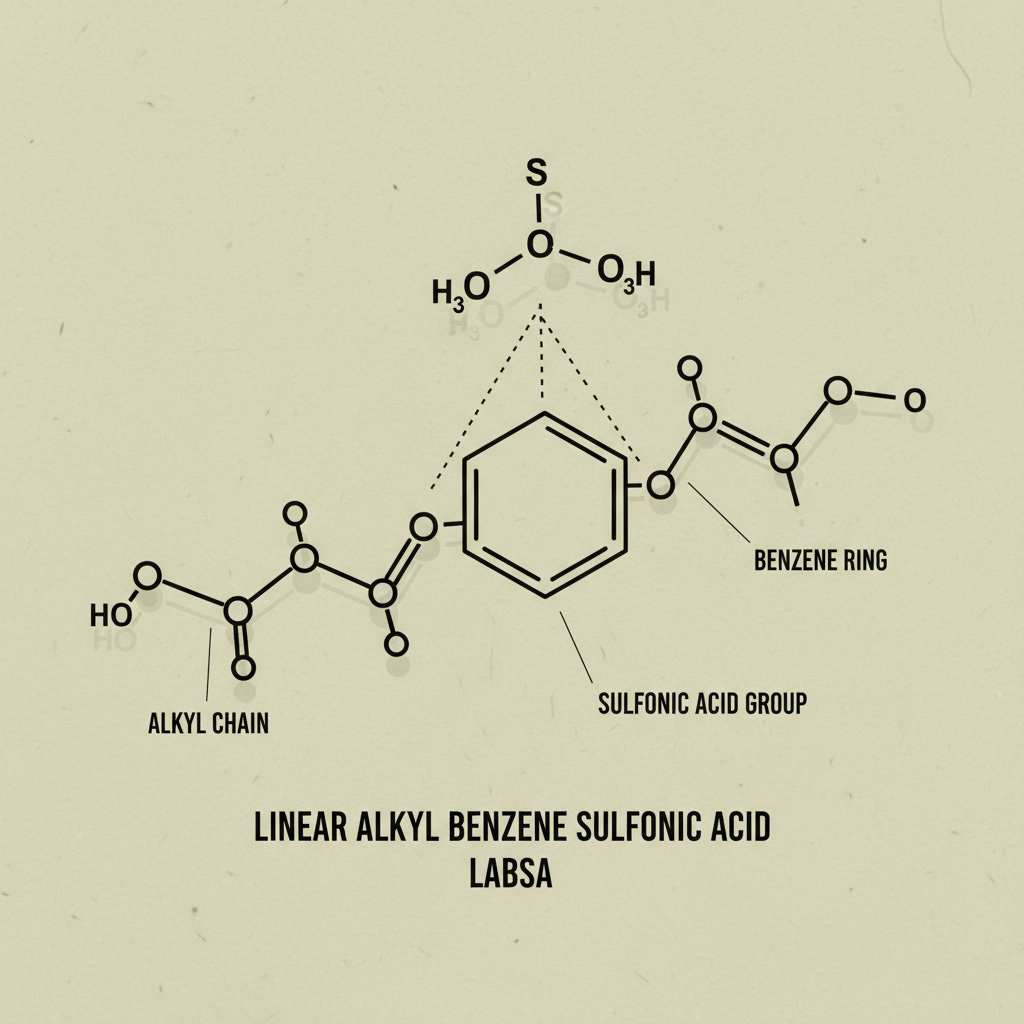
Strangely enough, everyone's chasing sustainability. Which is good, don't get me wrong. But they forget the basics. You can have all the eco-friendly materials in the world, but if your foundations are shaky, it's all going to crumble. Linear Alkyl Benzene Sulfonic Acid, for example, is pretty stable stuff, but it needs the right environment to really shine. Too much heat, too much pressure… it’ll break down, just like anything else. We’re seeing more and more designs that are trying to push boundaries, but they’re overlooking the fundamentals.
A lot of these architects don't spend enough time on site. They’re looking at computer models, not dealing with the mud, the rain, the sheer chaos of a real construction zone.
Honestly? Overdosing. They think more is better, but it messes with the concrete’s setting time and can reduce its overall strength. It's a delicate balance, and you really need to understand the chemistry involved. Getting the water-cement ratio right is crucial, and too much surfactant throws that off. It’s always best to start with a lower dosage and adjust from there based on field tests.
Cold weather can be tricky. Linear Alkyl Benzene Sulfonic Acid helps with workability, but it doesn’t prevent freezing. You still need to use appropriate cold-weather concreting practices, like heating the water and using accelerating admixtures. The surfactant does help lower the freezing point slightly, but it’s not a substitute for proper precautions. I saw a job in Harbin last winter where they didn’t bother with any cold-weather measures, and the whole thing was a disaster.
That's a complicated question. It's biodegradable, which is good, but the manufacturing process isn't exactly green. There are more eco-friendly alternatives out there, but they often come with a performance trade-off. We’re currently exploring using bio-based surfactants as a replacement, but it's still early stages. The key is finding something that works just as well without harming the environment. It’s a balancing act.
Generally, about two years if stored properly – meaning sealed containers, away from direct sunlight and extreme temperatures. But honestly, it’s best to use it within a year. Over time, it can degrade, and its effectiveness will diminish. Check the viscosity and pH level before using it, especially if it’s been sitting around for a while. If it looks cloudy or has separated, toss it. Don’t risk ruining a whole batch of concrete.
Absolutely! In fact, it's almost essential. Self-leveling concrete needs to flow easily, and Linear Alkyl Benzene Sulfonic Acid helps reduce the surface tension and improve the fluidity. But you have to be careful with the dosage. Too much, and it will become too fluid and won't set properly. It's a fine line, and you need to experiment to find the optimal amount for your specific mix design. We found 0.3% by weight of cement, is a good starting point.
It's not highly toxic, but it can irritate your skin and eyes, so always wear gloves and eye protection. Avoid inhaling the vapors, especially in enclosed spaces. If it gets on your skin, wash it off immediately with plenty of water. And if you get it in your eyes, flush them with water for at least 15 minutes and seek medical attention. Simple stuff, really. Just common sense. Safety first, always.
Ultimately, Linear Alkyl Benzene Sulfonic Acid is a powerful tool, but it's not a magic bullet. It improves workability, enhances strength, and increases durability, but only when used correctly and in conjunction with good construction practices. It's a detail, a small component in a much larger process.
But in the end, whether this thing works or not, the worker will know the moment he tightens the screw. And that's what really matters. If you want to learn more, or need a custom blend for a tricky project, check out our website: www.zjsles.com