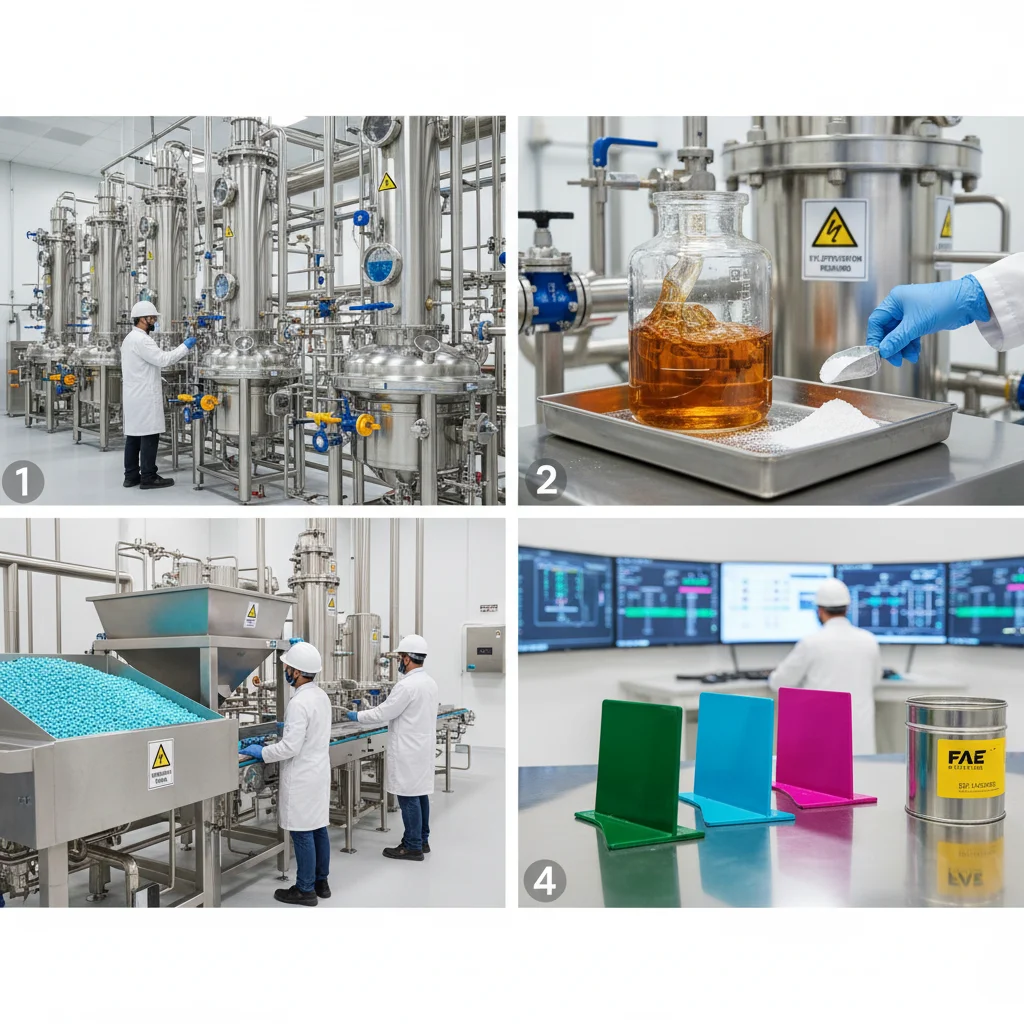
Sodium Sulfate Decahydrate, commonly known as Glauber's salt, serves as a cornerstone in the chemical manufacturing sector, playing an indispensable role in the production of detergents, glass, and textiles. Its unique ability to act as a filler and stabilizing agent makes it a high-demand commodity in global supply chains, ensuring the consistency and quality of various consumer goods. Understanding its chemical properties and industrial utility is essential for procurement officers and chemical engineers seeking to optimize production efficiency.
On a global scale, the production and distribution of Sodium Sulfate Decahydrate are influenced by the rising demand for high-efficiency surfactants and specialized cleaning agents. As industries shift toward more sustainable and cost-effective manufacturing, the role of this inorganic compound has evolved from a simple byproduct to a refined industrial necessity. Its stability and non-toxic nature allow it to be integrated into diverse formulations without compromising the safety of the end product.
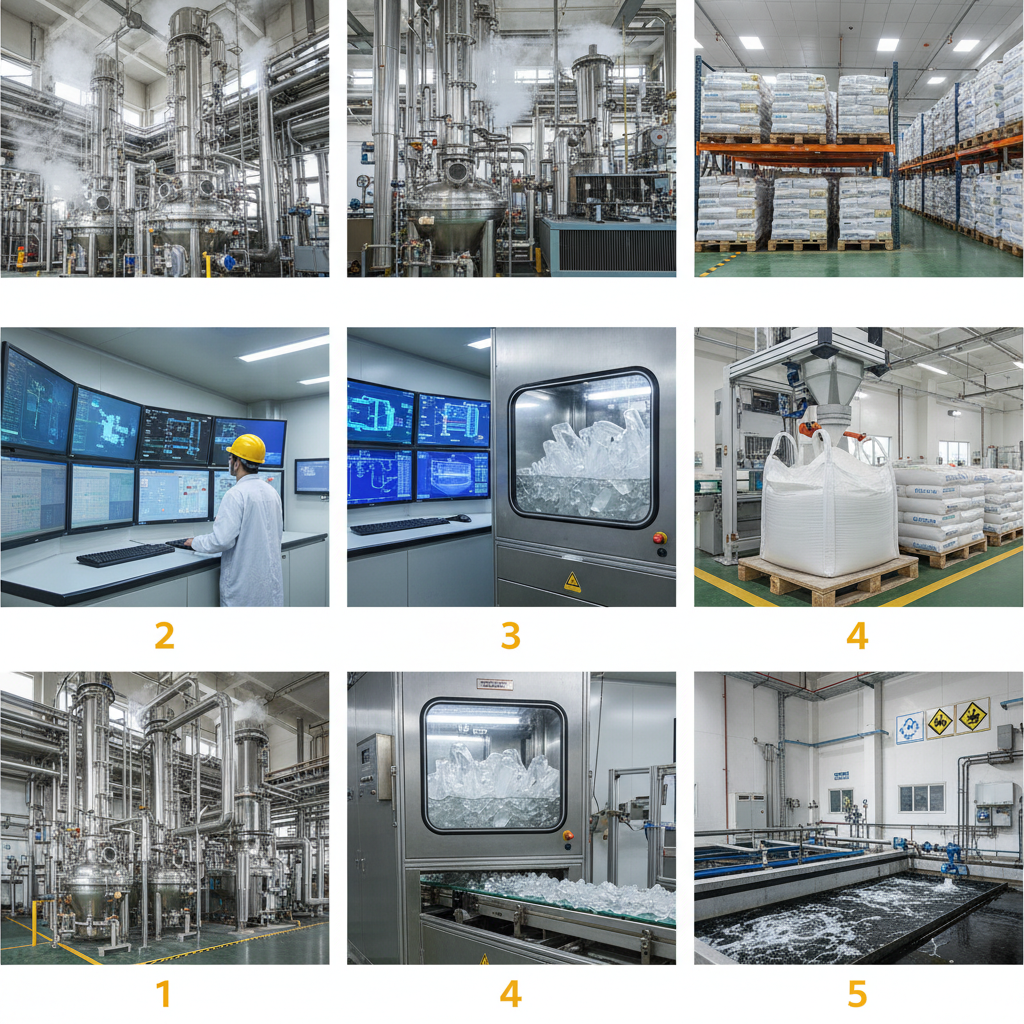
Despite its ubiquity, the industry faces challenges regarding purity standards and moisture control, as the decahydrate form is sensitive to temperature changes. By implementing advanced crystallization techniques and rigorous quality control, manufacturers can provide a product that meets international ISO standards, reducing waste and improving the performance of downstream applications. This guide explores the multifaceted utility of Sodium Sulfate Decahydrate and its strategic importance in modern chemistry.
Global Industrial Relevance of Sodium Sulfate Decahydrate
The global relevance of Sodium Sulfate Decahydrate is deeply rooted in its role as a fundamental auxiliary agent. In the detergent industry, it acts as a critical processing aid, preventing the caking of powder detergents and ensuring a free-flowing consistency that is vital for consumer convenience and automated dosing systems.
Furthermore, international trade data suggests a steady increase in demand across Southeast Asia and Latin America, where the expansion of the textile and paper industries requires large volumes of sulfate salts for dyeing and pulping processes. By providing a cost-effective way to manage ionic strength in chemical baths, it ensures the uniform penetration of dyes into fabrics, thereby reducing material waste.
Chemical Definition and Industrial Meaning
In simple chemical terms, Sodium Sulfate Decahydrate is the crystalline form of sodium sulfate that contains ten molecules of water of crystallization for every molecule of the salt. This specific hydration state gives the compound its characteristic appearance and influences its solubility and melting point, which are critical parameters for industrial chemists when designing formulations.
Beyond the molecular formula, its "industrial meaning" refers to its function as a buffering agent and a stabilizer. In the context of modern industry, it is more than just a chemical compound; it is a tool for quality control. For instance, in the manufacturing of synthetic detergents, it ensures that the active surfactants are evenly distributed throughout the powder, preventing the formation of lumps during storage.
From a humanitarian and environmental perspective, the use of highly purified Sodium Sulfate Decahydrate reduces the risk of contaminating water systems with heavy metals often found in lower-grade mineral salts. This commitment to purity aligns with global efforts to move toward "Green Chemistry," where the focus is on minimizing toxicity and maximizing the efficiency of industrial reagents.
Core Components of Material Performance
One of the primary factors influencing the performance of Sodium Sulfate Decahydrate is its Hygroscopic Stability. The ability of the crystals to maintain their structure under various humidity levels determines how the product is stored and transported across different climatic zones, ensuring that the chemical potency remains intact from the factory to the end-user.
Another critical aspect is Solubility Efficiency. Because Sodium Sulfate Decahydrate dissolves readily in water, it allows for rapid homogenization in liquid-based chemical processes. This scalability is essential for large-scale industrial vats where time-to-dissolution directly impacts the total throughput of the production line.
Finally, Cost-to-Performance Ratio remains a driving factor. Compared to more complex synthetic stabilizers, Sodium Sulfate Decahydrate offers a highly reliable and affordable alternative. This economic efficiency allows manufacturers to maintain competitive pricing for consumer goods while still adhering to strict technical specifications.
Global Applications and Use Cases
In real-world contexts, Sodium Sulfate Decahydrate is widely applied across diverse geographical regions. In the industrial zones of China and India, it is used extensively in the production of glass, where it acts as a fining agent to remove air bubbles from the molten glass, resulting in a clearer, stronger final product.
In the European Union, the compound is frequently utilized in the pharmaceutical and cosmetic industries as a drying agent or a filler in tablet formulations. For example, in the creation of specialized skin creams, it helps maintain the consistency of the emulsion, ensuring that the active ingredients are delivered uniformly to the skin.
Performance Metrics of Sodium Sulfate Decahydrate Variants
Long-term Value and Strategic Advantages
The long-term value of incorporating Sodium Sulfate Decahydrate into production lines lies in its unmatched reliability. From a logical standpoint, its chemical neutrality prevents unwanted reactions with other active ingredients, which significantly reduces the risk of batch failure and enhances the safety profile of the final commercial product.
Emotionally and strategically, the trust associated with this compound comes from its predictability. Manufacturers can scale their operations knowing that Sodium Sulfate Decahydrate will perform consistently across different batches, providing a sense of security in the supply chain that allows for leaner inventory management and faster time-to-market for new product launches.
Future Trends and Green Innovations
Looking ahead, the trajectory of Sodium Sulfate Decahydrate is closely tied to the digital transformation of the chemical industry. The integration of AI-driven crystallization monitoring is allowing plants to produce crystals with highly specific size distributions, which further optimizes the dissolution rate and reduces the energy required for mixing.
Sustainability is also driving a shift toward "closed-loop" recovery systems. New policies in the EU and North America are encouraging the recovery of sodium sulfates from industrial wastewater, turning what was once a waste stream into a secondary source of Sodium Sulfate Decahydrate, thereby reducing the environmental footprint of mining activities.
Furthermore, the rise of biodegradable surfactants is creating a new niche for this compound. As brands move away from harsh phosphates, the role of sulfate salts as safe, non-eutrophying fillers is becoming more prominent, ensuring that the growth of the "green cleaning" market is supported by reliable inorganic chemistry.
Overcoming Challenges in Chemical Stability
Despite its benefits, the primary limitation of Sodium Sulfate Decahydrate is its tendency to lose water of crystallization when exposed to high heat or extremely low humidity, which can lead to the formation of anhydrous sodium sulfate. This transition can alter the volume and flow characteristics of the material, potentially disrupting automated filling machinery.
To overcome this, industry experts recommend the use of climate-controlled warehousing and moisture-barrier packaging. By utilizing advanced polymer-lined bags, manufacturers can ensure that the hydration state of the crystals remains stable during long-haul maritime shipping, preventing the product from becoming a hard mass.
Another innovative approach involves the use of anti-caking additives that do not interfere with the chemical purity of the Sodium Sulfate Decahydrate. By applying a microscopic layer of a food-grade lubricant to the crystals, the inter-particle friction is reduced, ensuring a consistent flow even in high-humidity tropical environments.
Analysis of Sodium Sulfate Decahydrate Stability and Performance Factors
| Stability Factor |
Impact Level (1-10) |
Risk Mitigation Strategy |
Industrial Outcome |
| Temperature Fluctuations |
9 |
Climate-controlled storage |
Maintained Hydration |
| Relative Humidity |
7 |
Moisture-proof packaging |
Prevention of Caking |
| Impurity Levels |
8 |
Multi-stage crystallization |
High Purity Grade |
| Crystal Size Distribution |
6 |
Precision milling/sieving |
Uniform Dissolution |
| Transport Vibration |
4 |
Reinforced palletization |
Reduced Powdering |
| Chemical Compatibility |
3 |
Inert container selection |
Chemical Stability |
FAQS
The decahydrate form is often preferred in specific manufacturing stages due to its crystal structure, which provides better flowability and acts as a more effective filler in powder formulations. While anhydrous is more concentrated, the decahydrate's properties help prevent the "clumping" effect in consumer-packaged detergents, ensuring a consistent user experience.
When stored in moisture-proof, airtight packaging and kept at temperatures below 32°C (approximately 90°F), Sodium Sulfate Decahydrate can remain stable for several years. However, in open-air or high-heat environments, it may begin to effloresce (lose water), which can occur within weeks if not properly managed.
Yes, compared to phosphate-based fillers, sodium sulfate is considered much more environmentally friendly as it does not contribute to eutrophication (the overgrowth of algae in water bodies). It is a naturally occurring mineral salt and is generally recognized as safe when handled according to standard industrial safety protocols.
Absolutely, but it must be the Pharmaceutical Grade (USP/BP). This grade undergoes rigorous purification to remove trace heavy metals and impurities. In pharma, it is used as a diluent or a stabilizing agent in various drug delivery systems to ensure dosage uniformity.
Buyers should request a Certificate of Analysis (CoA) and a Material Safety Data Sheet (MSDS) for every batch. Third-party inspections (such as SGS) are also recommended to verify the assay percentage and the absence of contaminants before the shipment leaves the port of origin.
The primary difference lies in the purity threshold. Industrial grade is typically suitable for glass and textile manufacturing where minor trace elements are acceptable. Technical grade is more refined and is used in chemical synthesis or detergent production where a higher level of consistency is required to avoid interfering with active surfactants.
Conclusion
In summary, Sodium Sulfate Decahydrate is far more than a simple industrial salt; it is a critical enabling agent that supports the efficiency, stability, and cost-effectiveness of various global industries. From ensuring the free-flow of household detergents to refining the clarity of architectural glass, its unique chemical properties provide indispensable value. By focusing on purity, stability, and innovative storage solutions, manufacturers can leverage this compound to drive higher product quality and operational reliability.
Looking forward, the transition toward sustainable chemistry and AI-optimized production will only enhance the utility of Sodium Sulfate Decahydrate. We encourage procurement professionals and chemical engineers to prioritize high-purity sources and closed-loop recovery systems to align their operations with global environmental goals. For high-quality chemical solutions and expert procurement advice, we invite you to explore our capabilities. Visit our website: www.zjsles.com