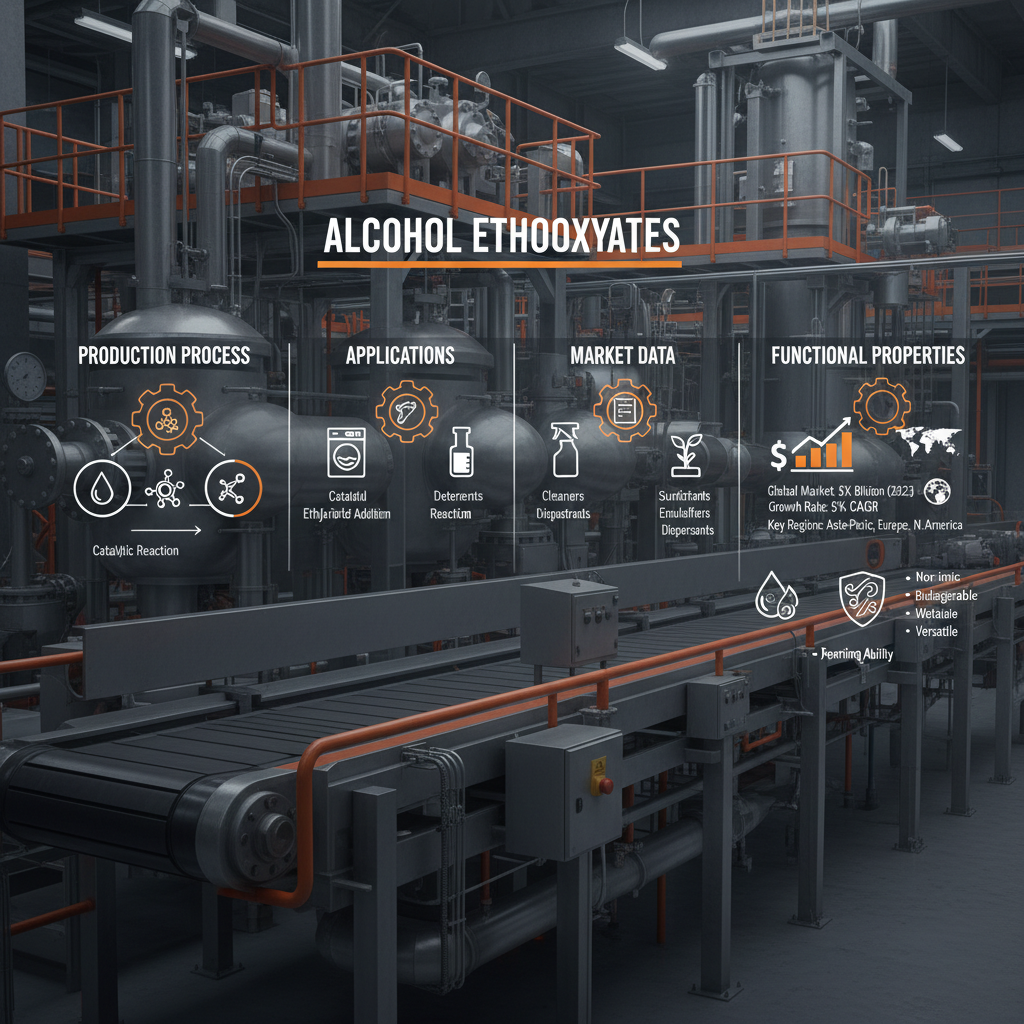
Alcohol Ethoxylates are a versatile class of nonionic surfactants widely used across numerous industries. These compounds are created through the addition of ethylene oxide to alcohols, resulting in molecules with both hydrophilic (water-loving) and lipophilic (oil-loving) properties. This dual nature makes them excellent emulsifiers, detergents, wetting agents, and dispersants. Understanding their characteristics and applications is crucial for formulating effective products in sectors ranging from household cleaning to industrial manufacturing.
The global demand for Alcohol Ethoxylates is consistently high, driven by the expanding consumer goods market and increasing industrial activity, especially in developing economies. According to industry reports, the global Alcohol Ethoxylates market is projected to reach significant growth in the coming years, fueled by the demand for sustainable and high-performing surfactants. Addressing challenges related to sourcing raw materials and optimizing production processes are vital for meeting this growing demand.
Alcohol Ethoxylates play a critical role in modern industry, contributing to improved product performance and efficiency across diverse applications. Their use extends to humanitarian needs, such as in the formulation of effective and readily available cleaning agents for public health initiatives. Their importance stems from their ability to lower surface tension, enhance solubility, and stabilize emulsions, ultimately enabling the creation of superior products.

Introduction to Alcohol Ethoxylates
Alcohol Ethoxylates represent a cornerstone in the formulation of countless everyday products, often acting as invisible agents ensuring effectiveness and stability. Their synthesis involves reacting fatty alcohols with ethylene oxide, tailoring the resulting surfactant’s properties by controlling the degree of ethoxylation. This control allows manufacturers to achieve specific performance characteristics.
The significance of understanding Alcohol Ethoxylates lies in their widespread use and the growing demand for environmentally responsible surfactant options. As consumer awareness increases, the focus shifts toward biodegradable and sustainable alternatives, driving innovation within the Alcohol Ethoxylates industry. Alcohol Ethoxylates are continuously being refined to meet these demands.
Global Relevance and Industry Context
The global surfactants market, heavily influenced by Alcohol Ethoxylates, is a multi-billion dollar industry with projected continued growth. The United Nations emphasizes the importance of sanitation and hygiene, driving demand for detergents and cleaning products that utilize these surfactants. Industrial applications in textiles, paints, and agricultural chemicals further contribute to their global relevance.
Emerging economies, particularly in Asia-Pacific, are experiencing rapid industrialization and urbanization, which translate into increased demand for surfactants like Alcohol Ethoxylates. This growth, however, presents challenges in terms of sustainable sourcing and responsible production practices. The World Bank's focus on sustainable development underscores the need for environmentally friendly surfactant solutions.
A significant challenge within the industry lies in addressing concerns regarding the environmental impact of traditional surfactants. While Alcohol Ethoxylates are generally considered biodegradable, ensuring complete degradation and minimizing ecotoxicity remains a crucial area of research and development. The pursuit of ‘greener’ ethoxylation processes is paramount to address these concerns.
Defining Alcohol Ethoxylates
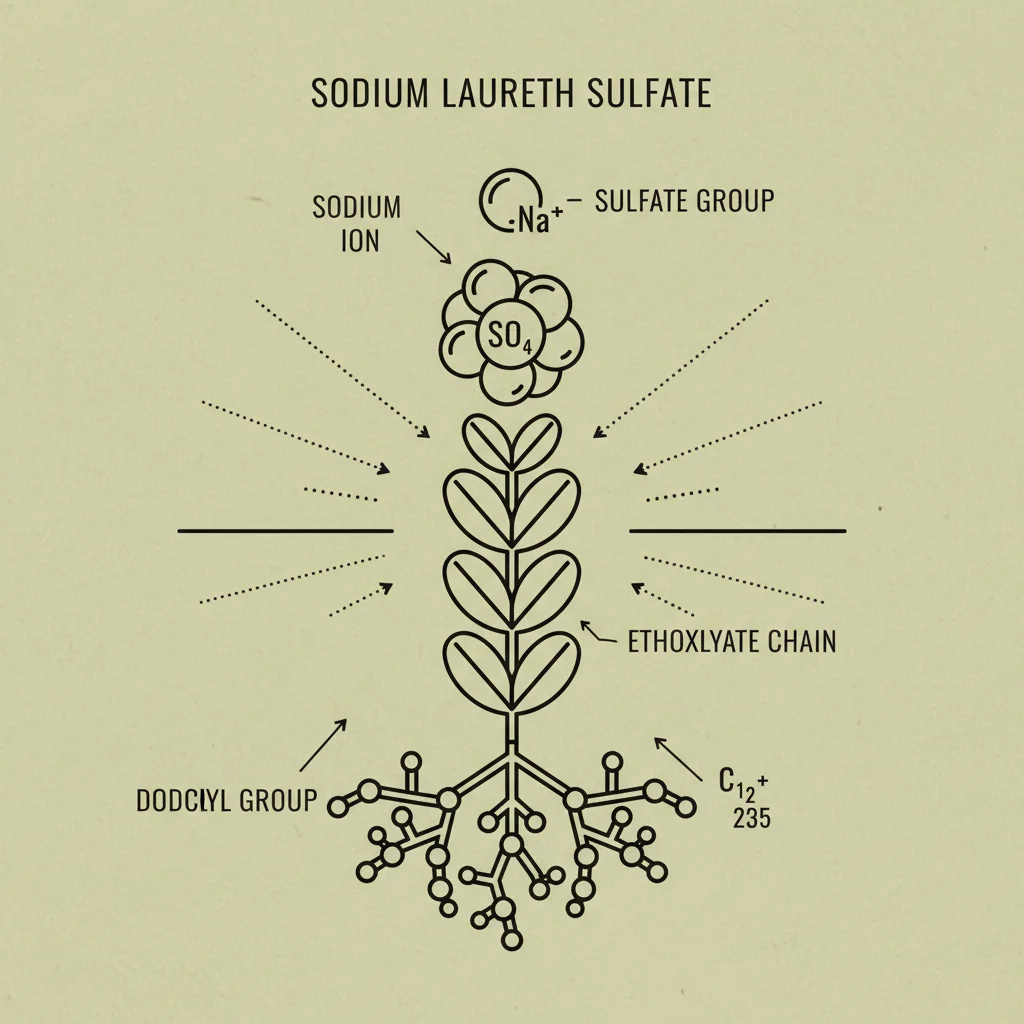
Alcohol Ethoxylates are nonionic surfactants created by reacting fatty alcohols – typically derived from natural oils or petrochemicals – with ethylene oxide. The resulting molecule comprises a hydrophobic tail (the alcohol chain) and a hydrophilic head (the ethoxylated chain). This amphiphilic structure allows them to bridge the gap between water and oil, making them effective at reducing surface tension and stabilizing mixtures.
Their connection to modern industry stems from their versatility and performance characteristics. Unlike ionic surfactants, Alcohol Ethoxylates are less sensitive to hard water and exhibit excellent detergency, wetting, and emulsification properties. This makes them indispensable in a vast array of applications, from household cleaners to industrial processes.
Alcohol Ethoxylates directly address the need for effective and versatile cleaning and processing agents in various sectors. Their ability to improve the performance of formulations and reduce the environmental impact compared to some other surfactants contributes to both economic benefits and improved sustainability. The ability to tailor their properties through varying the degree of ethoxylation is a core benefit.
Key Properties of Alcohol Ethoxylates
One crucial property of Alcohol Ethoxylates is their excellent detergency, meaning their ability to remove dirt and grime effectively. This is due to their ability to reduce surface tension and emulsify oils and fats. This makes them ideal for cleaning applications.
Another key property is their excellent wetting ability, allowing liquids to spread more easily across surfaces. This is especially important in applications such as textiles and paints, where uniform coverage is essential. Their effectiveness is readily demonstrated in diverse formulations.
Alcohol Ethoxylates Performance Comparison
Applications of Alcohol Ethoxylates
Alcohol Ethoxylates find widespread use in household cleaning products, including laundry detergents, dishwashing liquids, and all-purpose cleaners. Their excellent detergency and emulsifying properties ensure effective dirt removal and streak-free surfaces. They are key ingredients in formulating high-performing cleaning solutions.
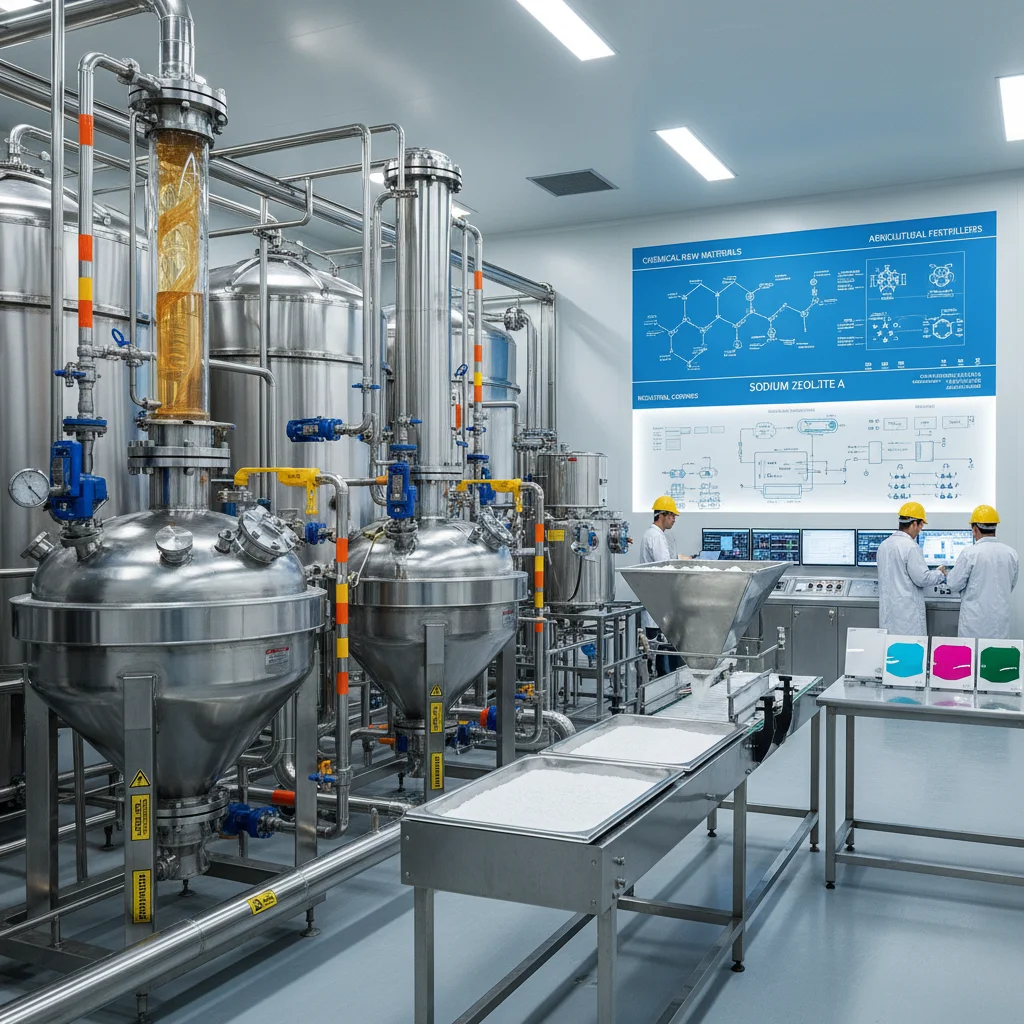
In industrial applications, Alcohol Ethoxylates are used in textile processing, paint and coatings, and agricultural formulations. They act as wetting agents, dispersants, and emulsifiers, improving product performance and process efficiency. Their versatility makes them essential in various manufacturing processes.
Advantages and Long-Term Value
The cost-effectiveness of Alcohol Ethoxylates is a significant advantage, particularly in large-scale industrial applications. They offer a balance between performance and price, making them a commercially viable choice for many manufacturers. Furthermore, their biodegradability contributes to their long-term sustainability profile.
Their environmental benefits, stemming from their relative biodegradability compared to some alternative surfactants, add significant long-term value. The move toward 'greener' formulations and regulatory pressures are driving increased demand for environmentally responsible surfactants like Alcohol Ethoxylates. Alcohol Ethoxylates provide a pathway towards more sustainable product offerings.
From a social impact perspective, the use of Alcohol Ethoxylates in cleaning and sanitation products contributes to improved public health and hygiene standards. Their effectiveness in removing harmful contaminants and reducing disease transmission is a crucial benefit, particularly in developing countries.
Future Trends and Innovation
Ongoing research focuses on developing Alcohol Ethoxylates derived from renewable feedstocks, such as plant-based alcohols. This shift towards bio-based materials aims to further reduce the environmental footprint and enhance the sustainability of these surfactants. Green chemistry principles are at the forefront of these innovations.
Digital transformation in manufacturing is enabling more precise control over the ethoxylation process, leading to the development of tailored surfactants with optimized properties. Automation and process monitoring contribute to improved efficiency and product quality. The integration of advanced analytics is also playing a role.
The demand for specialized Alcohol Ethoxylates with enhanced performance characteristics, such as low-foaming and high-temperature stability, is driving innovation. These advancements cater to specific industrial applications and enable more efficient processes.
FAQS
While generally considered biodegradable, the complete breakdown of Alcohol Ethoxylates can vary depending on environmental conditions. Concerns often focus on the potential for incomplete degradation and the formation of persistent metabolites. Ongoing research addresses these concerns by developing more readily biodegradable formulations and optimizing wastewater treatment processes.
The degree of ethoxylation – the number of ethylene oxide units added to the alcohol – significantly influences the surfactant’s properties. Higher ethoxylation levels increase water solubility and reduce oil solubility, resulting in a more hydrophilic surfactant. Conversely, lower ethoxylation levels enhance oil solubility and create a more lipophilic surfactant.
Alcohol Ethoxylates are widely used in personal care products within regulated concentration limits. Regulatory bodies, such as the FDA and the European Commission, assess the safety of these ingredients based on extensive toxicological data. However, some individuals may experience skin sensitivity, so formulations are often tested for hypoallergenic properties.
Narrow-range Alcohol Ethoxylates have a more uniform distribution of ethylene oxide units, leading to consistent and predictable properties. Broad-range Alcohol Ethoxylates exhibit a wider distribution of ethoxylation levels, resulting in a less defined property profile but potentially lower cost. The choice depends on the specific application requirements.
Sustainable production of Alcohol Ethoxylates involves using renewable feedstocks like plant-based alcohols, optimizing the ethoxylation process to minimize energy consumption and waste generation, and implementing efficient wastewater treatment systems. Additionally, sourcing materials from responsibly managed forests is crucial for sustainability.
Alternatives include alkyl polyglucosides (APGs) and fatty acid methyl ester ethoxylates (FAME ethoxylates). While APGs are derived from renewable resources, they can be more expensive. FAME ethoxylates offer similar performance but may have lower biodegradability. The optimal choice depends on specific formulation needs and sustainability goals.
Conclusion
In conclusion, Alcohol Ethoxylates remain vital components across diverse industries due to their versatility, performance, and cost-effectiveness. Their unique properties, stemming from the combination of hydrophilic and lipophilic characteristics, enable numerous applications, from household cleaning to complex industrial processes. Continued innovation focusing on sustainability and improved performance will ensure their continued relevance.
Looking ahead, the future of Alcohol Ethoxylates lies in adopting renewable feedstocks, optimizing production processes, and tailoring formulations to meet evolving market demands. Investing in research and development, coupled with responsible manufacturing practices, will solidify their position as a cornerstone of the surfactant industry. Visit our website at www.zjsles.com to learn more.