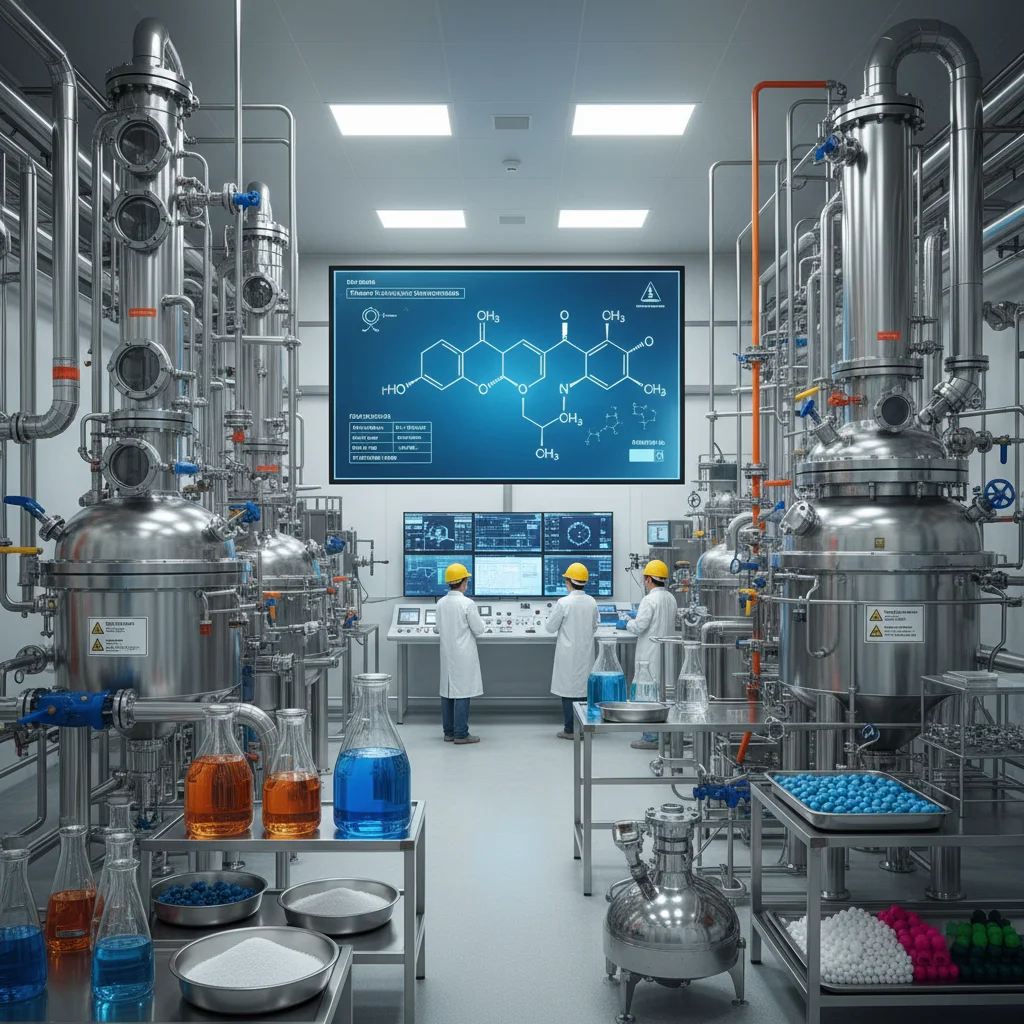
Foam stabilizer plays a crucial, often unseen, role in a vast array of modern industries. From construction and packaging to furniture and automotive manufacturing, the stability and performance of foam products directly impacts quality, safety, and cost-effectiveness. Understanding the science behind foam stabilization – its mechanisms, types, and advancements – is becoming increasingly important in a world demanding more sustainable and high-performing materials. This knowledge empowers innovation and allows for the creation of products that meet ever-evolving consumer and industrial needs.
Globally, the demand for foam products is projected to continue its upward trajectory, driven by factors such as population growth, rising living standards, and increasing infrastructure development. This increased demand necessitates a sophisticated understanding of foam stabilizer technologies to optimize production processes, minimize environmental impact, and ensure product longevity. The ability to consistently produce stable, durable foams is paramount to maintaining competitiveness in the global market.
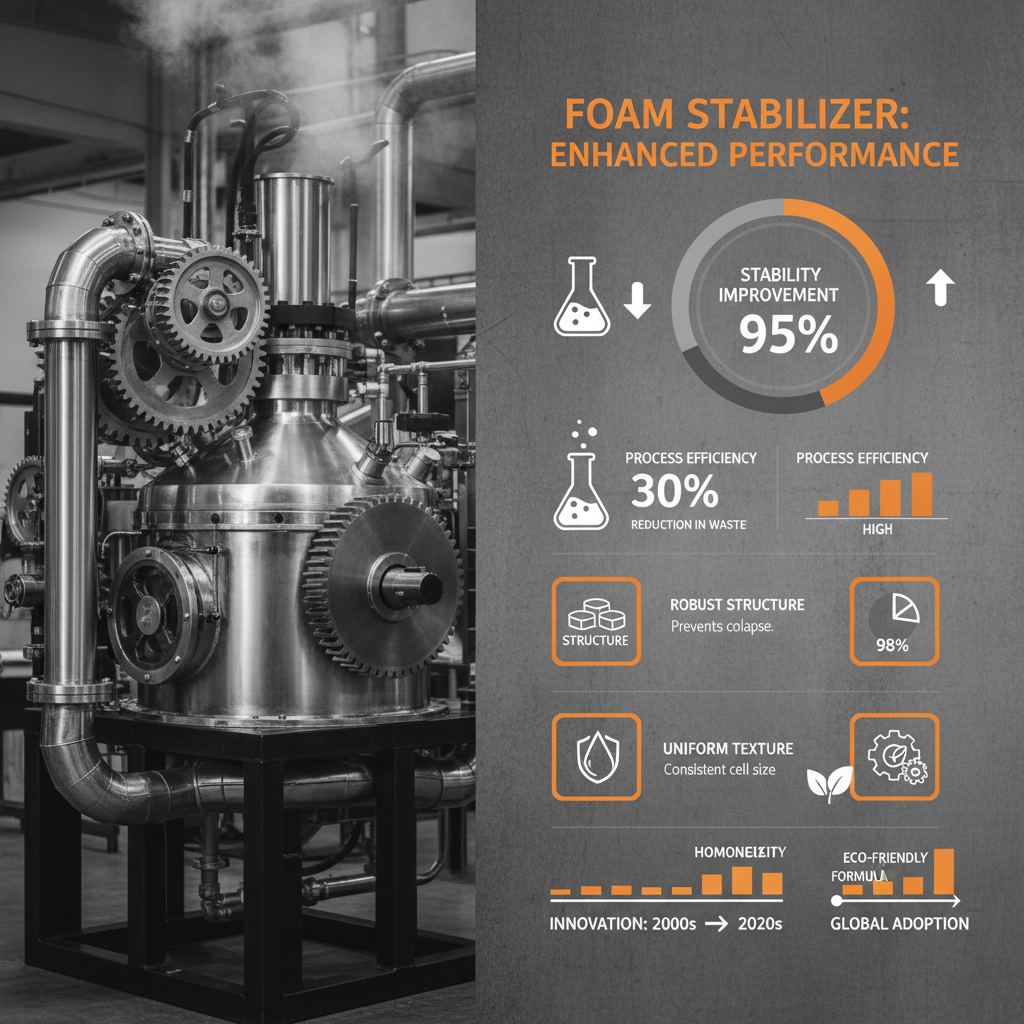
The critical importance of foam stabilizer lies in its ability to address fundamental challenges within foam production. Without proper stabilization, foams can collapse, exhibit uneven cell structure, or degrade prematurely, leading to product failure and significant economic losses. Therefore, a thorough grasp of foam stabilization principles is essential for manufacturers, researchers, and engineers involved in the foam industry.
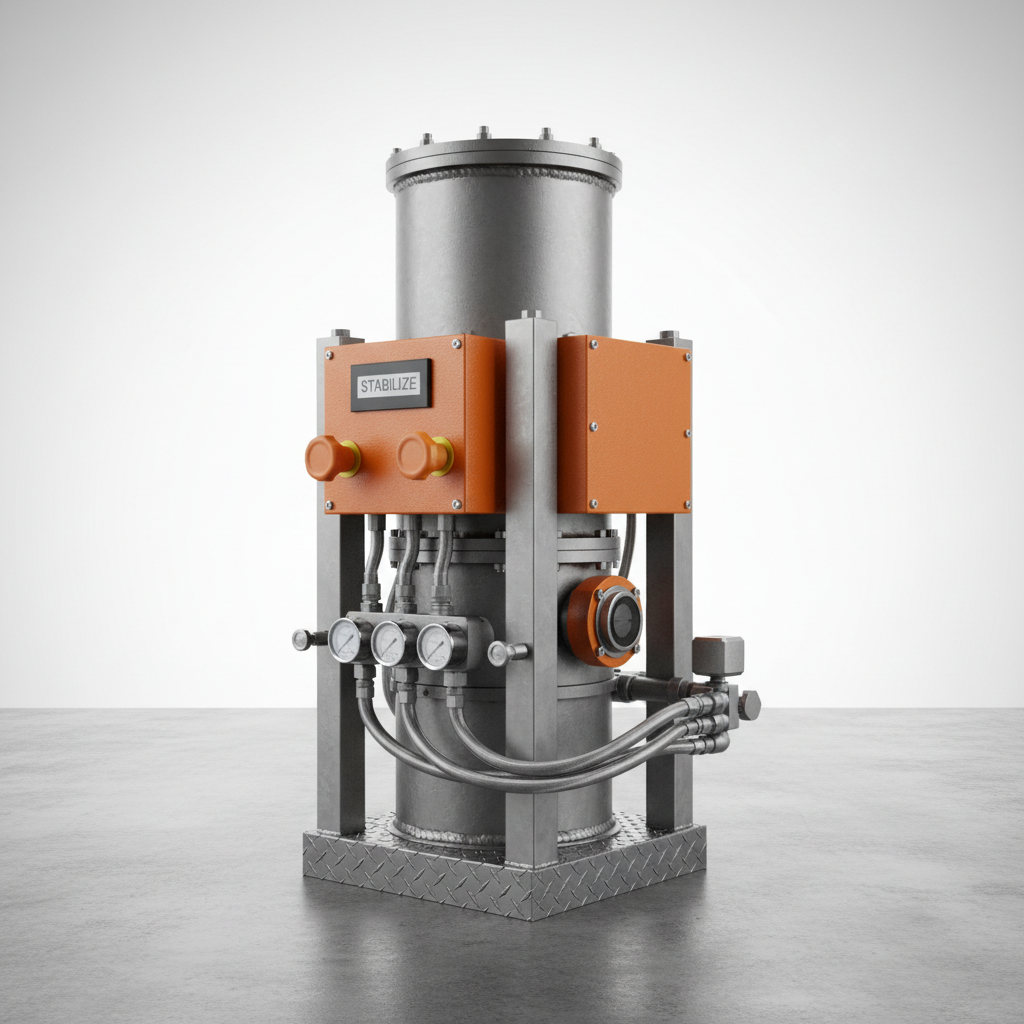
The Core Principles of Foam Stabilizer
At its core, foam stabilization involves preventing the collapse of gas bubbles within a liquid matrix. This is achieved through a combination of surface tension reduction, viscosity enhancement, and the formation of a robust interfacial film. Foam stabilizer additives work by increasing the surface viscosity of the liquid surrounding the bubbles, resisting their coalescence and drainage. Different types of stabilizers employ varying mechanisms, depending on the foam's composition and intended application.
The effectiveness of a foam stabilizer is heavily dependent on its compatibility with the foaming agent and the surrounding environment. Factors such as temperature, pH, and the presence of other chemicals can significantly influence its performance. Selecting the right stabilizer requires a thorough understanding of the foam system's characteristics and the specific challenges it presents.
Defining Foam Stabilizer and Its Relevance
A foam stabilizer is a substance added to a foam system to inhibit liquid drainage, bubble coalescence, and ultimately, foam collapse. It’s not simply about preventing bubbles from popping; it's about controlling the foam's structure, density, and longevity. These additives can range from simple surfactants and polymers to more complex blends specifically engineered for particular foam types and applications.
The relevance of foam stabilizer extends far beyond merely creating bubbly textures. In industries like construction, stable foam is crucial for insulation materials, offering energy efficiency and reducing carbon footprints. In fire fighting, robust foams are essential for extinguishing flammable liquid fires. In the medical field, foam stabilization is vital for drug delivery systems and biocompatible scaffolds.
Understanding that the performance of a foam stabilizer is not a one-size-fits-all scenario is vital. It requires careful consideration of the specific foam formulation, intended application, and environmental factors to achieve optimal results.
Key Factors Influencing Foam Stabilization
Several factors play a critical role in the effectiveness of foam stabilization. Surface activity, the ability of a substance to reduce surface tension, is paramount. Higher surface activity generally leads to more stable foams, as it lowers the energy required to create and maintain the bubble interface.
Viscosity is another key factor. Increased viscosity slows down liquid drainage from the foam structure, preventing bubble collapse. However, excessively high viscosity can hinder foam formation and potentially impact the desired foam properties. Striking the right balance is crucial for optimal stabilization.
Interfacial film elasticity also contributes to foam stability. A strong, elastic film around the bubbles resists deformation and coalescence. Polymers and certain surfactants are often used to enhance this film’s elasticity, providing long-lasting stabilization. Compatibility of the stabilizer with other foam components, like surfactants and blowing agents, cannot be overstated.
Global Applications of Foam Stabilizer Technologies
The applications of foam stabilizer are remarkably diverse. In the construction industry, it's essential for producing lightweight concrete and insulation foams, reducing building weight and improving thermal efficiency. The packaging industry relies on stabilized foams for protecting fragile goods during transit, minimizing damage and waste.
In the automotive sector, foam stabilizers are used in the production of seat cushions, dashboards, and soundproofing materials, enhancing comfort and safety. The cosmetics and personal care industries utilize stabilized foams in products like shaving creams, shampoos, and lotions, delivering desired textures and application properties. Moreover, in post-disaster relief operations, quickly deployable foam-based shelters are becoming increasingly common.
Foam Stabilizer Effectiveness by Method
Advantages and Long-Term Value Proposition
Employing effective foam stabilizer technologies translates directly into cost savings. Reduced material waste, improved production efficiency, and enhanced product durability all contribute to a stronger bottom line. Furthermore, utilizing stabilizers that are environmentally benign supports sustainable practices and reduces a company’s environmental impact.
Beyond the economic benefits, there's the inherent value of product reliability and customer satisfaction. Stable, high-quality foams lead to longer-lasting products, reduced warranty claims, and a stronger brand reputation. Consumers increasingly prioritize products that offer both performance and sustainability, making foam stabilization an essential aspect of product development.
Future Trends in Foam Stabilizer Development
The future of foam stabilization is leaning towards bio-based and renewable stabilizers, driven by increasing environmental concerns. Researchers are actively exploring alternatives to traditional petroleum-based additives, utilizing materials derived from plants and other sustainable sources. The integration of nanotechnology is also showing promise, with nanoparticles enhancing foam stability and introducing new functionalities.
Smart stabilizers, capable of responding to changes in environmental conditions, are another emerging trend. These stabilizers can adjust their performance based on temperature, pH, or other factors, providing optimal foam stability in dynamic environments. Digitalization and AI-powered formulation optimization are also streamlining the development process, leading to faster innovation and more tailored solutions.
Challenges and Innovative Solutions in Foam Stabilization
A persistent challenge in foam stabilization is achieving long-term stability in harsh environments, such as those involving extreme temperatures or exposure to aggressive chemicals. Traditional stabilizers often degrade under these conditions, leading to foam collapse. Another challenge is ensuring compatibility between the stabilizer and the foaming agent, particularly in complex formulations.
Innovative solutions include the development of cross-linking stabilizers that create a more robust interfacial film, as well as encapsulation techniques that protect the stabilizer from degradation. The use of synergistic blends, combining multiple stabilizers with complementary properties, is also proving effective in overcoming these challenges.
Furthermore, the use of advanced analytical techniques, like surface rheology and microscopy, is allowing researchers to gain a deeper understanding of foam structure and stability, paving the way for more targeted and effective stabilization strategies.
Summary of Foam Stabilizer Solutions
| Challenge |
Stabilizer Type |
Mechanism of Action |
Application Area |
| Low Temperature Stability |
Polymeric Stabilizers |
Increased interfacial film elasticity |
Refrigeration Foam |
| Chemical Degradation |
Encapsulated Stabilizers |
Protects stabilizer from harsh chemicals |
Industrial Cleaning Foams |
| Foam Collapse in High Shear |
Silicone-Based Stabilizers |
Reduced surface tension & increased viscosity |
Agrochemical Foams |
| Compatibility Issues |
Synergistic Blends |
Combining stabilizers with complementary properties |
Complex Foam Formulations |
| Environmental Concerns |
Bio-Based Stabilizers |
Sustainable and renewable materials |
Eco-Friendly Packaging |
| Dynamic Environment |
Smart Stabilizers |
Responds to environmental changes |
Marine Foams |
FAQS
While a foaming agent creates the bubbles in a foam, a foam stabilizer prevents those bubbles from collapsing. Foaming agents lower surface tension to allow bubble formation, whereas stabilizers increase surface viscosity and create a protective barrier around the bubbles, prolonging their lifespan. They work synergistically but serve distinctly different functions in the foam production process.
Temperature can significantly impact foam stabilizer performance. Higher temperatures generally reduce viscosity and surface tension, potentially leading to faster bubble coalescence and foam collapse. Conversely, lower temperatures can increase viscosity, but may also hinder the stabilizer's ability to migrate to the bubble interface. Selecting a stabilizer appropriate for the operating temperature range is crucial.
Several bio-based alternatives are emerging, including stabilizers derived from plant oils, proteins, and polysaccharides. These materials offer reduced environmental impact and are often biodegradable. While their performance may not always match traditional stabilizers, ongoing research is continually improving their effectiveness and broadening their applications.
Determining the optimal concentration typically involves a series of experiments. Start with the manufacturer's recommended dosage range and systematically vary the concentration while monitoring foam stability, density, and other key properties. Factors such as the foaming agent, liquid matrix, and desired foam characteristics will all influence the ideal concentration.
Yes, in fact, foam stabilizers are often used in combination with other additives, such as surfactants and viscosity modifiers, to achieve synergistic effects. Surfactants can enhance foam formation and reduce surface tension, while stabilizers prevent collapse. Careful formulation is key to ensuring compatibility and maximizing performance.
pH can significantly impact the ionization and effectiveness of many foam stabilizers, particularly those that are ionic. Optimal pH ranges depend on the specific stabilizer used. Maintaining the correct pH is critical for ensuring the stabilizer functions as intended. Deviations from the optimal pH can lead to reduced foam stability or even destabilization.
Conclusion
In summary, foam stabilizer technology is a multifaceted field with critical implications across numerous industries. From ensuring the efficacy of insulation materials to enhancing the safety of fire-fighting foams, these additives play an indispensable role in modern manufacturing and everyday life. Understanding the core principles, key factors, and emerging trends in foam stabilization is paramount for innovation and sustainable development.
Looking ahead, continued research and development in bio-based stabilizers, smart stabilizers, and advanced formulation techniques will undoubtedly drive further advancements in foam technology. Embracing these innovations will not only lead to more efficient and cost-effective processes but also contribute to a more sustainable and environmentally responsible future. For more information and solutions, visit our website: www.zjsles.com