Sea Salt: A Comprehensive Guide to Nature's Purest Mineral
When we think of essential kitchen staples, few are as versatile and timeless as Sea Salt. Unlike processed table salts, this natural mineral is harvested directly from the ocean, preserving a wealth of trace elements that enhance both flavor and wellness. Whether you are a professional chef seeking the perfect finishing touch or a health-conscious consumer looking for a cleaner alternative to refined sodium, understanding the nuances of marine salts is key. In this guide, we will explore the production, benefits, and diverse applications of this ocean-born treasure, helping you make an informed choice for your culinary and industrial needs.

The Natural Harvesting Process of Sea Salt
The journey of Sea Salt begins with the vast expanse of the ocean. The most traditional method of production is solar evaporation. Seawater is channeled into shallow ponds where the sun and wind naturally evaporate the water, leaving behind concentrated salt crystals. This slow, rhythmic process ensures that the natural minerals—such as magnesium, potassium, and calcium—remain intact. Unlike vacuum-evaporated salt, which is stripped of its character through intense heat and chemical refining, solar salt retains a complex mineral profile and a unique texture that varies depending on the region of harvest.
Pro Tip: The purity of the harvest depends heavily on the environmental conditions of the salt pans. Premium sources prioritize areas with low pollution and high sunlight to ensure a crisp, clean taste.
Comparing Sea Salt Varieties and Their Uses
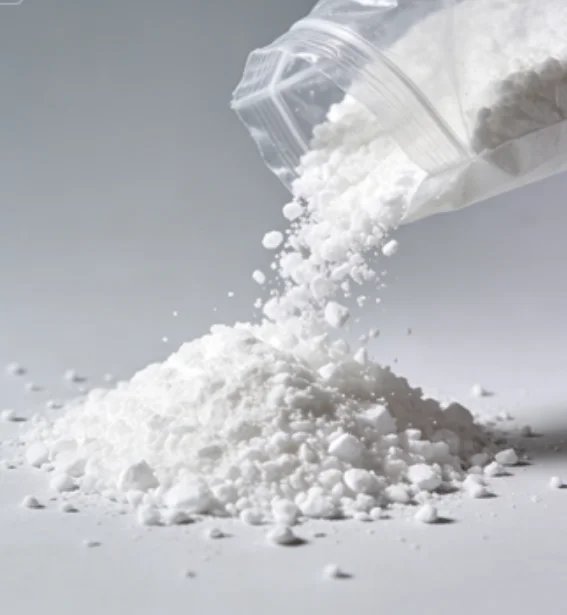
Not all marine salts are created equal. Depending on the grain size and mineral content, Sea Salt is categorized into several types. Fine-grain salts are ideal for baking and seasoning where quick dissolution is required. Conversely, coarse flakes are prized as "finishing salts" to add a satisfying crunch and a burst of flavor to a completed dish. Below is a comparison to help you choose the right variety for your specific application.
Health Benefits of Natural Sea Salt
Many people mistake all sodium as harmful, but Sea Salt provides essential minerals that the body needs to function optimally. Magnesium found in sea salt helps with muscle relaxation and nerve function, while potassium balances fluid levels in the cells. Furthermore, because it is less processed, it often lacks the artificial anti-caking agents (like sodium ferrocyanide) found in table salt. This makes it a preferred choice for those pursuing a whole-food diet. When used in moderation, these trace minerals contribute to better electrolyte balance and hydration.
Mineral Advantages:
• Magnesium: Supports cardiovascular health
• Calcium: Essential for bone strength
• Potassium: Regulates blood pressure
• Trace Elements: Enhances metabolic processes
Industrial Applications of Sea Salt Beyond the Kitchen
While we primarily associate Sea Salt with food, its utility extends far into industrial sectors. In the textile industry, it is used in dyeing processes to help colors bind to fabrics. In the chemical industry, it serves as a raw material for producing chlorine and caustic soda. Additionally, its natural antibacterial properties make it a key ingredient in high-end skincare products, such as exfoliating scrubs and therapeutic bath salts. The purity and consistency of the salt are critical in these applications to ensure product stability and effectiveness.

Technical Specifications for Bulk Sea Salt
For B2B buyers and industrial importers, understanding the technical grade of Sea Salt is paramount. The quality is measured by the NaCl (Sodium Chloride) percentage and the moisture content. High-purity salt is required for chemical synthesis, whereas food-grade salt must adhere to strict hygiene and contamination standards. Below are the typical specifications for premium industrial-grade sea salt.
Sustainability in Sea Salt Production
As global demand for natural minerals grows, the sustainability of Sea Salt production has become a priority. Modern producers are implementing eco-friendly practices to protect coastal ecosystems. By utilizing renewable solar energy for evaporation and minimizing the use of heavy machinery, the carbon footprint of salt harvesting is significantly reduced. Furthermore, managing the brine discharge ensures that the salinity of surrounding waters remains balanced, protecting local marine biodiversity. Choosing suppliers who prioritize these ecological standards ensures that the beauty of the oceans is preserved for future generations.
Conclusion: The Timeless Value of Sea Salt
From the simple act of seasoning a steak to the complex requirements of industrial chemistry, Sea Salt remains an indispensable resource. Its blend of purity, mineral richness, and versatility makes it superior to refined alternatives. By choosing naturally harvested salts, you are not only investing in better taste and health but also supporting sustainable production methods that honor the ocean. Whether for your kitchen or your factory, quality sea salt is a fundamental building block of excellence.
Frequently Asked Questions (FAQs)
Is sea salt healthier than table salt?
Generally, yes. Sea Salt is processed much less than table salt, meaning it retains essential minerals like magnesium, potassium, and calcium. Table salt is often refined to remove these "impurities" and then treated with anti-caking agents. While both contain sodium chloride, the trace minerals in sea salt can provide a more holistic nutritional profile. However, it is important to remember that sodium is still sodium; moderation is key for heart health regardless of the salt source.
Does sea salt contain microplastics?
Because sea salt is harvested from the ocean, there is a potential risk of microplastic contamination. However, premium suppliers utilize advanced filtration and purification processes to minimize these risks. When purchasing in bulk or for consumption, it is crucial to source from reputable manufacturers who provide clear quality control certifications and harvest from clean, monitored waters. Always check for purity standards to ensure the product is safe and free from environmental pollutants.
How should I store sea salt to prevent clumping?
Sea salt is naturally hygroscopic, meaning it attracts moisture from the air, which can lead to clumping. To keep your Sea Salt free-flowing, store it in an airtight container in a cool, dry place. For industrial quantities, climate-controlled warehousing is essential. If you find your salt has clumped, it does not affect the quality; you can simply break the clumps apart or use a grinder to return it to a consistent texture.
Can sea salt be used for skincare?
Absolutely. The mineral content of sea salt makes it excellent for skin health. It acts as a natural exfoliant, removing dead skin cells and promoting circulation. Additionally, the magnesium in sea salt can help soothe inflamed skin and reduce muscle tension when used in baths. Many luxury skincare brands use high-purity sea salt as a base for detoxifying scrubs and therapeutic soaks because of its ability to draw out impurities and remineralize the skin.