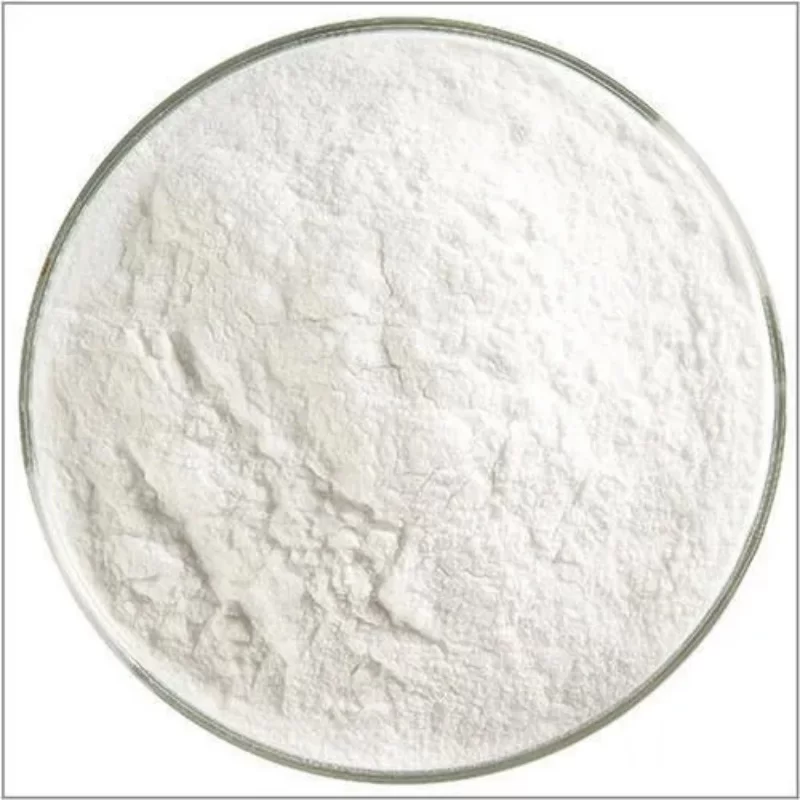
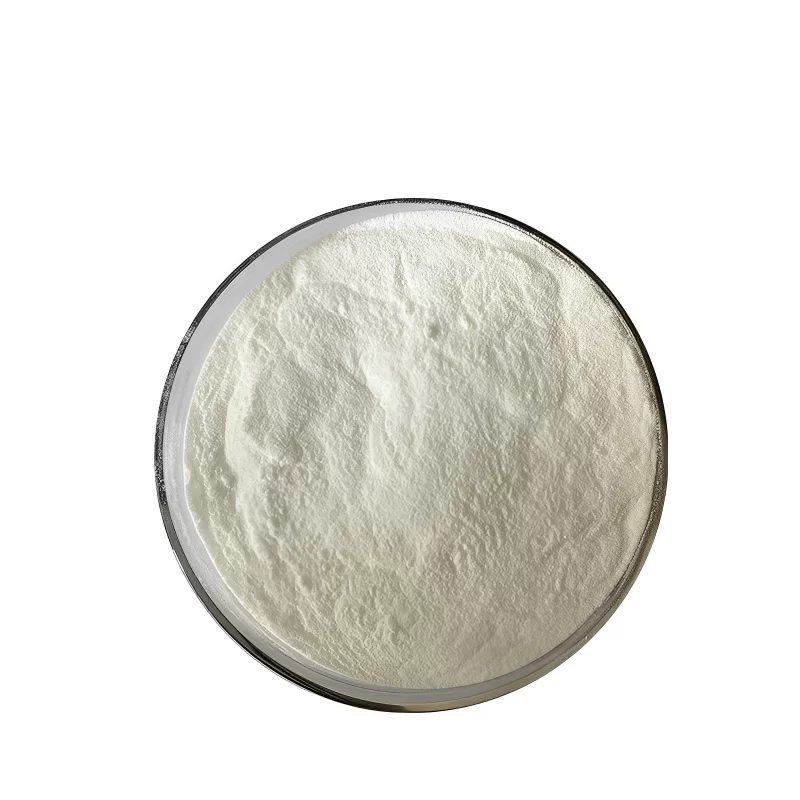
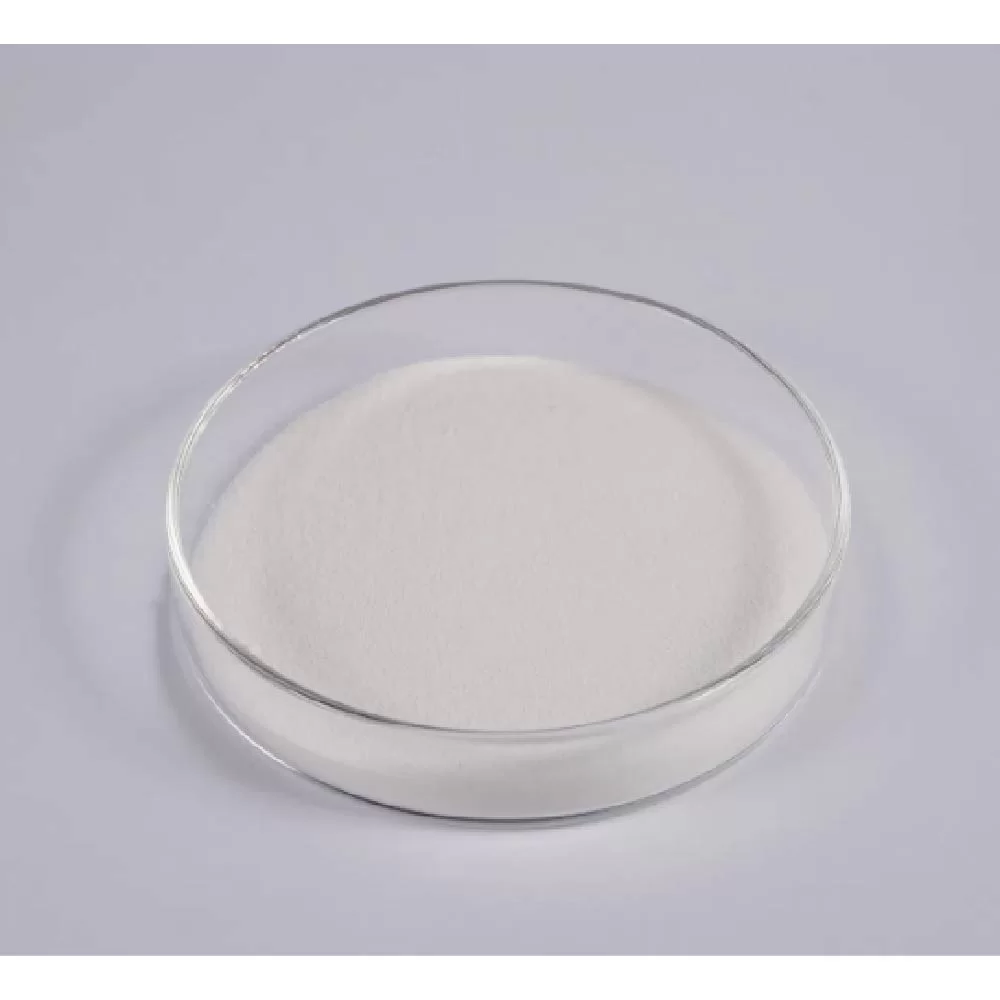
Description
Protease/Lipase Enzyme System: The Targeted Catalytic Cleaners for Organic Stain Removal
Enzyme System Overview
The Protease/Lipase enzyme system represents a highly specialized and powerful biocatalytic approach to cleaning, specifically engineered to break down the most common and stubborn organic stains. Protease enzymes target protein-based soils, while Lipase enzymes target fat and grease stains. When combined in detergent formulations, they create a synergistic cleaning system that operates effectively at low temperatures, offering a sustainable, energy-efficient, and fabric-friendly alternative to harsh chemical bleaches and aggressive alkaline cleaners.
Core Mechanism: Catalytic Biodegradation of Stains
These enzymes function as natural biocatalysts, dramatically accelerating the breakdown of large, insoluble stain molecules into smaller, water-soluble fragments that can be easily rinsed away.
Protease Mechanism: Protease enzymes cleave the peptide bonds within protein chains. This action dismantles complex proteins found in stains like blood, egg, grass, and sweat, effectively dissolving them.
Lipase Mechanism: Lipase enzymes hydrolyze the ester bonds in triglycerides (fats and oils). This process breaks down greasy stains from cooking oils, butter, lipstick, and sebum into free fatty acids and glycerol, which are readily dispersible in water.
This targeted catalytic action occurs under mild pH and temperature conditions, preserving fabric integrity and colors.
Primary Applications in Laundry and Dish Care
This enzyme system is a cornerstone of modern laundry and automatic dishwashing detergents.
Laundry Detergents: It is essential for removing a wide spectrum of common household stains. Protease handles proteinaceous stains, while Lipase tackles collar grime and food grease. Their efficacy in cold water is particularly valuable for energy-saving washing cycles and for delicate fabrics that cannot withstand high temperatures.
Automatic Dishwashing (ADW): Lipase is critical for cutting through greasy food films on plates and utensils, preventing spot formation. Protease aids in removing dried-on food residues containing proteins.
Key Technical Advantages and Benefits
The inclusion of Protease/Lipase offers significant formulation and consumer benefits:
Cold Water Efficiency: They enable powerful cleaning performance at low temperatures (20-40°C), reducing energy consumption.
Stain-Specific Action: Provides targeted removal of specific, difficult stains that surfactants alone cannot fully eliminate.
Fabric and Color Safety: As biological catalysts, they clean without the damaging oxidative effects of chlorine bleach, helping to maintain fabric strength and vibrancy.
Environmental Sustainability: Enzymes are fully biodegradable and produced through fermentation, reducing the reliance on petrochemical-based ingredients and high wash temperatures.
Synergistic Formulations: They work additively or synergistically with other detergent components like surfactants, builders, and other enzymes (e.g., Amylase for starch stains).
Compatibility and Formulation Guidelines
To maintain enzyme stability and activity in a detergent matrix, careful formulation is required:
pH Range: Most commercial detergent proteases and lipases are optimized for alkaline conditions (pH 8-10.5).
Compatibility with Bleach: Traditional chlorine bleach can denature enzymes. Formulations often use stabilized or coated enzyme prills and switch to oxygen bleaches (like sodium percarbonate) for compatibility.
Stabilizers: Ingredients like polyols (e.g., propylene glycol) and boric acid are often used to stabilize enzymes in liquid detergents.
Conclusion
The Protease/Lipase enzyme system is a paradigm of green chemistry in the cleaning industry. By leveraging highly specific biological catalysis, it delivers superior cleaning performance on organic stains while simultaneously promoting energy conservation, fabric care, and environmental responsibility. Its role is fundamental in the creation of high-efficiency, low-temperature, and sustainable cleaning products for global consumers.
next :
MIT:Methylisothiazolinone
back :
PVP:Polyvinylpyrrolidone
Get a Quick Quote Now
Tell us what you need — we’ll provide the best price and solution fast.
contact us





Start Your Order
Submit your inquiry form to get a customized quotation.
Your Email Address...
submit