Sodium Sulfate Anhydrous buyers can compare purity, moisture, insoluble matter, particle form, packaging and application fit before selecting an industrial-grade supply.

Application fit: confirm that industrial-grade powder is suitable for the intended detergent, glass, textile, paper, cement, metallurgy, leather or oil-drilling-fluid process.
Quality and handling requirements: compare the listed ≥99% purity, ≤0.2% moisture, ≤0.05% water-insoluble matter, powder form, easy water solubility and 25 kg woven-bag packaging with plant requirements.
Sodium Sulfate Anhydrous is used across detergent, glass, textile, paper, cement, metallurgy and leather processing. The right purchase decision starts with the production step: identify how the material will be added, which impurities matter, how quickly it must dissolve, and whether the shipment format fits your handling system.
For a single industrial-grade option, High Purity Sodium Sulfate Anhydrous is supplied as a powder with purity of at least 99%. Its listed parameters include moisture of no more than 0.2% and water-insoluble matter of no more than 0.05%.
Start with the application
Detergent production typically requires a material that can disperse through a dry formulation and act as a filler. Glass manufacturing uses sodium sulfate as a melting agent, while textile processing uses it as a dye fixer. The same product is also listed for paper, cement, metallurgy, leather and oil-drilling-fluid applications.
Choose this product when your process needs industrial-grade Sodium Sulfate Anhydrous for one of these manufacturing uses and the listed powder form fits your feeding and mixing equipment. For a detergent line, picture the powder moving from the bag into the dry blending stage. Check the feeder opening, dust-control arrangement and batch size before placing an order.
Compare the quality parameters that affect handling
Purity is the first screening point. The product is listed at ≥99% Na2SO4 purity. Moisture is listed at ≤0.2%, while water-insoluble matter is ≤0.05%. The specification also lists total calcium and magnesium at ≤0.15%, chloride at ≤0.003%, and iron at ≤0.002%.
These figures matter when the material enters a formulation or process that is sensitive to added moisture or mineral impurities. A glass or textile buyer should compare the supplier’s stated limits with the limits in the plant recipe. A detergent buyer should check whether the powder’s impurity profile and dissolution behavior suit the finished formulation.
Check form, dissolution and packaging
The product is supplied as a powder and is described as easy to dissolve in water. Fine particle distribution is also described for uniform dispersion in formulations. Those characteristics suit production lines that prepare an aqueous solution or need the material to spread through a dry blend.
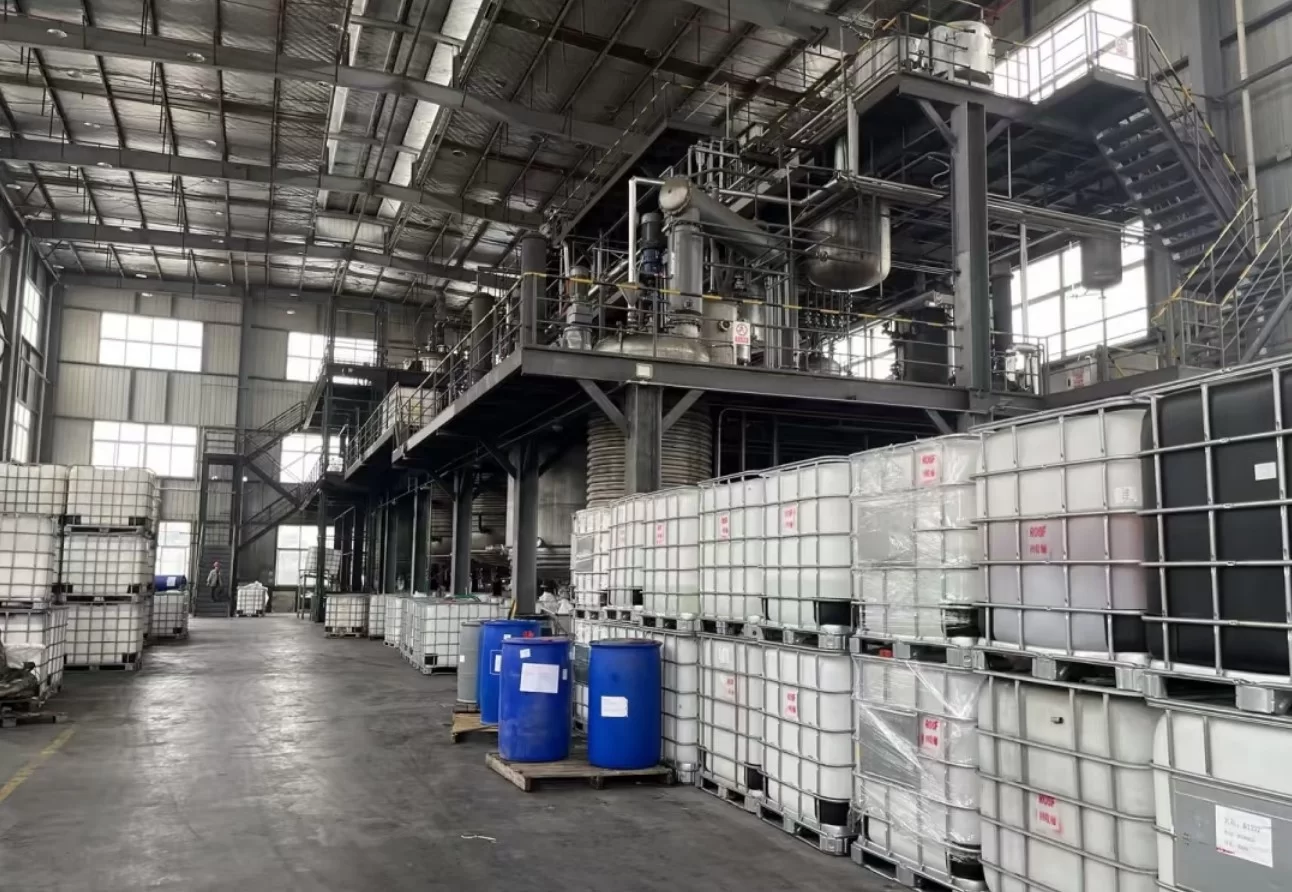
Packaging is listed as 25 kg woven bags. In a warehouse, that means the receiving team should plan for bag handling, dry storage and a controlled transfer point. Measure the route from unloading to the mixing area, confirm that the bag size matches your handling equipment, and make sure the storage layout can keep the material protected from process contamination.
Confirm volume and order details
The listed production capacity is 6,000 tons per month, with logistics and custom packaging support described for industrial orders. A buyer planning regular consumption should send the supplier the application, required purity, monthly quantity, preferred bag format and destination when requesting a quotation.
Ask for a sample when the production team needs to check purity and solubility in its own formulation. For a new glass, textile or detergent program, run the sample through the same mixing or dissolution step used in production and compare the result with the plant’s acceptance criteria.
Sodium Sulfate Anhydrous suits buyers who need a powder-form industrial material at ≥99% purity for detergent, glass, textile and related manufacturing uses. Before ordering, send the supplier your application, monthly volume, packaging requirement and impurity limits so the proposed supply can be matched to the process.
The people

About the author
The company
Shandong Zhongjin Chemical Co., LTD.
Shandong Zhongjin Chemical Co., Ltd is a professional and innovative chemical enterprise rooted in Shandong Province, China. With a strong commitment to research and development, production, and global sales, the company has established three major product lines: detergent raw materials, agricultural fertilizers, and industrial coatings.…
About Us ↗Visit company website ↗Your next step
Bring your brief. Start a useful conversation.
Use case, specification, quantity and delivery window: make the next conversation specific.