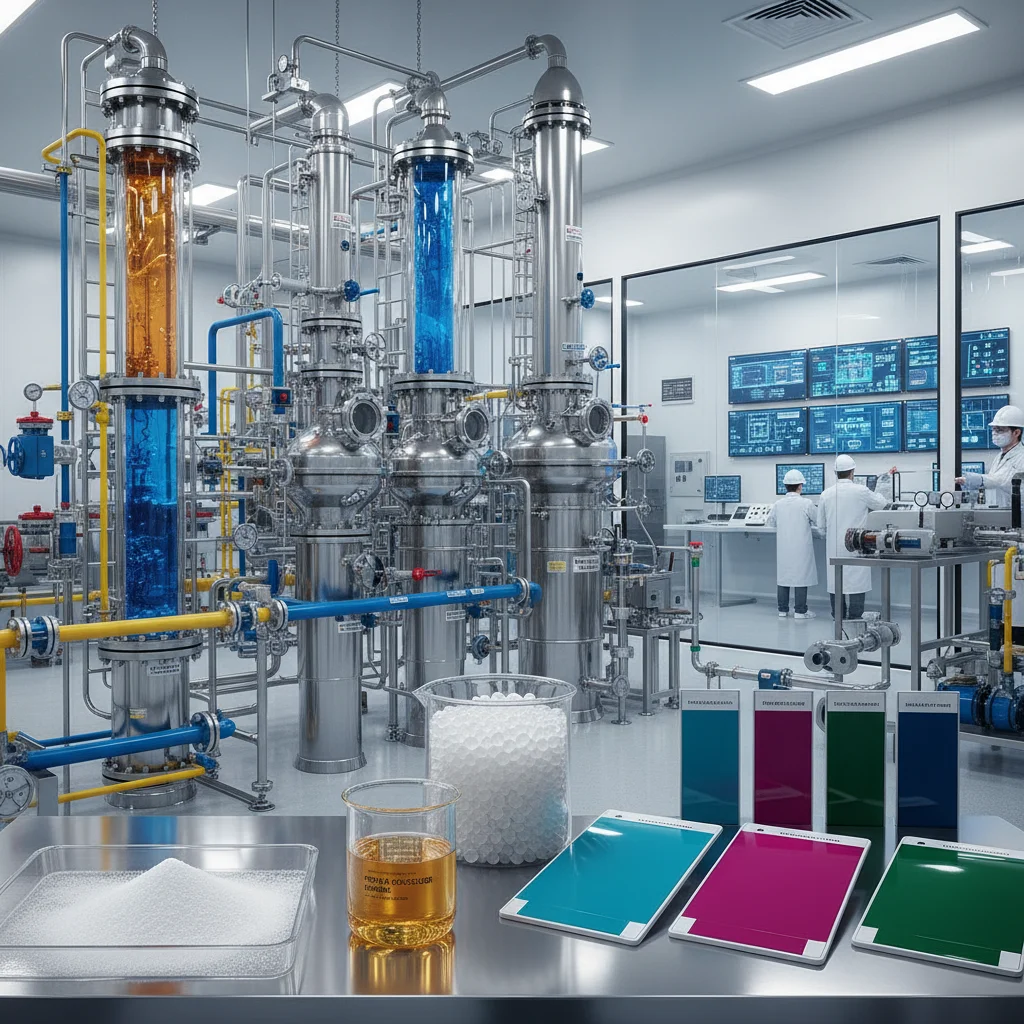
In the evolving landscape of green chemistry, the demand for sustainable and skin-friendly ingredients has never been higher. APG 0814, a high-performance non-ionic surfactant, has emerged as a pivotal solution for manufacturers seeking to balance powerful cleaning efficacy with environmental responsibility. By leveraging renewable resources, this ingredient is redefining the standards for modern formulations.
The global shift toward "clean beauty" and eco-conscious home care is driven by consumers who scrutinize ingredient lists for biodegradability and mildness. APG 0814 addresses these concerns by offering a biodegradable alternative to traditional synthetic surfactants, reducing the ecological footprint of consumer goods without sacrificing the sensory experience of a rich, stable lather.
As brands transition toward next-generation formulations, understanding the technical advantages of APG 0814 is essential for achieving a competitive edge in the personal care and home care markets.

The Composition and Chemical Nature of APG 0814
APG 0814, or Alkyl Polyglucoside, is a non-ionic surfactant synthesized from two primary renewable raw materials: coconut oil and glucose. This bio-based origin ensures that the product is inherently biodegradable and less toxic to aquatic environments compared to petroleum-derived alternatives. The structural integrity of the molecule allows it to function effectively as a wetting agent and emulsifier in a wide variety of chemical environments.
The specific "0814" designation is critical to its performance, as it refers to the alkyl chain length distribution ranging from C8 to C14. This carefully balanced carbon chain structure is what allows the surfactant to optimize the trade-off between solubility and cleaning power, ensuring that the final product can remove oils and dirt efficiently while remaining easy to rinse away.
Unmatched Mildness for Sensitive Skin Applications
One of the most significant challenges in detergent formulation is the tendency of surfactants to strip the skin of its natural lipids, leading to irritation. APG 0814 solves this problem through its inherent gentleness, being clinically proven as non-irritating to both the skin and the eyes, which makes it a gold standard for "mild" product claims.
This exceptional mildness makes it the primary choice for specialized segments such as baby care and intimate hygiene. Whether it is a baby shampoo or a cleanser for pregnant women, the surfactant provides a thorough cleansing experience that does not compromise the skin's biological barrier, ensuring safety for the most delicate users.
Beyond baby care, this profile is highly sought after for sensitive skin facial cleansers. By replacing harsher sulfates with this gentle glucoside, formulators can create products that cleanse effectively while maintaining a soothing profile, reducing the risk of redness or inflammation during use.
Synergistic Foam Enhancement in Complex Blends
While APG 0814 is a capable cleanser on its own, its true commercial value is unlocked when used in synergistic blends. In the world of surfactants, synergy refers to the ability of two or more ingredients to produce a result greater than the sum of their individual effects, particularly regarding foam quality and stability.
When combined with anionic surfactants like Sodium Laureth Sulfate (SLES) and amphoteric surfactants like Cocamidopropyl Betaine (CAPB), APG 0814 significantly elevates the foam profile. Typically utilized in ratios between 1:1 and 1:3, this combination transforms a standard lather into a denser, creamier, and more stable foam that consumers associate with luxury and high quality.
This synergistic effect is particularly vital for body washes and shampoos, where the sensory experience—the "feel" of the foam—is a key driver of consumer loyalty. By incorporating this surfactant, brands can achieve a premium sensory profile while simultaneously reducing the overall irritation potential of the formula.
Formulation Flexibility and Electrolyte Tolerance
Versatility is a cornerstone of professional chemical manufacturing. APG 0814 offers remarkable compatibility, allowing it to be seamlessly integrated with anionic, cationic, and amphoteric surfactant systems. This flexibility means formulators can build complex, multi-functional products without worrying about phase separation or chemical incompatibility.
Furthermore, it demonstrates an impressive tolerance to electrolytes, which is a common pain point in surfactant chemistry. In formulations with high salt content or high-alcohol concentrations—such as medical-grade hand sanitizers—many traditional surfactants will "salt out" or lose their effectiveness. However, this surfactant maintains its stability and clarity even under these challenging conditions.
Performance Metrics of APG 0814 Across Formulations
Global Sustainability Credentials and Certifications
In an era of strict environmental regulations, sustainability is no longer an option—it is a requirement. APG 0814 is perfectly aligned with the principles of green chemistry. Its production relies on renewable plant-based sugars and fats, ensuring that the lifecycle of the product starts and ends in a way that minimizes carbon emissions and land degradation.
The credibility of these claims is backed by rigorous certifications. It has earned the U.S. Department of Agriculture (USDA) BioPreferred® Program certification, verifying a bio-based content of ≥95%. Additionally, its ready biodegradability ensures compliance with the European Union Ecolabel, allowing global brands to market their products as truly eco-friendly with verifiable evidence.
Industrial Applications Across Personal and Home Care
The application spectrum of APG 0814 is vast, spanning from high-end luxury cosmetics to industrial-strength green cleaners. In the personal care sector, it is indispensable for creating sulfate-free shampoos and facial washes that appeal to the growing demographic of consumers with sensitive skin or those avoiding synthetic detergents.
In the home care segment, this surfactant is utilized in eco-friendly dish soaps and all-purpose cleaners. Its ability to emulsify oils while remaining non-toxic makes it safe for use in kitchen environments where food contact is possible, providing a powerful clean without leaving harmful chemical residues.
Furthermore, the industrial sector utilizes this ingredient in specialized cleaning agents for delicate surfaces. Because it does not cause corrosion or severe irritation, it is often used in professional cleaning solutions for hospitals and laboratories where safety and environmental compliance are mandated.
Future Trends in Bio-based Surfactant Technology
The future of the surfactant industry is moving toward a complete decoupling from petrochemicals. APG 0814 is at the forefront of this transition, serving as a blueprint for how high-performance chemicals can be derived from nature. We are seeing a trend where "hybrid" systems—combining different bio-surfactants—are used to mimic the performance of traditional chemicals exactly.
Digital transformation in chemical formulation is also playing a role. AI-driven formulation tools are now being used to predict the exact ratio of glucoside blends needed to achieve specific viscosity and foam targets, reducing the time-to-market for new green products.
As global policies like the EU Green Deal tighten the restrictions on non-biodegradable plastics and chemicals, the adoption of bio-based surfactants will accelerate. This ensures that the long-term value of integrating these materials into product lines is not just environmental, but also strategic for business continuity.
Comparative Analysis of APG 0814 Performance Dimensions
|
Application Area
|
Primary Benefit
|
Synergy Partner
|
Eco-Score (1-10)
|
| Baby Shampoo |
Tear-free Mildness |
CAPB |
10 |
| Facial Cleanser |
Skin Barrier Protection |
Amino Acid Surfactants |
9 |
| Body Wash |
Creamy Lather |
SLES |
9 |
| Hand Sanitizer |
Alcohol Stability |
Glycerin |
8 |
| Eco-Dish Soap |
Grease Removal |
Lauryl Glucoside |
10 |
| Industrial Cleaner |
Biodegradability |
Non-ionic Ethoxylates |
9 |
FAQS
APG 0814 is an Alkyl Polyglucoside, a type of non-ionic surfactant. It is derived entirely from renewable, plant-based resources—specifically coconut oil (for the alkyl chain) and glucose (from corn or wheat). The "0814" refers to its carbon chain distribution (C8-C14), which is optimized for a balance of solubility and cleaning power, making it an eco-friendly alternative to synthetic surfactants.
Yes, it is highly recommended for these applications. It is clinically proven to be non-irritating to the skin and eyes. Because it does not strip the skin's natural lipid barrier as harshly as sulfates, it is ideal for baby shampoos, intimate care products, and cleansers designed for individuals with hypersensitive skin or eczema.
When used alone, non-ionic surfactants may produce modest foam. However, APG 0814 exhibits a strong synergistic effect with anionic (SLES) and amphoteric (CAPB) surfactants. In ratios such as 1:1 to 1:3, it stabilizes the air-water interface, resulting in a denser, creamier, and more persistent lather that improves the overall sensory experience for the consumer.
Absolutely. One of the standout technical features of APG 0814 is its high tolerance to electrolytes and solvents. Unlike many other surfactants that may precipitate or "salt out" in high-alcohol environments, it remains stable and clear, making it an excellent choice for alcohol-based hand sanitizers that require a moisturizing, skin-friendly additive.
It is highly certified for sustainability. It carries the USDA BioPreferred® certification with a verified bio-based content of 95% or higher. Additionally, its ready biodegradability and low eco-toxicity allow it to meet the stringent requirements of the European Union Ecolabel, enabling brands to make verifiable "green" claims on their packaging.
The carbon chain length determines the hydrophobicity of the molecule. A C8-C14 distribution provides a "sweet spot": the shorter chains (C8-C10) enhance solubility and rinsing, while the longer chains (C12-C14) provide the necessary lipophilicity to lift oils and dirt from surfaces. This balance ensures the product is both an effective detergent and easy to wash off.
Conclusion
APG 0814 stands as a cornerstone of modern, sustainable chemistry, offering a rare combination of high performance, exceptional mildness, and environmental integrity. From its renewable origins in coconut oil and glucose to its versatile application in sensitive skin care and eco-friendly home detergents, it provides a future-proof solution for brands looking to eliminate harsh chemicals without compromising on the quality of the user experience.
As the global regulatory environment shifts toward mandatory biodegradability and bio-based content, incorporating such high-performance glucosides is no longer just a marketing advantage—it is a strategic necessity. For manufacturers committed to innovation and sustainability, transitioning to these next-generation surfactants is the most effective way to meet the demands of the discerning modern consumer. Visit our website for more information: www.zjsles.com