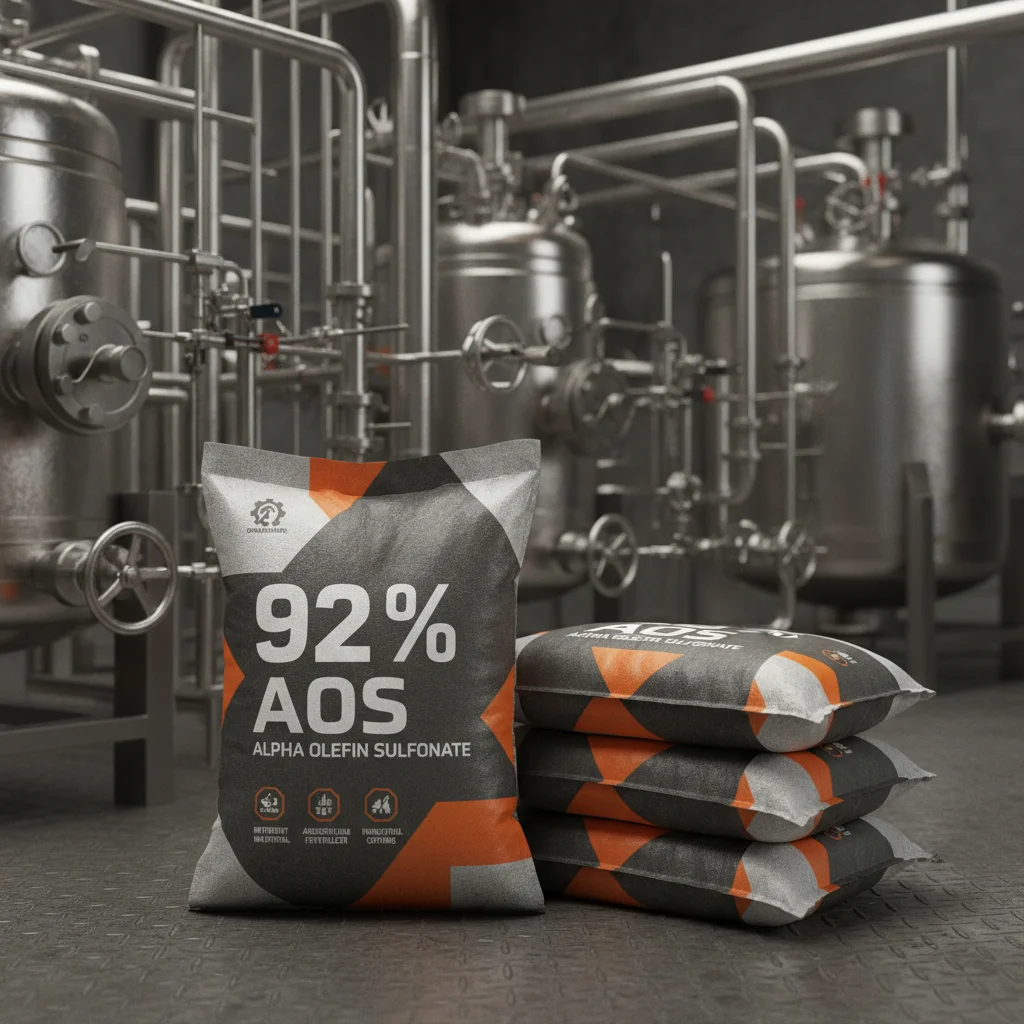
In the complex world of industrial surfactants, few precursors hold as much strategic importance as LABSA 96. As a high-purity anionic surfactant precursor, it serves as the essential building block for a vast array of cleaning agents used globally. Understanding its chemical nature and transformation process is key for manufacturers seeking to balance high-performance cleaning with cost-effective production.
The global demand for hygiene and sanitation has propelled the importance of Linear Alkylbenzene Sulfonic Acid. By providing a reliable, scalable, and powerful base for detergents, this material addresses the critical challenge of removing stubborn organic soils and mineral oils from diverse surfaces. Its role extends from simple household soaps to heavy-duty industrial degreasers, making it a cornerstone of modern chemical manufacturing.
For professionals in the detergent industry, sourcing high-quality LABSA 96 is the first step toward ensuring product stability and efficacy. By mastering the neutralization process and understanding the molecular behavior of the resulting salts, formulators can create products that are not only powerful but also compliant with international environmental standards.

Defining LABSA 96 and Its Chemical Role
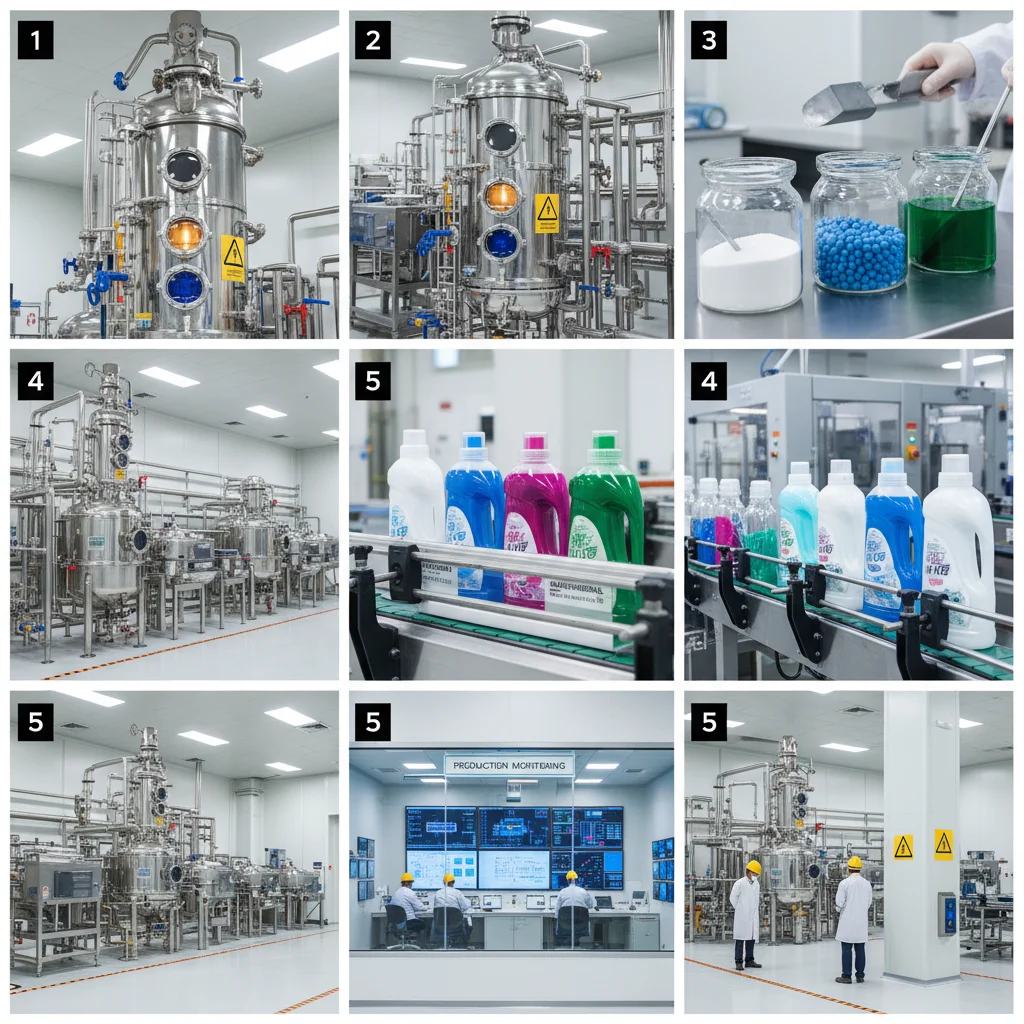
LABSA 96%, known as Linear Alkylbenzene Sulfonic Acid, is a high-purity anionic surfactant precursor. In its raw, acidic form, it is not surface-active; however, it acts as the fundamental chemical foundation for the production of Linear Alkylate Sulfonate (LAS). Through a neutralization process using bases like caustic soda or triethanolamine, it is converted into an active salt capable of powerful cleaning.
This transformation is what makes the material a global leader in the surfactant market. Because it can be tailored to various end-products, it allows manufacturers to maintain a lean supply chain by using one primary raw material for multiple detergent lines, ensuring both chemical consistency and operational efficiency.
The Mechanism of Cleaning Power
The cleaning efficacy of LABSA-derived LAS stems from its unique molecular structure. Once neutralized, the molecules possess a dual nature: a hydrophobic (oil-attracting) tail and a hydrophilic (water-attracting) head. This amphiphilic structure allows the surfactant to bridge the gap between water and oil.
When applied to a soiled surface, the hydrophobic tails attach themselves to greasy stains and mineral oils, while the hydrophilic heads remain oriented toward the water. This action emulsifies the grime, lifting it away from the substrate and suspending it in the aqueous solution to be easily rinsed away.
This mechanism is particularly effective against a broad spectrum of stubborn soils. Whether it is particulate dirt in industrial settings or food grease in a kitchen, the ability of this surfactant to lower surface tension and encapsulate oils makes it an indispensable tool in heavy-duty cleaning formulations.
Formulation Versatility and Process Stability
One of the most significant technical advantages of LABSA 96 is its exceptional stability across different manufacturing environments. It is highly resistant to heat, which is a critical requirement for products produced via spray-drying towers, such as traditional laundry powders.
The versatility of LABSA 96 allows for precise control over foam levels. For example, in low-foam machine laundry powders, an inclusion rate of approximately 8% can provide powerful cleaning without creating excessive suds that could damage high-efficiency washing machines.
Beyond powders, this precursor is equally effective in liquid formulations. Its adaptability ensures that manufacturers can switch between liquid dish soaps and heavy-duty industrial degreasers without needing to fundamentally change their primary raw material source.
Economic Value and Market Leadership
In the competitive landscape of chemical raw materials, the "cost-performance ratio" is the ultimate metric of success. LABSA 96 stands as the undisputed leader in this regard, offering cleaning power that is difficult to match at a comparable price point.
This economic efficiency allows brands to produce high-performance cleaning products that remain affordable for consumers globally. By optimizing the concentration and neutralization process, companies can maximize the active cleaning power while minimizing waste and raw material expenditure.
Performance Analysis of LABSA 96 Derivatives
Environmental Profile and Biodegradability
The environmental impact of surfactants is a primary concern for modern regulators and consumers. The sustainability of LABSA 96 is tied directly to its linear alkyl chain. Unlike older branched-chain surfactants (ABS), linear structures are far more readily biodegradable, reducing their persistence in aquatic environments.
To comply with stringent regulations, such as the EU Directive 91/173/EEC, the branched chain isomer content must be kept to ≤ 1.5%. By adhering to these high-purity standards, manufacturers can ensure their end-products are environmentally responsible without sacrificing the aggressive cleaning power required for industrial applications.
Critical Neutralization Protocols
Handling LABSA 96 requires a deep understanding of acid-base chemistry, as the material is a strong acid in its raw state. The most critical phase of production is the neutralization process, where the acid is converted into its active salt form. Precision in this step is non-negotiable for product safety.
The standard stoichiometric ratio for neutralization is approximately 1:0.17. This means that for every 100 kg of LABSA, roughly 17 kg of caustic soda (NaOH) is required. Achieving this balance ensures that the final product is chemically stable and safe for the end-user.
Failure to achieve complete neutralization can lead to severe quality failures. Residual acidity may cause the corrosion of packaging materials, destabilize the overall formulation, and, most importantly, cause skin irritation for the consumer, highlighting the need for robust quality control.
Industrial Applications and Use Cases
The application spectrum of LABSA 96 is incredibly broad, spanning from daily household chores to the most demanding industrial environments. In the consumer sector, it is the primary active agent in heavy-duty laundry powders and dishwashing liquids, where its ability to lift grease is paramount.
In industrial contexts, this material is used to formulate high-performance degreasers. These are essential in automotive workshops, aerospace maintenance, and machinery cleaning, where mineral oils and heavy lubricants must be completely removed to prepare surfaces for coating or further processing.
Furthermore, its stability makes it ideal for specialized cleaning products in remote industrial zones or harsh environments where heat resistance is required. Its ability to remain effective under diverse temperatures ensures reliable performance regardless of the geographical location of the end-use.
Comparison of LABSA 96 Application Performance across Sectors
|
Application Sector
|
Primary Cleaning Target
|
Typical Inclusion Rate
|
Performance Score (1-10)
|
| Household Laundry |
Fabric soils & oils |
8% - 15% |
9 |
| Dishwashing Liquid |
Food grease |
10% - 20% |
10 |
| Industrial Degreasing |
Mineral oils & lubricants |
15% - 30% |
10 |
| Machine Laundry |
General dirt (Low foam) |
~8% |
8 |
| Hard Surface Cleaners |
Dust & light grease |
5% - 10% |
7 |
| Textile Processing |
Washing agents/scouring |
10% - 15% |
8 |
FAQS
LABSA 96 is the acidic precursor (Linear Alkylbenzene Sulfonic Acid), while LAS (Linear Alkylate Sulfonate) is the active salt form produced after LABSA has been neutralized with a base like caustic soda. LABSA itself is not surface-active and must be neutralized to gain its cleaning properties.
The standard stoichiometric ratio is approximately 1:0.17. This means for every 100 kg of LABSA 96, you typically require about 17 kg of pure caustic soda (NaOH) to achieve complete neutralization, though this can vary slightly based on the purity of the base used.
Yes, provided it is the "linear" variety. LABSA 96 with a branched chain isomer content of ≤ 1.5% complies with international standards like EU Directive 91/173/EEC. Its linear structure allows it to be broken down more easily by microorganisms compared to older branched versions.
The primary reason is its exceptional heat stability. LABSA 96 can withstand the high temperatures of spray-drying towers without decomposing, which is essential for the efficient mass production of powdered laundry detergents.
Incomplete neutralization leaves residual acidity in the product. This can lead to formulation instability, corrosion of the plastic or metal packaging, and potential skin irritation for the end consumer, making precise quality control essential.
Yes. By adjusting the inclusion rate—typically to around 8%—and combining it with other foam regulators, manufacturers can produce effective cleaning agents suitable for high-efficiency washing machines that require low sudsing.
Conclusion
LABSA 96 remains an indispensable pillar of the global cleaning industry, offering an unmatched combination of powerful degreasing capabilities, formulation flexibility, and economic viability. From the molecular precision of its linear alkyl chain to the critical importance of its neutralization protocol, it provides a scalable solution for both household hygiene and heavy-duty industrial maintenance.
As the industry moves toward greener chemistry, the biodegradability of high-purity linear surfactants ensures that LABSA 96 will continue to be a responsible choice for formulators. By optimizing its use, manufacturers can deliver high-value, effective cleaning products that meet the rigorous demands of the modern market. For high-quality sourcing and technical specifications, visit our website: www.zjsles.com