Urea 46% N Fertilizer: The Ultimate Guide to High-Efficiency Nitrogen
In the world of modern agriculture, optimizing crop yields depends heavily on the precision of nutrient management. Among all nitrogen sources, Urea 46% N Fertilizer stands out as the most concentrated solid nitrogen fertilizer available. Its high nitrogen content makes it an economical and efficient choice for farmers worldwide, ensuring that plants receive the essential elements needed for rapid vegetative growth and vibrant green foliage. Understanding how to utilize this powerful nutrient is key to sustainable farming and maximizing harvest quality. In this guide, we will explore the technical specifications, application methods, and the comparative advantages of using high-grade urea.

The Science Behind Urea 46% N Fertilizer
Urea is a nitrogen-rich organic compound that is synthesized from ammonia and carbon dioxide. The "46% N" designation indicates that nearly half of the product's weight is pure nitrogen, which is the primary driver for chlorophyll production and protein synthesis in plants. When Urea 46% N Fertilizer is applied to the soil, it undergoes a chemical reaction called hydrolysis, facilitated by the enzyme urease. This process converts urea into ammonium and then into nitrates, which are the forms of nitrogen that plants can easily absorb through their root systems. Because of its high solubility, it can be applied in various forms, including granules and liquids, making it highly versatile for different soil types.
Technical Note: To prevent nitrogen loss through volatilization (gas escape), it is highly recommended to incorporate urea into the soil or apply it immediately before rainfall.
Comparing Urea 46% N Fertilizer with Other Nitrogen Sources
When choosing a nitrogen source, farmers often compare urea with Ammonium Nitrate or Ammonium Sulfate. The primary advantage of Urea 46% N Fertilizer is its cost-effectiveness per unit of nitrogen. Since it has the highest nitrogen concentration, transportation and storage costs are significantly lower compared to other fertilizers. While Ammonium Nitrate provides faster availability, urea offers a more balanced release when managed correctly. The following table illustrates the key differences in nutrient concentration and economic efficiency.
Optimal Application Methods for Urea 46% N Fertilizer
To maximize the efficacy of Urea 46% N Fertilizer, timing and placement are critical. There are three primary ways to apply this nutrient: broadcasting, banding, and foliar spraying. Broadcasting involves spreading the granules evenly across the field, which is efficient for large-scale operations but risks higher volatilization. Banding places the fertilizer in concentrated strips near the seed row, reducing waste and providing a direct nutrient source for roots. Foliar application involves dissolving urea in water and spraying it directly onto leaves, which is ideal for correcting acute nitrogen deficiencies quickly. Regardless of the method, avoiding application during extreme heat or dry spells is essential to maintain nitrogen efficiency.

Product Specifications of High-Grade Urea
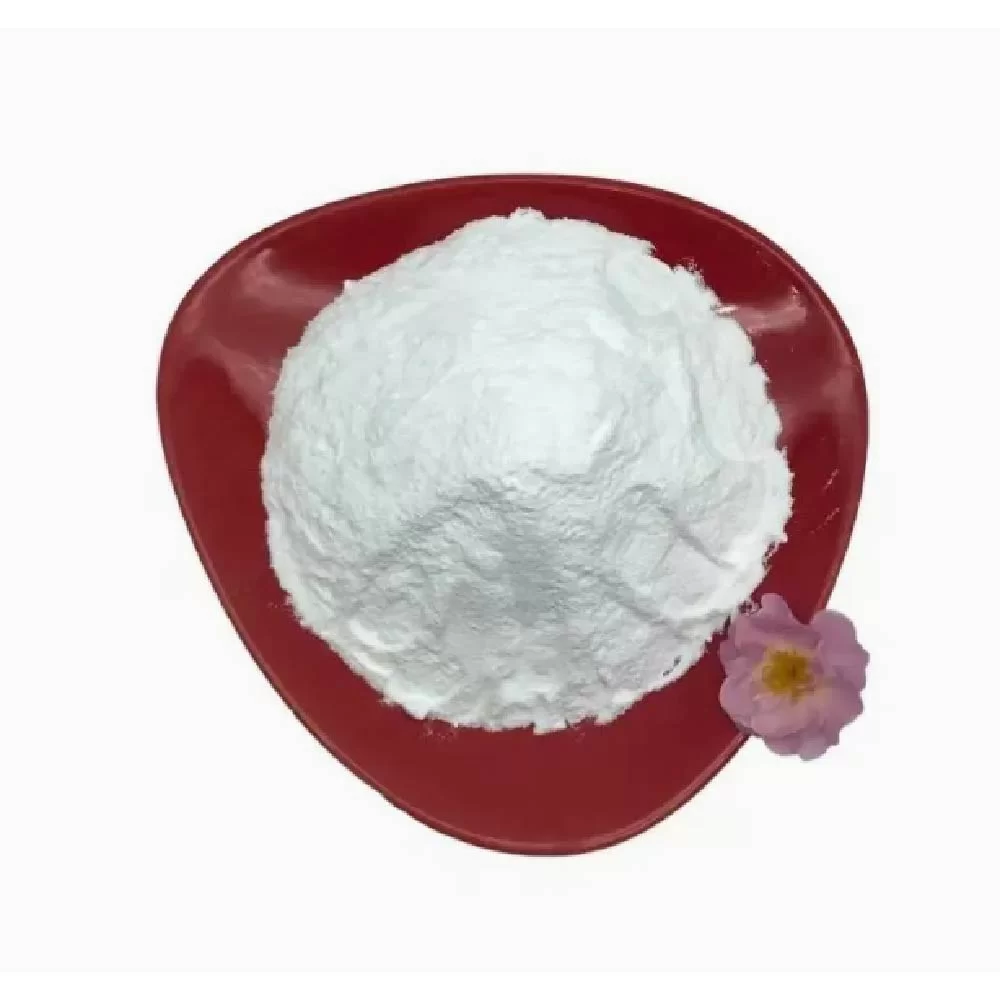
When sourcing Urea 46% N Fertilizer, it is vital to check the purity and physical properties. Industrial-grade urea typically comes in prilled or granular forms. Prilled urea is smaller and dissolves faster, while granular urea is more stable and easier to handle with mechanical spreaders. High-quality urea should be free from clumps and have a consistent white color. Below are the standard technical specifications for professional-grade agricultural urea.
Environmental Impact and Sustainable Use of Urea
While Urea 46% N Fertilizer is a powerful tool, its misuse can lead to environmental challenges such as nitrate leaching into groundwater or the emission of nitrous oxide, a potent greenhouse gas. To promote sustainable agriculture, we recommend implementing a "4R" nutrient stewardship approach: Right Source, Right Rate, Right Time, and Right Place. Using urea in combination with slow-release coatings or nitrification inhibitors can significantly reduce losses and ensure that nitrogen stays in the root zone longer, enhancing crop uptake and reducing the environmental footprint.
Selecting the Right Supplier for Urea 46% N Fertilizer
For commercial farms and agricultural distributors, the quality of the supplier is just as important as the product itself. Low-quality urea may contain high levels of biuret, which can be toxic to some plants in foliar applications. A reliable supplier of Urea 46% N Fertilizer should provide comprehensive Certificates of Analysis (COA) and ensure that packaging is moisture-proof to prevent caking during transit. When importing, consider logistics expertise and a track record of consistent purity to ensure your crops receive the exact nutrient dosage required for a successful harvest.
Conclusion: Maximizing Productivity with Urea 46% N
The Urea 46% N Fertilizer remains the gold standard for high-efficiency nitrogen supplementation. Its combination of extreme concentration, versatility in application, and economic viability makes it indispensable for modern farming. By adhering to best practices in application and sourcing high-purity products, growers can achieve superior crop growth while maintaining ecological balance. Invest in the right nutrients today for a more productive and sustainable tomorrow.
Frequently Asked Questions (FAQs)
Why is Urea called 46% N Fertilizer?
The "46% N" refers to the percentage of the total mass that is nitrogen. In a 100kg bag of urea, 46kg is actual nitrogen available for plant use. This makes it the most concentrated solid nitrogen fertilizer on the market, allowing farmers to apply less bulk material to achieve the same nutrient results compared to other fertilizers like Ammonium Sulfate (21%). This concentration reduces labor, storage space, and shipping costs significantly.
Can I apply Urea 46% N as a foliar spray?
Yes, urea can be used in foliar applications because it is highly soluble in water. However, caution is required. High concentrations of urea can cause "leaf burn" due to its salt index. To avoid this, it is crucial to use a diluted solution and check the biuret levels of the urea; low-biuret urea is essential for foliar use to avoid toxicity. It is generally recommended to spray during the early morning or late evening to reduce evaporation and leaf stress.
How do I prevent nitrogen loss when using Urea?
Nitrogen loss in urea primarily occurs through ammonia volatilization. To prevent this, you should avoid leaving urea granules on the soil surface. The best methods include incorporating the fertilizer into the soil via tilling or applying it just before a rain event, which washes the urea into the soil. Additionally, using urea with urease inhibitors can slow down the chemical conversion process, keeping the nitrogen in the soil longer for plant uptake.
Where can I source professional-grade Urea 46% N?
For high-purity, industrial-standard agricultural nutrients, we recommend visiting zjsles.com. They provide high-grade Urea 46% N Fertilizer with strict quality control and global shipping capabilities, ensuring that you receive a product with the correct nutrient analysis and optimal physical properties for your specific farming needs.