Understanding the Role of Formaldehyde Releaser in Chemical Manufacturing
In the complex world of specialty chemicals, the use of a Formaldehyde Releaser serves as a critical mechanism for ensuring product stability and longevity. These chemical compounds are designed to slowly release small amounts of formaldehyde to act as potent preservatives, preventing microbial growth in various industrial and consumer applications. From personal care products to advanced industrial coatings, the precision of these releasers ensures that products remain safe and effective throughout their shelf life. By managing the rate of release, manufacturers can optimize the antimicrobial efficacy while maintaining strict adherence to safety standards. This guide explores the technical intricacies, applications, and specifications of these essential chemical agents.

The Chemical Mechanism of a Formaldehyde Releaser
A Formaldehyde Releaser works by utilizing a chemical structure that is stable under specific conditions but decomposes slowly over time or when triggered by environmental factors like pH changes. This slow decomposition ensures a steady concentration of formaldehyde, which effectively disrupts the cellular membranes of bacteria and fungi. Unlike direct additions of formaldehyde, these releasers provide a "timed-release" effect, which reduces the immediate volatility of the gas and provides long-term protection. This mechanism is particularly valuable in water-based formulations where the risk of contamination is highest. The efficiency of this process depends heavily on the purity of the chemical precursor and the specific molecular architecture of the agent used.
Technical Insight: The slow-release kinetics prevent sudden spikes in formaldehyde levels, allowing for a balanced approach between preservative power and the safety requirements of the final formulated product.
Industrial Applications of Formaldehyde Releaser Systems
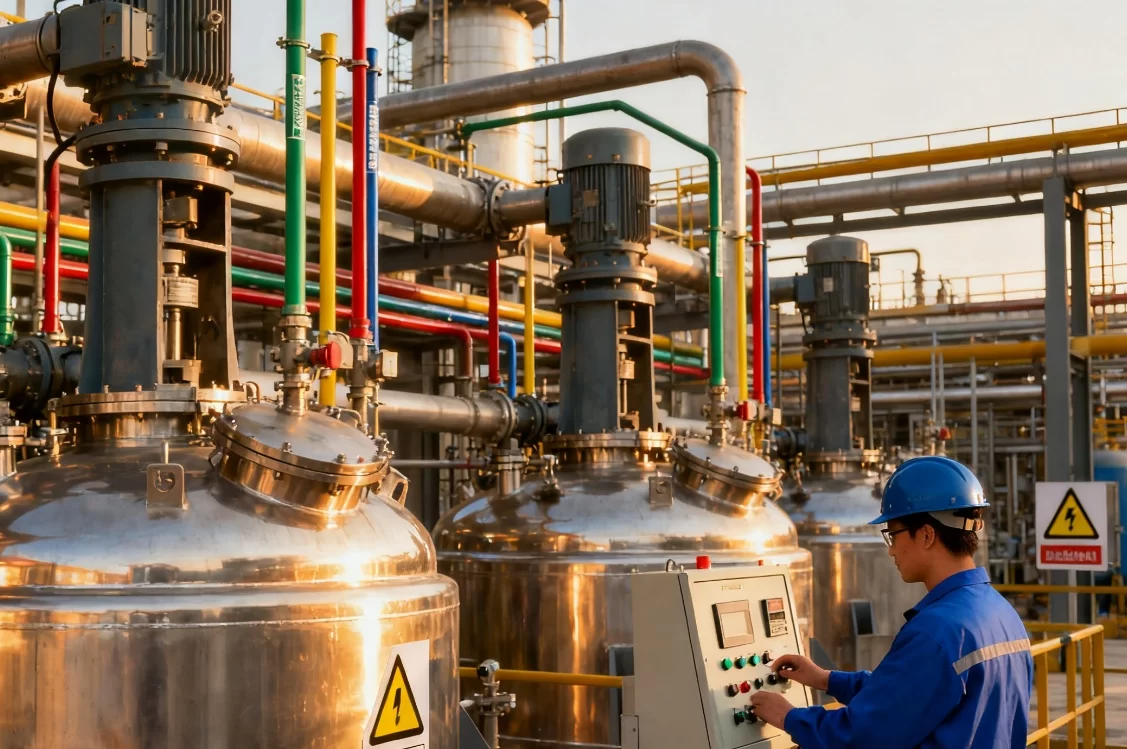
The versatility of the Formaldehyde Releaser allows it to be integrated into a wide array of manufacturing sectors. In the cosmetics and personal care industry, these agents protect shampoos and lotions from spoilage. In the textile and leather industry, they are used to prevent mildew and fungal degradation during storage and transport. Furthermore, in the production of paints and adhesives, these releasers ensure that the aqueous phase of the product remains sterile, preventing the formation of biofilms that could compromise the quality of the coating. The ability to customize the release rate makes these chemicals indispensable for high-performance industrial products.
Primary Application Areas:
• Cosmetics: Preservation of water-based creams and gels.
• Textiles: Anti-mildew treatment for fabrics and upholstery.
• Coatings: Preventing bacterial growth in water-borne paints.
• Adhesives: Ensuring stability in industrial glues and resins.
Comparative Analysis: Formaldehyde Releaser vs. Traditional Preservatives
When comparing a Formaldehyde Releaser to traditional preservatives like parabens or direct formaldehyde, several key differences emerge. While direct formaldehyde is highly effective, its toxicity and volatility make it unsuitable for many end-user products. Releasers offer a safer alternative by controlling the exposure. Compared to organic acid preservatives, releasers often provide a broader spectrum of antimicrobial activity, targeting both Gram-positive and Gram-negative bacteria more effectively. This makes them a preferred choice for products that undergo significant temperature fluctuations during shipping.
Quality Standards for Formaldehyde Releaser Production
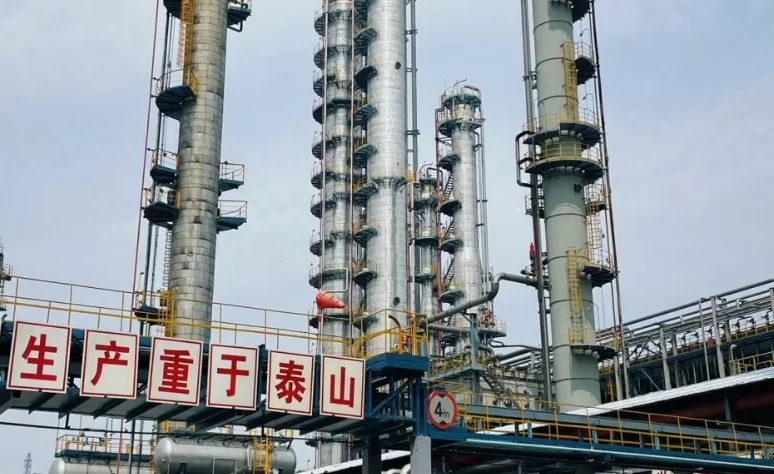
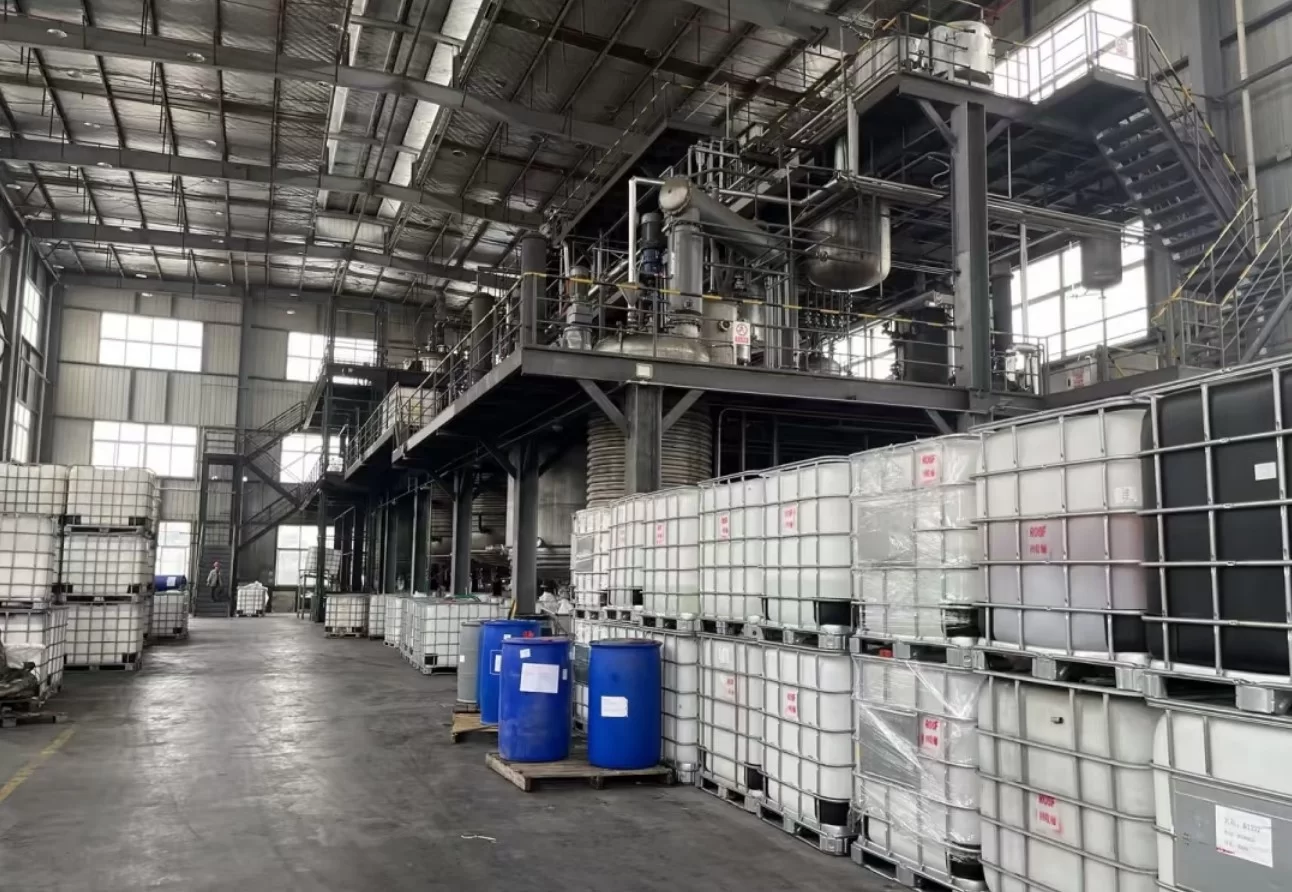
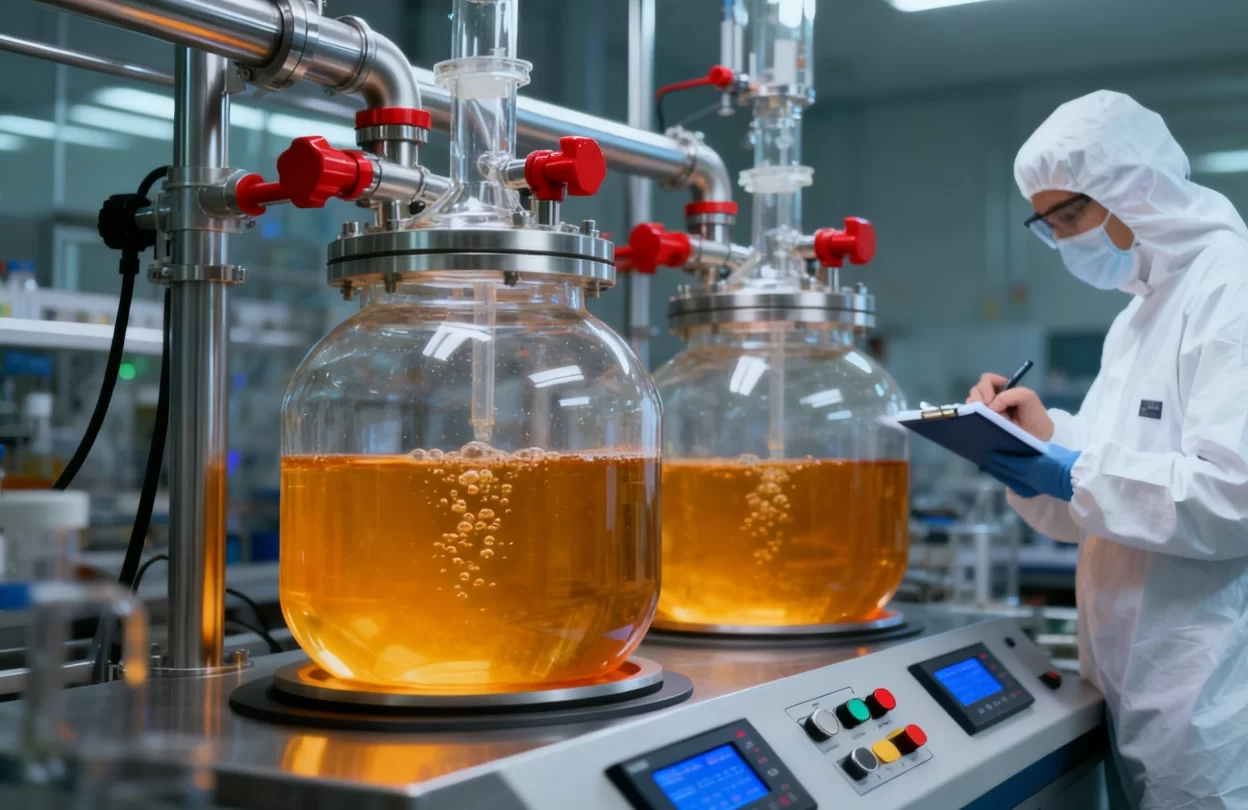
Producing a high-grade Formaldehyde Releaser requires strict adherence to chemical purity and stability standards. Manufacturers must ensure that the active matter percentage is consistent to avoid over-exposure or under-preservation. Quality control involves testing for pH stability, solubility in various solvents, and the rate of formaldehyde release over a set period. Using advanced synthesis techniques, companies can minimize impurities that might cause discoloration or unwanted odors in the final application. This commitment to quality ensures that the chemical behaves predictably in the customer's formulation.

Technical Specifications of the Formaldehyde Releaser
To integrate a Formaldehyde Releaser into a professional formulation, technical data is essential. The following specifications represent the standard parameters for industrial-grade releasers used in chemical manufacturing. These parameters ensure compatibility with other surfactants and active ingredients, maintaining the homogeneity of the final product.
Conclusion: Optimizing Product Stability with Formaldehyde Releasers
The strategic use of a Formaldehyde Releaser is a cornerstone of modern chemical preservation. By providing a controlled, slow-release mechanism, these agents ensure that products remain free from microbial contamination without the volatility issues of traditional methods. Whether in high-end cosmetics or heavy-duty industrial coatings, the balance between efficacy and safety is key. Partnering with experienced manufacturers who prioritize purity and technical precision allows companies to enhance their product shelf life and end-user satisfaction. For high-performance preservation, the formaldehyde releaser remains a professional's choice.
Frequently Asked Questions (FAQs)
How does a Formaldehyde Releaser differ from a standard preservative?
A Formaldehyde Releaser is a specialized preservative that does not contain free formaldehyde in its initial state. Instead, it is a chemical precursor that releases formaldehyde gradually upon integration into a product. Standard preservatives often act immediately or rely on different chemical pathways. The primary advantage of the releaser is the "time-release" effect, which maintains a constant, low level of antimicrobial activity over a much longer period, providing superior protection against contamination during the product's entire lifecycle.
Which industries benefit most from using Formaldehyde Releasers?
Any industry dealing with water-based formulations benefits from these agents. This includes the cosmetics industry for lotions and shampoos, the textile industry for preventing mold on fabrics, and the construction chemicals industry for water-borne paints and adhesives. Because water is a breeding ground for bacteria and fungi, the sustained release of preservative action provided by a Formaldehyde Releaser ensures that the product remains stable even in humid environments or during long-term storage in warehouses.
Are there any restrictions on the dosage of Formaldehyde Releasers?
Yes, dosage is critical. Over-dosage can lead to an excessive release of formaldehyde, which may cause skin irritation or exceed regulatory safety limits for consumer products. Conversely, under-dosage may leave the product vulnerable to microbial spoilage. It is recommended to conduct "challenge tests" where the product is intentionally exposed to microbes to determine the minimum effective concentration. Manufacturers of the Formaldehyde Releaser typically provide a recommended usage range, but final adjustments should be based on the specific formulation's pH and temperature.
How is the quality of a chemical releaser guaranteed during shipping?
Quality is guaranteed through a combination of stable packaging and rigorous pre-shipment testing. Since these chemicals can be sensitive to extreme temperatures, they are often shipped in UV-protected, airtight containers to prevent premature decomposition. Before shipping, batches are tested for active matter content and pH levels. Furthermore, third-party inspections (such as SGS) can be arranged to verify that the Formaldehyde Releaser meets the exact specifications requested by the client, ensuring consistent performance upon arrival.