Understanding Protease: Applications, Types, and Sourcing
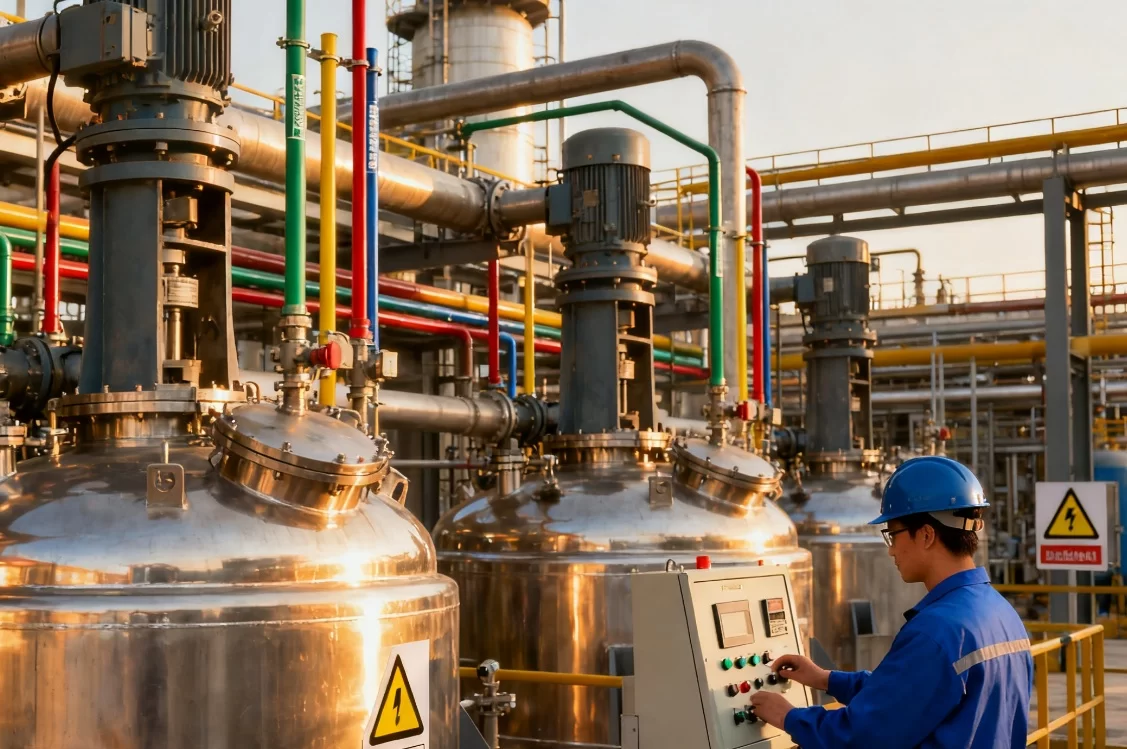
Protease, also known as a proteolytic enzyme, plays a critical role in countless biological processes. From digestion and immune function to blood clotting and cell signaling, these enzymes are essential for life. In industrial applications, proteases are utilized in sectors like food processing, pharmaceuticals, detergents, and leather manufacturing. Understanding the different types of proteases, their functionalities, and reliable sourcing is crucial for achieving optimal results. ZJSLES is a leading supplier of high-quality protease enzymes for diverse applications. We are committed to providing superior products and expert support to meet your specific needs.
What Exactly is a Protease?
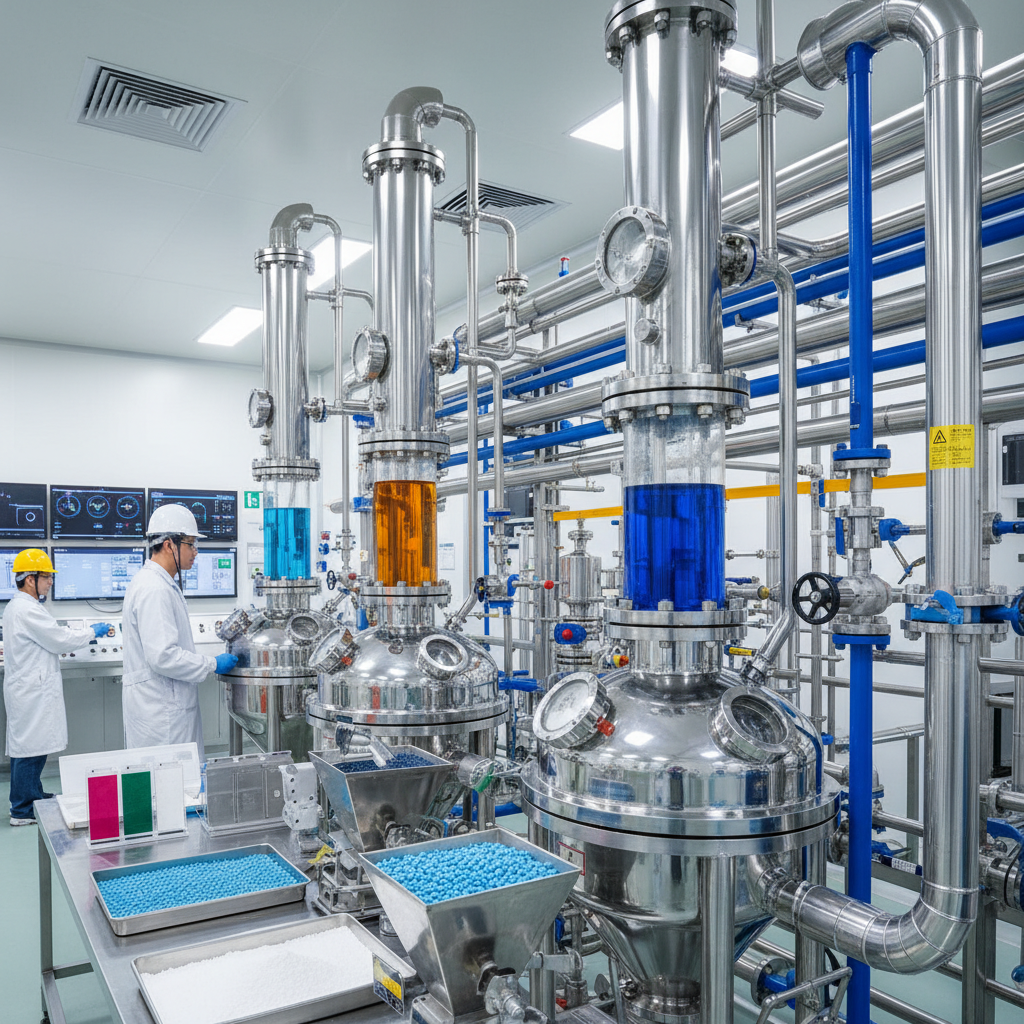
At its core, a protease is an enzyme that catalyzes the breakdown of proteins into smaller peptides or amino acids. This process, known as proteolysis, is fundamental to many biological functions. Proteases achieve this by cleaving the peptide bonds within protein molecules. Their specificity is determined by the amino acid sequence surrounding the cleavage site. Different proteases recognize and act upon different sequences, leading to a wide variety of functionalities. Factors like pH, temperature, and the presence of inhibitors can significantly influence protease activity.
Key Takeaway: Proteases break down proteins by cleaving peptide bonds, and their specificity varies based on the amino acid sequence they recognize.
Types of Proteases and Their Applications
Proteases are broadly classified based on their catalytic mechanism. The main categories include serine proteases, cysteine proteases, aspartic proteases, metalloproteases, and threonine proteases. Each type exhibits distinct characteristics and applications:
- Serine Proteases: Common in digestion (trypsin, chymotrypsin), blood coagulation, and inflammation.
- Cysteine Proteases: Involved in protein turnover, apoptosis, and immune responses (cathepsins).
- Aspartic Proteases: Play roles in protein processing and digestion (pepsin, rennin).
- Metalloproteases: Crucial for extracellular matrix remodeling and wound healing (matrix metalloproteinases).
- Threonine Proteases: Found in bacterial and fungal systems, utilized in various industrial processes.
These enzymes are utilized in numerous industries. For example, in food processing, proteases tenderize meat, clarify beer, and enhance cheese production. The pharmaceutical industry employs proteases in drug development and diagnostics. Detergent manufacturers include proteases to remove protein-based stains.
Protease Activity & Factors Influencing It
The efficiency of a protease is measured by its activity, which is dependent on several factors. Temperature is critical; each protease has an optimal temperature range for maximum activity. Beyond this range, activity declines, and the enzyme may denature. pH also plays a significant role, with each protease exhibiting peak activity at a specific pH level. The presence of inhibitors, such as certain metal ions or chemical compounds, can reduce or completely block protease activity. Furthermore, substrate concentration and enzyme concentration directly affect the rate of proteolysis.
Factors Affecting Protease Activity:
• Temperature
• pH
• Inhibitors
• Substrate Concentration
• Enzyme Concentration
Comparing Key Proteases: Function and Applications
Selecting the appropriate protease for a specific application requires a thorough understanding of their differences. The table below highlights some key comparisons:
Sourcing High-Quality Protease Enzymes
When sourcing protease enzymes, quality and reliability are paramount. Consider factors such as enzyme activity, purity, and consistency. ZJSLES offers a comprehensive range of protease enzymes derived from microbial fermentation. Our products undergo rigorous quality control testing to ensure consistent performance and meet industry standards. We provide detailed technical specifications and expert support to help you select the optimal enzyme for your application.
Conclusion: Powering Innovation with Protease Enzymes
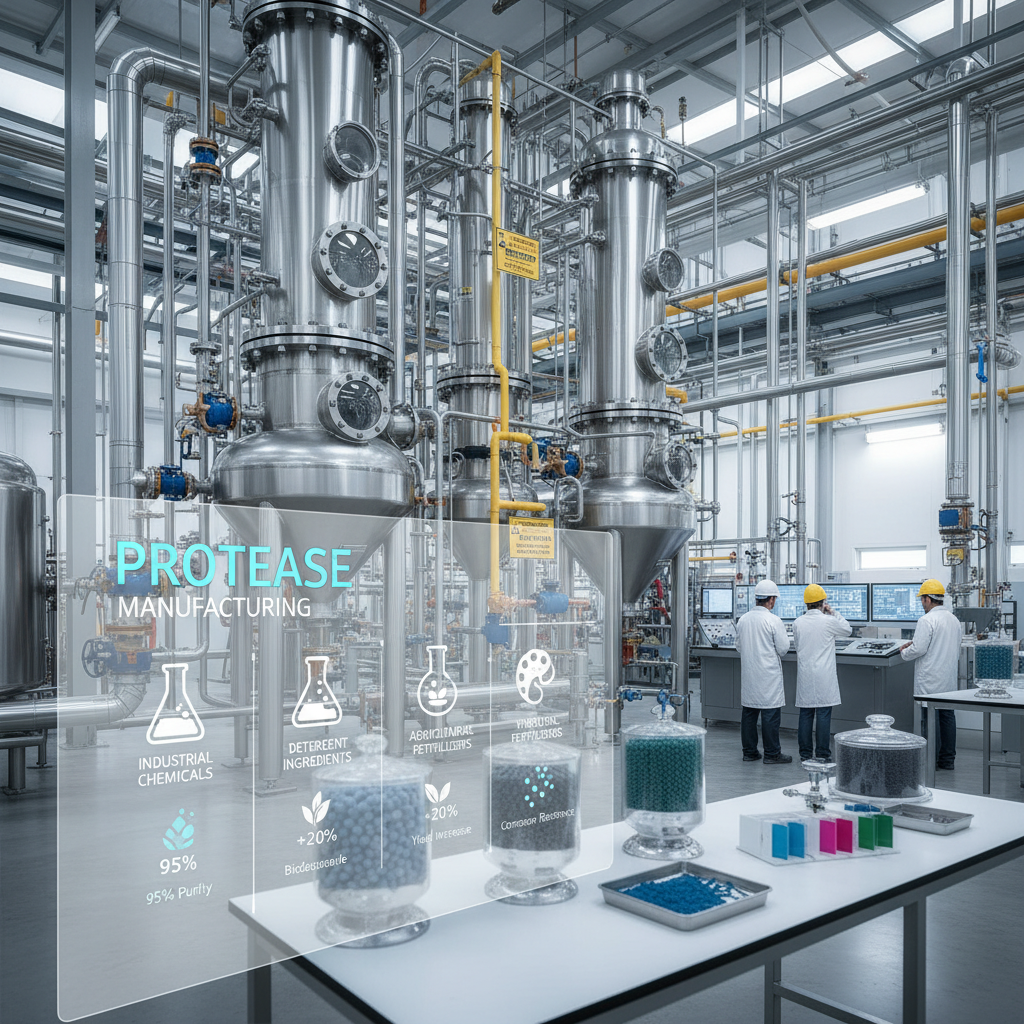
Proteases are indispensable enzymes with a wide spectrum of applications across diverse industries. Understanding their types, functionalities, and sourcing reliable suppliers like ZJSLES is crucial for optimizing processes and achieving superior results. We are dedicated to delivering high-quality protease enzymes and providing the expertise you need to succeed.
Frequently Asked Questions (FAQs)
What is the difference between endopeptidases and exopeptidases?
Endopeptidases cleave peptide bonds within the protein chain, breaking it into smaller fragments. They don't act on the terminal amino acids. Conversely, exopeptidases cleave peptide bonds from the ends of the protein chain, releasing single amino acids or small peptides. Trypsin is an example of an endopeptidase, while carboxypeptidase is an exopeptidase. This distinction is important because they have different modes of action and applications. Understanding this difference is critical when choosing a protease for specific protein hydrolysis or digestion purposes.
How are proteases inhibited?
Protease activity can be inhibited through various mechanisms. Some inhibitors bind directly to the active site of the enzyme, blocking substrate access. Others bind to a different site, inducing a conformational change that reduces activity (allosteric inhibition). Specific inhibitors exist for different types of proteases. For example, PMSF is a serine protease inhibitor, while EDTA inhibits metalloproteases. Understanding these inhibition mechanisms is crucial in research and industrial applications where controlling protease activity is essential.
What industries benefit most from protease use?
A wide array of industries benefit from protease utilization. The food industry uses proteases for cheese making, meat tenderization, and brewing. The pharmaceutical industry utilizes them in drug development and diagnostics. The detergent industry includes proteases to remove protein-based stains. Other sectors, like leather processing, cosmetics, and waste management, also leverage protease activity for specific applications. The versatility of proteases makes them valuable across multiple sectors.
How does ZJSLES ensure the quality of its proteases?
At ZJSLES, quality is our top priority. We employ stringent quality control measures throughout the entire production process, from raw material sourcing to final product testing. Our proteases undergo rigorous assays to verify activity, purity, and stability. We adhere to strict manufacturing standards and provide detailed Certificates of Analysis with each batch, ensuring transparency and traceability. Our commitment to quality assures our customers receive consistently reliable and high-performing protease enzymes.