Understanding Lipase: A Comprehensive Guide
Lipase is a crucial enzyme playing a vital role in various industrial applications, from food processing to biofuels and pharmaceuticals. This article provides an in-depth exploration of lipase, covering its properties, types, applications, and the benefits of sourcing high-quality lipase from reputable suppliers like ZJSLES. We’ll delve into what makes lipase so important and how it can optimize your processes.

What is Lipase and How Does it Work?
Lipase is a type of enzyme that catalyzes the hydrolysis of fats (lipids). Essentially, it breaks down triglycerides into glycerol and fatty acids. This process is fundamental in digestion, allowing our bodies to absorb fats from food. However, lipase’s applications extend far beyond biological systems. Industrially, it’s used to modify fats and oils, enhance flavor development, and even produce biodiesel. Lipase demonstrates remarkable specificity, meaning certain lipases are optimized to act on particular types of fats.
Key Highlights: Lipase's ability to catalyze the breakdown of fats makes it an essential component in various industrial processes, offering a sustainable and efficient alternative to traditional chemical methods.
Types of Lipase: A Diverse Range
Lipases aren't a single entity; they come in various forms, each with unique properties and optimal conditions. These are categorized based on their source and characteristics. Some common types include:
- Microbial Lipases: Produced by microorganisms like fungi and bacteria. These are widely used in industrial applications due to their ease of production and stability.
- Animal Lipases: Derived from animal tissues, primarily the pancreas. Historically important, but less common in large-scale industrial use due to cost and ethical considerations.
- Plant Lipases: Found in seeds and fruits. Their applications are more limited, but they show potential in niche areas.
Lipase Source Comparison:
• Microbial: Cost-effective, stable, easy to produce.
• Animal: Historically significant, less common in industry.
• Plant: Potential in niche applications.
Applications of Lipase Across Industries
Lipase’s versatility makes it invaluable in numerous industries. Here are a few key examples:
- Food Industry: Enhancing flavors in cheeses, improving baking quality, and clarifying juices.
- Detergent Industry: Removing oily stains from fabrics.
- Biofuel Production: Converting waste oils and fats into biodiesel.
- Pharmaceuticals: Synthesis of chiral compounds and drug delivery systems.
- Cosmetics: Emulsification and formulation of skincare products.
Choosing the Right Lipase Supplier
Selecting a reliable lipase supplier is crucial for ensuring consistent quality and optimal performance. Look for suppliers who:
- Offer a wide range of lipase types to meet specific needs.
- Provide detailed technical specifications and documentation.
- Adhere to strict quality control standards (e.g., ISO certification).
- Offer competitive pricing and reliable delivery.
Conclusion: The Power of Lipase in Modern Industry
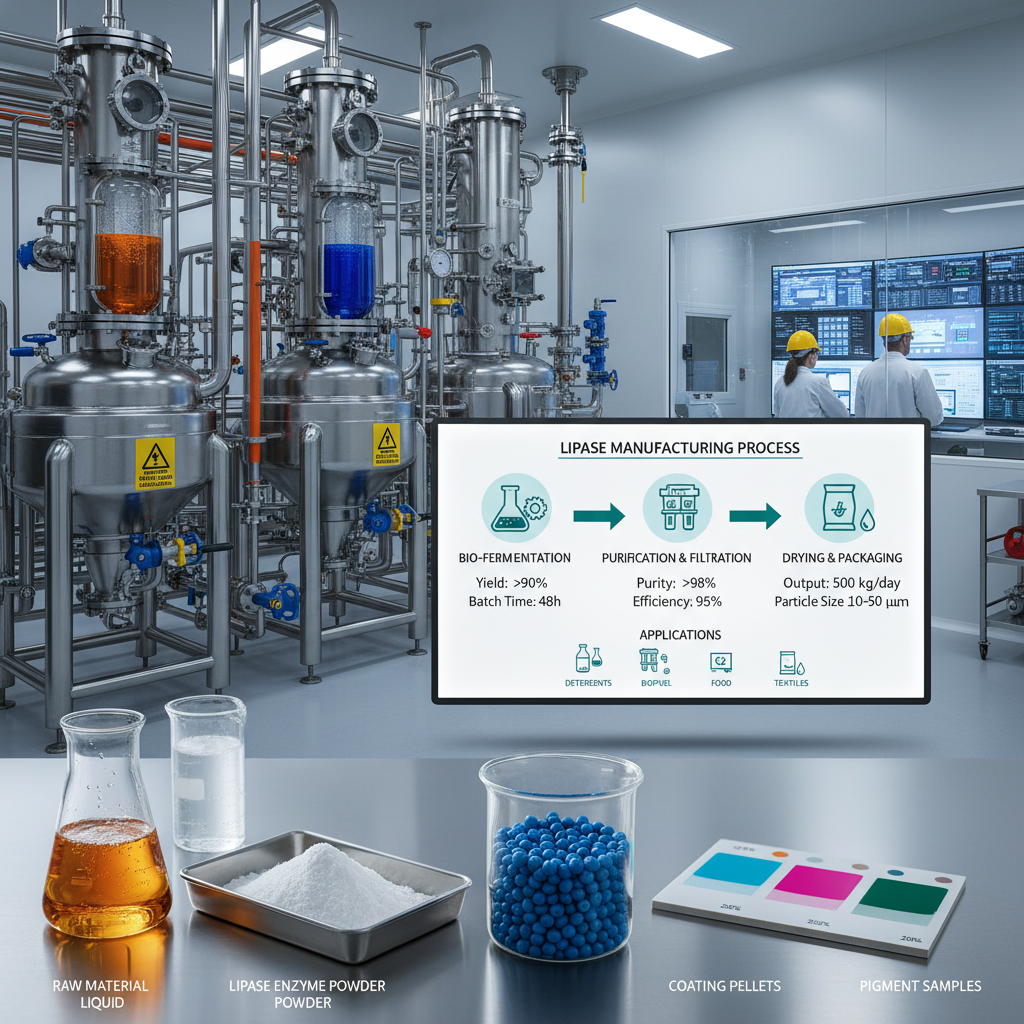
Lipase is a versatile and powerful enzyme with a broad spectrum of applications across diverse industries. Choosing a reputable supplier like ZJSLES ensures access to high-quality lipase that optimizes your processes and drives innovation.
By embracing lipase technology, businesses can achieve greater efficiency, sustainability, and product quality.
Frequently Asked Questions (FAQs)
What factors affect Lipase activity?
Several factors can influence lipase activity, including temperature, pH, substrate concentration, and the presence of inhibitors. Lipases generally exhibit optimal activity within a specific temperature and pH range. Enzyme activity typically increases with substrate concentration up to a certain point, beyond which it plateaus. Inhibitors can reduce or completely block enzyme activity. Understanding these factors is critical for optimizing lipase performance in a given application.
What is the difference between acid and alkaline lipase?
Acid lipases operate optimally at lower pH levels (around 4-6), while alkaline lipases function best at higher pH levels (around 8-10). This difference influences their application. Acid lipases are often used in food processing to enhance flavor development, while alkaline lipases are frequently employed in detergents for stain removal. The pH stability of a lipase is a crucial consideration when selecting it for a particular process.
How is lipase used in biodiesel production?
Lipase catalyzes the transesterification reaction between triglycerides (fats and oils) and alcohols (typically methanol or ethanol), producing biodiesel (fatty acid methyl esters) and glycerol. This process offers a more environmentally friendly alternative to traditional chemical catalysis, as it operates under milder conditions and produces fewer harmful byproducts. Lipase-catalyzed biodiesel production is gaining popularity due to its sustainability and efficiency.