Sodium Silicate: The Versatile Inorganic Chemical for Industrial Applications
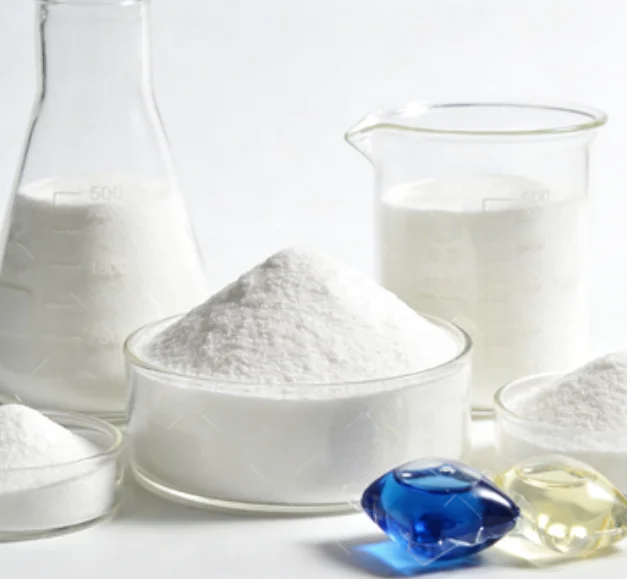
Commonly referred to as water glass or liquid glass, Sodium Silicate is a powerful inorganic compound characterized by its general formula Na₂O·nSiO₂. This unique chemical exists in various forms, ranging from colorless viscous aqueous solutions to solid powders. Renowned for its dual functionality as a high-strength inorganic binder and a source of alkalinity, it serves as a fundamental ingredient in a vast array of sectors including detergents, construction, and specialized manufacturing. Understanding its chemical profile is essential for optimizing industrial processes and product efficiency.

Core Mechanism of Sodium Silicate Action
The functionality of Sodium Silicate stems from its ability to provide alkaline buffering (typically pH 11-12.5) and reactive silicate ions in aqueous solutions. When the material dries or undergoes curing, it triggers a polymerization reaction, creating hard, glassy gels that function as powerful inorganic adhesives. Beyond binding, these silicate ions interact with metallic surfaces to form a micro-thin passivation layer, which effectively inhibits corrosion. This multi-layered chemical action makes it an indispensable tool for protecting equipment and enhancing structural integrity in harsh environments.
Technical Insight: The silica-to-soda ratio (n) determines the chemical's behavior. A lower ratio increases alkalinity, while a higher ratio improves film-forming and binding capabilities.
Role of Sodium Silicate in Detergents and Cleaning
In the cleaning industry, Sodium Silicate acts as a cornerstone builder. It enhances cleaning efficiency by maintaining an optimal alkaline pH for soil removal and emulsifying greasy residues. Furthermore, it prevents the corrosion of metal parts in washing machines and protects the fine glazes of ceramic dinnerware from caustic wash solutions. During the manufacturing of powdered detergents, it serves as a critical processing aid, ensuring the granules are free-flowing and structurally sound through the spray-drying process.
Key Cleaning Benefits:
• Buffers wash water to optimize soil suspension
• Stabilizes hydrogen peroxide in liquid bleaches
• Protects metallic hardware from alkaline corrosion
• Improves granule integrity in powdered soaps
Comparing Sodium Silicate Grades and Ratios
Choosing the correct grade of Sodium Silicate depends on the specific requirements of the application. The ratio of SiO₂ to Na₂O is the primary determinant of the product's performance. For instance, lower ratios are preferred when high alkalinity is required for cleaning, whereas higher ratios are essential for adhesive applications and fireproofing. Below is a comparison of common commercial specifications used in the industry.
Construction and Foundry Applications of Sodium Silicate
The binding and cementitious properties of Sodium Silicate are critical in heavy industries. In concrete production, it is used as a setting accelerator and to enhance acid resistance, significantly improving the durability of industrial flooring. In the foundry sector, it serves as the primary binder for sand casting, enabling the creation of complex metal castings with high precision. Additionally, its role in producing refractory cements allows for the development of high-temperature mortars that can withstand extreme thermal stress.

Diversified Industrial Uses of Sodium Silicate
Beyond basic construction, Sodium Silicate finds utility in numerous specialized sectors. In the pulp and paper industry, it is employed for de-inking recycled paper and as a strengthening binder for cardboard. For water treatment, it acts as a coagulant aid and a corrosion control agent in municipal water systems. One of its most critical modern applications is in fire protection; its intumescent properties—the ability to swell when heated—make it an ideal component for passive fire-resistant coatings.
Technical Specifications of Sodium Silicate
To ensure optimal performance in manufacturing, it is vital to adhere to strict technical specifications. The liquid grade of Sodium Silicate is typically measured by its solids content and pH level. Most industrial liquid grades maintain a solids content between 37% and 52%, with a pH value ranging from 11 to 13. These parameters ensure the chemical remains stable during storage and reactive during application.
Conclusion: The Strategic Value of Sodium Silicate
In summary, Sodium Silicate is an indispensable, economical, and multifunctional inorganic chemical. Its rare combination of high alkalinity, exceptional binding strength, and corrosion inhibition ensures its role as a critical component in everything from household laundry detergents to high-performance industrial binders. As global manufacturing demands more sustainable and cost-effective materials, the versatility of sodium silicate ensures its continued prominence across the chemical and manufacturing landscapes.
Frequently Asked Questions (FAQs)
What is the difference between low-ratio and high-ratio Sodium Silicate?
The primary difference lies in the silica-to-soda ratio. Low-ratio sodium silicate has a higher proportion of sodium oxide, which results in higher alkalinity and superior corrosion inhibition, making it ideal for detergents. High-ratio sodium silicate contains more silica, which enhances its polymerization capabilities, resulting in stronger binding and better film-forming properties. This makes the high-ratio version more suitable for adhesives, foundry binders, and fireproofing coatings. Choosing the correct ratio is critical to the success of the final chemical formulation.
How does Sodium Silicate provide corrosion protection?
Sodium silicate provides corrosion protection through a process of surface passivation. When the silicate ions in the solution come into contact with a metal surface, they react to form a micro-thin, dense, and transparent layer of silicate glass. This inorganic film acts as a physical barrier that prevents oxygen and moisture from reaching the metal surface, thereby inhibiting the oxidation process. In detergents, this is particularly important for protecting washing machine drums and delicate ceramic surfaces from the corrosive effects of highly alkaline cleaning agents.
Can Sodium Silicate be used in fireproofing?
Yes, it is widely used in passive fire protection due to its intumescent properties. When subjected to high heat, sodium silicate-based coatings can swell and form a thick, insulating char layer. This layer significantly reduces the rate of heat transfer to the underlying substrate (such as steel beams or wooden structures), preventing them from reaching their critical failure temperature. Because it is an inorganic material, it does not burn or emit toxic fumes, making it a safer alternative to some organic fire-retardant chemicals. You can find more specifications on the zjsles website.
What are the storage requirements for liquid Sodium Silicate?
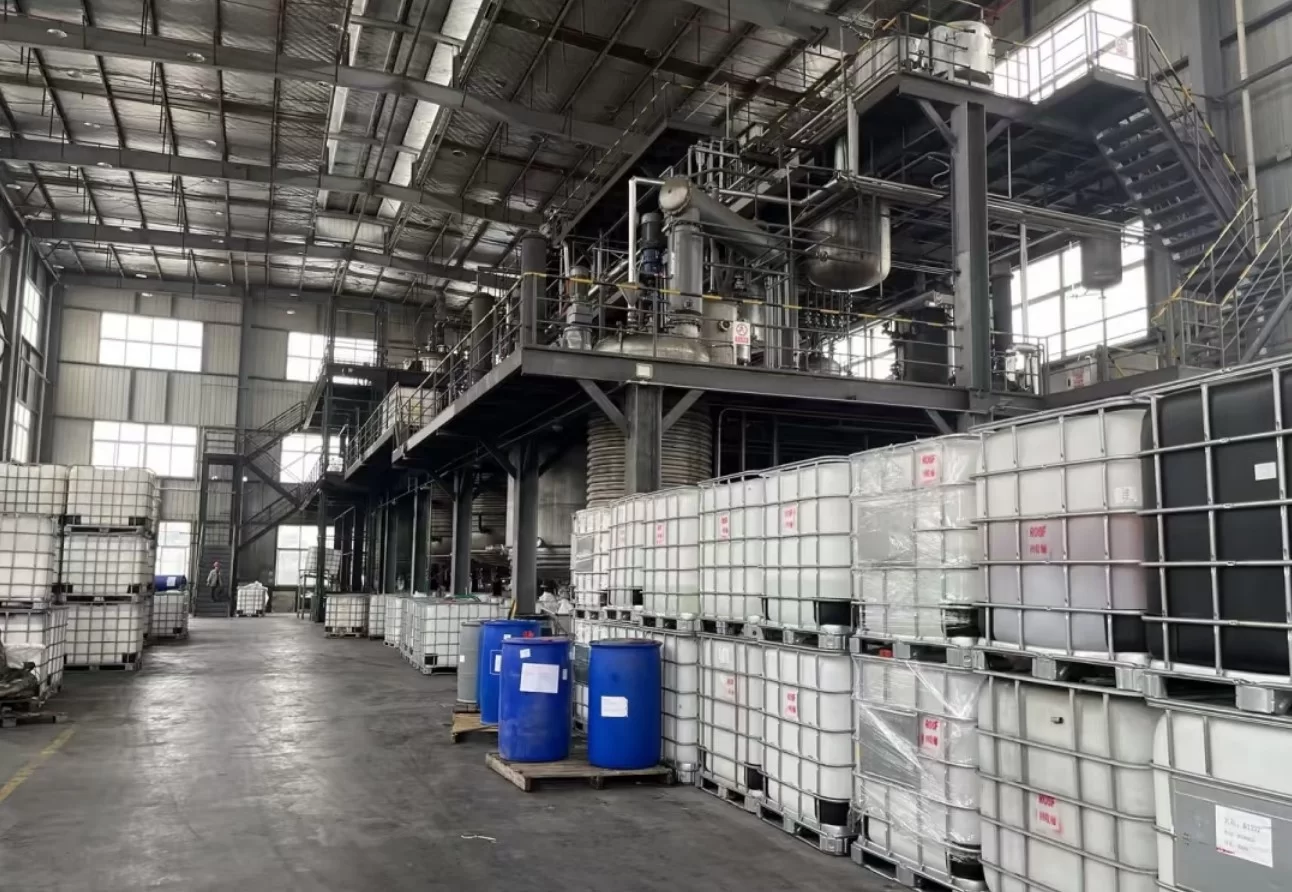
Liquid sodium silicate should be stored in airtight containers to prevent the absorption of carbon dioxide from the air, which can lead to the precipitation of silica (forming a "skin" or gel on the surface). It is recommended to use carbon steel or stainless steel tanks, although plastic containers are often used for smaller quantities. Storage areas should be kept cool and dry, away from strong acids, as sodium silicate reacts violently with acidic substances. Proper labeling and the use of personal protective equipment (PPE) are essential due to its strongly alkaline nature.