Comprehensive Guide to DMDMH: A Powerful Broad-Spectrum Preservative
In the world of chemical manufacturing and personal care, ensuring product stability is a critical challenge. DMDMH (Dimethyloldimethylhydantoin) has long been a cornerstone in antimicrobial preservation. As a formaldehyde-releasing agent, it provides an essential shield against the growth of bacteria, yeast, and mold in water-based formulations. This professional guide explores the chemical profile, the controlled-release mechanism, and the industrial applications of this versatile preservative, helping manufacturers balance efficacy with regulatory compliance in an ever-evolving market.

The Chemical Profile and Overview of DMDMH
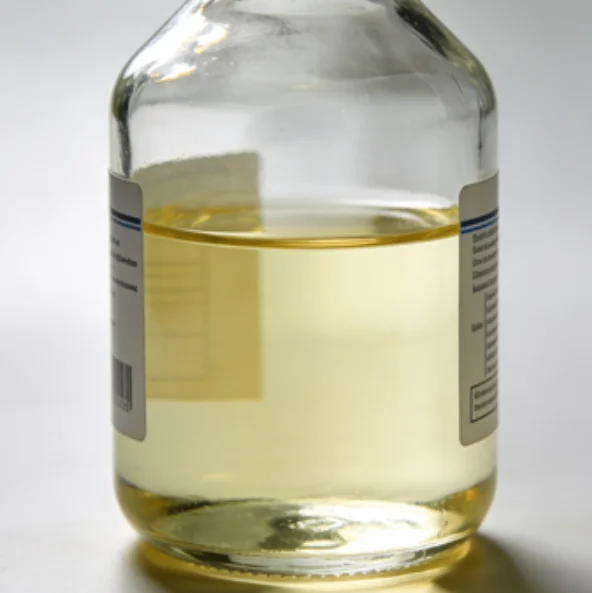
Technically known as 1,3-Dimethylol-5,5-dimethylhydantoin, DMDMH is an organic compound designed for high solubility in water and various polar solvents. It typically appears as a clear, colorless to pale yellow liquid. Its primary role is to act as a reservoir for antimicrobial activity, ensuring that cosmetics and industrial liquids remain free from spoilage throughout their intended shelf life. Because it is compatible with various surfactants and emulsifiers, it has become a staple in the specialty chemical manufacturing sector.
Core Identity: CAS Number 6440-58-0; Chemical Formula C7H12N2O4. It is highly effective in pH ranges between 4 and 9, making it suitable for a vast majority of consumer care products.
Controlled Release Mechanism: How DMDMH Works
The efficacy of DMDMH is rooted in its ability to perform a slow hydrolysis reaction in aqueous solutions. This process continuously releases minute amounts of formaldehyde, which serves as the active biocide. By alkylating proteins and nucleic acids within microbial cells, it causes the inactivation of essential enzymes and inevitable cell death. This "slow-release" nature allows for a lasting antimicrobial presence even at very low concentrations, typically between 0.1% and 0.6%.
Targeted Pathogens:
• Pseudomonas aeruginosa: Highly effective against this common opportunistic bacterium.
• Staphylococcus aureus: Strong inhibition of gram-positive bacteria.
• Candida albicans: Provides critical protection against yeast and mold spoilage.
Industrial Applications of DMDMH in Personal Care
Due to its potency and cost-effectiveness, DMDMH is integrated into a wide array of rinse-off and leave-on products. Its versatility allows it to maintain stability in complex mixtures containing thickeners and fragrance oils. From daily hygiene products to professional beauty treatments, its broad-spectrum protection is invaluable for preventing contamination during consumer use.
Regulatory Status and Safety of DMDMH
While highly effective, the use of DMDMH is subject to strict regulatory scrutiny. Because it releases formaldehyde—a known skin sensitizer—regulatory bodies like the European Union and China have capped its maximum concentration in finished cosmetics at 0.6%. For manufacturers, this means precision in formulation is paramount to avoid causing contact dermatitis in sensitive individuals.

Technical Specifications of DMDMH
To ensure the best results in industrial manufacturing, it is essential to understand the technical constraints of DMDMH. Its stability is highest in slightly acidic to neutral environments. However, it can interact with amines or other nucleophiles, which may reduce its preservative potency. Below is the standard specification table for professional procurement.
Market Trends and the Future of Preservatives
The landscape of chemical preservation is shifting toward "clean-label" and "formaldehyde-free" formulations. As consumer awareness grows, many major brands are phasing out DMDMH in favor of alternative preservation systems. Despite this, its high efficiency and low cost mean it remains widely used in industrial applications and regions with different regulatory thresholds. The transition reflects a broader move toward biocompatible and hypoallergenic chemistry.
Conclusion: Balancing Efficacy and Safety with DMDMH
DMDMH has proven itself as a reliable and economical broad-spectrum preservative for decades. While the market is trending toward alternative solutions, its ability to provide long-term microbial protection at low concentrations remains a technical advantage. For manufacturers, the key is to implement strict dosage controls and maintain transparency in labeling to ensure consumer safety. By choosing high-purity raw materials and adhering to global safety limits, industries can continue to leverage the power of this chemical effectively.
Frequently Asked Questions (FAQs)
What exactly is the "formaldehyde-releasing" property of DMDMH?
The formaldehyde-releasing property is a chemical process called hydrolysis. Unlike adding pure formaldehyde directly to a product, DMDMH acts as a precursor. It slowly breaks down in water, releasing very small, consistent amounts of formaldehyde over time. This creates a continuous "reservoir" of antimicrobial activity that kills bacteria and fungi upon contact, preventing the product from spoiling over several months of use.
Is DMDMH safe for use in leave-on cosmetic products?
Yes, DMDMH is permitted for use in both rinse-off and leave-on products, provided it stays within the legal limits (usually 0.6%). However, because it can release formaldehyde, some people with highly sensitive skin or known formaldehyde allergies may experience contact dermatitis. It is generally safer in rinse-off products (like shampoo) where contact time with the skin is minimal, but it remains effective in creams and lotions when formulated correctly.
How does pH affect the performance of DMDMH?
pH level significantly impacts the stability and release rate of DMDMH. It is most stable and effective in the pH range of 4 to 9. In highly acidic environments, the release rate may change, and in highly alkaline conditions (pH above 9), its efficacy can decrease significantly. Manufacturers must test the final pH of their formulation to ensure the preservative is functioning at its peak capacity to prevent microbial breakthrough.
What are the best alternatives to DMDMH for "Clean Beauty" brands?
Brands moving toward "Clean Beauty" often replace DMDMH with organic acids (like Sodium Benzoate or Potassium Sorbate), phenoxyethanol, or natural preservative blends. While these alternatives avoid the formaldehyde-releasing mechanism, they may require higher concentrations or combination systems to achieve the same broad-spectrum protection that a single agent like DMDMH provides. Choosing an alternative requires a thorough "Challenge Test" to ensure the product remains safe.