Maximizing Crop Yields with Agricultural Urea Granules
In the pursuit of global food security, the role of high-quality nitrogen fertilizers cannot be overstated. Among the various options available to modern farmers, Agricultural Urea Granules stand out as one of the most efficient and widely used nitrogen sources. By providing a concentrated form of nitrogen, these granules ensure that crops receive the essential nutrients required for vigorous vegetative growth and high yields. Understanding the chemistry, application methods, and benefits of this fertilizer is key to optimizing soil health and maximizing productivity in diverse climatic conditions.

The Chemical Composition of Agricultural Urea Granules
At its core, Agricultural Urea Granules are composed of nitrogen and carbon, with a typical nitrogen content of 46%. This high concentration makes urea the most nitrogen-dense solid fertilizer available, reducing transportation costs and storage requirements for large-scale farming operations. Once applied to the soil, urea undergoes hydrolysis, converting into ammonium and then nitrate, which are the forms of nitrogen that plants can readily absorb. This process is facilitated by the enzyme urease, which is naturally present in most soils.
Pro Tip: To prevent nitrogen loss through volatilization, it is recommended to incorporate granules into the soil or apply them just before a rainfall event.
Comparing Agricultural Urea Granules to Other Nitrogen Fertilizers
When choosing a fertilizer, farmers often compare urea with Ammonium Nitrate or Ammonium Sulfate. The primary advantage of Agricultural Urea Granules is the sheer volume of nitrogen per unit of weight. While Ammonium Nitrate is faster-acting, it is often more expensive and subject to stricter regulatory controls due to its explosive potential. Urea provides a balanced release of nutrients that, when managed correctly, supports the plant throughout its growth cycle without the extreme spikes associated with some liquid fertilizers.
Optimizing the Use of Agricultural Urea Granules
To achieve the best results, the application of Agricultural Urea Granules must be timed and positioned correctly. Top-dressing during the early growth stages of cereal crops, such as wheat or corn, provides the necessary nitrogen boost for stem elongation and leaf development. Additionally, using precision farming tools to apply urea in bands rather than broadcasting it can significantly reduce waste and minimize the impact on the surrounding environment, ensuring that the nutrients go directly to the root zone where they are needed most.

Technical Specifications for High-Grade Urea
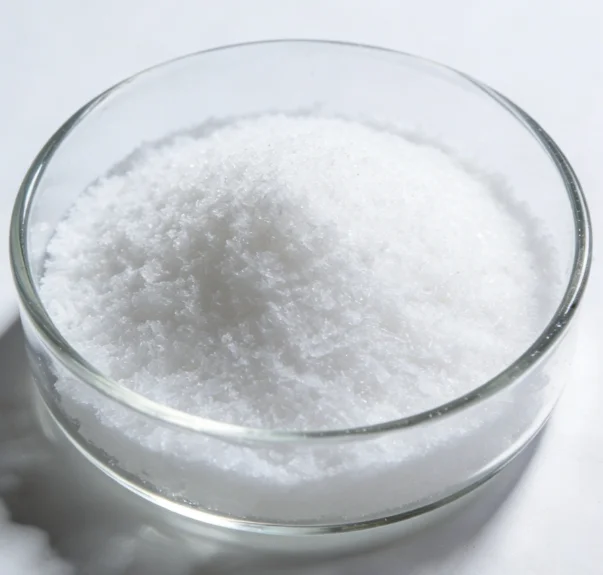
Quality control is essential when sourcing fertilizers. Professional-grade Agricultural Urea Granules are characterized by their uniform size, low moisture content, and high purity. Uniform granules ensure an even distribution across the field, preventing "burn" spots where nitrogen concentration is too high. The following table outlines the standard technical specifications that buyers should look for to ensure product efficacy and ease of mechanical application.
Environmental Considerations and Sustainability
While Agricultural Urea Granules are incredibly effective, sustainable farming requires a balanced approach to avoid environmental degradation. Over-application can lead to nitrate leaching into groundwater or the emission of nitrous oxide, a potent greenhouse gas. To mitigate these risks, farmers are encouraged to adopt "4R Nutrient Stewardship": applying the Right source, at the Right rate, at the Right time, and in the Right place. Integrating organic matter and crop rotation further enhances the efficiency of urea by improving soil structure and microbial activity.
Choosing the Right Supplier for Fertilizer
The efficacy of your harvest depends largely on the purity of your inputs. When searching for Agricultural Urea Granules, it is vital to partner with a supplier that provides transparent lab reports and adheres to international quality standards. A reliable supplier ensures that the granules are free from clumps and impurities, which prevents clogging in seeding machinery and ensures uniform nutrient delivery. By verifying certifications and reviewing logistical capabilities, agribusinesses can secure a steady supply of high-quality nitrogen to sustain their yearly production goals.
Conclusion: Enhancing Agriculture with Precision Nitrogen
In conclusion, Agricultural Urea Granules remain a cornerstone of modern farming due to their high nitrogen concentration and versatility. When applied with precision and care, they drive significant increases in crop yield and quality. By combining high-grade fertilizer with sustainable management practices, farmers can ensure a productive future while protecting the environment. For those seeking the highest standards in plant nutrition, investing in premium urea is a strategic step toward agricultural success.
Frequently Asked Questions (FAQs)
Why is Urea preferred over other nitrogen fertilizers?
Urea is preferred primarily because of its high nitrogen content (46%), which is the highest of all solid nitrogen fertilizers. This means farmers can apply less product to achieve the same nutrient result, significantly lowering shipping and handling costs. Additionally, its granular form makes it easy to spread using mechanical equipment, ensuring a more consistent application across large fields compared to liquid or powder alternatives.
Can Agricultural Urea Granules burn my plants?
Yes, if applied incorrectly, urea can cause "fertilizer burn." This happens when the high concentration of nitrogen draws moisture out of the plant roots or when the ammonia released during hydrolysis accumulates near the stem. To prevent this, avoid placing granules in direct contact with the plant stem and always ensure the soil is sufficiently moist. Incorporating the granules into the soil or using a diluted application method is the best way to protect your crops.
How should I store urea granules to maintain quality?
Urea is hygroscopic, meaning it absorbs moisture from the air, which can lead to clumping or "caking." To maintain the quality of Agricultural Urea Granules, store them in a cool, dry, and well-ventilated area. Keep the bags tightly sealed and stored on pallets to avoid direct contact with damp floors. Proper storage ensures that the granules remain free-flowing and easy to apply when the planting season arrives.
What is the best time of day to apply urea?
The best time to apply urea is typically in the early morning or late evening. Applying it during the heat of the day can increase the rate of ammonia volatilization, leading to nitrogen loss into the atmosphere. Applying urea when temperatures are cooler and humidity is higher allows the granules to dissolve and penetrate the soil more effectively, ensuring that the maximum amount of nitrogen reaches the plant roots.