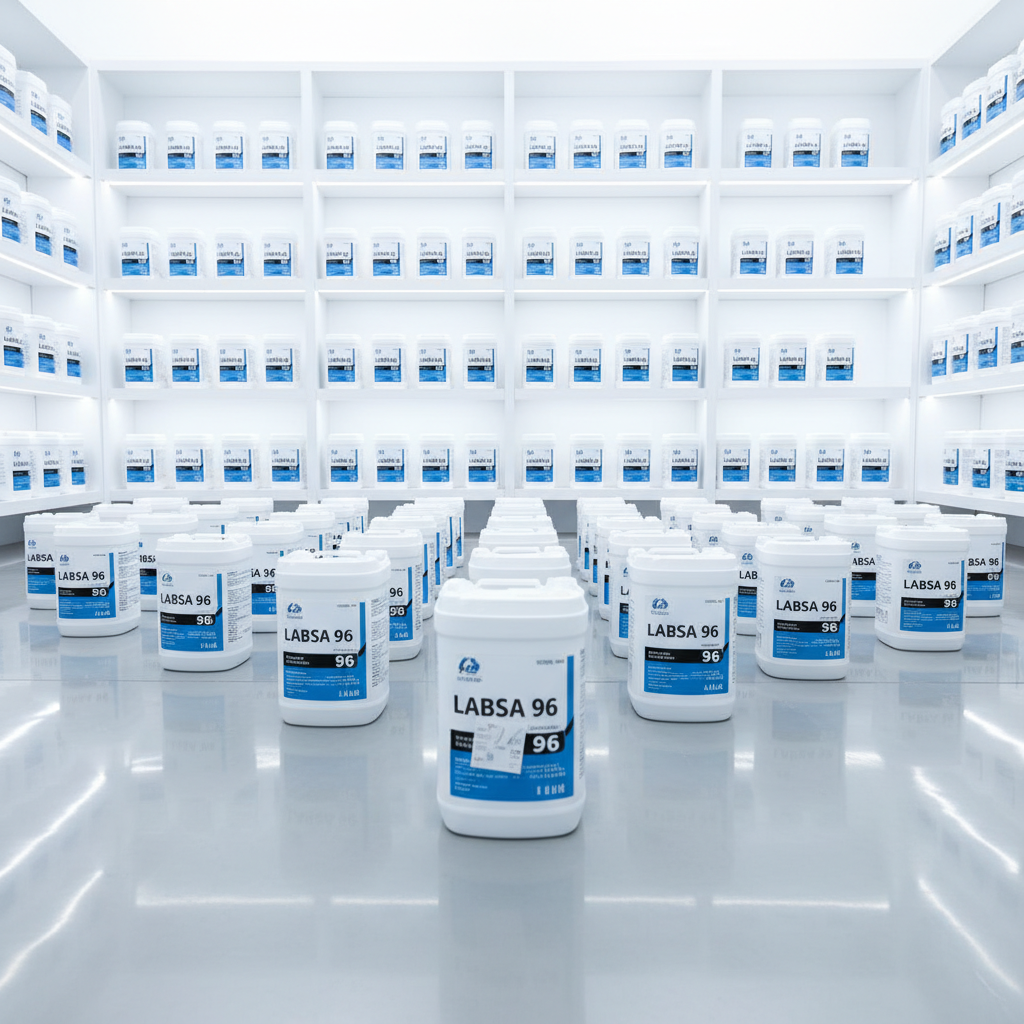
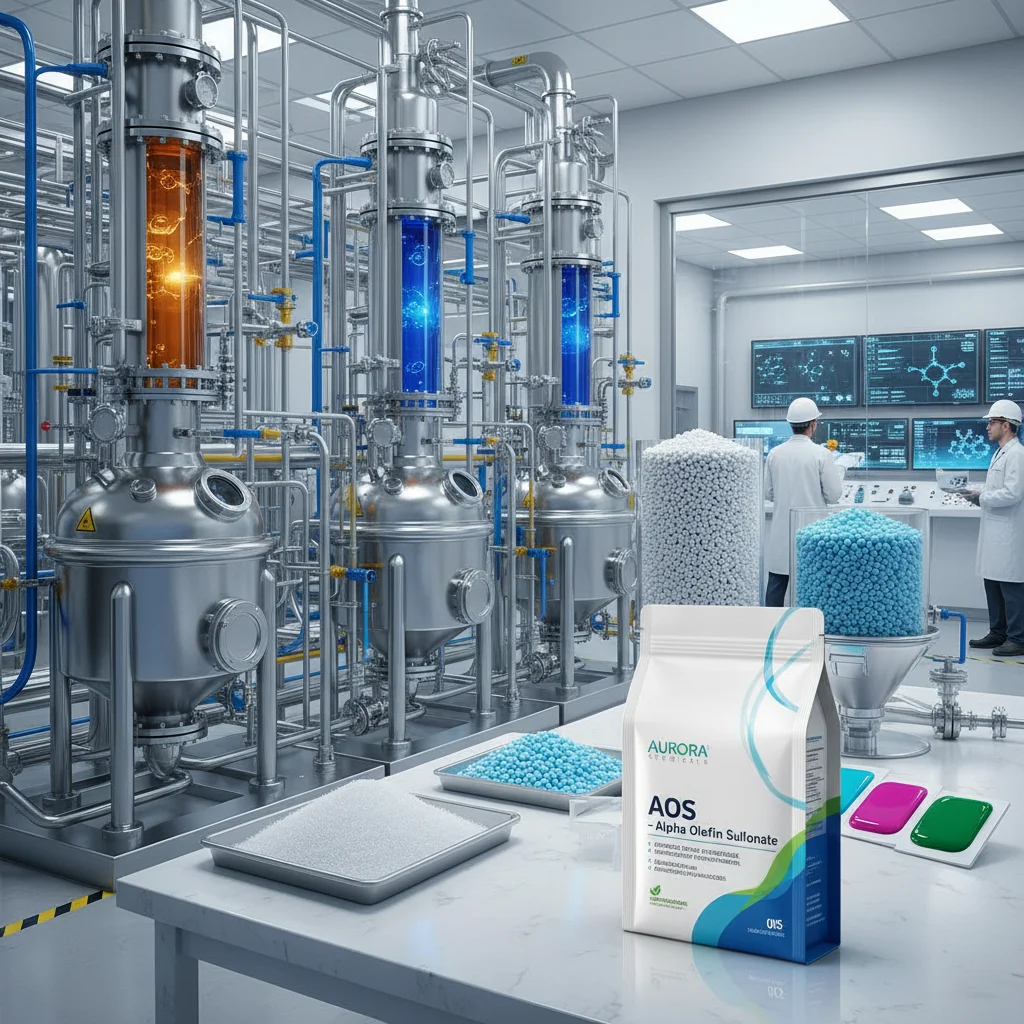
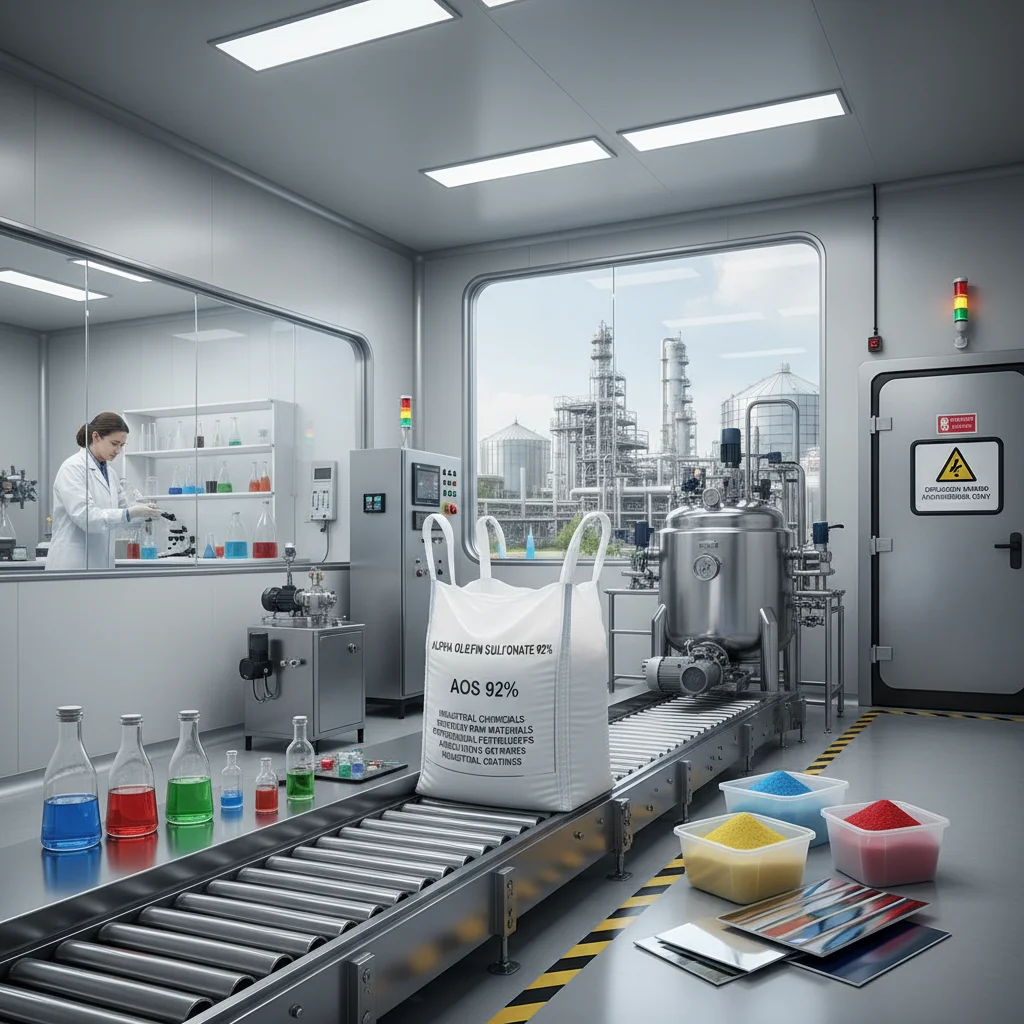
LABSA 96, or Linear Alkylbenzene Sulfonate, is a crucial surfactant widely utilized in the production of detergents, cleaning agents, and emulsifiers globally. Its effectiveness in removing dirt and oil, combined with its relatively low cost, has made it an indispensable component in both household and industrial cleaning products. Understanding the properties, applications, and future trends surrounding LABSA 96 is paramount for industries ranging from consumer goods to environmental management.
The global demand for LABSA 96 is consistently high, driven by a growing population and increasing hygiene awareness, particularly in developing nations. According to UN reports, access to basic sanitation and hygiene is a fundamental human right, and products containing LABSA 96 play a significant role in achieving this. However, the production and use of LABSA 96 also present environmental challenges, primarily related to biodegradability and potential aquatic toxicity, necessitating continuous research and innovation in more sustainable formulations.
This compound directly addresses the need for effective and affordable cleaning solutions worldwide. Its impact extends beyond simple cleanliness, contributing to public health, economic activity within the surfactant industry, and providing accessible hygiene for communities often lacking resources. The continued optimization of LABSA 96 production and application is critical for balancing efficacy with environmental responsibility.
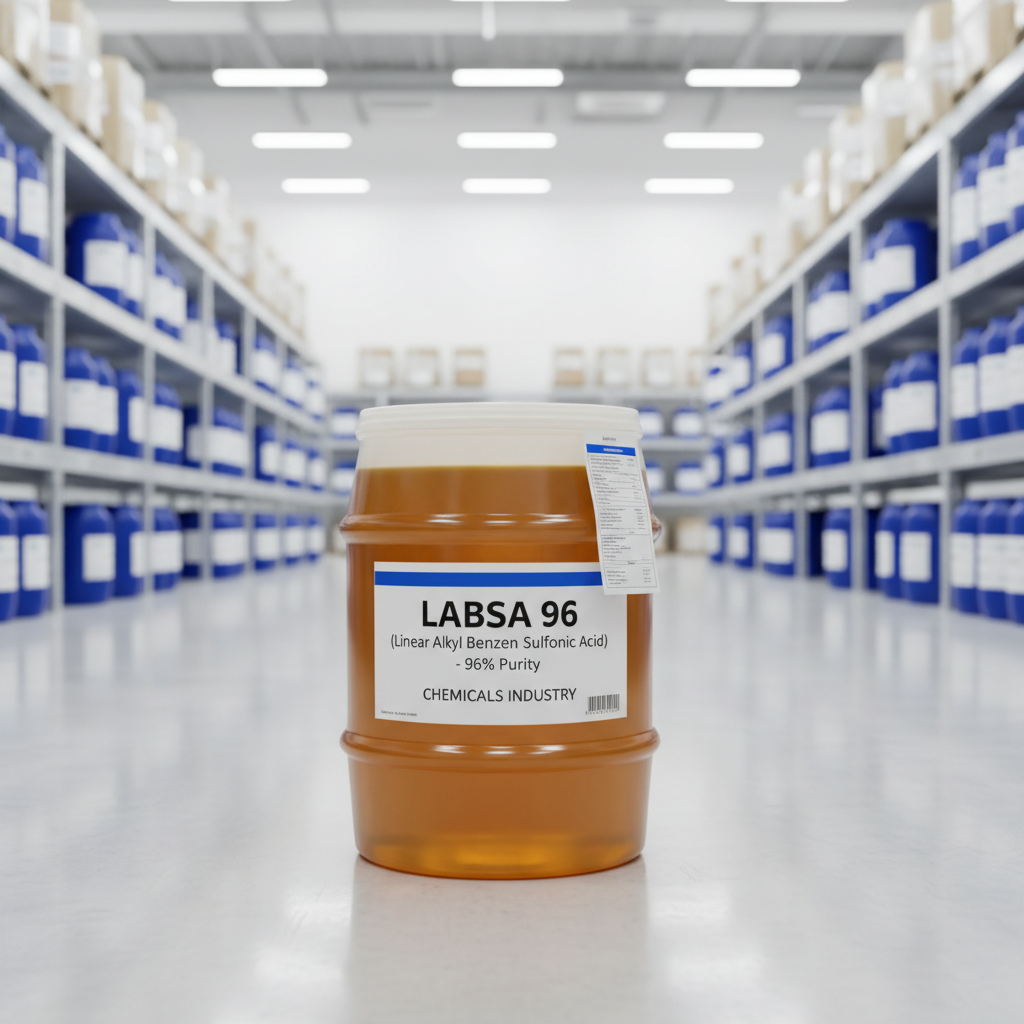
Introduction to LABSA 96
LABSA 96 is synthesized by sulfonating linear alkylbenzene, creating a compound possessing excellent detergency and emulsification properties. Its '96' designation typically refers to the minimum active matter content, indicating a highly concentrated product. This makes it efficient for various cleaning applications, requiring lower dosages compared to less concentrated surfactants.
The versatility of LABSA 96 stems from its ability to lower the surface tension of water, allowing it to penetrate and lift away dirt and grease. This property is exploited in everything from laundry detergents and dishwashing liquids to industrial cleaners and textile processing aids. Understanding its chemical structure and behavior is essential for formulating effective and environmentally sound cleaning solutions.
Global Relevance of LABSA 96
The demand for LABSA 96 is directly correlated with global economic growth and urbanization. As more people move to urban centers and experience rising living standards, the need for cleaning products increases significantly. The World Bank estimates that billions of people globally lack access to adequate sanitation facilities, underscoring the importance of affordable and effective cleaning agents like those formulated with LABSA 96.
Asia-Pacific represents the largest consumer of LABSA 96, driven by its massive population and rapidly expanding consumer market. China and India are particularly significant consumers, but demand is also growing steadily in Southeast Asian countries. Furthermore, the increasing emphasis on hygiene in healthcare settings worldwide contributes to a consistent demand for cleaning products containing this surfactant.
However, the environmental implications of LABSA 96 use are a growing concern. ISO standards are continually evolving to address biodegradability and aquatic toxicity. Consequently, research into more sustainable alternatives and optimized formulations is critical for ensuring responsible use and minimizing environmental impact.
Defining LABSA 96
Simply put, LABSA 96 is an anionic surfactant – a chemical compound that lowers the surface tension between a liquid and a solid. This property allows water to spread more easily, effectively wetting surfaces and facilitating the removal of dirt, grime, and oil. It is derived from petroleum sources and is commonly available as a viscous liquid or paste.
Its connection to modern industry and humanitarian needs is profound. In industrial settings, LABSA 96 is essential for various processes like textile manufacturing, leather treatment, and agrochemical formulations. From a humanitarian perspective, it forms a cornerstone of hygiene products used in disaster relief and sanitation programs, providing a basic level of cleanliness critical for preventing disease.
The “96” designation signifies the minimum percentage of active surfactant content, assuring manufacturers and consumers of its potency and efficiency. This high concentration translates to reduced product volume and lower transportation costs, making it economically advantageous.
Key Characteristics of LABSA 96
One of the most significant characteristics of LABSA 96 is its excellent detergency – its ability to remove dirt and oil from surfaces. This is a direct result of its molecular structure, which allows it to emulsify oils and suspend particulate matter in water, facilitating their removal. Furthermore, it displays good foaming properties, enhancing the cleaning experience for consumers.
LABSA 96 is also known for its solubility in hard water, a critical factor in many regions where water supplies contain high mineral content. This prevents the formation of insoluble precipitates that can reduce cleaning effectiveness and leave unsightly residues. Its relatively low cost compared to other surfactants also makes it an attractive option for large-scale production.
LABSA 96 Performance Metrics
Applications of LABSA 96
The most prominent application of LABSA 96 lies in the production of laundry detergents, both liquid and powder forms. Its excellent cleaning power and foaming ability make it ideal for removing stains and dirt from fabrics. It’s also a critical component in dishwashing liquids, effectively cutting through grease and food residue.
Beyond household cleaning, LABSA 96 finds extensive use in industrial cleaning applications, such as metal degreasing, textile processing, and leather tanning. Its emulsifying properties are vital in these processes, ensuring thorough cleaning and preparing surfaces for further treatment. In remote industrial zones, its cost-effectiveness is a key advantage.
Advantages and Value of LABSA 96
The primary advantage of LABSA 96 is its cost-effectiveness. Compared to many other surfactants, it offers a high level of performance at a relatively low price, making it accessible to a wide range of consumers and industries. Furthermore, its good solubility in hard water eliminates the need for expensive water softening agents in many formulations.
From a sustainability perspective, ongoing research focuses on improving the biodegradability of LABSA 96-based formulations. While not inherently readily biodegradable, advancements in production processes and the incorporation of co-surfactants are leading to more environmentally friendly products. The trust that consumers place in well-known brands utilizing LABSA 96 reflects its long-standing reputation for effective cleaning.
Future Trends in LABSA 96
The future of LABSA 96 lies in developing more sustainable production methods and formulations. The industry is actively exploring the use of renewable feedstocks to replace petroleum-based raw materials, reducing the carbon footprint of LABSA 96 production. Furthermore, research is focused on enhancing its biodegradability and minimizing its aquatic toxicity.
Digital transformation is also impacting the LABSA 96 industry, with companies utilizing data analytics to optimize production processes, improve quality control, and better understand customer needs. Automation in manufacturing plants is increasing efficiency and reducing costs, while advancements in formulation technology are enabling the creation of more specialized and high-performing cleaning products.
The shift towards “green chemistry” principles will continue to drive innovation in the surfactant industry, fostering the development of more environmentally responsible alternatives to traditional LABSA 96 formulations. This includes exploring the use of bio-based surfactants and optimizing the concentration of LABSA 96 to minimize its environmental impact.
Table Summarizing Challenges and Potential Solutions for LABSA 96
| Challenge |
Impact Area |
Potential Solution |
Implementation Difficulty (1-10) |
| Limited Biodegradability |
Environmental Impact |
Co-surfactant Formulation |
6 |
| Petroleum-Based Feedstock |
Resource Depletion |
Renewable Feedstock Research |
8 |
| Aquatic Toxicity Concerns |
Ecosystem Health |
Optimized Dosage & Dilution |
4 |
| Production Cost Fluctuations |
Economic Viability |
Process Optimization & Automation |
7 |
| Stringent Environmental Regulations |
Compliance & Legal Risks |
Proactive Regulatory Monitoring |
5 |
| Consumer Demand for Eco-Friendly Products |
Market Share & Brand Reputation |
Transparency & Sustainable Labeling |
3 |
FAQS
LABSA 96 acts as the main surfactant in laundry detergents, reducing the surface tension of water to allow it to penetrate fabrics and lift away dirt and stains. Its anionic nature helps to emulsify oils and suspend particulate matter, preventing redeposition onto the cleaned clothes. A higher active matter content, like in LABSA 96, means greater cleaning power with less product needed.
While LABSA 96 isn't inherently rapidly biodegradable, significant advances are being made in improving its environmental profile. Formulations with co-surfactants and optimized production processes are enhancing biodegradability. However, it’s crucial to use responsible disposal methods and adhere to local environmental regulations. Ongoing research focuses on utilizing renewable feedstocks for production, further reducing its environmental impact.
The '96' denotes the minimum percentage of active matter in the product – typically around 96%. A higher active matter content means a more concentrated surfactant, requiring lower dosage rates to achieve the same cleaning effect. This translates to cost savings, reduced packaging, and lower transportation costs, making it a more efficient and economical option.
LABSA 96 has diverse industrial applications, including textile processing (wetting and scouring), leather tanning (degreasing), agrochemical formulations (emulsifiers), and metal cleaning (degreasing). Its versatility as a surfactant makes it valuable in processes requiring effective oil removal and emulsification. It's also found in certain types of paints and coatings.
LABSA 96 can be irritating to skin and eyes. Direct contact should be avoided by wearing appropriate personal protective equipment (PPE) like gloves and safety glasses. In case of contact, flush thoroughly with water. Refer to the Safety Data Sheet (SDS) for comprehensive safety information and handling guidelines. Proper ventilation is also recommended during handling.
Current trends include a focus on sustainable production through renewable feedstocks, enhanced biodegradability through co-surfactants, and process optimization via automation and data analytics. The industry is also responding to increasing consumer demand for eco-friendly products by developing formulations with reduced environmental impact and transparent labeling. Regulatory compliance is another driving force shaping production practices.
Conclusion
LABSA 96 remains a vital surfactant across a broad spectrum of industries, driven by its cost-effectiveness, versatility, and proven cleaning performance. From household detergents to industrial applications, its ability to lower surface tension and emulsify oils continues to make it indispensable. However, recognizing and addressing the environmental concerns associated with its production and use is crucial for its long-term sustainability.
Looking ahead, the future of LABSA 96 hinges on innovation in sustainable production methods, the exploration of renewable feedstocks, and ongoing efforts to enhance its biodegradability. By embracing these advancements and prioritizing environmental responsibility, the industry can ensure that LABSA 96 continues to serve as a valuable cleaning agent while minimizing its impact on the planet. For more information and to explore our LABSA 96 products, visit our website: www.zjsles.com