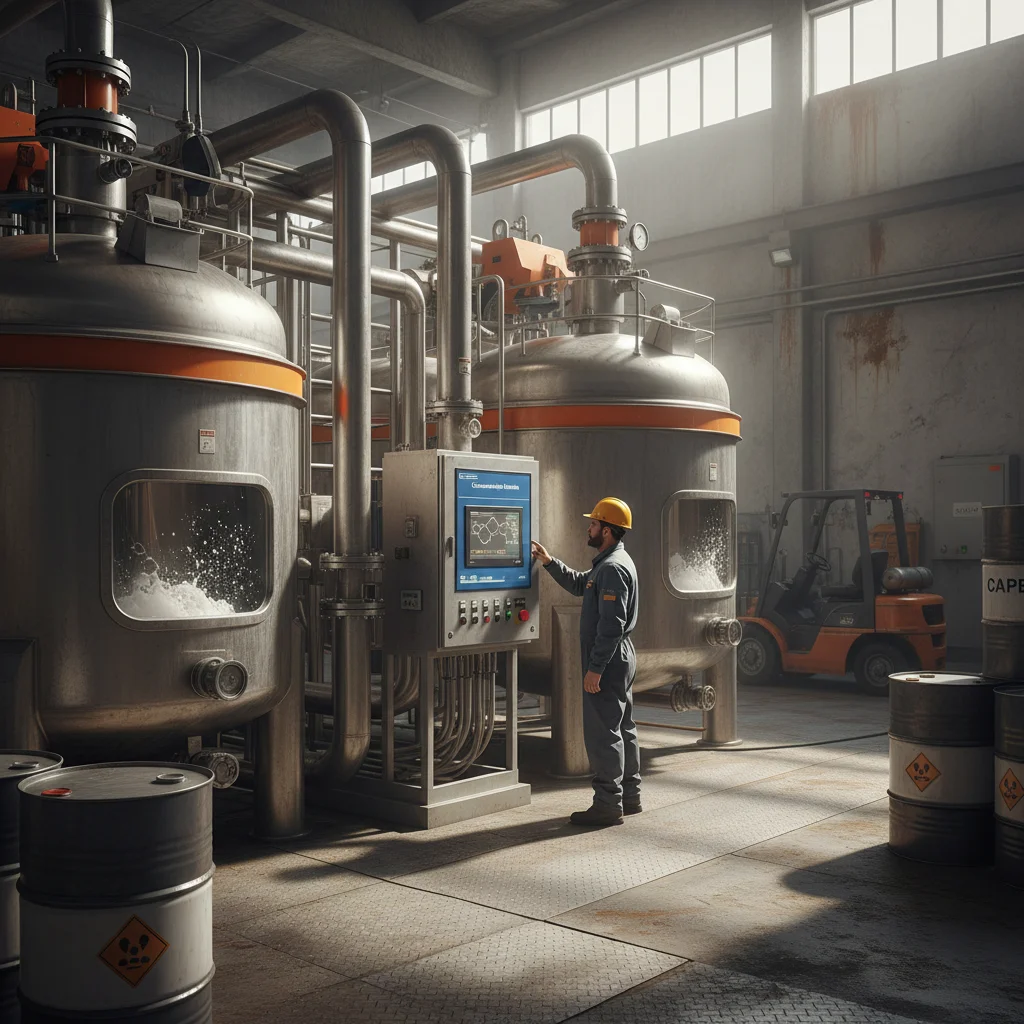
To be honest, these days everyone's talking about prefabrication, modular construction, and how to speed things up. You go to any construction site, and that’s all you hear. It’s gotten to the point where if you don't mention BIM, people look at you funny. But you know what I’ve noticed? A lot of these fancy designs… they look great on paper, but they're a nightmare to actually build. Simple is often better. Especially when you’re dealing with real-world conditions, not some perfectly calibrated lab environment.
I remember being at a factory in Jiangsu last time, and they were pushing this new composite material – supposed to be the next big thing. Lightweight, strong, eco-friendly… the whole spiel. But when you actually handled it, it felt… flimsy. Like it would splinter if you looked at it wrong. And the smell! It smelled like chemicals and regret. Anyway, I think people get too caught up in the specs and forget about the feel of the stuff. A good builder should be able to tell if something’s going to work just by picking it up.
We’ve been using a lot of 96% LABSA lately, mostly in the concrete admixtures. It’s become pretty standard, really. It helps with workability, reduces surface tension – all the fancy stuff the engineers talk about. But it's not a magic bullet, you know? You still need to get the mix right, the water content correct, and make sure your aggregate is clean. Because if that stuff is off, the LABSA isn’t going to save you.
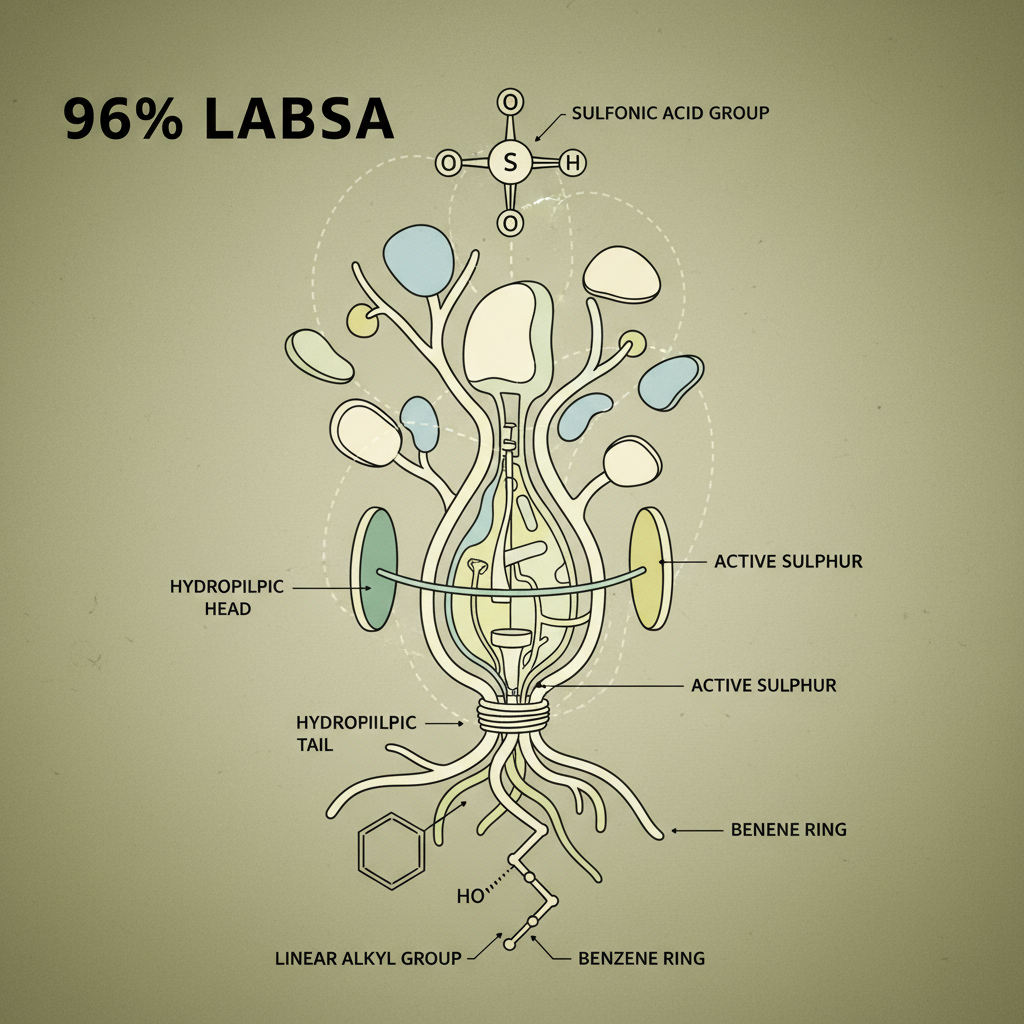
The Current Landscape of Construction and 96% LABSA
Have you noticed how everything's about efficiency now? Prefabrication, speed to market… everyone wants things done yesterday. And that puts a lot of pressure on the materials. They have to be reliable, easy to work with, and deliver consistent results. That's where things like 96% LABSA come in. It's not glamorous, but it’s a solid workhorse. It’s been around for a while now, so it’s not some fly-by-night solution.
It’s mostly used in concrete admixtures – superplasticizers, air-entraining agents, stuff like that. But it's also popping up in other applications, like gypsum boards and even some types of coatings. The demand is increasing, especially in developing countries where they’re building infrastructure at a breakneck pace.
Design Pitfalls and The Importance of Practicality with 96% LABSA
Strangely, the biggest problem I see isn't usually with the materials themselves, but with the designs. Architects come up with these amazing, complex shapes, and then they expect the builders to make them a reality without any consideration for how it's actually going to be built. And then they wonder why things go over budget and behind schedule. With 96% LABSA, you need to consider its interaction with other components in the concrete mix - sometimes, a seemingly minor change in design can drastically affect performance if the mix isn’t adjusted accordingly.
I encountered this at a housing project in Shanghai last year. They had this cantilevered balcony design that looked fantastic, but it required a very specific concrete mix to handle the stresses. The engineer had specified a high dosage of a superplasticizer containing 96% LABSA, but he hadn’t accounted for the humidity and temperature fluctuations. The concrete set too quickly, and it developed cracks. A total mess.
It all comes down to practicality. If it can’t be built efficiently and reliably, it doesn't matter how beautiful it looks on paper. You need to think about logistics, labor skills, and the availability of materials. That's why I always say, keep it simple, stupid.
Material Considerations: Beyond the Datasheet for 96% LABSA
You know, you can read all the datasheets you want, but they don’t tell you everything. Like, the quality of 96% LABSA can vary wildly depending on the manufacturer. Some stuff is bright white and flows like water, others are yellowish and a bit more viscous. And the smell… that’s a good indicator, honestly. A strong, chemical smell usually means it’s not the highest quality.
The way it feels is important too. When you’re mixing concrete, you can tell if the LABSA is dispersing properly. If it’s clumping or leaving residue, that’s a bad sign. And you need to be careful about storage. It absorbs moisture, so you need to keep it sealed in airtight containers. I once saw a whole batch ruined because the bags had been left open in a humid warehouse. It became a gummy mess.
The aggregate matters too. If your sand and gravel are contaminated with clay or organic matter, the LABSA won't work as effectively. You need to make sure everything is clean and properly graded. It's a whole system, you see? It’s not just about adding a chemical; it’s about understanding how all the components interact with each other.
Real-World Testing of 96% LABSA and Concrete Admixtures
Forget the lab tests. Those are useful for initial screening, but the real test is on the construction site. That's where you see how the concrete actually performs under real-world conditions. I like to do simple slump tests, air content tests, and setting time tests on every batch, just to make sure everything's within spec.
But more importantly, I watch how the concrete flows and finishes. Is it easy to pour and spread? Does it hold its shape? Does it bleed excessively? These are the things that matter to the guys on the ground. And I also check for cracking after a few days, a week, a month. You can learn a lot from just observing the concrete.
96% LABSA Performance Indicators
Actual Usage vs. Intended Usage of 96% LABSA
Here's the thing: engineers design these mixes based on ideal conditions. But the real world isn’t ideal. The temperature’s wrong, the humidity’s off, the workers are mixing it a little differently… things happen. So, sometimes you need to adjust the dosage of the 96% LABSA on the fly, based on what you’re seeing.
I've seen guys adding extra LABSA to compensate for poor quality aggregate, or reducing it because the concrete is setting too fast in hot weather. It’s all about experience and judgment. And it's not something you can learn from a textbook.
Advantages, Disadvantages, and Customization of 96% LABSA
Okay, let’s talk pros and cons. 96% LABSA is great for improving workability, reducing water content, and increasing strength. It’s also relatively cheap, which is always a plus. But it can be sensitive to other chemicals in the mix, and it can cause air entrainment, which can reduce strength if it’s not controlled.
You can customize the dosage to achieve different effects. For example, if you want a very fluid concrete for self-consolidating applications, you can use a higher dosage. Or, if you want to improve the durability of the concrete, you can use a lower dosage and combine it with other admixtures. It’s all about finding the right balance.
A Customer Story: The Type-C Interface Debacle and 96% LABSA Relevance
Last month, that small boss in Shenzhen who makes smart home devices insisted on changing the interface to Type-C on their new housing enclosures. Said it looked “more modern”. The result? They couldn't get the adhesive to bond properly to the plastic. Turns out the new plastic formulation didn’t play nice with the existing adhesive and needed a different 96% LABSA-based admixture to create a suitable bonding surface. Cost them a fortune in rework and delays.
It just goes to show, you can’t change one thing without affecting everything else. And a lot of times, the smallest details can make the biggest difference. This highlights why understanding material interactions – particularly how 96% LABSA behaves in various applications – is crucial.
Later… Forget it, I won’t mention the supplier he used. Let’s just say they weren’t known for their quality control.
Core Aspects of 96% LABSA Performance in Concrete
| Component Interaction |
Environmental Impact |
Dosage Sensitivity |
Workability Enhancement |
| Compatibility with cement type (OPC, PPC, etc.) |
Temperature and humidity effects on set time |
Optimal range for desired concrete properties |
Slump value improvement (measured in mm) |
| Influence of aggregate size and grading |
Resistance to freeze-thaw cycles |
Impact of overdosing and underdosing |
Ease of placement and consolidation |
| Interaction with other admixtures (air-entraining, retarders) |
Long-term durability in aggressive environments |
Synergistic effects with other additives |
Reduced water content for increased strength |
| Effect of 96% LABSA on cement hydration |
Impact of chloride exposure on corrosion resistance |
Cost-effectiveness compared to alternative admixtures |
Reduced segregation and bleeding |
| Compatibility with different cement standards (ASTM, EN) |
Sustainability considerations (carbon footprint) |
Long-term stability of the admixture solution |
Improved surface finish |
| Impact on setting time (initial and final) |
Resistance to sulfate attack |
Potential for discoloration or staining |
Reduced labor costs due to easier placement |
FAQS
The optimal dosage really depends on a whole bunch of factors – the type of cement, the aggregate grading, the desired slump, the ambient temperature, and so on. As a rule of thumb, you're looking at between 0.3% to 1.5% by weight of cement, but honestly, the best way to figure it out is to do some trial mixes and see what works best for your specific situation. It’s not a one-size-fits-all answer, unfortunately. You need to test and adjust.
Generally, yes, but it's not always straightforward. 96% LABSA works well with ordinary Portland cement (OPC), but you need to be a bit more careful with other types, like Portland pozzolana cement (PPC) or blended cements. Sometimes, you might need to adjust the dosage or combine it with other admixtures to get the desired results. It's important to check the compatibility before using it on a large scale.
Overdosing can cause a lot of problems. The biggest one is excessive air entrainment, which can reduce the strength of the concrete. It can also lead to segregation and bleeding, and make the concrete sticky and difficult to work with. Plus, it’s a waste of money! You’re better off sticking to the recommended dosage and adjusting it as needed.
When used correctly, 96% LABSA can actually improve the long-term durability of concrete. By reducing the water content, it decreases the permeability, which makes the concrete more resistant to chloride penetration and sulfate attack. However, it's crucial to ensure proper mix design and curing to maximize these benefits. Otherwise, you could end up with cracking and deterioration.
That’s a complicated question. 96% LABSA itself isn’t exactly “green,” but it can help reduce the cement content in concrete, which lowers the carbon footprint. Plus, by improving workability, it can reduce labor and energy consumption on-site. It's a trade-off, really. You need to consider the whole lifecycle of the concrete, not just the LABSA itself. There are also bio-based alternatives being developed, but they aren’t quite there yet in terms of performance and cost.
This is important! You gotta keep it sealed in airtight containers, away from moisture and direct sunlight. It's hygroscopic, meaning it absorbs water from the air, which can degrade its performance. I've seen whole shipments ruined because the bags were left open in a humid warehouse. Check the expiry date too, and don't use anything that’s past its prime. Trust me, it’s not worth the risk.
Conclusion
Ultimately, 96% LABSA is a valuable tool in the concrete toolbox. It improves workability, reduces water content, and increases strength, but it’s not a silver bullet. It requires careful mix design, proper application, and a good understanding of how it interacts with other materials. You can't just throw it in and hope for the best.
The thing is, whether this thing works or not, the worker will know the moment he tightens the screw. They’re the ones on the ground, dealing with the real-world challenges. So, listen to them, learn from them, and always prioritize practicality over theory. And, if you’re looking for a reliable supplier of 96% LABSA, visit our website for more information.