Alkyl Polyglycoside: A Greener Surfactant Shaping Industries Globally
If you've ever used a gentle detergent or eco-friendly cleaner, chances are you’ve encountered alkyl polyglycosides (APGs), even if you didn’t realize it. These naturally derived surfactants are quietly revolutionizing cleaning products and beyond, offering sustainability without sacrificing performance. Understanding alkyl polyglycosides matters because, frankly, they address a worldwide demand for safer, biodegradable chemicals in industries from household cleaning to personal care and agriculture.
Behind this topic lies a fascinating intersection of green chemistry, industrial innovation, and environmental stewardship — a realm increasingly vital as global populations seek solutions minimizing ecological footprints. So, let’s unpack what alkyl polyglycosides bring to the table, why they matter worldwide, and where this technology is headed.
Introduction: A Global Context for Alkyl Polyglycosides
Sustainability trends are hard to miss. The United Nations’ Sustainable Development Goals (SDGs), among other international frameworks, encourage chemicals that reduce environmental harm. According to ISO standards and global market reports, the surfactant segment is estimated to grow steadily, particularly for greener, bio-based products. Alkyl polyglycoside fits neatly into this shift — it’s a surfactant derived primarily from plant sugars and fatty acids. Globally, consumers and manufacturers want gentle yet effective products that degrade easily and have minimal toxicity — a challenge many synthetic surfactants fail to meet.
In real terms, many industries have been grappling with the balance between efficacy and eco-friendliness. The use of harsh chemicals presents health and environmental risks. Alkyl polyglycosides address these concerns, with the potential to replace petroleum-derived surfactants while maintaining quality. From Europe to Asia to the Americas, this green alternative is gaining traction.
What Exactly Are Alkyl Polyglycosides?
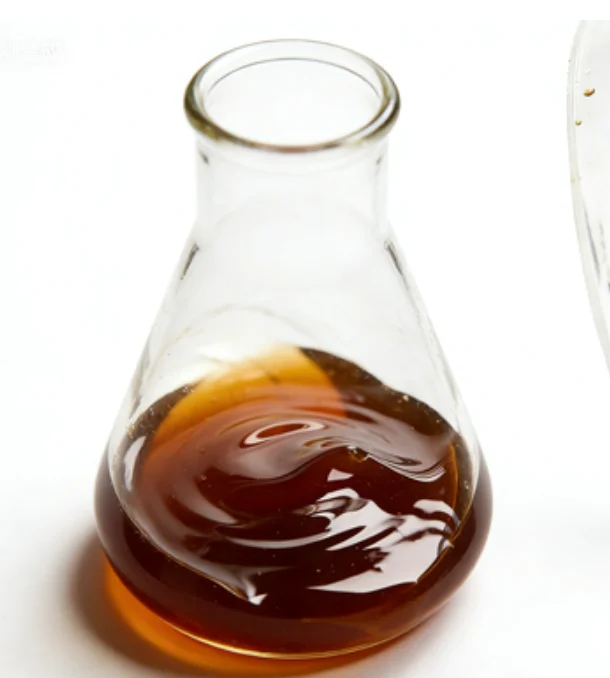
Simply put, alkyl polyglycosides are a class of non-ionic surfactants synthesized from glucose (a sugar) and fatty alcohols typically sourced from palm oil or coconut oil. Because they come from renewable resources, they break down more readily in the environment compared to traditional surfactants. Their molecular structure combines a hydrophilic (water-loving) sugar head and a hydrophobic (oil-loving) alkyl tail, making them excellent at lowering surface tension and helping water mix with oils or dirt — which is the magic behind detergents and emulsifiers.
This natural foundation connects alkyl polyglycosides directly to pressing needs in modern industry — demand for safer cleaning agents, personal care formulations with minimal irritation, and even agriculture formulations that reduce chemical load on the soil.
Key Components of Alkyl Polyglycosides and Their Roles
Sustainability of Raw Materials
The building blocks are plant-derived sugars and fatty alcohols, which makes APGs renewable and biodegradable. Many manufacturers source certified sustainable palm or coconut oils to reduce ecological impact.
Mildness and Skin Compatibility
APGs are prized for their low irritation potential, making them popular in personal care products like shampoos and body washes. This mildness also means they’re safe for sensitive skin and babies, supporting product versatility.
Cleaning Efficiency
Despite their gentle nature, alkyl polyglycosides still pack a punch in removing oils, greases, and dirt. They form stable foams and emulsify stubborn stains, which explains their widespread use in detergents and household cleaners.
Biodegradability
Unlike many synthetic surfactants that stubbornly persist in wastewater, APGs break down relatively quickly. This reduces pollution and helps water systems stay healthier long-term.
Compatibility
Another neat feature is their excellent compatibility with other surfactants and ingredients, allowing formulators to create a broad range of products tailored to specific needs.
Cost and Scalability
While still sometimes pricier than petrochemical options, advances in green chemistry and sourcing efficiency have made APGs more affordable and scalable. Their increasing adoption helps push costs downward.
Mini Takeaway: Alkyl polyglycosides balance performance and environmental responsibility due to their plant-based origins, mildness, and biodegradability, making them practical across multiple industries.
Global Applications & Use Cases for Alkyl Polyglycosides
- Household & Industrial Cleaners: From kitchen detergents to heavy-duty industrial degreasers, APGs provide effective cleaning without harsh chemicals.
- Personal Care Products: Shampoos, body washes, facial cleansers formulated with APGs benefit sensitive or allergy-prone users worldwide.
- Agriculture: Applied in pesticide and herbicide formulations, APGs improve spreading and reduce the need for toxic solvents.
- Textile and Paper Industries: Used as emulsifiers and wetting agents helping processes that emphasize environmental compliance.
For example, European eco-conscious consumers increasingly demand products containing alkyl polyglycosides. In Southeast Asia, where palm oil is abundant, manufacturers use APGs extensively to create sustainable goods with local raw materials. NGOs promoting safe chemical use in developing countries also incorporate APG-based cleaners for health and environmental benefits.
Advantages & Long-Term Value of Alkyl Polyglycosides
The appeal of APGs isn’t just environmental. They impact cost efficiency by enabling effective cleaning at lower concentrations. This means less chemical waste and potentially lower transport and packaging costs. Socially, products made with APGs tend to be gentler, supporting consumer safety and well-being.
On an emotional level, consumers feel better about products that protect the planet and their skin — they embody trust and innovation. For manufacturers, APGs offer reliability and regulatory compliance, shielding brands from future restrictions on hazardous chemicals.
Product Specification Table: Typical Alkyl Polyglycoside Properties
| Property | Typical Value | Unit |
|---|---|---|
| Active Matter Content | 65-75 | % |
| pH (10% aqueous solution) | 11.0 - 12.0 | - |
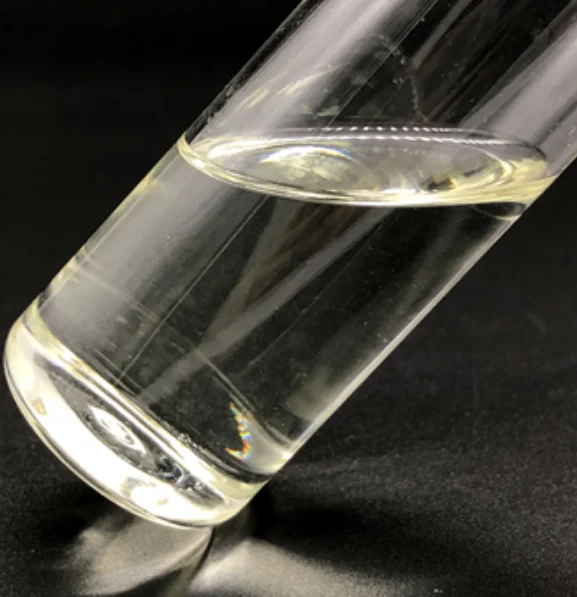
| Appearance | Clear to Slightly Hazy | - |
| Foam Height (Ross-Miles) | 80 - 100 | mm |
| Biodegradability | > 90% (28 days) | % |
Vendor Comparison: Alkyl Polyglycoside Suppliers
| Supplier | Raw Material Source | Typical Cost (USD/kg) | Sustainability Certifications | Notes |
|---|---|---|---|---|
| Company A | Coconut Oil | 3.50 | RSPO, ISO 14001 | Popular in personal care |
| Company B | Palm Oil | 2.80 | RSPO, Fair Trade | Cost-effective; expanding globally |
| Company C | Mixed Vegetable Oils | 3.00 | ISO 9001 | Niche markets; customized grades |
Future Trends & Innovations Surrounding Alkyl Polyglycoside
The future definitely looks bright — and green. Researchers are improving production methods to reduce energy use and waste, seeking alternative feedstocks beyond palm and coconut oils to lessen pressure on sensitive ecosystems. Biotechnology is also in play, where engineered enzymes can help produce APGs more efficiently.
Meanwhile, digital transformation enables better product formulation management and traceability, reassuring eco-conscious consumers. On the policy side, stricter chemical regulations in places like the EU push further adoption of sustainable surfactants.
Challenges & Expert Solutions
It’s not all roses. Price volatility linked to raw material sources and occasional performance limitations in extremely harsh applications (like certain industrial degreasers) mean APGs aren’t always a drop-in replacement. Still, advancements in hybrid formulations combining APGs with other bio-surfactants help address these gaps.
Also, supply chain transparency — especially around palm oil sourcing — is a continual focus. Many firms now collaborate closely with suppliers to ensure sustainability certifications and traceability, which seem crucial in maintaining consumer trust.
FAQ: Frequently Asked Questions About Alkyl Polyglycoside
-
Q: Are alkyl polyglycosides safe for sensitive skin products?
A: Yes, APGs are among the mildest non-ionic surfactants and are widely used in baby shampoos and facial cleansers due to their low irritation potential. Their sugar-based structure is gentle on skin. -
Q: Can APGs fully replace synthetic surfactants in all cleaning products?
A: While APGs perform excellently for many applications, some industrial uses still require more robust surfactants. Often, formulators blend APGs with other surfactants to optimize cleaning while maintaining eco-friendliness. -
Q: How biodegradable are alkyl polyglycosides?
A: APGs typically biodegrade over 90% within 28 days under standard test conditions, far outperforming many synthetic alternatives, which helps reduce ecological impact. -
Q: Are APGs expensive compared to petro-based surfactants?
A: Historically yes, but prices have dropped as production scale improved. While still slightly pricier, the sustainability benefits make them cost-effective when considering regulatory and consumer trends.
Conclusion: Why Alkyl Polyglycosides Are Here to Stay
Alkyl polyglycosides represent a critical step toward greener chemicals that don’t compromise on performance. Their plant-based origins, coupled with biodegradability and mildness, align perfectly with growing global demands for sustainability and safety. Whether for household products, personal care, or agricultural formulations, APGs are carving out an essential niche — and frankly, it feels like only the beginning.
If you want to dive deeper or explore suppliers and custom formulations, visit our website at https://www.zjsles.com. There, you’ll find resources and expert guidance tailored to your needs.
Oddly enough, it's one of those ingredients you might take for granted, yet it echoes a huge shift in how industries think about chemistry and responsibility.
Quick Reference List