Understanding 85% CDEA: What Every Industrial Pro Should Know
After a couple of decades knee-deep in the industrial equipment world, I’ve grown fond of certain chemical additives that just seem to get the job done reliably. 85% CDEA—or 85% Cocodiethanolamine—is one of those unsung heroes. It’s weirdly ubiquitous yet often overlooked unless you’re specifically working on gas treating or amine solvent regeneration processes.
In real terms, this compound plays a critical role in removing acidic gases like CO2 and H2S from natural gas streams. You know, cleaning those nasty sour gases before they can corrode equipment or foul catalysts down the line. Many engineers say that the balance between purity and concentration is crucial, and 85% CDEA hits a sweet spot where concentration is high enough for efficiency but still manageable in handling and storage.
It feels like many newer entrants underestimate the impact of CDEA quality on system longevity—something I learned the hard way on one project where low-grade amine caused frequent fouling and downtime. Frankly, the right specs early on save a lot of headaches in maintenance later.
85% CDEA Product Specifications
| Parameter | Typical Value | Unit |
|---|---|---|
| Active Content | 85% | mass% |
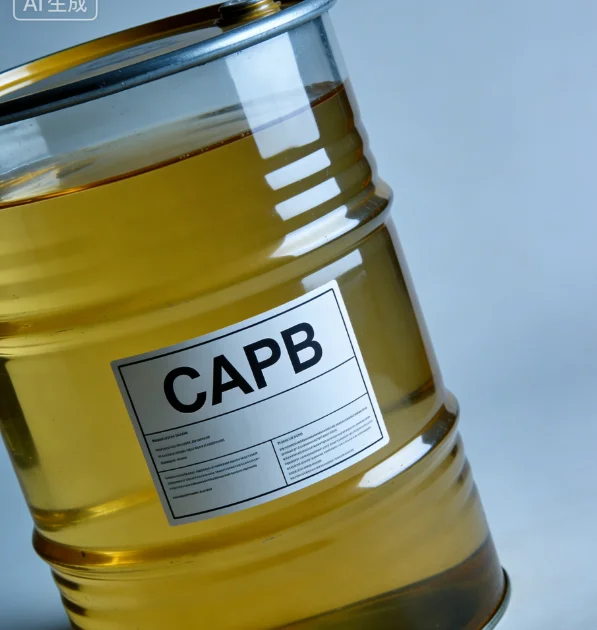
| Appearance | Clear to Light Yellow Liquid | - |
| Density @ 20°C | 1.04 - 1.06 | g/cm³ |
| pH (10% aqueous solution) | 11.5 - 12.5 | - |
| Boiling Point | ~270 | °C |
| Flash Point | >110 | °C (closed cup) |
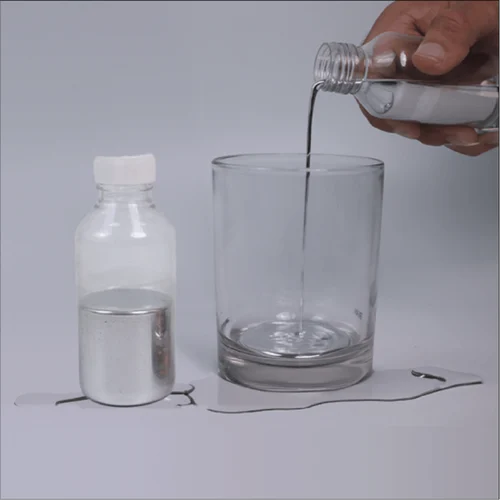
What I really appreciate about quality 85% CDEA is its chemical stability under operational stresses. This, frankly, extends the life of solvents in amine units, cutting back on costly replacements. Plus, the fact that it’s a viscous, easily handled liquid means you can customize dosing without too much fuss.
Oddly enough, the supply chain for this chemical is tighter than some people realize. With geopolitical shifts and raw material price spikes, locking in a trusted vendor is key. That said, not all suppliers offer the same purity or consistency. Here’s a quick vendor comparison I put together based on my experience and industry feedback:
Vendor Comparison: 85% CDEA Suppliers
| Vendor | Purity Range | Pricing | Delivery Time | Customer Support |
|---|---|---|---|---|
| ZJSLES | ≥85% | Competitive | 7-10 days | Excellent & responsive |
| ChemPro Ltd. | 83-85% | Moderate | 10-14 days | Good |
| Global Amines | 84-85% | Higher | 5-7 days | Average |
One anecdote stands out: A refinery I worked with switched suppliers mid-year, hoping to cut costs on their amine additives. But their downtime rose, and corrosion issues popped up sooner than usual. The solution? Going back to a trusted 85% CDEA supplier with better quality control—and that was a game changer. You’d think price was the hero, but actually, reliability saves far more in the long run.
Customization is often requested, too. I noticed clients wanting tailored amine blends or different concentrations depending on their processing parameters. This is where a supplier like ZJSLES really shines—offering flexibility without compromising specs or delivery times.
Finally, a quick word on environmental and safety considerations. Handling 85% CDEA requires proper PPE and storage protocols, since it does have skin and eye irritation potential. But compared to other amines on the market, it’s generally manageable with good training. Sustainability is also creeping into the discussion; some newer formulations claim reduced emissions or easier recyclability, though these are evolving areas.
To wrap it up, the value of consistent, high-quality 85% CDEA can’t be overstated. Whether you’re tweaking a gas treating process or maintaining solvent loops, this stuff really pays its keep. It’s funny how these industrial chemicals quietly underpin so much, yet fly under the radar until something goes wrong. I suppose that’s the mark of a true workhorse.
Stay curious — and always vet your suppliers carefully.
References:
- Amine Gas Treating: Principles and Applications, 3rd Edition, Arthur Kohl et al.
- Industrial Chemical Suppliers’ Technical Datasheets, 2023
- Personal experience from onsite troubleshooting at refinery amine units (2010-2022)