
Description
Sodium Silicate: The Versatile Inorganic Chemical for Industrial and Consumer Applications
Chemical Profile and Overview
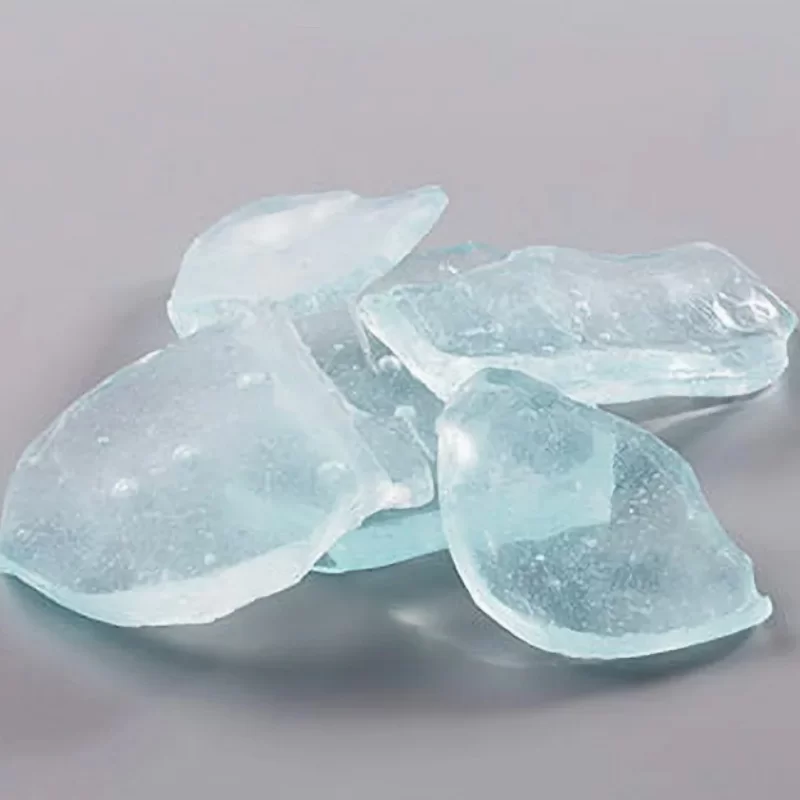
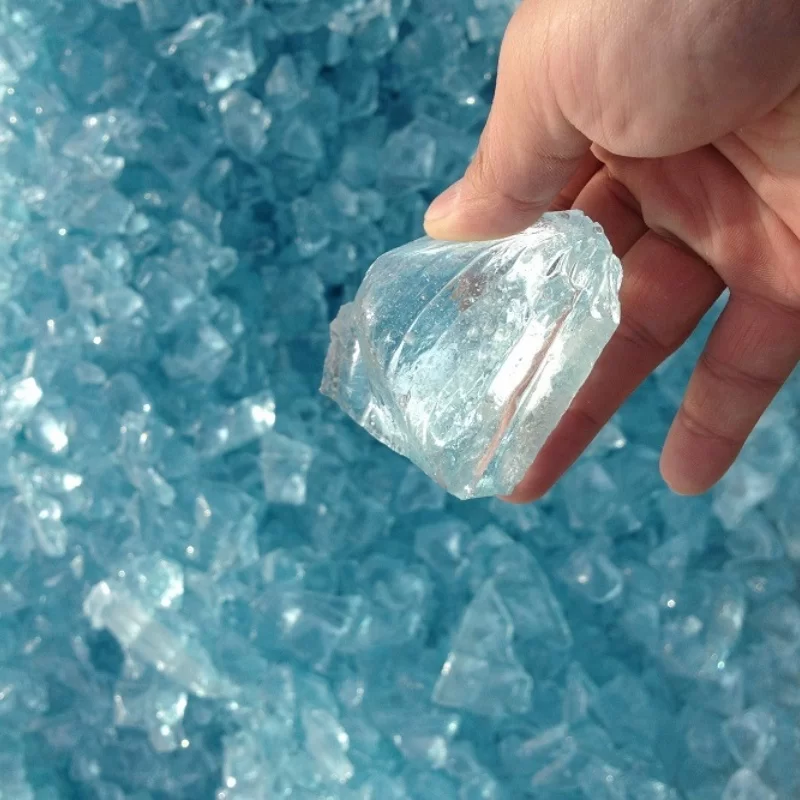
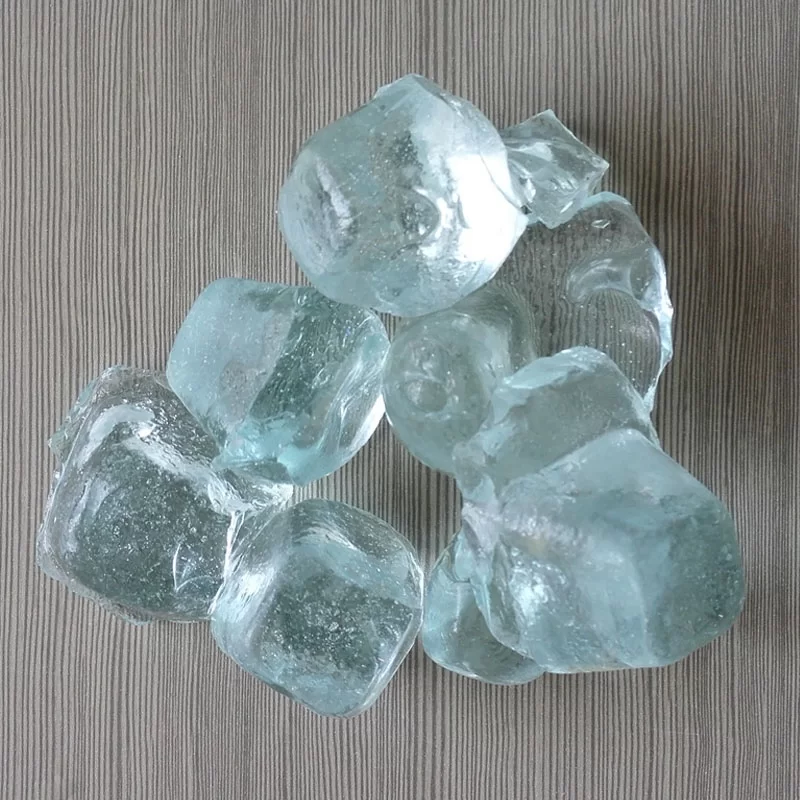
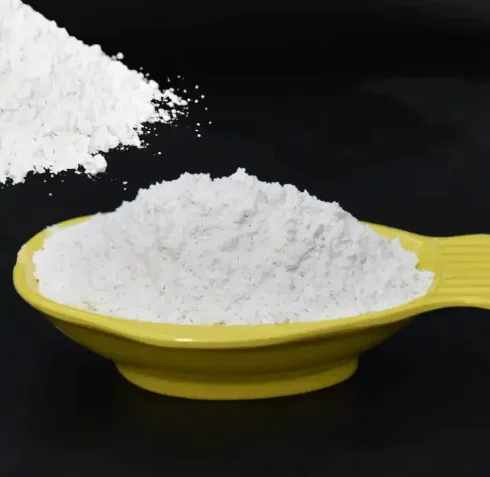
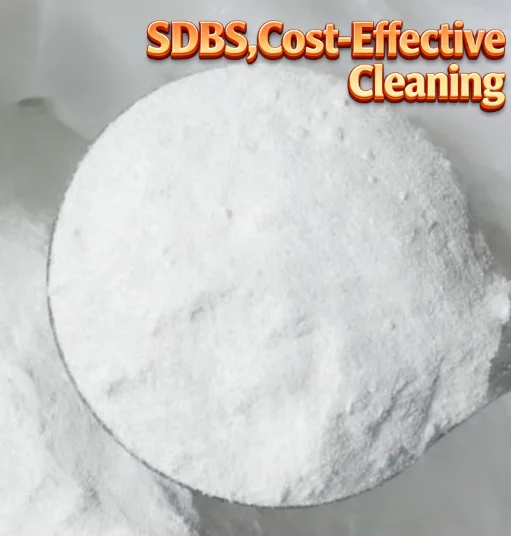
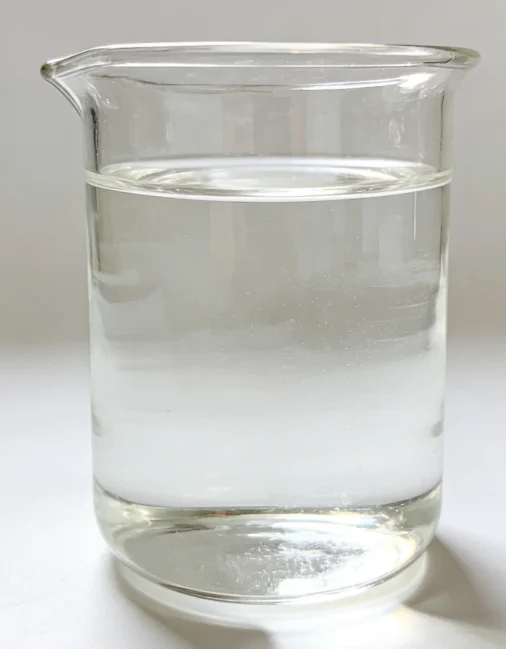
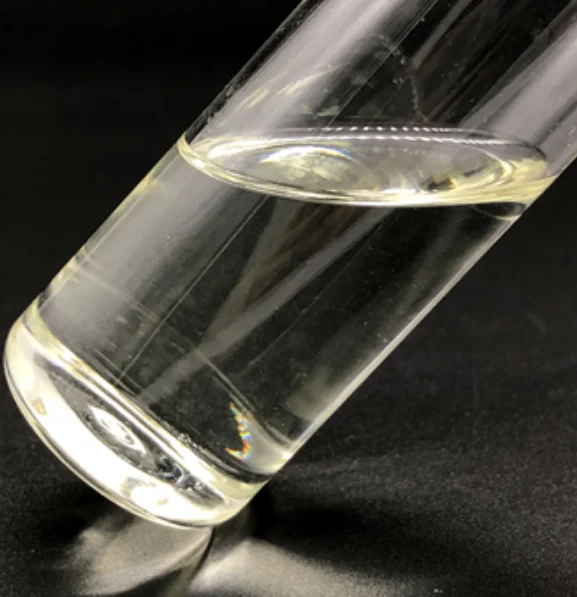
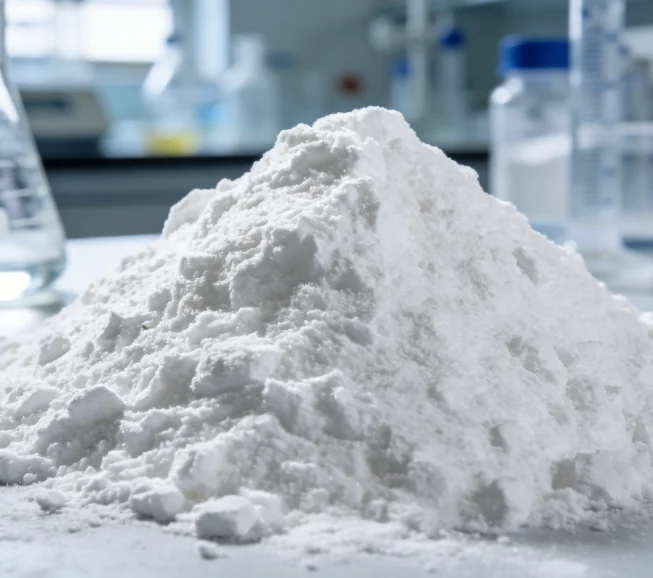
Sodium Silicate, commonly known as water glass or liquid glass, is an inorganic compound existing in various forms with a general formula of Na₂O·nSiO₂, where 'n' is the silica-to-soda ratio (SiO₂:Na₂O ratio). It is commercially available as colorless, viscous aqueous solutions, or as solid glasses and powders. This versatile chemical is renowned for its dual functionality as both an adhesive/binder and a source of alkalinity and silicate anions, making it a fundamental ingredient in detergents, construction materials, and industrial processes.
Core Mechanism: Adhesive, Alkaline, and Anti-Corrosive Action
The functionality of Sodium Silicate arises from its chemical properties. In aqueous solution, it hydrolyzes to provide alkaline buffering (pH ~11-12.5) and reactive silicate ions. Upon drying or curing, it undergoes a polymerization reaction, forming hard, glassy gels or solids that act as powerful inorganic adhesives and binders. Furthermore, silicate ions interact with metal surfaces to form a protective, micro-thin layer that passivates the surface and inhibits corrosion.
Applications in Detergent and Cleaning Industries
Sodium Silicate is a cornerstone builder and processing aid in the detergent industry.
Detergent Builder: It enhances cleaning efficiency by buffering wash water to an optimal alkaline pH for soil removal, suspending dirt particles, and emulsifying greasy soils.
Corrosion Inhibition: It protects metal parts (e.g., in washing machines and dishwashers) and the fine glaze on ceramics and china from the corrosive effects of alkaline wash solutions.
Processing Aid: In powdered detergent manufacturing, it acts as a binder during the spray-drying process, providing crisp, free-flowing granules with structural integrity.
Bleach Stabilization: It helps stabilize hydrogen peroxide (a common bleach) in liquid detergent formulations.
Applications in Construction and Foundry
Its binding and cementitious properties are critical in several heavy industries.
Concrete and Cement: Used as a setting accelerator and to improve hardening and acid resistance.
Foundry Binder: Serves as the primary binder in the sand casting process for manufacturing metal castings.
Refractory Cements: A key component in acid-resistant cements and high-temperature mortars.
Other Industrial Applications
The utility of Sodium Silicate extends to numerous other sectors.
Paper and Pulp Industry: Used in de-inking recycled paper and as a binder in cardboard manufacturing.
Water Treatment: Functions as a coagulant aid and for corrosion control in municipal water systems.
Adhesives: The historical and still relevant use as an adhesive for paper products (e.g., cardboard boxes) and in metal core binders.
Fire Protection: Its intumescent property (swelling when heated) is utilized in fire-resistant coatings and passive fire protection.
Key Technical Properties
Ratios (n): Varies commercially, commonly from 1.6 to 3.2 (e.g., Ratio 2.0, 2.5, 3.2). A lower ratio provides higher alkalinity, while a higher ratio offers better binding and film-forming properties.
Appearance (Solution): Clear, viscous, colorless liquid.
Solids Content: Typically 37-52% for liquid grades.
pH (1% solution): ~11-13, strongly alkaline.
Conclusion
Sodium Silicate is an indispensable, economical, and multifunctional inorganic chemical. Its unique combination of alkalinity, binding strength, and corrosion inhibition secures its role as a critical component in a vast array of industrial and consumer products, from everyday laundry detergents and durable concrete to specialized industrial binders and fireproofing materials. Its versatility and cost-effectiveness ensure its continued prominence in global manufacturing.
next :
Sodium Sulfate Anhydrous
back :
Sodium Percarbonate
Get a Quick Quote Now
Tell us what you need — we’ll provide the best price and solution fast.
contact us





Start Your Order
Submit your inquiry form to get a customized quotation.
Your Email Address...
submit