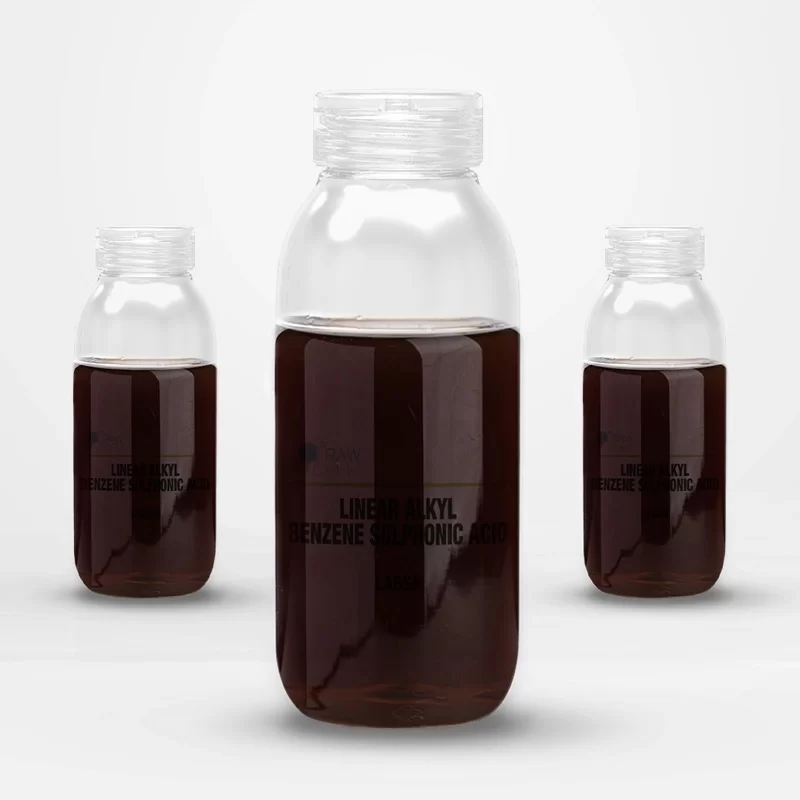
LABSA 96%:Linear Alkyl Benzene Sulfonic Acid
LABSA 96%: The High-Value Surfactant Precursor for Industrial and Household Cleaning
Product Overview
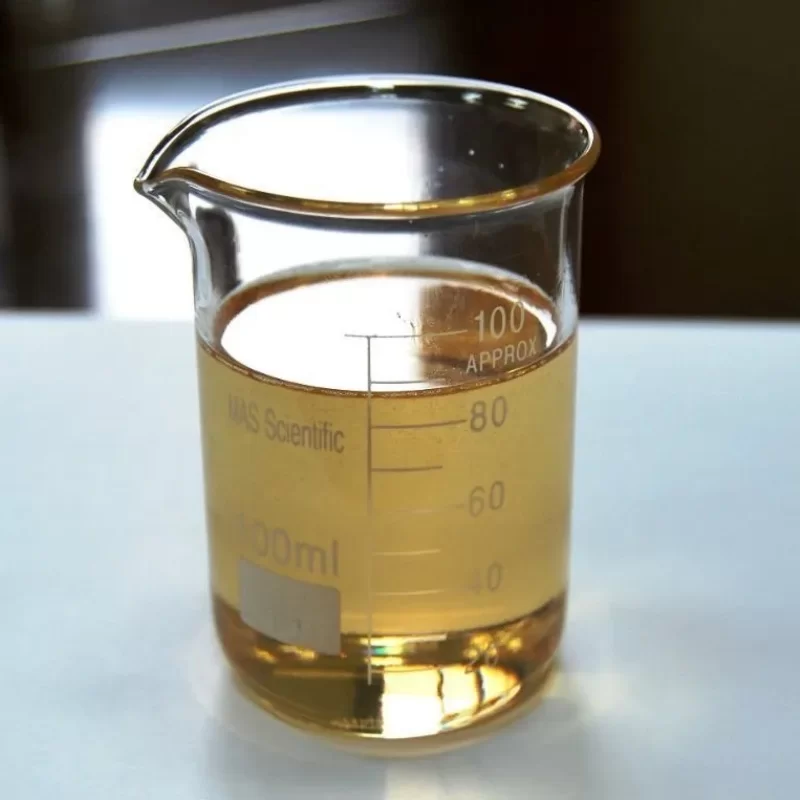
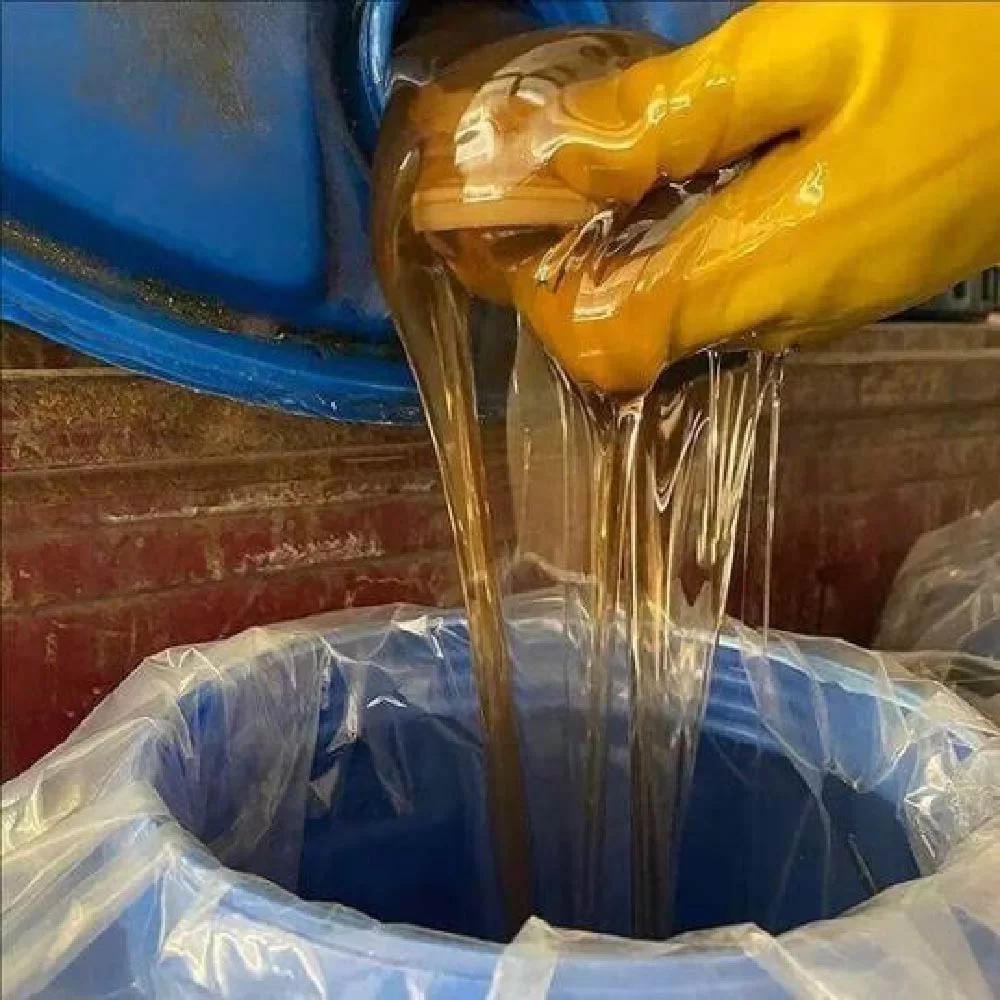
LABSA 96% (Linear Alkylbenzene Sulfonic Acid) is a high-purity (96%) anionic surfactant precursor that serves as the fundamental building block for a wide range of cleaning formulations. In its acidic form, it is not surface-active; it must be neutralized with a base, such as caustic soda (NaOH) or triethanolamine (TEA), to convert it into its active salt form, Linear Alkylate Sulfonate (LAS). This transformation unlocks its powerful cleaning capabilities, making LABSA the undisputed "cost-performance leader" in the global surfactant market for both household detergents and industrial cleaners.
Unmatched Cleaning Power and Mechanism
The primary value of LABSA-derived LAS lies in its exceptional efficacy against a broad spectrum of stubborn soils. Once neutralized, LAS molecules possess a hydrophobic (oil-attracting) tail and a hydrophilic (water-attracting) head. This structure allows them to emulsify and lift greasy stains, mineral oils, and particulate dirt from surfaces, suspending them in water to be easily rinsed away. This makes it the core cleaning agent in heavy-duty laundry powders, dishwashing liquids, and high-performance industrial degreasers, providing a level of cleaning power that is difficult to match at a comparable cost.
Formulation Versatility and Process Stability
A key technical advantage of LABSA is its excellent stability and adaptability to various manufacturing processes. It is highly resistant to heat and can withstand the demanding conditions of spray-drying towers. This property is critical for the production of powdered detergents. For instance, in a typical formulation for a low-foam machine laundry powder, an inclusion rate of approximately 8% LABSA provides effective cleaning without excessive sudsing. This versatility allows manufacturers to use a single primary raw material across multiple product lines, from liquids to powders, streamlining their supply chain.
Regulatory and Environmental Profile
The environmental acceptability of LABSA is directly linked to its linear alkyl chain content. When the branched chain isomer content is controlled to ≤ 1.5%, the resulting material complies with stringent environmental regulations such as the EU Directive 91/173/EEC. This "linear" structure is more readily biodegradable than older branched versions (ABS), minimizing its environmental persistence and making it a responsible choice for modern formulations.
Critical Handling and Neutralization Protocol
As a strong acid, LABSA requires careful handling and precise processing. The most critical step in its use is achieving complete neutralization. The standard stoichiometric ratio is approximately 1:0.17, meaning for every 100 kg of LABSA, 17 kg of caustic soda (NaOH) is typically required. Failure to achieve precise neutralization can lead to significant product issues: residual acidity can cause formulation instability, corrosion of packaging, and, in end-products, potential skin irritation for consumers. Therefore, robust quality control during the sulfonation and neutralization process is non-negotiable for ensuring final product quality and safety.
Conclusion
LABSA 96% remains a cornerstone of the cleaning products industry due to its uncompromising cleaning power, formulation flexibility, and exceptional economic value. Its role as a precursor to LAS enables the creation of high-performance, cost-effective solutions for cleaning challenges worldwide, from household laundry to demanding industrial applications.





Start Your Order
Submit your inquiry form to get a customized quotation.
Your Email Address...