Understanding 96% LABSA: A Vital Ingredient in Modern Industry
In industries ranging from detergents to wastewater treatment, 96% LABSA quietly plays a pivotal role. But what is this chemical, and why does it matter on a global scale? If you’ve ever wondered about the ingredients behind everyday cleaning products or the solutions industrial processes rely on, understanding 96% LABSA opens a valuable window into efficiency and sustainability in manufacturing and environmental management.
Introduction: Why 96% LABSA Matters Globally
LABSA, or Linear Alkyl Benzene Sulphonic Acid, at 96% purity is widely acknowledged as a benchmark product in the surfactant market. According to the World Bank, the global surfactants market is expected to grow steadily due to increasing industrialization and urbanization, especially in emerging economies.1 This chemical acts as a primary raw material for detergents and cleaning agents worldwide. Frankly, without it, the cleanliness and hygiene standards we take for granted could be at risk. However, concerns about environmental impact and supply chain fluctuations make sourcing high-quality 96% LABSA a challenging yet critical priority.
What Exactly Is 96% LABSA?
Put simply, 96% LABSA refers to linear alkyl benzene sulfonic acid with a purity level of about 96 percent. This purity level ensures optimal acidity and reactivity, making it highly effective as an anionic surfactant precursor. It’s the driving force behind many household and industrial detergents due to its ability to reduce water surface tension and enable better cleaning performance. Oddly enough, it also plays a role in certain industrial wastewater treatments—helping industries meet environmental regulations by enabling effective pollutant breakdown.
Key Factors Behind 96% LABSA’s Functionality
1. Purity and Concentration
The 96% concentration reflects a balance between performance and stability. Higher purity means more effective neutralization into detergents, and better product consistency in manufacturing.
2. Surfactant Efficiency
LABSA’s ability to lower surface tension allows it to emulsify oils and suspend dirt effectively. It really is the heart of many cleaning formulas.
3. Versatility in Applications
From domestic detergents, soaps, to heavy-duty industrial cleaners, even oil drilling fluids, 96% LABSA adapts to many contexts, which drives its global demand.
4. Environmental Considerations
Manufacturers and regulators increasingly emphasize biodegradability and environmental footprint. 96% LABSA generally performs well here, though efficient production methods remain a priority.
Product Specifications of Typical 96% LABSA
| Specification | Typical Value | Unit |
|---|---|---|
| Purity (as LABSA) | 96 | % |
| Appearance | Pale yellow liquid | - |
| Density at 25°C | 1.19–1.21 | g/cm³ |
| Acid value | 335–365 | mg KOH/g |
| Hydrocarbon chain length | C10–C13 | - |
Global Applications & Use Cases of 96% LABSA
This chemical’s impact is pretty spectacular once you zoom out. In South Asia and Southeast Asia, where detergent demand skyrockets alongside growing populations and incomes, 96% LABSA fuels local manufacturing lines. In Europe and North America, it contributes mainly to environmentally regulated detergent and cleaning products. Oddly enough, it even aids in oil field drilling applications in the Middle East by acting as a wetting agent.
For instance, in post-disaster relief efforts, rapid production of cleaning supplies using high-quality LABSA helps prevent disease outbreaks linked to poor sanitation — a humanitarian angle not often highlighted.
Vendor Comparison: Leading 96% LABSA Suppliers
| Vendor | Purity (%) | Price (USD/MT) | Delivery Time | Sustainability Practices |
|---|---|---|---|---|
| Vendor A (India) | 96 | 850–900 | 2 weeks | Uses renewable feedstocks |
| Vendor B (China) | 95–96 | 800–850 | 1 week | Efficient energy use |
| Vendor C (Europe) | 96 | 950–1000 | 3 weeks | ISO 14001 certified plants |
Advantages & Long-Term Value
Basically, 96% LABSA combines cost-effectiveness with reliable performance. Its efficacy minimizes waste, reducing expenses and environmental harm simultaneously. Many large-scale producers report improved detergent stability and lifespan when sourced from premium 96% LABSA, which translates into better brand trust.
There’s also an emotional dimension—cleaning with detergent containing LABSA helps uphold hygiene, safety, and dignity, especially in vulnerable communities or healthcare settings.
Emerging Trends and Innovations
- Green Chemistry: Development of LABSA from renewable feedstocks is accelerating, reducing reliance on petrochemicals.
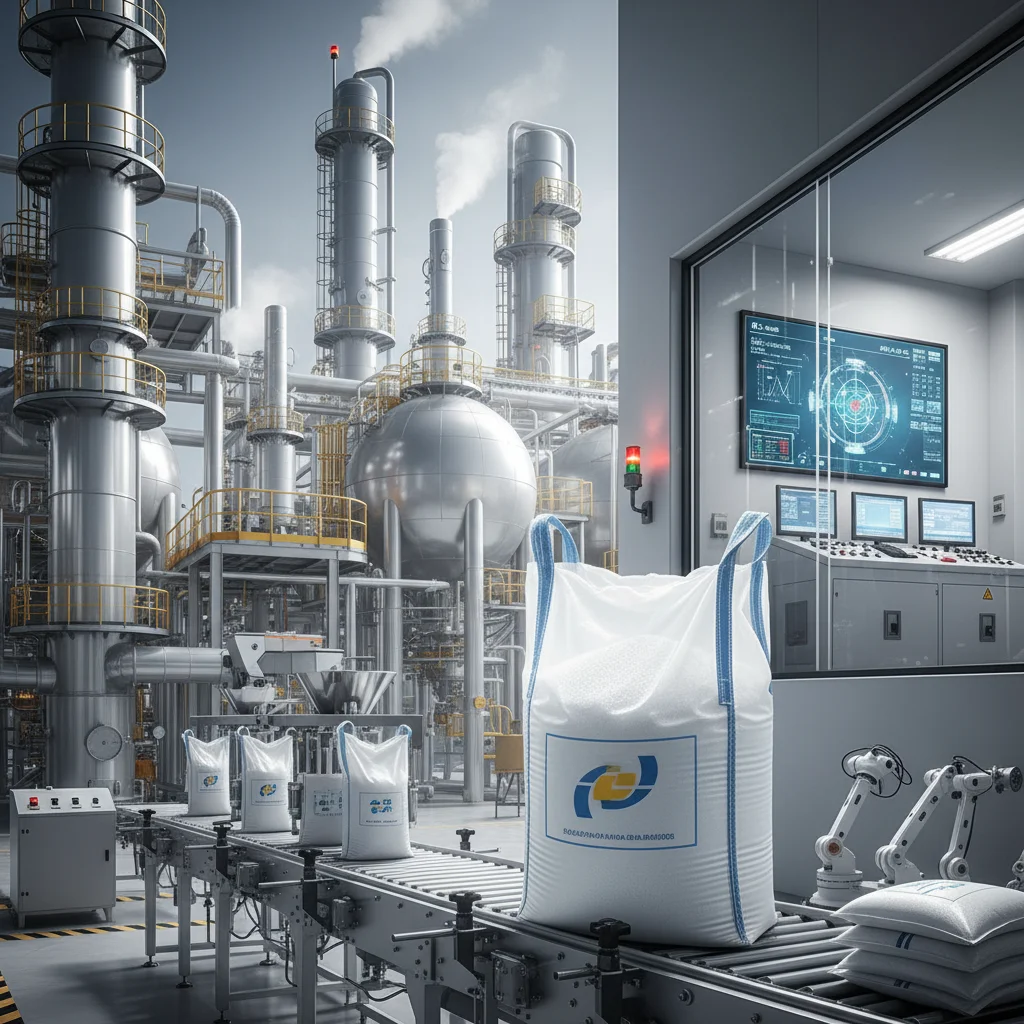
- Process Automation: Automated control in LABSA production plants improves consistency and cuts emissions.
- Digital Supply Chain Integration: Real-time tracking helps manufacturers manage quality and delivery for global customers.
Common Challenges & Expert Solutions
One persistent challenge is managing the environmental footprint during LABSA’s manufacture, which demands high energy and emits acidic wastewater. Modern plants are adopting zero liquid discharge systems and utilizing bio-based catalysts to address this. Plus, sourcing high-purity alkyl benzene feedstock can limit supply flexibility — clever supply chain diversification helps mitigate this risk.
FAQ: Frequently Asked Questions About 96% LABSA
- What does 96% purity mean for LABSA performance?
It indicates the percentage of active sulfonic acid groups present—higher purity usually means better conversion into detergents with consistent quality. - Is 96% LABSA environmentally friendly?
Generally yes, especially when produced with modern methods and properly biodegraded in formulations, though production impacts still require mitigation. - How is 96% LABSA used in industrial cleaning?
It acts as a surfactant to emulsify oils and greases, improving removal efficiency for heavy machinery maintenance and manufacturing cleanup. - Can I import 96% LABSA internationally?
Yes, many suppliers offer export-ready formats with accompanying safety and quality documentation to meet regulatory requirements worldwide. - What industries benefit most from 96% LABSA?
Detergent manufacturing, textile processing, oil drilling, and wastewater treatment are key sectors leveraging its properties.
Conclusion
In real terms, 96% LABSA is far more than just an ingredient — it’s an essential enabler of modern hygiene, industrial efficiency, and environmental stewardship. Whether you’re a manufacturer, policy maker, or sustainability advocate, understanding its role helps you appreciate a small but mighty chemical’s big impact. To explore premium 96% LABSA products and reliable sourcing, visit our website at https://www.zjsles.com.
Mini takeaway: Quality 96% LABSA offers a perfect blend of industrial effectiveness and environmental responsibility, fundamental to clean living worldwide.
References:
1. World Bank, “Global Market Brief: Surfactants Industry” (2023).
2. Wikipedia, “Linear Alkyl Benzene Sulfonate” – link.
3. ISO 14001 Environmental Management Standards, International Organization for Standardization.