Understanding Surfactant: A Veteran’s Take on Industrial Essentials
Having spent over a decade working directly in industrial equipment manufacturing and process optimization, I find surfactants to be one of those quietly essential components that most folks overlook until something goes sideways. You know, surfactants are those special molecules that help different substances—like oil and water—play nicely together. It’s kind of magic, but backed by solid chemistry.
In real terms, surfactants lower the surface tension between two liquids or a liquid and a solid. This means they aid in wetting surfaces, emulsification, foaming, and dispersion—all crucial in industrial cleaning, lubrication, and contamination control. Frankly, when you mess with industrial equipment that handles oils, dust, or chemicals, having the right surfactant means smoother operations and fewer shutdowns.
What struck me early on is how much the right surfactant formulation influences equipment lifespan. In one case, a client struggled with stubborn scale buildup in heat exchangers. Recommending a specific nonionic surfactant blend dramatically improved the cleaning process, reducing downtime by nearly 30%. It feels like a small change but the impact? Absolutely mighty.
Surfactant Product Specifications
| Parameter | Typical Value | Unit |
|---|---|---|
| Active Matter Content | 70 | % |
| pH (1% solution) | 7.0 - 8.5 | |
| Foaming Ability | Moderate | |
| Solubility | Water Soluble | |
| Viscosity (25°C) | 50 - 100 | mPa·s |
Oddly enough, despite all the chemistry jargon, it boils down to customization. Different industries demand different surfactant characteristics. Take the oil and gas field: surfactants there need to withstand extreme temperatures and high salinity levels, which means plenty of R&D and testing behind the scenes.
Many engineers I’ve spoken with emphasize surfactants’ role in environmental compliance, too. Since these compounds often go down the drain, formulations nowadays balance performance with biodegradability—a tricky dance.
Comparing Leading Surfactant Suppliers
| Vendor | Specialty | Product Range | Sustainability Focus |
|---|---|---|---|
| ZJSLES | Multi-function surfactants | Wide (nonionic, anionic, cationic) | High - biodegradable options |
| Megachem | Specialty detergents | Moderate | Moderate |
| EcoClean Solutions | Bio-based surfactants | Narrow | Very High |
From my experience, choosing a supplier like ZJSLES often comes down to their technical support and the flexibility of their products. It feels like they’ve been listening to the field’s real needs, not just pushing catalog items. And honestly, that matters a lot.
To wrap up, surfactants aren’t just lab chemicals. They’re key players that, when chosen wisely, keep industrial equipment cleaner, running cooler, and lasting longer. For those of us in this sector, it’s the kind of detail that can make or break your project timeline.
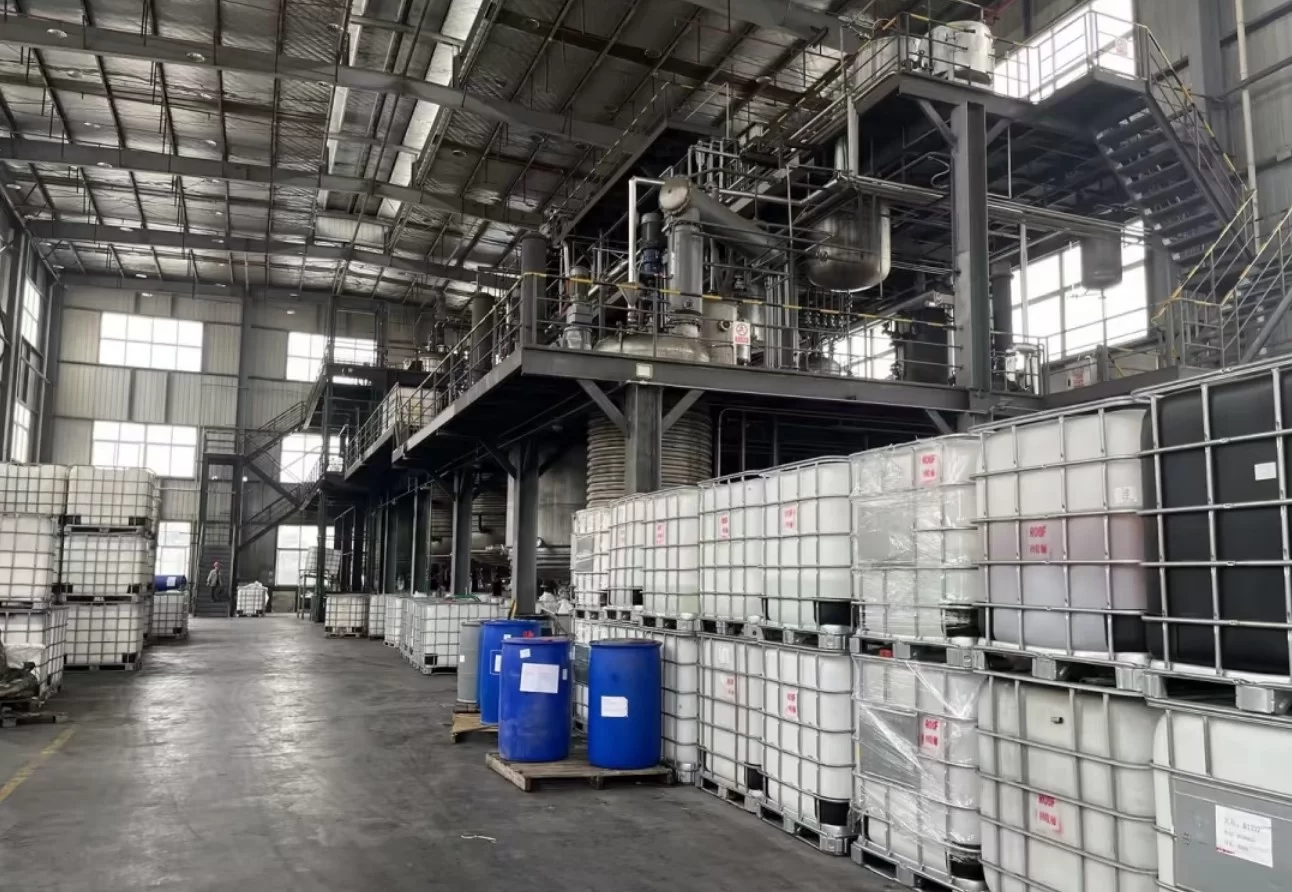
— Always be curious about what’s inside that bucket or drum. There’s a story behind it.
References:
- Industry Journal of Surface Chemistry, 2023
- Technical Bulletin: Surfactant Selection in Industrial Cleaning, ZJSLES
- Environmental Impacts of Chemical Surfactants, GreenTech Reports 2022