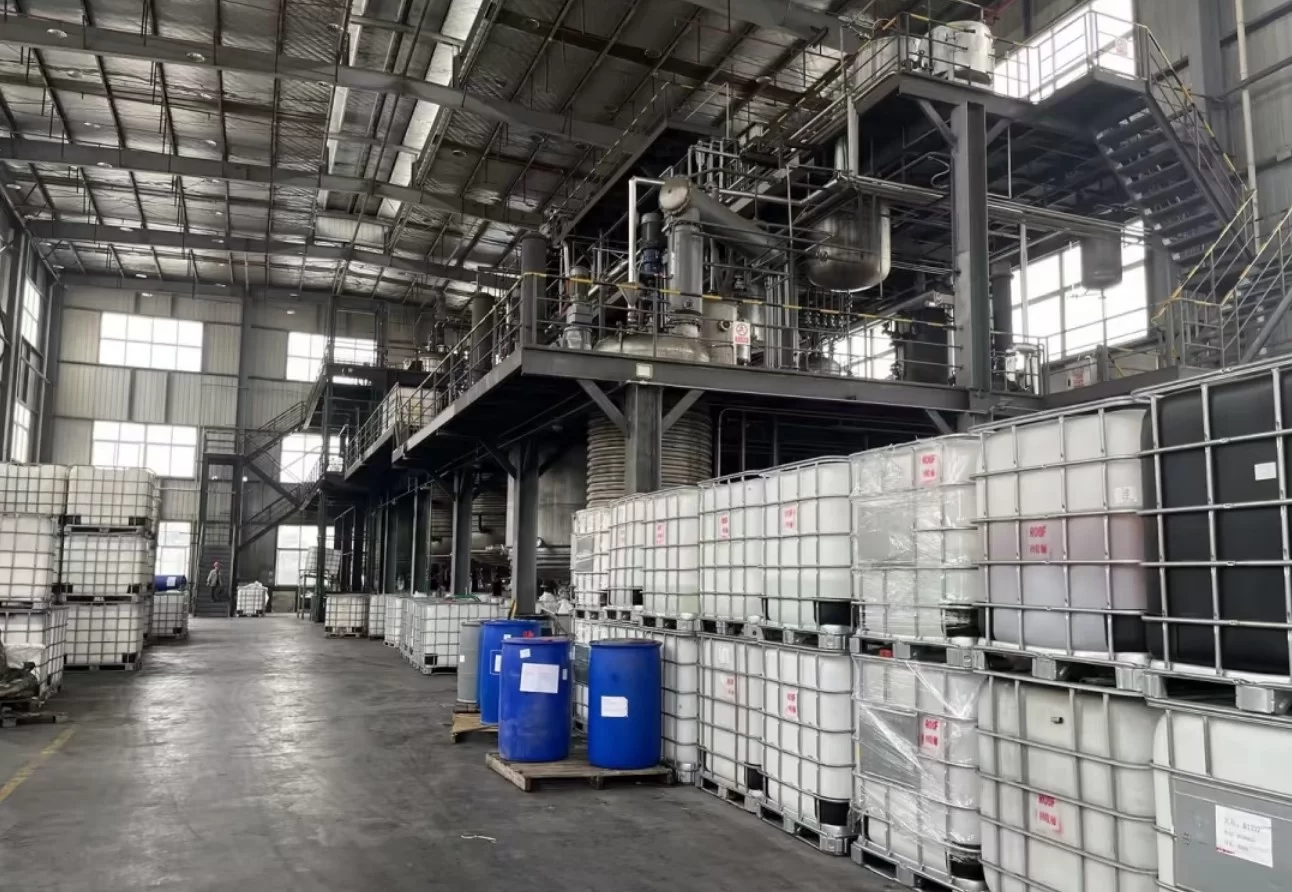
Why SDS Has Become a Game-Changer in Industrial Equipment
Having spent years knee-deep in the industrial equipment world, I've witnessed plenty of tools and systems rise to prominence, only to fade away eventually. But the SDS (Safety Data Sheet) procedures? They’re a different story. These sheets are more than just paperwork — they’re the backbone of safety, compliance, and efficiency in industrial settings. Frankly, if you ever thought SDS was just a formality, well, you might want to reconsider. It’s a fascinating intersection of technical detail and practical safety that often gets overlooked.
So, what exactly makes SDS so vital? For starters, it’s the comprehensive documentation of every chemical or material that might cross your path in a plant or workshop — their hazards, handling instructions, emergency measures, and even disposal recommendations. I remember an old facility where a poorly maintained SDS led to a minor chemical incident that could’ve been avoided with proper awareness. That experience really drove home the importance of up-to-date and accessible SDS information.
SDS are a legal requirement in many parts of the world, but beyond compliance, they’re a tool for engineers, operators, and safety personnel to make informed decisions. In recent years, digitization has made these sheets quicker to update and easier to access. Still, I've noticed many smaller facilities rely on printed documents — which can sometimes be outdated or buried in filing cabinets. Quite ironic, since SDS should actually speed things up when incidents happen.
Let’s talk design and content specifics. The quality of an SDS hinges on accuracy and clarity. A poorly written sheet — dense with technical jargon or ambiguous terms — can create confusion. On the other hand, a well-crafted SDS feels like a mini-manual that respects your time and attention. Many toxicologists and industrial chemists contribute to these documents, and it shows. They cover everything from physical properties, toxicity, to first aid. I’ve seen some SDS that also highlight best practices for storage and transport — little details that can seriously reduce workplace risk.
Another angle that fascinates me is how SDS reflects ongoing industry trends. For example, as companies push for greener production, SDS increasingly includes environmental impact data. It's a sign of things shifting towards sustainability, even in places traditionally slow to change. I suppose that also ties back to custom SDS services, where clients demand tailored sheets matching their unique products and workflows, rather than generic templates.
Speaking of customization, here’s an example of typical SDS product specifications I often engage with:
| Spec | Details |
|---|---|
| Chemical Identity | CAS Number, Synonyms |
| Hazard Classification | Flammable, Corrosive, Toxic |
| Physical & Chemical Properties | Boiling Point, Flash Point, Vapor Pressure |
| Health Effects | Acute and Chronic Exposure Details |
| Protective Measures | PPE, Ventilation, Handling Instructions |
| Emergency Procedures | Fire Fighting, Spill Control, First Aid |
Looking at vendors, the quality and user-friendliness of SDS services can vary quite a bit. I’ve worked alongside various providers, from large firms offering generic templates to niche specialists delivering bespoke SDS solutions. Here's a quick comparison that might help if you're scouting for a supplier:
| Vendor | Customization | Turnaround | Compliance Coverage | Tech Integration |
|---|---|---|---|---|
| ZJSLES | High (Tailored SDS) | 3–5 business days | Global (GHS, OSHA, REACH) | Digital platform & API |
| Generic SDS Co. | Low (Template-based) | 7–10 business days | Regional (Mostly OSHA) | None |
| EcoSafe Docs | Medium (Semi-custom) | 5–7 business days | Global with focus on EU | Online document manager |
In real terms, a good SDS provider like ZJSLES isn’t just about meeting regulations. They empower companies to manage risks smarter and faster. I once saw a turnaround on an SDS rewrite that prevented a major shutdown because the hazards were clearly communicated ahead of a product launch. That kind of reliability isn’t trivial, trust me.
Of course, SDS alone won’t solve all safety challenges. They must be part of a broader culture — regular training, audits, and communication. Still, in many plants I’ve visited, better SDS management dramatically cuts downtime and incidents. It’s one of those “small things” that ripple outwards.
To sum up, if you’re in industrial equipment, don’t sleep on the importance of solid SDS documentation. It feels like the paperwork nobody loves but everyone needs — the silent guardian ensuring everyone gets home safely. Oddly enough, without it, the whole operation feels a little less sure-footed.
So next time you pull up an SDS, take a moment to appreciate the layers of expertise behind those neat pages. And if you haven’t checked your current supplier recently, maybe give ZJSLES a look — it might just change how you handle safety data sheets for the better.
References:
- OSHA: Understanding Safety Data Sheets (SDS)
- Globally Harmonized System of Classification and Labeling of Chemicals (GHS)
- REACH Regulation standards, European Chemicals Agency