What is Laureth Sulfate and Why It Matters Globally
Laureth sulfate — you might have seen it listed somewhere on a shampoo bottle or a soap label. It’s one of those chemicals that silently plays a massive role worldwide, especially in the personal care and cleaning industries. But honestly, it goes beyond just “cleaning agents.” Understanding laureth sulfate is key because it affects consumer safety, environmental sustainability, and even global manufacturing standards. As markets demand safer, affordable, and effective products, laureth sulfate keeps popping up as both a solution and, yes, sometimes a topic of debate.
Mini takeaway: Laureth sulfate is more than a surfactant; it’s a linchpin in industries powering global hygiene and manufacturing, making it vital to grasp both its uses and impacts.
Defining Laureth Sulfate: What Is It Exactly?
Simply put, laureth sulfate (often sodium laureth sulfate or SLES) is a surfactant — that means it reduces surface tension between liquids or between liquids and solids. What does that do in practice? It helps water mix with oil and dirt to wash them away...
From shampoos to industrial cleaners, its foaming and emulsifying properties are prized. It’s derived from lauryl alcohol (a type of fatty alcohol from coconut or palm oils), then ethoxylated (hence “-eth-”) and sulfated. This process improves its solubility and gentleness compared to related compounds like sodium lauryl sulfate. Though subtle, that “eth” makes it a bit less harsh.
Industrially, this translates into safer products for human skin and less environmental irritation, which seems to matter more and more.
Mini takeaway: Laureth sulfate is a chemically modified fatty alcohol designed to bubble up and clean effectively while being gentler than its close cousins.
Key Characteristics of Laureth Sulfate
Foaming Ability
One of the reasons it’s so popular is because it creates thick, rich lather which consumers associate with “clean.” More foam means more perceived effectiveness, even when cleaning action is similar.
Solubility and Stability
Unlike some surfactants, laureth sulfate dissolves easily in water and remains stable across a wide pH range, which allows formulators to include it in many product types without worrying about lumpiness or spoilage.
Mildness
Well, “mild” is relative — it’s milder than sodium lauryl sulfate but can still cause irritation at high concentrations. Many personal care brands balance this by careful formulation, often mixing it with moisturizers or ingredients that soothe the skin.
Cost Effectiveness
It’s affordable at scale, which is critical when millions of tons are used annually worldwide. This helps keep consumer goods at reasonable prices — a big deal especially in emerging markets.
Environmental Breakdown
Laureth sulfate is generally biodegradable, especially compared to older surfactants. However, depending on manufacturing details, it can sometimes contain tiny amounts of undesirable impurities called 1,4-dioxane. So manufacturers working towards greener profiles pay close attention.
| Property | Specification |
|---|---|
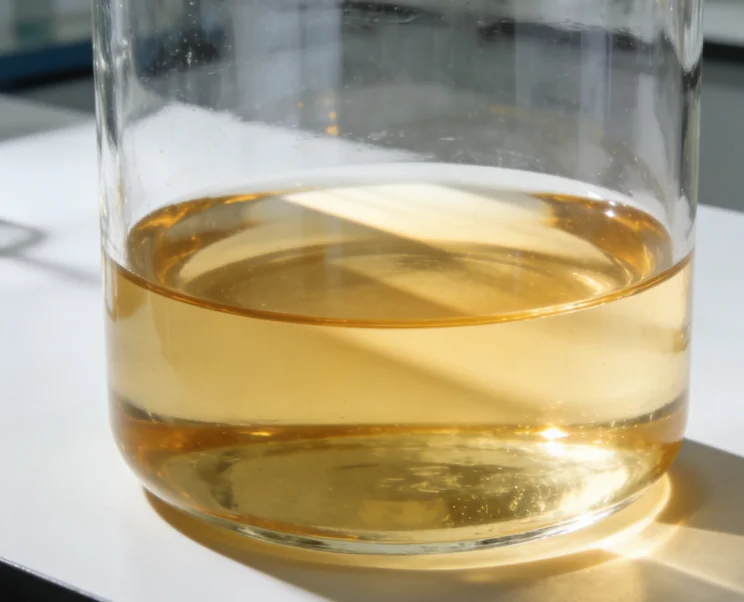
| Appearance | Clear to slightly yellow liquid |
| Active Matter Content | 28–30% |
| pH (1% solution) | 6.5 – 8.5 |
| Foaming Ability | High |
| Biodegradability | >90% (28 days OECD 301B test) |
Global Applications & Use Cases of Laureth Sulfate
Laureth sulfate’s influence spans continents. From luxury cosmetic lines in Europe to basic hand soaps in sub-Saharan Africa, it’s everywhere. Oddly enough, post-disaster relief agencies also rely on products containing it because it reliably removes contaminants without harshness to fragile skin. Likewise, in industrial zones across Asia and South America, it forms a key part of cleaning agents for machinery maintenance.
Regions with heightened hygiene challenges especially appreciate its combination of affordability and effectiveness. Plus, some non-profits partner with manufacturers ensuring availability of cleansers with laureth sulfate in refugee camps or rural clinics. It’s this kind of broad utility that keeps the ingredient in constant demand worldwide.
Mini takeaway: From personal care to humanitarian aid, laureth sulfate’s versatility fuels health and hygiene standards everywhere.
Advantages & Long-Term Value
- Cost Efficiency: Mass production keeps pricing low.
- Sustainability Potential: Improved biodegradability helps reduce environmental burden.
- Product Performance: Effective cleaning with pleasant foaming enhances user satisfaction.
- Health & Safety: Gentler than older surfactants, lowering irritation risk when used properly.
- Economic Impact: Supports a trillion-dollar global personal care and cleaning market.
On an emotional level, people expect their daily hygiene routines to be safe and enjoyable — laureth sulfate helps provide that. Plus, in social contexts where clean water or soap is precious, reliable surfactants underpin dignity and disease prevention.
Future Trends & Innovations
Looking ahead, manufacturers and researchers are trying to greenify laureth sulfate production, for instance, using bio-based ethoxylation processes to reduce petrochemical inputs. Digital formulation platforms also enable rapid testing of blends with natural extracts to improve mildness. Some brands explore zero-waste packaging combined with concentrates of laureth sulfate to slash environmental impacts further.
Meanwhile, regulations worldwide tighten on impurities, pushing companies to innovate cleaner, safer versions. Frankly, it feels like laureth sulfate’s journey is a microcosm of the wider consumer goods industry — balancing efficacy, cost, and sustainability in a tricky equation.
Common Challenges & Expert Solutions
Despite its benefits, some challenges remain. Skin sensitivity is the biggest concern when concentrations are high. Additionally, trace impurities like 1,4-dioxane sometimes pop up, sparking consumer wariness.
To tackle these issues, experts recommend clear labeling and reformulation strategies: combining laureth sulfate with conditioning agents to soothe skin, or using vacuum stripping to reduce impurities during production. Third-party certifications such as ISO 16128 for natural ingredients also build trust. It’s a case where transparency and science go hand in hand.
| Vendor | Purity (%) | Sustainability Initiatives | Typical Price (per kg) | Global Reach |
|---|---|---|---|---|
| ZJS LES | 99.5% | Organic-certified ethoxylation | $2.20 | Asia, Europe, Americas |
| Global Surfactants Inc. | 99.0% | Water reuse programs | $2.50 | Worldwide |
| EcoSurf Chemicals | 98.8% | Bio-based feedstocks | $2.75 | Europe, North America |
FAQ: Laureth Sulfate Frequently Asked Questions
- Is laureth sulfate safe for sensitive skin?
- When used in typical concentrations (1-15%) and properly formulated with conditioning agents, it is generally safe. However, some people with highly sensitive skin may experience irritation. Patch testing products before full use is wise.
- How does laureth sulfate compare to sodium lauryl sulfate?
- Laureth sulfate is ethoxylated, making it milder and less irritating than sodium lauryl sulfate. This difference often translates into gentler personal care products.
- Can products with laureth sulfate be environmentally friendly?
- Yes, especially if manufacturers minimize impurities and use sustainable feedstocks. Biodegradability is generally good, but production processes matter a lot.
- Where can I buy high-quality laureth sulfate in bulk?
- You can consider suppliers like ZJS LES, which focuses on purity and sustainable methods. Always verify certifications before buying.
- How is laureth sulfate used beyond personal care?
- It’s common in household and industrial cleaners, detergents, and even in some textile processing, proving its versatility.
Conclusion: Why Laureth Sulfate Remains Essential
Looking at everything, laureth sulfate strikes a careful balance of affordability, performance, and growing sustainability. It quietly powers millions of everyday products that keep us clean, healthy, and safe. While challenges like mildness and impurities persist, industry innovation and regulation steadily address them.
For manufacturers or formulators, understanding laureth sulfate’s nuances unlocks better product design and customer trust. For consumers, knowing what’s in your cleanser helps make informed choices that matter globally.
Curious to learn more or source top-grade laureth sulfate? Visit ZJS LES today — they’re an expert vendor with sustainability and quality at their core.
In real terms, knowing your ingredients feels like a small step, but it echoes worldwide in health, commerce, and the environment.