Fatty Alcohol Ethoxylate: A Staple in Industrial Surfactants
Having worked in the industrial equipment sector for many years, I can say that fatty alcohol ethoxylate isn’t just another chemical — it’s a cornerstone in many formulations. You might wonder what makes it so vital? Well, fatty alcohol ethoxylate is essentially a nonionic surfactant, prized for its ability to reduce surface tension, improve emulsification, and help various formulations perform consistently. Oddly enough, despite its widespread use, it’s one of those ingredients people rarely think about, yet it’s everywhere — from detergents to metal cleaning baths.
The beauty of fatty alcohol ethoxylate is in its versatility. The base material is fatty alcohol, typically derived from natural oils like palm or coconut, and then ethoxylated to introduce ethylene oxide units. This ethoxylation level changes the molecule’s water solubility and performance characteristics. In industrial settings, that means you can tweak the product to meet very specific needs: whether you want better wetting on heavy soiling, or you need something gentle enough for delicate surfaces.
In real terms, this flexibility is critical. I recall a project where a customer needed a surfactant that could handle tough industrial grease but still rinse away cleanly without leaving residues. After some testing, a particular fatty alcohol ethoxylate with about 12 moles of ethylene oxide did the trick perfectly. It’s quite satisfying when the chemistry lines up with the data — that feeling of “yeah, that’s the one.”
One note that often comes up in conversations among engineers is environmental profile. Fatty alcohol ethoxylates from renewable sources are increasingly favored, since their biodegradability is typically better than many synthetic surfactants. It’s a trend that reflects broader industry movement towards sustainability, which, frankly, feels much overdue.
If you’re on the market for reliable fatty alcohol ethoxylate products, the specs matter — especially cloud point, HLB value, and degree of ethoxylation. Let me share a quick snapshot of typical product specs you might see:
| Specification | Value |
|---|---|
| Fatty Alcohol Chain Length | C12-C16 |
| Degree of Ethoxylation (EO units) | 10–15 moles |
| HLB Value | 13–15 (hydrophilic) |
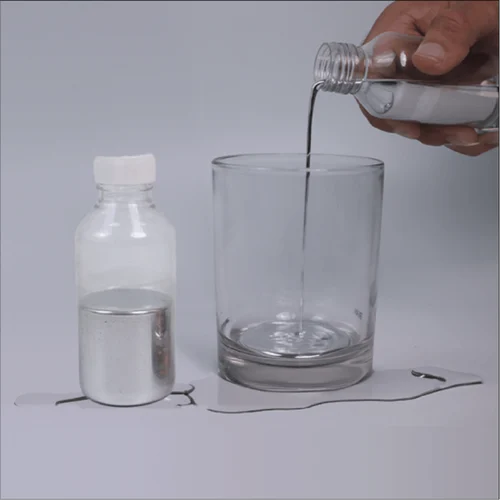
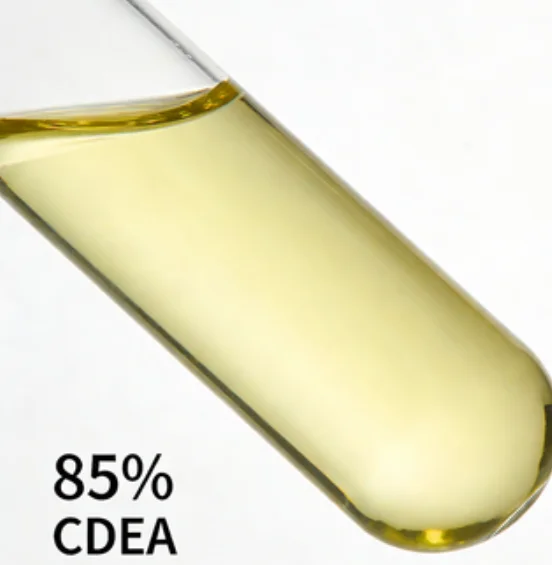
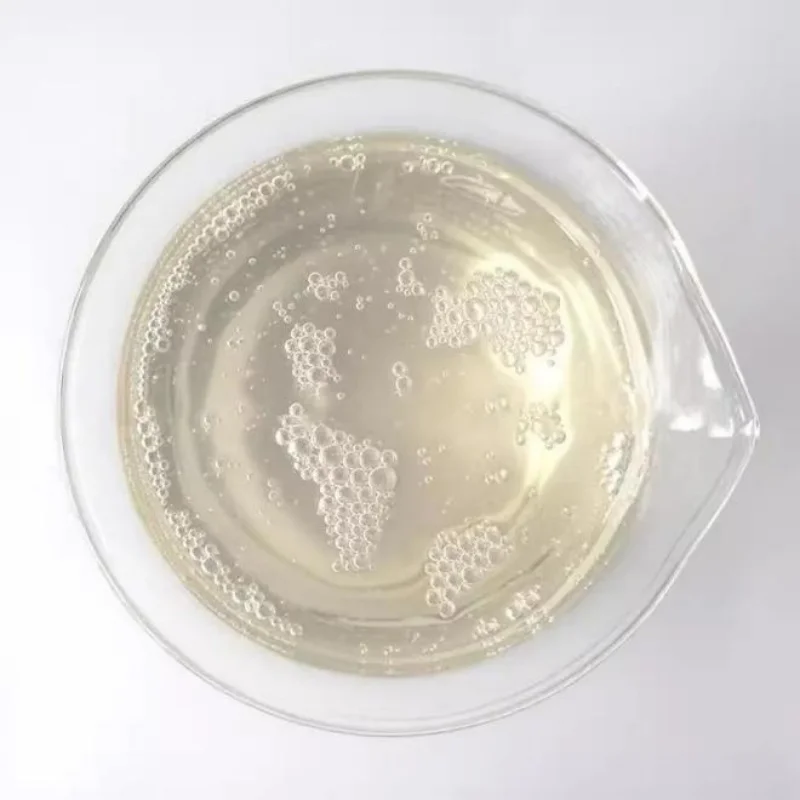
| Appearance | Clear to pale yellow liquid |
| Cloud Point (1% aqueous solution) | 40–45°C |
Of course, sourcing from trusted vendors is key. Here’s a quick look at a few popular suppliers I’ve dealt with — their range, quality control, and customer support all can make or break your project timeline.
| Vendor | Product Range | Quality Certifications | Typical Lead Time | Customer Support |
|---|---|---|---|---|
| Vendor A | Wide (C12–C18 EO 5–20) | ISO 9001, REACH | 2-3 weeks | Excellent |
| Vendor B | Medium (C14–C16 EO 10–12) | ISO 14001 | 1-2 weeks | Good |
| Vendor C | Narrow (C12–C14 EO 8–15) | REACH | 3-4 weeks | Fair |
Before I wrap up, a shout-out to the folks who rely on fatty alcohol ethoxylate daily — your formulations often drive entire processes, from heavy-duty cleaning lines to delicate textile treatments. I’ve noticed, too, that the ones who spend time understanding these surfactants beyond the spec sheet usually have smoother troubleshooting experiences. It’s the little things — a degree of ethoxylation here, a cloud point adjustment there — that can make a world of difference.
Anyway, fatty alcohol ethoxylate remains a dependable workhorse. Whether you’re new to the industry or a seasoned vet like me, it’s worth keeping an eye on manufacturer innovations, especially as eco-friendliness becomes a strict requirement worldwide.
Stay curious — and never underestimate the power of good surfactants!
References:
1. McCutcheon's Detergents and Emulsifiers, 2021 Edition
2. “Fatty Alcohol Ethoxylates in Industrial Applications,” Industrial Surfactants Journal, 2019
3. Personal communication with R&D teams at multiple surfactant manufacturers, 2023