Water Glass: A Comprehensive Guide to Selection and Uses
Water glasses, seemingly simple vessels, play a vital role in our daily lives, extending beyond mere hydration. Selecting the right water glass impacts everything from beverage enjoyment to the aesthetic of your dining experience. This article explores the diverse world of water glasses, covering materials, shapes, sizes, and optimal uses. Whether you’re a homeowner seeking to upgrade your glassware collection or a business looking for suitable options for your establishment, understanding these nuances is crucial. Discover how the perfect water glass can enhance your everyday routine.
Materials Used in Water Glass Production
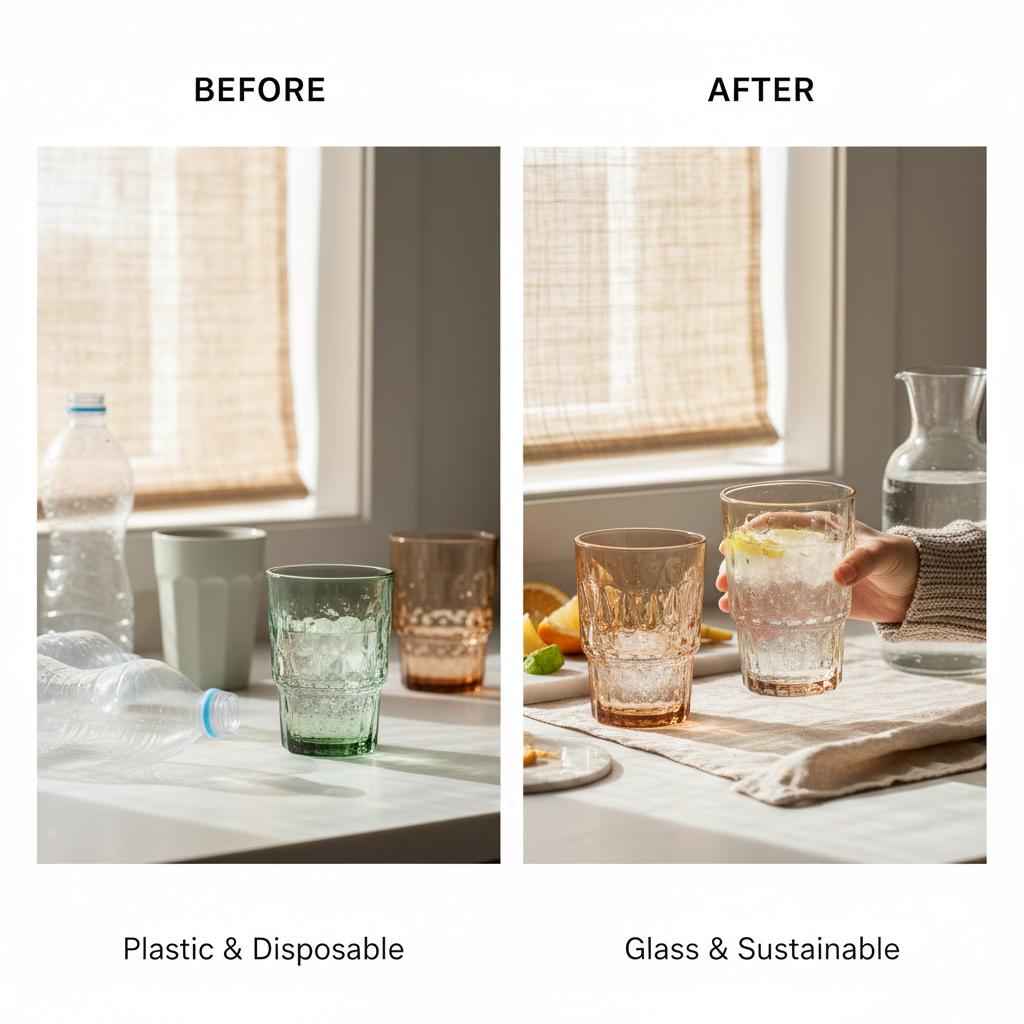
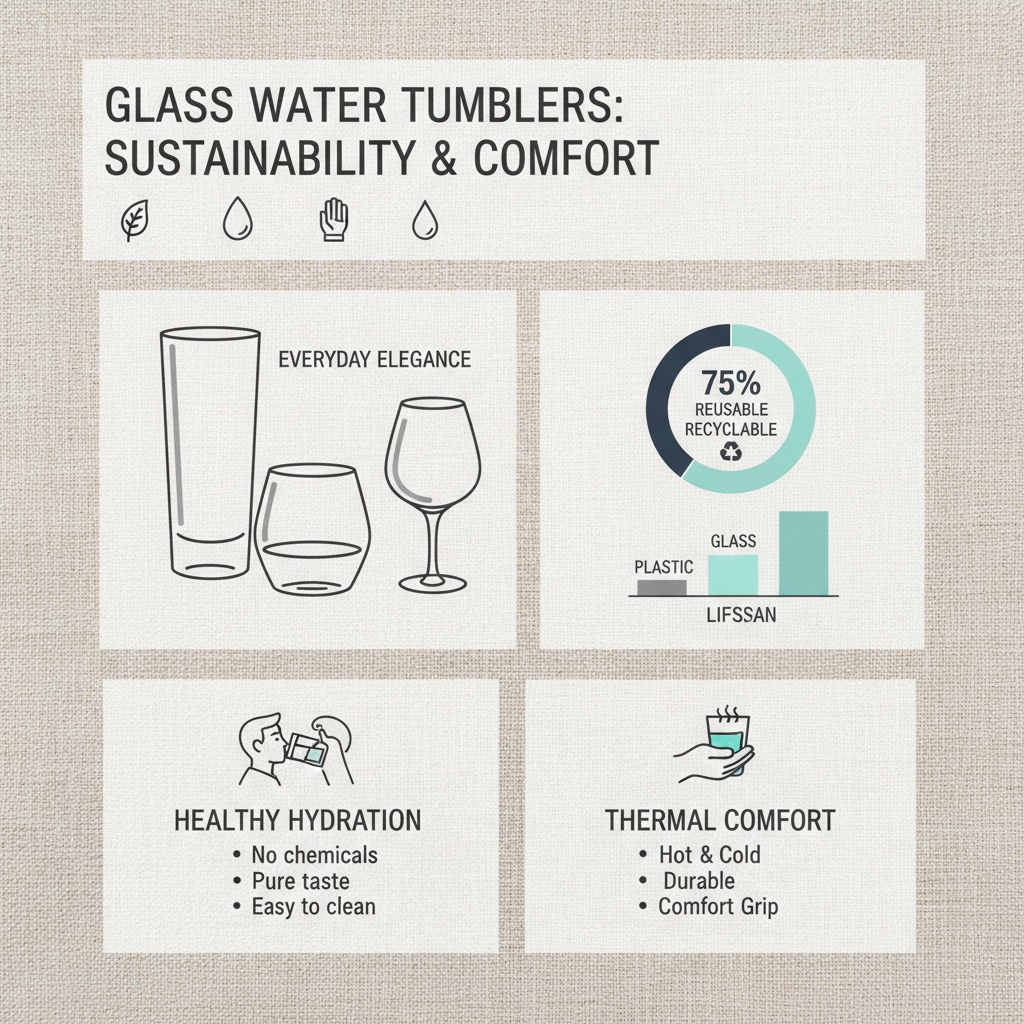
The material of a water glass significantly impacts its durability, clarity, and overall feel. Common materials include glass, crystal, plastic, and stainless steel. Glass is a popular choice due to its affordability, versatility, and recyclability. Crystal, with its higher lead content, offers exceptional clarity and a luxurious feel, often reserved for special occasions. Plastic water glasses are lightweight and shatter-resistant, making them ideal for outdoor use or households with children. Stainless steel provides exceptional durability and temperature retention, suitable for both hot and cold beverages. ZJSLES offers a wide range of options crafted from high-quality materials, ensuring both elegance and functionality.
Key Takeaway: The choice of material influences the glass’s durability, temperature retention, and aesthetic qualities.
Different Shapes and Their Purposes
Water glass shapes are designed for specific purposes, enhancing the drinking experience. Tumblers are versatile, straight-sided glasses suitable for everyday use. Highball glasses, taller and narrower, are ideal for mixed drinks and carbonated beverages. Stemware, such as goblets, adds an elegant touch to formal settings and is often used for wine or specialty waters. Fluted glasses, characterized by their flared rim, are traditionally used for champagne or sparkling water. Understanding the shape of the glass and its intended use ensures optimal enjoyment of your beverage.
Shape and Functionality:
• Tumblers: All-purpose, everyday use
• Highball Glasses: Mixed drinks & carbonated beverages
• Stemware: Wine & specialty waters
• Fluted Glasses: Champagne & sparkling water
Water Glass Sizes: Choosing the Right Capacity
Water glass sizes vary widely, ranging from small juice glasses to large capacity pitchers. Standard water glasses typically hold between 8-12 ounces, suitable for everyday hydration. Larger glasses, around 16-20 ounces, are ideal for those who prefer to drink more water at once. Pitchers, available in various sizes, are perfect for serving water to a group. Choosing the right size depends on your individual needs and the context of use. ZJSLES provides a variety of sizes to accommodate diverse requirements.
Factors to Consider When Purchasing Water Glasses
When selecting water glasses, consider several factors. Durability is essential, especially for frequent use. Dishwasher-safe glasses offer convenience. The aesthetic appeal should complement your existing tableware. Furthermore, consider the intended use – casual everyday glasses versus elegant stemware for special occasions. Prioritize quality and choose glasses that are comfortable to hold and drink from. Explore ZJSLES’s collection for a wide variety of styles and materials to suit your preferences.
Care and Maintenance for Long-lasting Water Glasses
Proper care and maintenance are vital to prolong the lifespan of your water glasses. Handwashing is generally recommended for delicate glasses, particularly crystal. If using a dishwasher, select a gentle cycle and avoid overcrowding. Avoid sudden temperature changes, as this can cause thermal shock and breakage. Store glasses in a safe location to prevent chipping or cracking. Regular cleaning with mild soap and water will maintain their clarity and shine.
Conclusion: Elevate Your Hydration Experience
Choosing the right water glass goes beyond mere functionality; it enhances the overall drinking experience. By considering materials, shapes, sizes, and care instructions, you can select glassware that complements your lifestyle and preferences. Invest in quality glasses from ZJSLES for a touch of elegance and durability.
Frequently Asked Questions (FAQs)
What is the difference between glass and crystal water glasses?
Glass is a versatile and affordable material made from silica sand, soda ash, and limestone. Crystal, on the other hand, contains lead oxide, which gives it greater clarity, brilliance, and weight. Crystal is often more expensive and is typically reserved for special occasions due to its delicate nature. While both are suitable for water, crystal offers a more luxurious and refined drinking experience. The presence of lead in crystal means that it often has a higher refractive index, allowing for more light to pass through it, giving it that sparkle.
Are plastic water glasses safe for everyday use?
Generally, yes, but it's crucial to choose plastic water glasses made from BPA-free materials. BPA (Bisphenol A) is a chemical that can leach into food and beverages, and it's been linked to health concerns. Look for plastics labeled as BPA-free, such as Tritan or polypropylene. Plastic glasses are a good option for outdoor activities or households with children, as they are durable and shatter-resistant, but they may not offer the same aesthetic appeal as glass or crystal.
How do I prevent water spots on my glasses?
Water spots are caused by mineral deposits left behind after the water evaporates. To prevent them, rinse your glasses immediately after washing and dry them with a lint-free cloth. Using distilled water for rinsing can also minimize spotting. If water spots do appear, you can remove them with a mixture of vinegar and water, or a specialized glass cleaner. Avoid using abrasive cleaners, as these can scratch the surface of the glass.
What type of water glass is best for serving guests?
For serving guests, stemware or elegant tumblers are excellent choices. Stemware adds a touch of sophistication, while high-quality tumblers offer a more casual yet refined look. Consider the occasion and the type of beverage being served. Clear glass allows the color of the water or beverage to shine through, enhancing the presentation.