Understanding Soluble Glass: Applications and Benefits
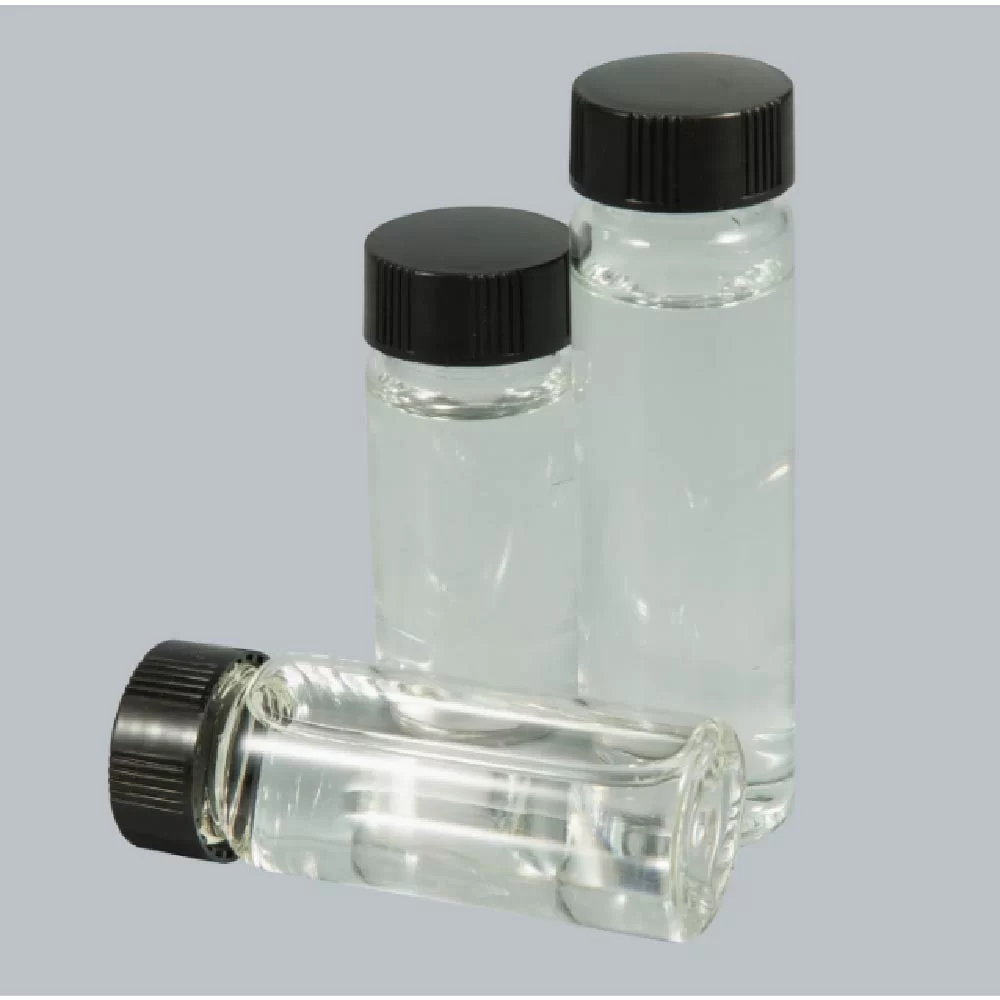
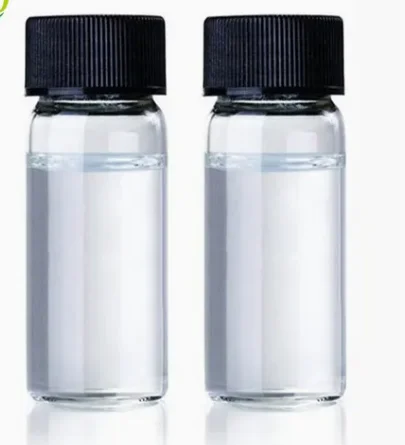
Soluble glass, also known as sodium silicate, is a versatile chemical compound with a wide range of industrial and commercial applications. Its unique properties, including its binding, adhesive, and protective qualities, make it an essential component in numerous processes. From detergents and adhesives to construction materials and wastewater treatment, soluble glass plays a critical role. At ZJS Les, we specialize in the production and supply of high-quality soluble glass solutions tailored to meet diverse industrial needs. We understand the importance of consistent quality and reliable supply chains for our clients' success.
What is Soluble Glass and How is it Made?
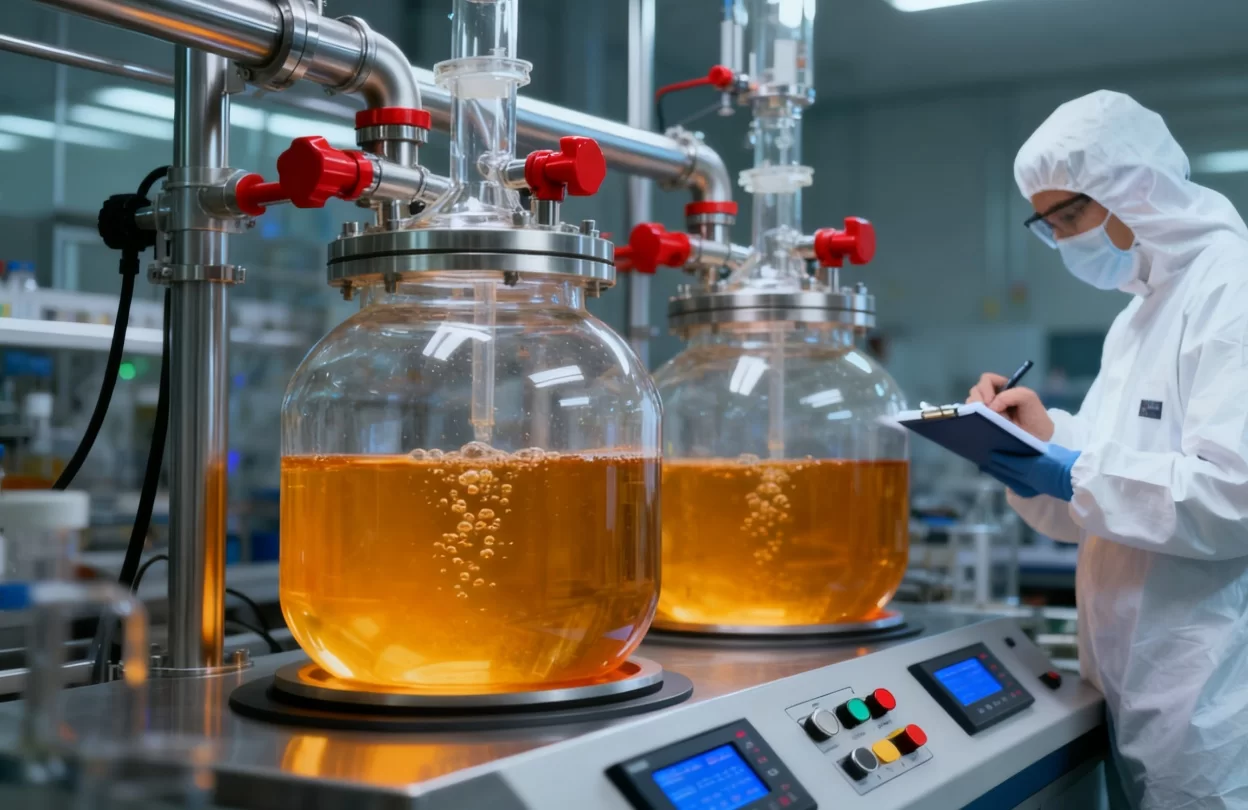
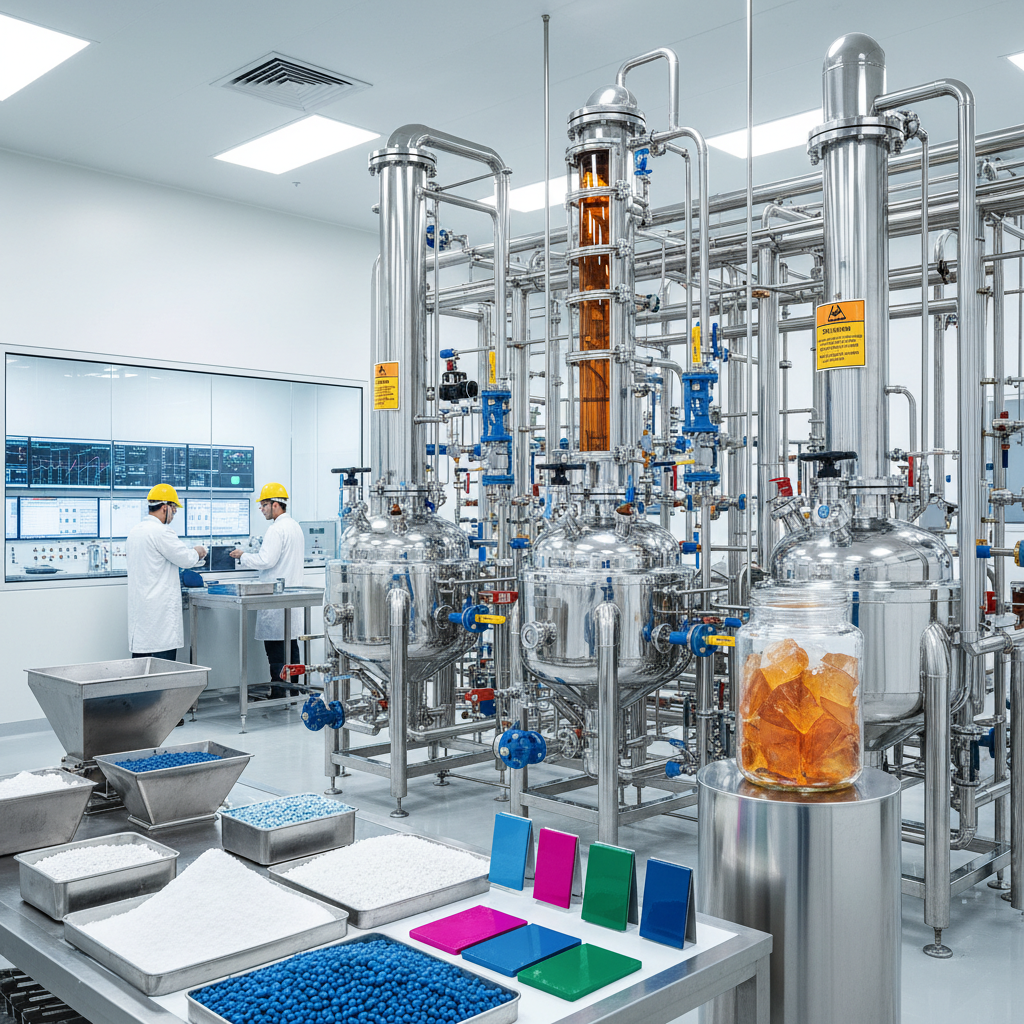
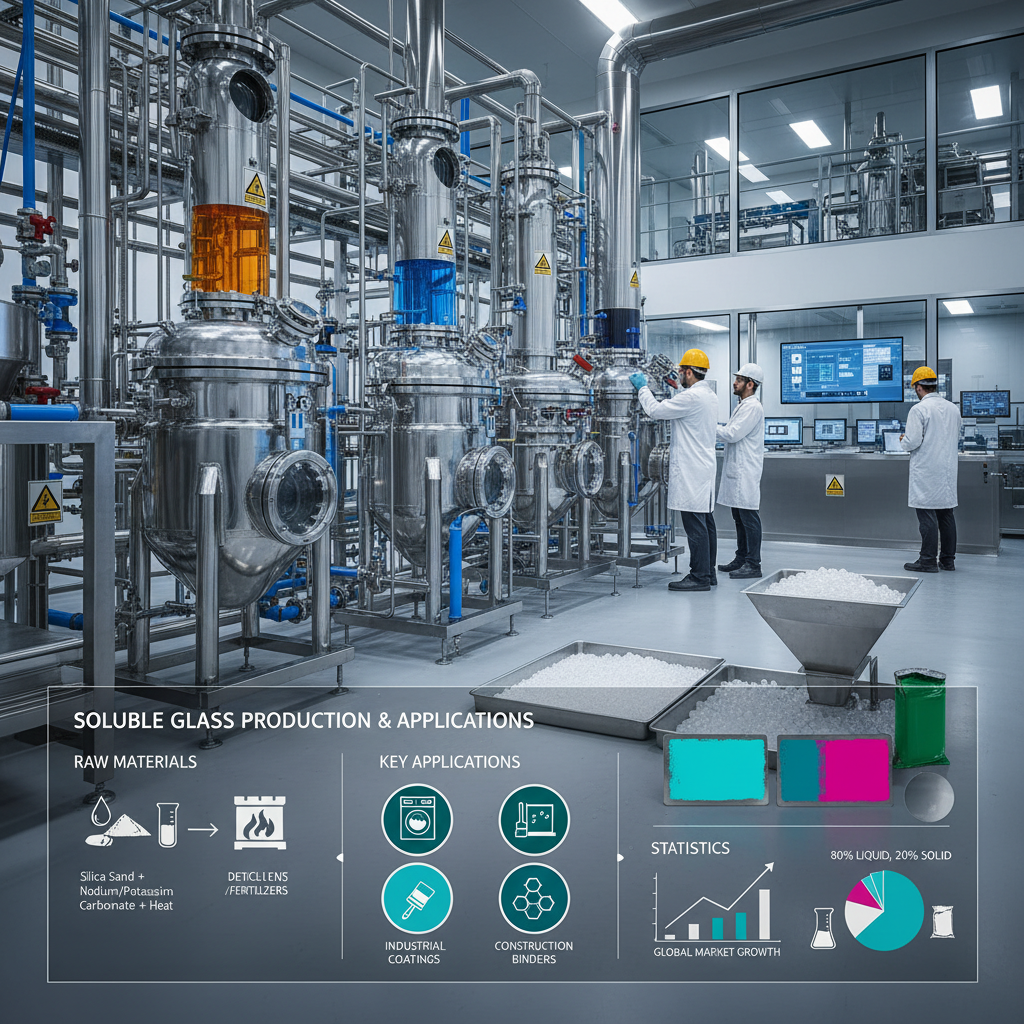
Soluble glass is created by fusing silica sand (SiO₂) with sodium carbonate (Na₂CO₃) – soda ash – at high temperatures. The resulting molten material is then cooled and dissolved in water, creating a solution. The ratio of silica to soda ash determines the properties of the resulting soluble glass, such as its viscosity, alkalinity, and reactivity. Different ratios create varying grades optimized for specific applications. It's a relatively simple process, but achieving consistent quality requires precise control of the raw materials and manufacturing conditions. ZJS Les utilizes advanced manufacturing techniques to ensure superior product consistency and purity.
Key Highlights: Soluble glass is created by fusing silica sand with sodium carbonate. Different ratios of silica to soda ash influence the final product's properties.
Key Applications of Soluble Glass
The versatility of soluble glass allows it to be utilized across a broad spectrum of industries. In the detergent industry, it acts as a builder, enhancing cleaning power and preventing corrosion. Construction benefits from its use in cement and concrete, improving strength and durability. It's vital in wastewater treatment as a coagulant aid, removing impurities. Furthermore, it’s used in paper and pulp manufacturing, textile processing, and as a binder in various applications like welding electrodes and refractories. ZJS Les provides customized soluble glass solutions optimized for each of these unique applications.
Application Benefits:
• Enhanced cleaning power in detergents
• Improved strength and durability in construction materials
• Effective impurity removal in wastewater treatment
• Versatile binder in diverse industrial processes
Soluble Glass Grades: Choosing the Right Solution
Different applications require specific properties from soluble glass. We offer a variety of grades, categorized by their silica-to-soda ratio. Higher silica content leads to increased viscosity and stronger binding, ideal for refractories and adhesives. Lower silica content results in a more alkaline solution, suitable for detergents and cleaning applications. Understanding these distinctions is crucial for optimal performance. Here's a comparative overview of some common grades:
Safety Considerations and Handling of Soluble Glass
Soluble glass solutions are alkaline and can cause irritation to skin and eyes. Always wear appropriate personal protective equipment (PPE), including gloves, safety glasses, and protective clothing, when handling the product. In case of contact, immediately flush the affected area with copious amounts of water. Refer to the Safety Data Sheet (SDS) for detailed safety information. Proper storage in a cool, dry, and well-ventilated area is essential. ZJS Les prioritizes safety and provides comprehensive SDS documentation with all our products.
Conclusion: Partner with ZJS Les for Superior Soluble Glass Solutions
Soluble glass remains a critical ingredient in numerous industrial processes, offering a unique combination of properties that make it irreplaceable. Choosing the right grade and supplier is paramount for consistent quality and optimal performance. ZJS Les is committed to providing high-quality soluble glass solutions, tailored to your specific needs, backed by exceptional customer service and technical support. Contact us today to learn how we can help optimize your processes and drive success.
Frequently Asked Questions (FAQs)
What is the shelf life of soluble glass solutions?
Soluble glass solutions generally have a long shelf life when stored properly in sealed containers, away from direct sunlight and extreme temperatures. However, over time, settling or slight changes in viscosity may occur. This doesn't necessarily indicate spoilage, but thorough mixing before use is recommended. The SDS for each specific grade from ZJS Les provides detailed storage recommendations. We recommend using the product within two years of the manufacturing date for optimal performance.
Is soluble glass environmentally friendly?
Soluble glass is generally considered environmentally friendly because its primary components – silica and soda ash – are naturally occurring minerals. It’s biodegradable and doesn't pose a significant threat to aquatic life in diluted concentrations. However, the alkaline nature of the solution requires careful handling to prevent impacts on the pH of water bodies. ZJS Les is committed to responsible manufacturing practices and minimizing our environmental footprint.
Can soluble glass be used as a stabilizer for soil?
Yes, soluble glass can be used as a soil stabilizer, particularly for fine-grained soils like silt and clay. It reacts with the soil components to form a cementitious material, increasing its strength, reducing permeability, and improving its resistance to erosion. This makes it valuable in construction projects, road building, and dust control. The specific dosage and grade of soluble glass will depend on the soil type and desired stabilization level.