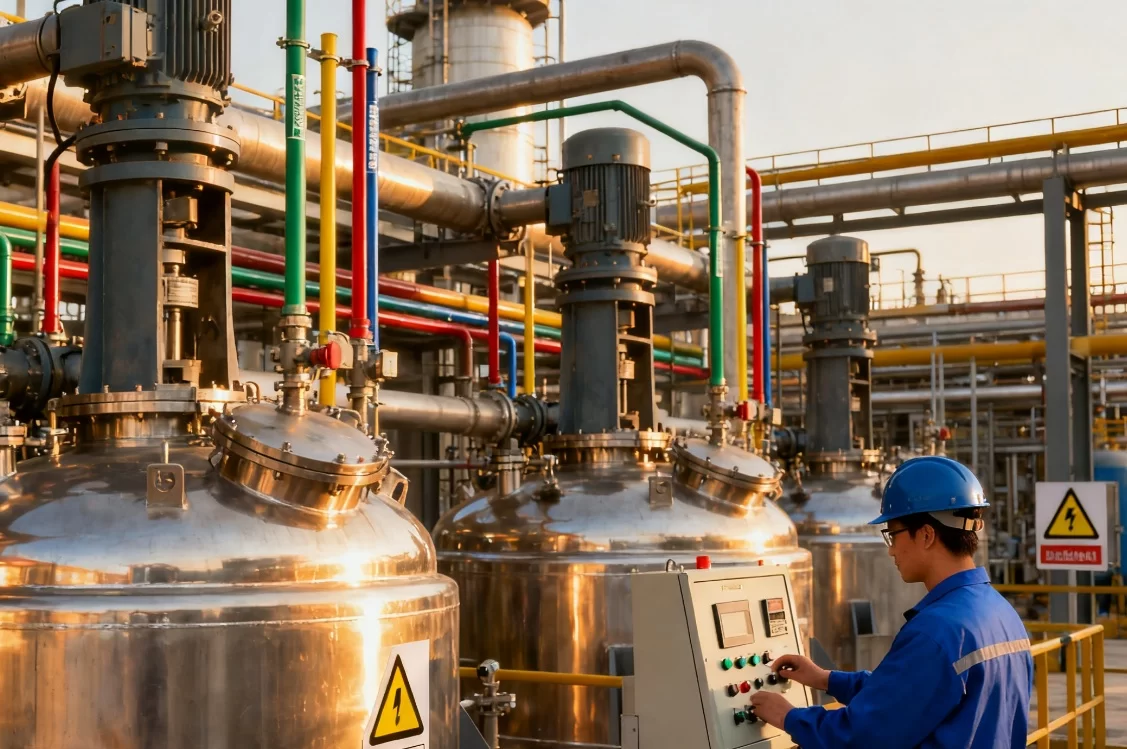
Sodium Percarbonate: A Comprehensive Guide
Sodium percarbonate (2Na₂CO₃·3H₂O₂) is a chemical compound renowned for its eco-friendly cleaning and bleaching properties. It’s a solid form of hydrogen peroxide, offering a safe and effective alternative to chlorine-based bleaches. Widely used in laundry detergents, cleaning products, and even some denture cleaners, sodium percarbonate breaks down into oxygen, water, and sodium carbonate, leaving no harmful residues. This article will delve into its properties, applications, benefits, and safety considerations, offering a thorough overview for both industrial users and consumers. ZJSLES offers high-quality sodium percarbonate for a variety of applications.
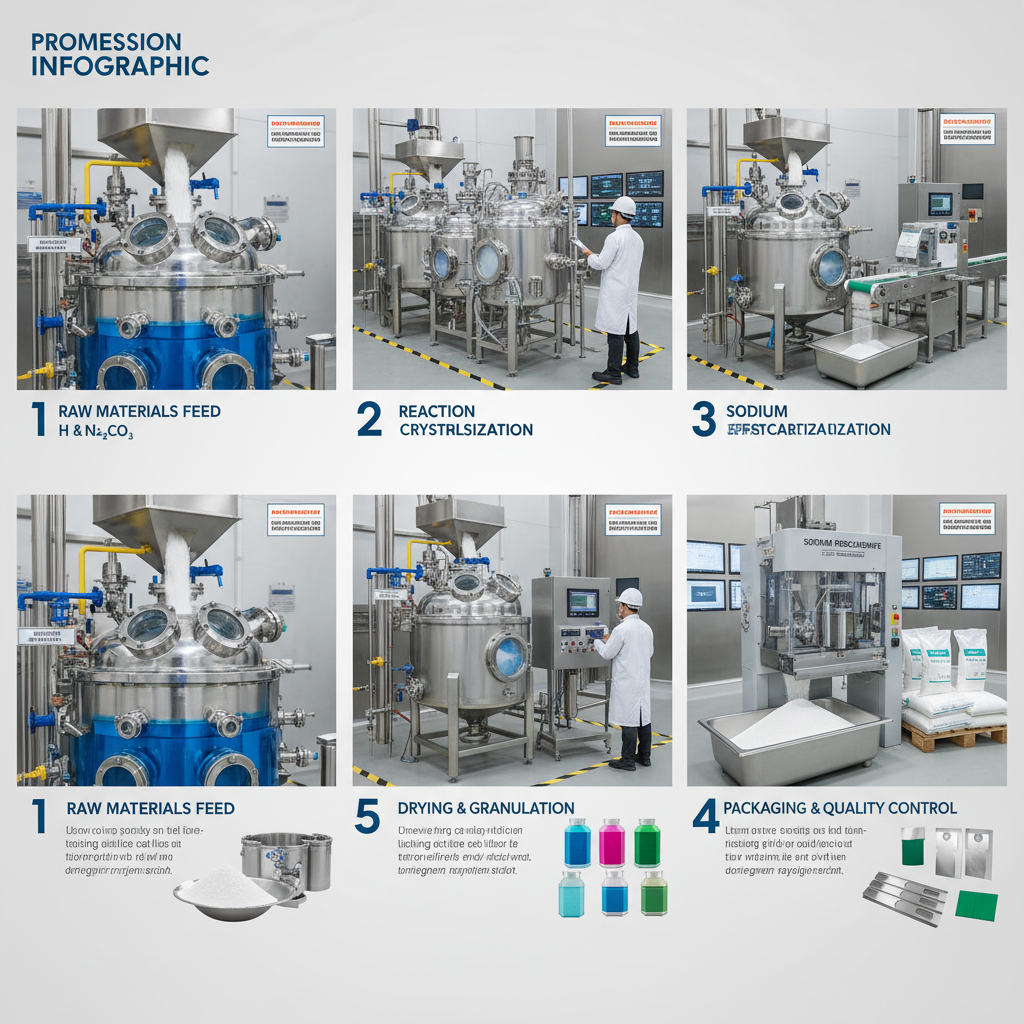
Understanding Sodium Percarbonate’s Chemical Properties
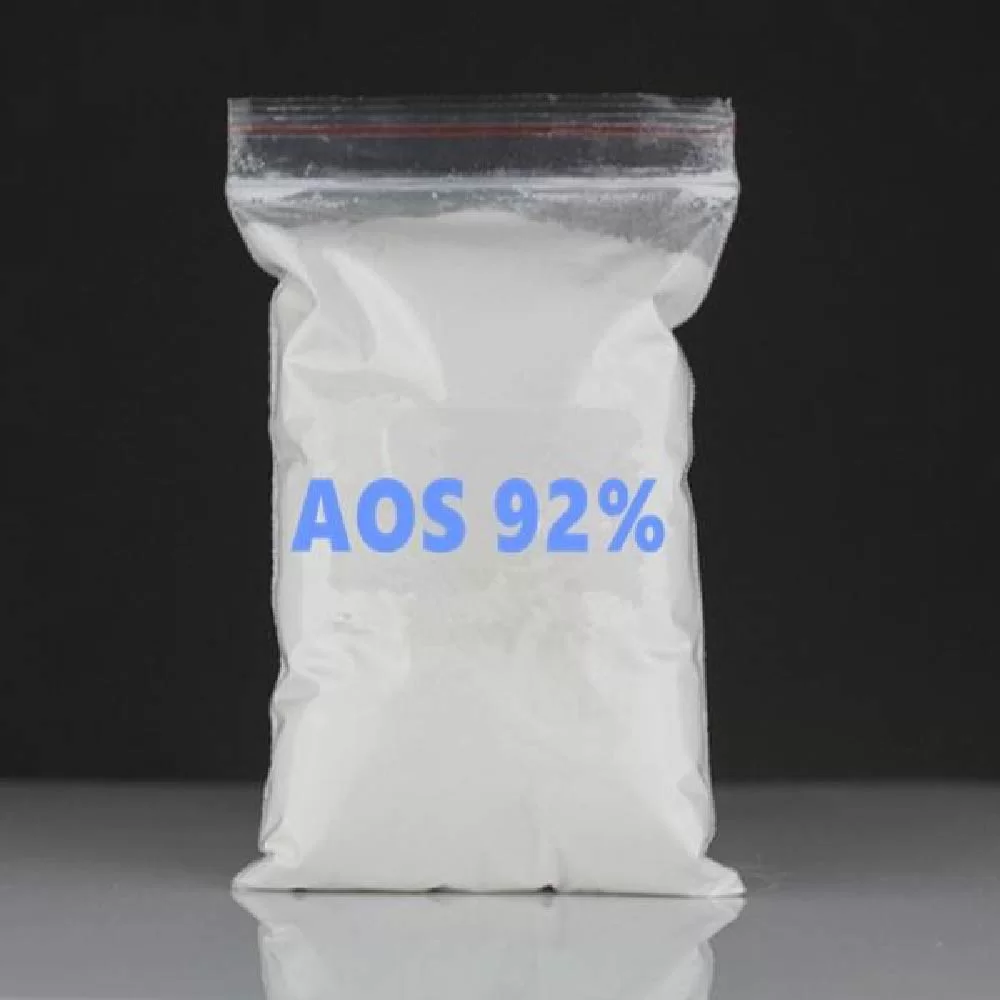
Sodium percarbonate is an adduct of sodium carbonate and hydrogen peroxide. Its chemical formula is 2Na₂CO₃·3H₂O₂. It appears as a white, crystalline solid. When dissolved in water, it releases hydrogen peroxide, which acts as a powerful oxidizing agent. This is the core principle behind its cleaning and bleaching capabilities. The decomposition rate is influenced by temperature and pH; warmer water and slightly alkaline conditions accelerate the release of hydrogen peroxide. It’s a versatile compound that performs remarkably well in various cleaning scenarios, making it a staple ingredient in environmentally conscious formulations. Explore our sodium percarbonate products at ZJSLES for a sustainable cleaning solution.
Key Highlights: A solid form of hydrogen peroxide, offering a safe and effective alternative to chlorine-based bleaches. Breaks down into oxygen, water, and sodium carbonate, leaving no harmful residues.
Applications of Sodium Percarbonate
The diverse properties of sodium percarbonate lend themselves to a wide range of applications. Primarily, it’s a key ingredient in oxygen-based laundry detergents, effectively removing stains and brightening fabrics. It’s also popular in household cleaners for surfaces like tiles, grout, and sinks. Beyond household use, sodium percarbonate finds application in the textile industry for bleaching cotton and other fabrics, in the paper industry for pulp bleaching, and in the aquaculture industry for oxygenating water. Its environmentally friendly profile makes it increasingly sought after as a sustainable alternative in numerous industrial processes.
Application Benefits:
• Effective stain removal in laundry
• Safe for colored fabrics
• Environmentally friendly alternative to chlorine bleach
• Versatile cleaning agent for various surfaces
Sodium Percarbonate vs. Chlorine Bleach: A Comparison
While both sodium percarbonate and chlorine bleach are used for whitening and disinfecting, they differ significantly in their composition and environmental impact. Chlorine bleach releases harmful chlorine gas and can damage fabrics and surfaces. Sodium percarbonate, on the other hand, breaks down into harmless components, making it a much safer and more eco-friendly option. It's gentler on fabrics and less corrosive, preserving the integrity of the materials being cleaned. The choice between the two often comes down to prioritizing environmental responsibility and material preservation. Choose ZJSLES for a sustainable bleaching solution.
Product Specifications and Quality Control
At ZJSLES, we pride ourselves on delivering high-quality sodium percarbonate that meets stringent industry standards. Our product undergoes rigorous quality control checks throughout the manufacturing process to ensure purity, stability, and effectiveness. We offer various grades and packaging options to suit diverse customer needs.
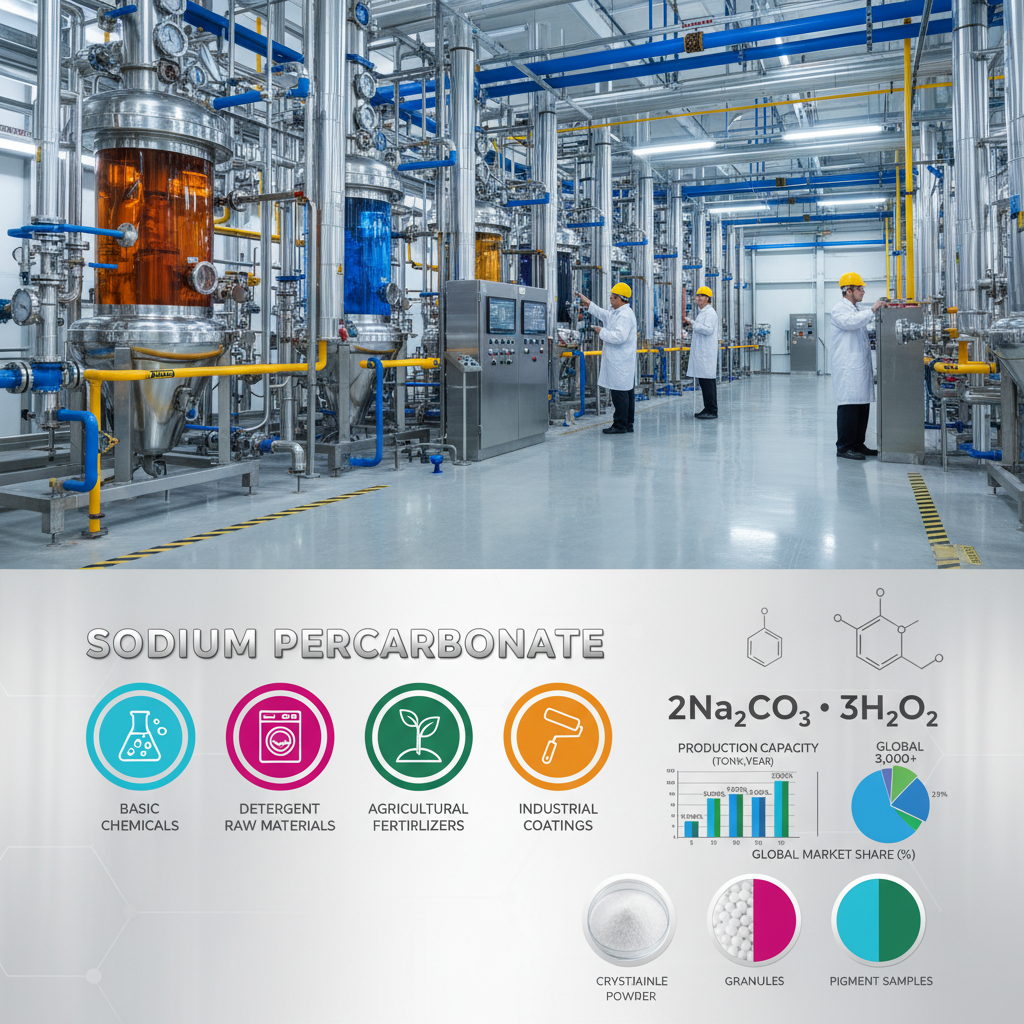
Conclusion: Choosing a Sustainable and Effective Cleaning Agent
Sodium percarbonate offers a compelling alternative to traditional cleaning and bleaching agents. Its effectiveness, combined with its environmental friendliness, makes it an ideal choice for both household and industrial applications. Contact ZJSLES today to learn more about how our high-quality sodium percarbonate can benefit your business.
Frequently Asked Questions (FAQs)
Is sodium percarbonate safe for septic systems?
Yes, sodium percarbonate is generally considered safe for septic systems. It breaks down into environmentally friendly components – water, oxygen, and sodium carbonate – which don’t harm the beneficial bacteria in septic tanks. Unlike chlorine bleach, it won't disrupt the delicate balance of the septic system. However, using excessive amounts of any cleaning agent, even environmentally friendly ones, could potentially overload the system, so moderation is key.
How should sodium percarbonate be stored?
Sodium percarbonate should be stored in a cool, dry, and well-ventilated area, away from direct sunlight, heat, and incompatible materials like reducing agents. Keep the container tightly closed to prevent moisture absorption, as this can accelerate its decomposition. It’s also advisable to store it out of reach of children and pets.
Can sodium percarbonate be used on all fabrics?
While sodium percarbonate is generally gentler than chlorine bleach, it's always recommended to test it on an inconspicuous area of the fabric first, especially for delicate materials like silk or wool. While it's safe for most colorfast fabrics, prolonged exposure to highly concentrated solutions could potentially cause discoloration. Avoid using it on fabrics specifically labeled as “bleach-sensitive.”
What are the safety precautions when handling sodium percarbonate?
Sodium percarbonate is a relatively safe chemical, but it can cause irritation to the eyes, skin, and respiratory tract. It’s advisable to wear gloves and eye protection when handling it, especially in concentrated form. Avoid inhaling the dust. In case of contact with skin or eyes, rinse thoroughly with water. If irritation persists, seek medical attention. Keep out of reach of children and pets.