Understanding Cocamidopropyl Betaine: The Industrial Surfactant You Should Know
Having spent quite a few years immersed in the industrial chemicals and formulations sector, I can tell you—there's something oddly satisfying about a surfactant that manages to strike a delicate balance between performance and gentleness. Cocamidopropyl Betaine (CAPB) is exactly that sort of ingredient. It’s one of those versatile amphoteric surfactants that quietly but effectively powers many personal care products, and frankly, it deserves a bit more spotlight in discussions beyond just the technical circles.
If you’ve ever looked into mild cleansing agents derived from natural sources, you’ll appreciate that CAPB comes mainly from coconut oil. That connection to nature melded with industrial reliability is what draws many formulators to it. Its active matter content can vary—commonly around 30-35%—but the standard product, such as CAPB 30% or 35%, offers a really nice balance between usability and cost.
What struck me early in my career—and what many engineers and R&D teams consistently say—is just how “skin-friendly” this ingredient feels. It’s not just about cleansing power; it’s also about mildness, which frankly is harder to achieve than it looks. The product's amphoteric nature means it can work effectively at different pH levels, making it a perfect companion for sensitive skin formulations without sacrificing foam quality or cleansing efficiency.
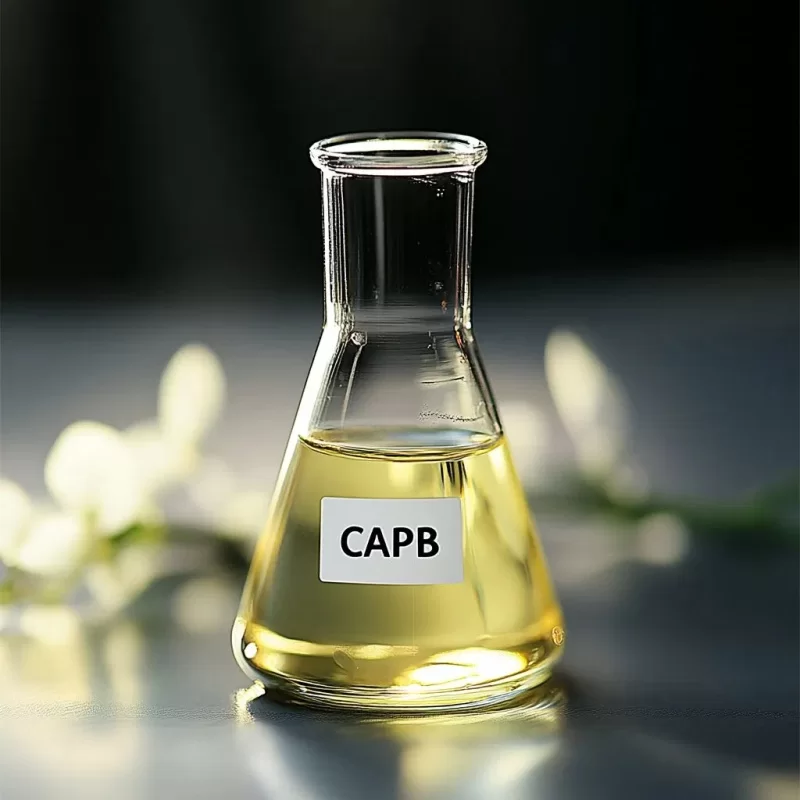
Technical Specs at a Glance
| Property | Specification |
|---|---|
| CAS Number | 61789-40-0 |
| Active Matter Content | 30% (standard), 35% (high purity) |
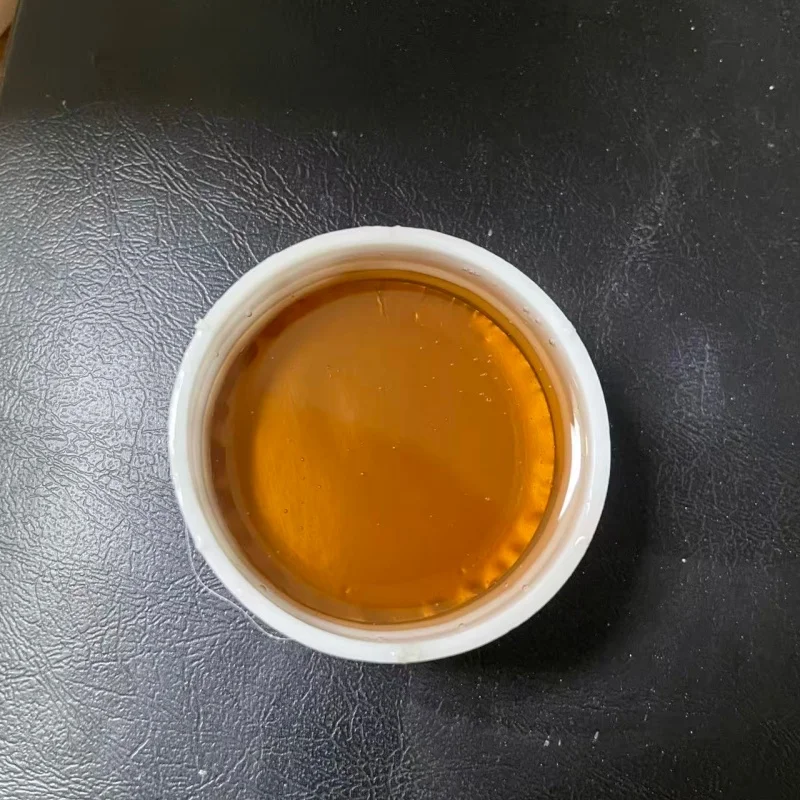
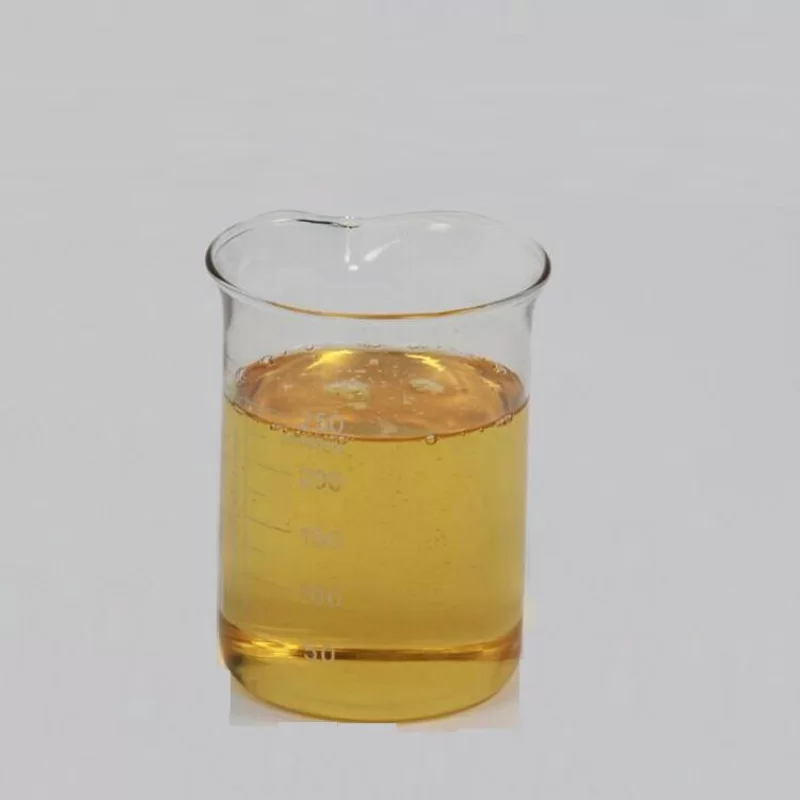
| Appearance | Light to dark brown liquid |
| pH (10% solution) | 4.0 - 6.0 |
| Solubility | Water-soluble |
Now, speaking to those who've handled raw materials sourcing for surfactants — you know the landscape can be a bit crowded. Several suppliers offer CAPB, but the quality, consistency, and customer service can vary quite a bit. Over the years, I've found it’s worth paying close attention not only to the product specs but also to vendor reliability.
Vendor Comparison: Choosing the Right CAPB Supplier
| Vendor | Purity (%) | Price (USD/ton) | Lead Time | Customer Support |
|---|---|---|---|---|
| ZJSLES (China) | 30 - 35% | $1,200 - $1,400 | 1-2 weeks | Responsive, technical |
| Generic Supplier A | 30% | $1,100 - $1,300 | 3-4 weeks | Limited support |
| Supplier B (Europe) | 35% | $1,600 - $1,800 | 2 weeks | Excellent, but pricey |
I can’t help but recall one client who needed a mild cleansing agent for a kids’ shampoo line. Initially, they went with a cheaper, less consistent CAPB source. The formulation faced stability issues and complaints about irritation. Once they switched to a trusted supplier—who had solid batch-to-batch quality and decent lead times—the product’s feedback turned around noticeably. It’s those little stories that reinforce the value of quality and support, alongside specs.
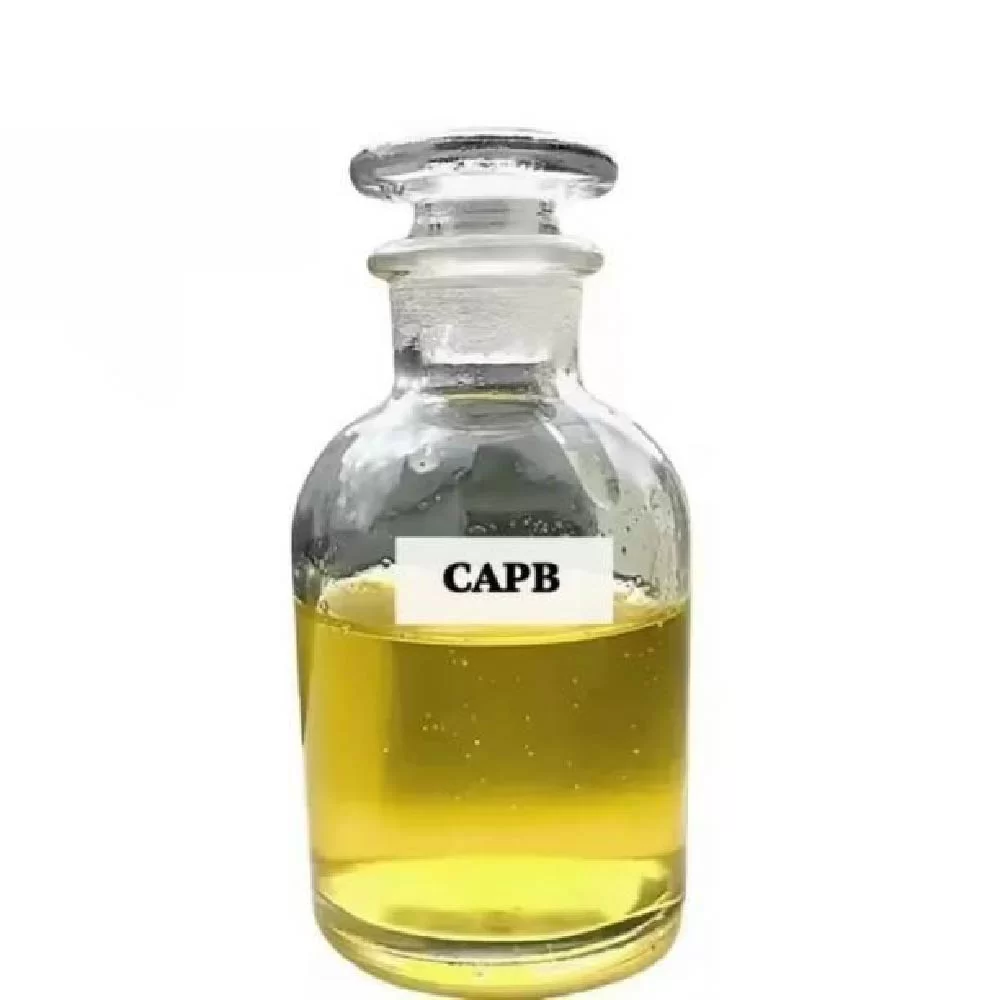
To sum it up, while Cocamidopropyl Betaine may not make headlines, it’s definitely a backbone ingredient in the personal care and industrial sectors alike. Its natural origin, mildness, and multifunctionality make it stand out. If you’re in formulation development or chemicals procurement, don’t overlook the subtle differences between suppliers and grades. Choosing the right CAPB can mean the difference between a good product and a great one.
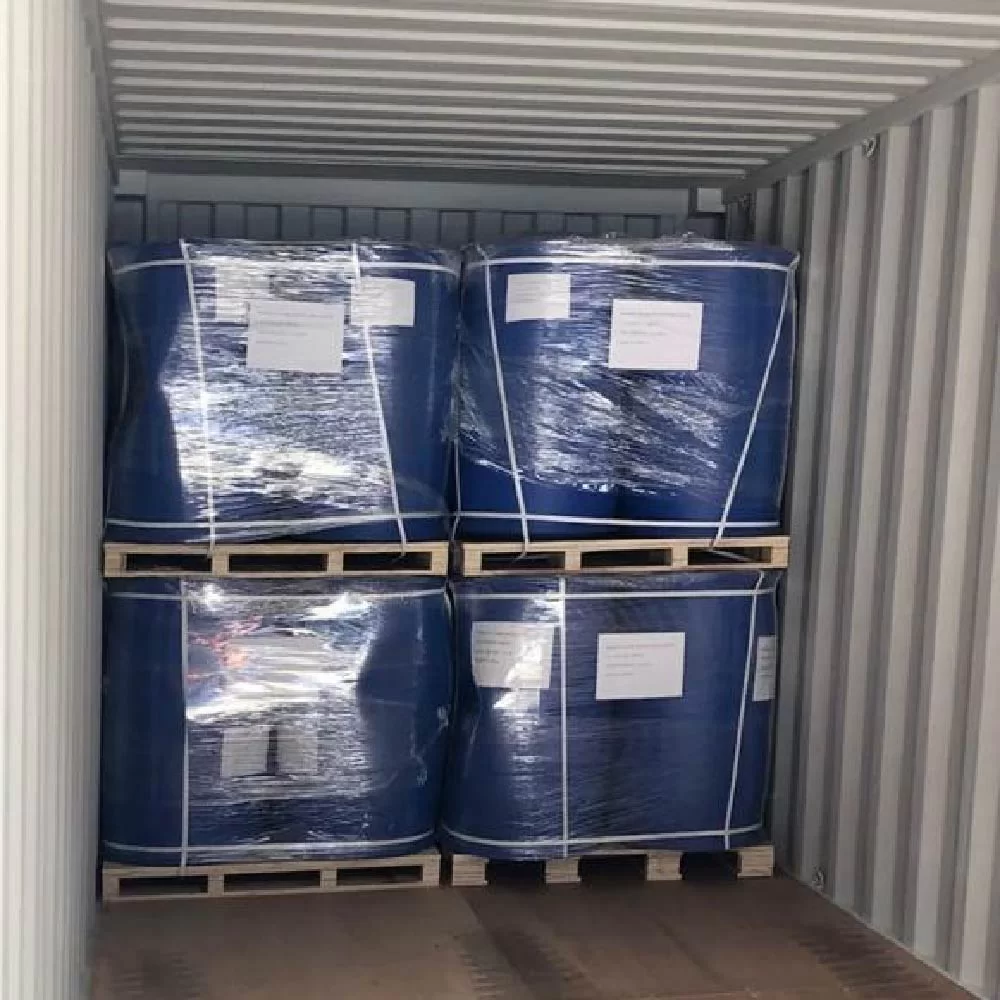
For those interested, you can find more detailed product information directly from the source at their official site. Frankly, nothing beats going straight to a reliable vendor to get both technical datasheets and to ask those practical, experience-based questions.
And just to throw out a quick reminder—as much as specs and price matter in industrial procurement, partnering well with your vendor (who understands your needs) can save you countless headaches down the line.
Until next time, keep in mind that mildness doesn’t mean sacrificing performance—you just need the right surfactant.
References:
- Technical datasheets from ZJSLES
- Industry forums and formulation guides, 2018–2023
- Personal communications with formulation chemists, 2021