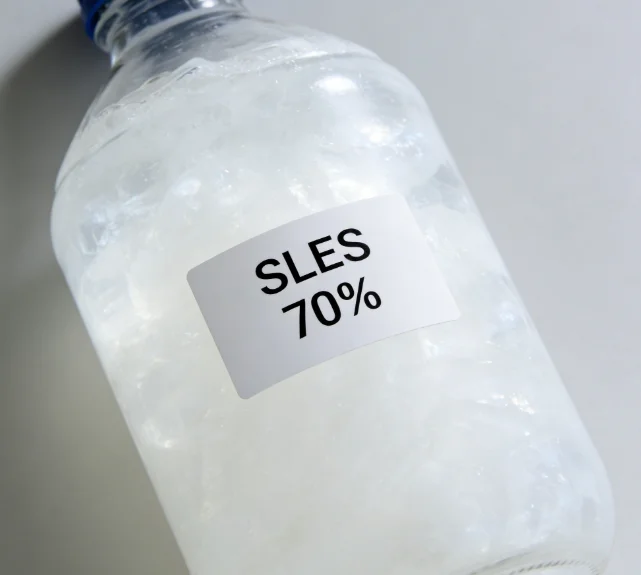
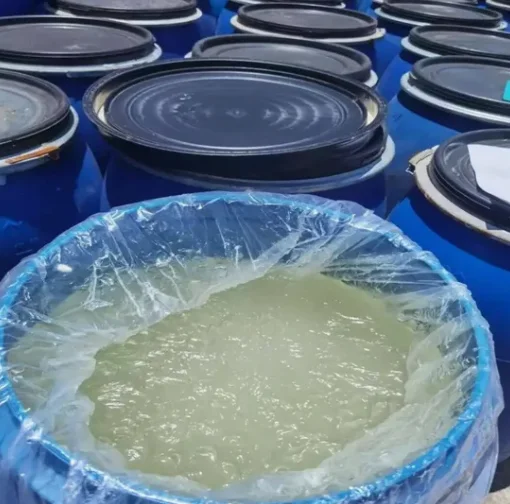
Premium SLES 70 Solutions for Kazakhstan’s Chemical Industry

Premium SLES 70 Solutions for Kazakhstan’s Chemical Industry

Premium SLES 70% Solutions for Kazakhstan's Chemical Industry

High-performance surfactants engineered for the demanding climate and industrial standards of the Central Asian market.

Chemical Raw Material Landscape in Kazakhstan

Analyzing the demand for specialized surfactants in the heart of Eurasia.

Kazakhstan's chemical industry is currently undergoing a transition toward higher value-added specialty chemicals. The demand for a high-quality surfactant has surged as the local production of hygiene and household products shifts from basic formulations to sophisticated, dermatologically tested solutions.

Due to the extreme continental climate of Kazakhstan, with severe temperature fluctuations between winter and summer, the stability of raw materials like Sodium Lauryl Ether Sulfate is critical. Local manufacturers require materials that maintain consistency during transport and storage across vast landlocked distances.

The growth of the domestic Cosmetics sector in cities like Almaty and Astana has created a gap for high-concentration ingredients. This has led to an increased reliance on imported, high-purity concentrates that can be diluted locally to reduce logistics costs.
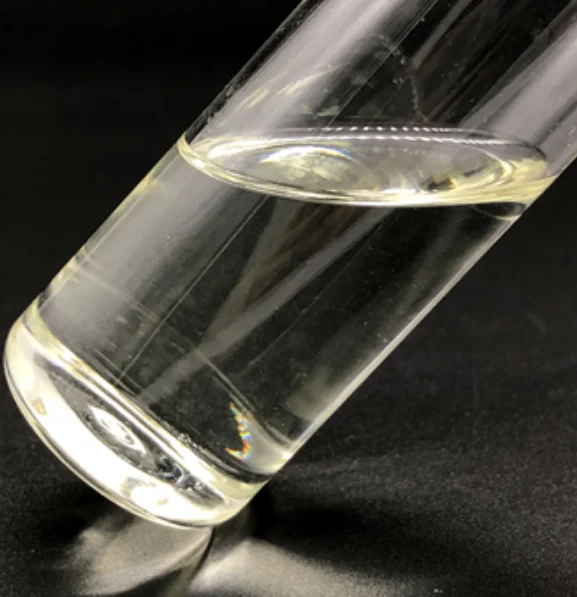
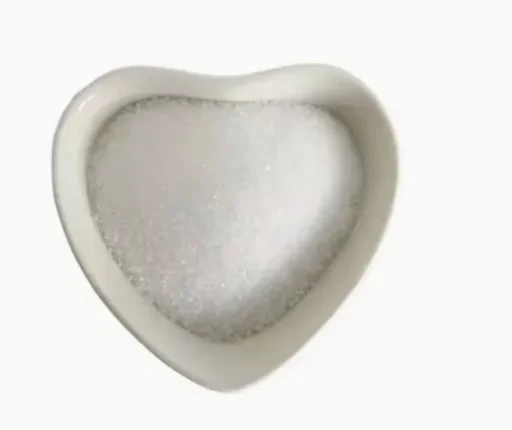
Evolution of Surfactant Technology in Central Asia

From traditional soap bases to advanced ethoxylation processes.

Market Development History

Prior to 2010, the Kazakhstan market relied heavily on basic fatty acid soaps and low-efficiency cleaning agents. The technical infrastructure was primarily focused on bulk industrial cleaners with limited consideration for skin compatibility or biodegradability.

Between 2010 and 2020, the introduction of ethoxylated alcohols marked a turning point. The adoption of SLES 70% allowed local factories to scale production, improving the viscosity and foaming characteristics of shampoos and liquid soaps significantly.

From 2020 to the present, the focus has shifted toward "Green Chemistry." There is now a rigorous technical demand for low-sulfate options and high-purity grades that minimize irritation, aligning with global E-E-A-T standards for chemical safety.

Future Development Trends

Eco-Friendly Formulation Transition

Shift toward biodegradable surfactants that meet the stricter environmental regulations emerging within the Eurasian Economic Union.

Concentrated Raw Material Logistics

Increasing preference for 70% concentrations over lower grades to optimize the expensive rail logistics across the steppe.

Synergistic Blending Tech

Integration of SLES with natural betaines to create mild, premium-grade cosmetics for the growing middle-class consumer base.

Industry Trends and Strategic Outlook

Projecting the trajectory of forest-based and specialty chemical products.

Sustainable Sourcing
Moving toward plant-derived alcohols to reduce the carbon footprint of surfactant production.
Digital Supply Chain
Implementation of real-time tracking for chemical shipments across the Kazakhstan rail network.
Mildness Optimization
Developing low-irritation grades of Sodium Laureth Sulfate for sensitive skin applications.
Regulatory Alignment
Strict adherence to Kazakhstani GOST and international ISO standards for chemical purity.

Industry Outlook

Based on Google search trends for industrial surfactants in Asia, we anticipate a 15% CAGR in the demand for high-concentration SLES in Kazakhstan over the next 3 years. This is driven by the localization of personal care manufacturing.

The integration of forest-derived chemical products into the surfactant chain will likely increase, as manufacturers seek to replace synthetic petroleum bases with sustainable alternatives to meet global export requirements.

Local Application Scenarios in Kazakhstan

Tailored chemical solutions for diverse Kazakhstani industrial needs.

1. Almaty Personal Care Manufacturing

Utilizing Cosmetics grade SLES 70% to produce high-foaming shampoos and body washes that withstand high mineral content in local water supplies.

2. Astana Industrial Degreasing

Application of heavy-duty surfactant blends for the cleaning of machinery in the petrochemical hubs, ensuring rapid emulsification of oils.

3. Regional Household Detergent Production

Integration of Sodium Lauryl Ether Sulfate into liquid laundry detergents designed for efficiency in both hot and cold wash cycles.

4. Specialized Agro-Chemical Adjuvants

Developing wetting agents for the agricultural sector in Southern Kazakhstan to improve the penetration of fertilizers in arid soils.

5. Hand Sanitizer and Soap Hubs

Scaling the production of antimicrobial hand soaps using stable Sodium Laureth Sulfate as the primary foaming agent for public health infrastructure.

Brand Story

Global Development Journey of Shandong Zhongjin Chemical Co., Ltd.

Foundational Excellence

Established as a specialist in ethoxylation, focusing on the purity and stability of SLES to solve the foaming inconsistency in industrial cleaners.

Technological Breakthrough

Perfected the 70% concentration process, significantly reducing transport waste and increasing the efficiency for global distributors.

Strategic Global Expansion

Expanded our footprint into the Central Asian market, tailoring chemical properties to suit the unique environmental conditions of Kazakhstan.

Quality Certification Era

Achieved international certifications that guarantee our products meet the most stringent safety standards for the global cosmetics industry.

Vision for Sustainability

Committing to green chemistry and bio-based raw materials to lead the transition toward sustainable surfactant manufacturing worldwide.

Kazakhstan Market FAQ

Technical answers for local chemical manufacturers.

How does SLES 70% handle low temperatures during winter transport in Kazakhstan?

Our SLES 70% is formulated for stability; however, we recommend controlled heating or specialized insulated containers for transport during extreme winter months to prevent crystallization.

Is your Sodium Laureth Sulfate suitable for high-mineral "hard water" areas?

Yes, our SLES exhibits excellent calcium and magnesium tolerance, ensuring consistent foam performance even in regions with hard water common in Central Asia.

What is the ideal dilution ratio for SLES 70% in cosmetics production?

Depending on the final product, it is typically diluted to 12-25%. We provide technical guidance for precise formulation to ensure optimal viscosity.

Does your surfactant comply with Eurasian Economic Union (EAEU) standards?

Our products are manufactured to align with international ISO standards and meet the chemical safety requirements of the EAEU for import into Kazakhstan.

How do you ensure the purity of Sodium Lauryl Ether Sulfate for medical-grade soaps?

We use advanced vacuum distillation and multi-stage filtration to minimize unreacted alcohols and 1,4-dioxane levels, ensuring a mild profile.

What are the logistics advantages of using 70% concentrate over 25%?

Using 70% concentrate reduces shipping volume and costs by nearly 60%, which is a significant economic advantage for landlocked Kazakhstan.

Get Expert Technical Support

Partner with a global leader in specialty chemicals to optimize your production lines in Kazakhstan.

Contact Us Now

If you are interested in our products, you can choose to leave your information here, and we will be in touch with you shortly.

  • captcha