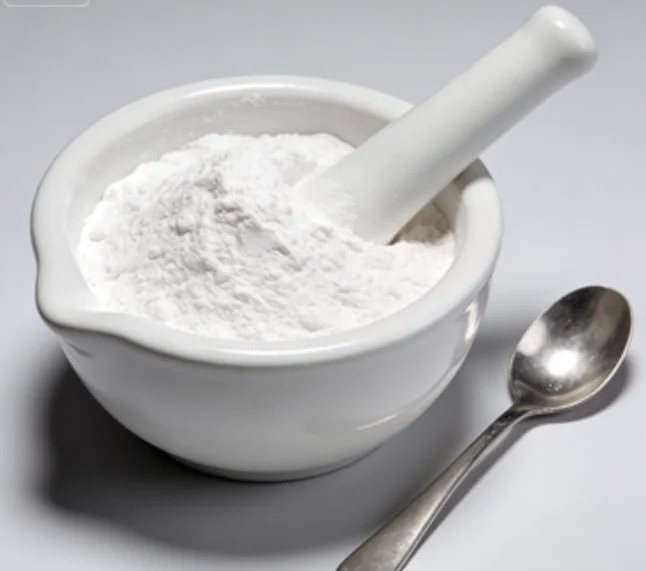
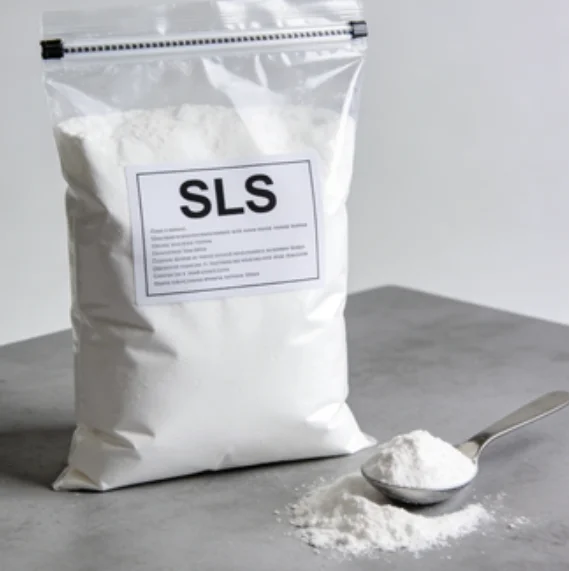
Premium SLES 70 Solutions for Brazil’s Industrial Market

Premium SLES 70 Solutions for Brazil’s Industrial Market

Premium SLES 70% Solutions for Brazil's Industrial Market

High-performance chemical raw materials engineered for the demanding standards of the Brazilian personal care and home cleaning sectors.

Premium SLES 70% Solutions for Brazil's Industrial Market

Supplying the Brazilian manufacturing landscape with high-purity surfactant agents designed to optimize foam stability and viscosity in high-humidity environments.

Chemical Manufacturing Landscape in Brazil

Analyzing the demand for high-efficiency surfactants in the South American powerhouse.

Brazil possesses one of the world's most vibrant Cosmetics markets, driven by a consumer base that prioritizes hygiene and personal grooming. The tropical climate necessitates specialized chemical formulations that remain stable under high temperatures and humidity, making the purity of the Sodium Laureth Sulfate used in production a critical quality factor.

The local industry faces significant logistics challenges across diverse terrains. Consequently, the preference for SLES 70% is high because its concentrated form reduces shipping costs and storage footprints compared to diluted versions, aligning with Brazil's need for lean supply chain management.

Moreover, Brazil's strong forestry sector provides a unique synergy for forest-product chemical manufacturing. The integration of bio-based precursors with synthetic surfactants is becoming a key strategy for local manufacturers to meet both economic goals and emerging environmental regulations.
Evolution of Surfactant Technology in Brazil

From basic detergents to advanced molecular engineering for personal care.

Market Development History

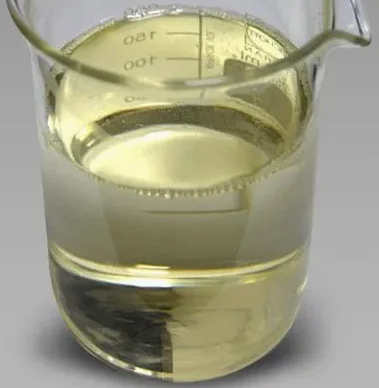
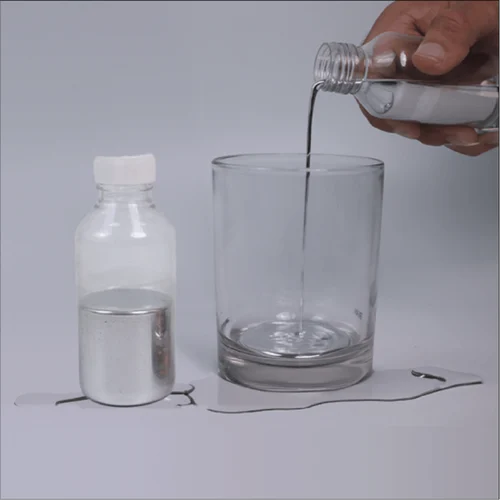
In the late 20th century, the Brazilian market relied heavily on basic soaps and simple detergents. The introduction of Sodium Lauryl Ether Sulfate marked a pivotal shift towards milder, more effective foaming agents that reduced skin irritation in shampoos and body washes.

By the 2010s, the industry transitioned toward "Concentrated Chemistry." The adoption of high-viscosity pastes (70% concentration) allowed local factories to scale production rapidly, catering to the burgeoning middle class's demand for affordable, high-quality hygiene products.

Currently, the focus has shifted toward "Green Chemistry." There is a rigorous move toward reducing 1,4-dioxane levels and improving the biodegradability of surfactants, integrating advanced filtration and purification processes in the manufacturing stage.

Future Development Trends

Sustainable Sourcing

Increased integration of RSPO-certified palm kernel oil and locally sourced Brazilian bio-materials to ensure a sustainable carbon footprint.

Mildness Optimization

Development of ultra-low irritation formulas through precise ethoxylation control, catering to the "sensitive skin" trend in the beauty sector.

Digitalized Batch Processing

Adoption of AI-driven quality control to ensure consistency in SLES active matter percentages across every shipment.

Industry Outlook & Future Projections

Predicting the trajectory of the chemical raw materials sector in South America.

Bio-Based Transition
Shift towards renewable feedstocks to comply with Brazil's strict environmental preservation laws.
Concentrated Logistics
Optimization of 70% active matter formats to reduce carbon footprint in inland transportation.
Customized Viscosity
Demand for tailored ethoxylation levels to match specific Brazilian hair and skin types.
Regulatory Synergy
Alignment with ANVISA standards to streamline the import and use of specialized surfactants.

Industry Outlook

Based on Google search trends and market analysis, we anticipate a 4.5% CAGR in the demand for high-purity surfactants in Brazil. The surge is driven by the "Clean Beauty" movement, where consumers seek transparency in ingredients like Sodium Laureth Sulfate, pushing manufacturers to adopt higher purity grades.

Furthermore, the integration of forest-chemical derivatives will likely redefine the cost structure of the industry. We expect a shift toward hybrid surfactants that combine traditional performance with sustainable, plant-based residues from Brazil's vast forestry resources.

Localized Application Scenarios in Brazil

How our chemical solutions power the diverse Brazilian market.

1. Premium Professional Hair Care in São Paulo

Utilizing SLES 70% to create high-foaming, luxurious shampoos that effectively remove urban pollutants and humidity-induced oils from hair.

2. Biodegradable Home Cleaning in Curitiba

Implementing high-purity surfactant blends for eco-friendly dish soaps that meet strict Southern Brazilian environmental standards.

3. Mass-Market Personal Hygiene in Rio de Janeiro

Developing cost-effective, stable liquid hand soaps using Sodium Lauryl Ether Sulfate to ensure consistency during high-temperature summers.

4. Specialized Skin Cleansers for Amazonian Regions

Formulating mild, pH-balanced cleansers for sensitive skin, leveraging the low-irritation properties of high-grade Sodium Laureth Sulfate.

5. Industrial Degreasers for Automotive Hubs

Applying concentrated surfactant agents to heavy-duty degreasers used in the automotive manufacturing clusters of Brazil's interior.

Brand Story

Global Development Journey of Shandong Zhongjin Chemical Co., Ltd.

Foundational Excellence

Established as a specialist in forest-product chemicals, focusing on the purity of raw materials to solve initial stability issues in surfactant production.

Technical Innovation

Pioneered the high-concentration 70% SLES production process, significantly reducing waste and improving logistics for international clients.

Global Expansion

Expanded footprint into the South American market, tailoring chemical specifications to meet the unique climatic and regulatory needs of Brazil.

Quality Standardization

Achieved international certifications, ensuring that every batch of SLES meets the stringent requirements of the global cosmetics industry.

Sustainable Future

Now leading the transition toward green chemistry, solving the pain point of environmental impact without sacrificing industrial performance.

Comprehensive Chemical Portfolio for Brazil

A full range of high-performance surfactants and auxiliaries for every manufacturing need.

FAQ for Brazilian Chemical Importers

Expert answers to common technical and logistical questions.

How does SLES 70% handle high humidity during storage in Brazil?

Our SLES 70% is formulated for high stability. However, we recommend climate-controlled warehousing to prevent moisture absorption and maintain optimal viscosity.

Is your Sodium Laureth Sulfate compliant with ANVISA regulations?

Yes, our production processes are aligned with international standards that meet ANVISA's purity and safety requirements for cosmetics ingredients.

What is the best way to dilute SLES 70% for liquid soap production?

We recommend gradual dilution with deionized water using a low-shear mixer to avoid excessive air entrapment and ensure a smooth, homogeneous blend.

How does the surfactant performance vary between different ethoxylation levels?

Higher ethoxylation generally increases mildness and solubility, while lower levels can provide stronger detergency; we offer custom levels to suit your specific product goal.

Can Sodium Lauryl Ether Sulfate be used in sulfate-free claims?

No, SLES is a sulfate. For sulfate-free claims, you would need alternative surfactants, but SLES remains the gold standard for foam volume and cost-efficiency.

What lead times should Brazilian manufacturers expect for bulk SLES shipments?

Depending on the port of entry (e.g., Santos or Paranaguá), lead times typically vary. We optimize shipping routes to ensure timely delivery for lean manufacturing.

Ready to Optimize Your Production?

Get professional technical support and competitive pricing for your chemical raw materials in Brazil.

Contact Us Now

If you are interested in our products, you can choose to leave your information here, and we will be in touch with you shortly.

  • captcha