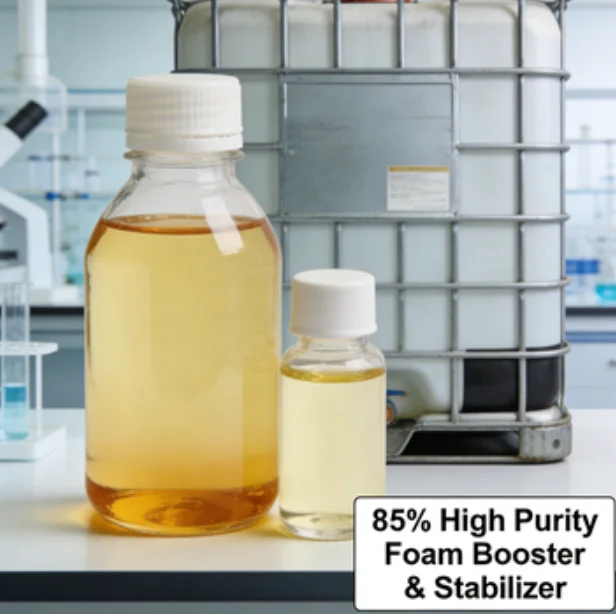
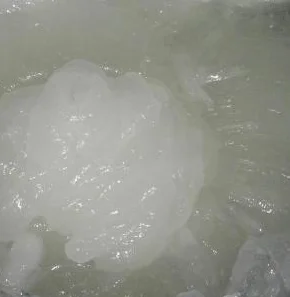
Premium SLES 70 Solutions for Afghanistan’s Industrial Growth

Premium SLES 70 Solutions for Afghanistan’s Industrial Growth

Premium SLES 70% Solutions for Afghanistan's Industrial Growth

High-performance chemical raw materials tailored for the expanding personal care and industrial cleaning markets in Afghanistan.

Premium SLES 70% Solutions for Afghanistan's Industrial Growth

Providing the foundation for high-quality hygiene products in Asia - Afghanistan through advanced surfactant technology and stable supply chains.

Chemical Manufacturing Landscape in Afghanistan

Analyzing the current demand for specialty chemicals in the region.

In Afghanistan, the manufacturing of Cosmetics and household detergents is currently transitioning from small-scale artisanal production to more structured industrial setups. Due to the arid climate and specific water hardness levels in various provinces, there is a critical need for stable emulsifiers that maintain performance under diverse environmental conditions.

The market heavily relies on imported raw materials. Specifically, the demand for Sodium Laureth Sulfate has surged as local entrepreneurs seek to produce affordable yet effective shampoos and liquid soaps to meet the hygiene needs of a growing urban population.

Logistical challenges and regional trade barriers often lead to price volatility. However, the shift towards utilizing concentrated forms like SLES 70% has helped local manufacturers reduce shipping costs and storage space, optimizing their operational efficiency in Kabul and Herat.
Evolution of Surfactant Technology in the Region

From basic soap making to advanced chemical synthesis.

Market Development History

Prior to 2010, the Afghan market was dominated by traditional soap bars based on simple saponification. The industry lacked the technical capacity to incorporate synthetic surfactant agents, limiting product variety to basic cleansing bars.

Between 2011 and 2018, there was a noticeable pivot toward liquid detergents. The introduction of imported Sodium Lauryl Ether Sulfate allowed local producers to create foaming agents and shampoos, marking the first major iteration toward modern chemical blending.

From 2019 to the present, the focus has shifted toward purity and stability. Manufacturers now demand high-concentration pastes and specialized grades of SLES to ensure product shelf-life in Afghanistan's extreme temperature fluctuations.

Future Development Trends

Eco-Friendly Formulation

Increasing global awareness is pushing local Afghan brands to integrate biodegradable components into their Cosmetics lines to reduce environmental impact.

Concentrated Raw Material Adoption

To combat high import tariffs and logistics costs, the transition toward 70% active matter concentrations will become the industry standard for cost-efficiency.

Diversification of Personal Care

Growth in the middle-class urban sector will drive demand for specialized skincare products beyond basic soaps, requiring higher purity chemical inputs.

Industry Outlook and Future Projections

Predicting the trajectory of the specialty chemical market in Afghanistan.

Supply Chain Localization
Reducing dependency on fragmented imports by establishing strategic long-term partnerships for bulk SLES delivery.
Product Diversification
Expanding from simple soaps to advanced foaming agents and specialized industrial degreasers.
Quality Standardization
Moving toward ISO-compliant raw materials to enable Afghan products to enter neighboring regional markets.
Technological Integration
Adopting automated blending systems to ensure precise dosing of active chemical ingredients.

Industry Outlook

Based on search trends in the region, there is a growing interest in "cost-effective surfactant raw materials." This indicates that the Afghan market is moving from mere survival to strategic growth, seeking a balance between high quality and competitive pricing.

The next 3-5 years will likely see a surge in the production of localized personal care brands. The availability of high-grade Sodium Lauryl Ether Sulfate will be the primary catalyst for this industrialization, enabling a shift from importing finished goods to exporting local formulations.

Localized Applications in Afghanistan

Practical implementation of SLES in regional manufacturing.

1. Urban Hygiene Product Manufacturing

Using SLES 70% to produce high-foaming liquid hand soaps and body washes for urban centers like Kabul, focusing on affordability and efficacy.

2. Industrial Degreasing Agents

Applying surfactants in the automotive and machinery maintenance sectors to remove heavy grease and oils from industrial equipment in mining areas.

3. Localized Shampoo Production

Formulating shampoos that are optimized for the specific water hardness of the region, utilizing Sodium Laureth Sulfate for superior cleansing.

4. Household Laundry Detergents

Developing concentrated liquid laundry detergents that remain stable across the extreme temperature swings of the Afghan highlands.

5. Specialized Cosmetic Bases

Providing the chemical foundation for local artisanal cosmetic brands to create skin-friendly facial cleansers and foaming creams.

Brand Story

Global Development History of Shandong Zhongjin Chemical Co., Ltd.

Founding Vision

Established with a mission to solve the inconsistency of chemical raw materials in the global supply chain, focusing on high-purity SLES.

Technological Breakthrough

Developed advanced sulfonation processes to ensure that every batch of SLES 70% meets rigorous international purity standards.

Global Expansion

Extended our reach to Asia, providing critical raw materials to emerging markets and supporting local industrialization.

Quality Certification

Achieved global certifications, ensuring our products are safe for use in high-end cosmetics and sensitive skin applications.

Sustainable Future

Committing to green chemistry by optimizing production energy and reducing waste in the surfactant manufacturing process.

Common Questions in Asia - Afghanistan

Technical and commercial guidance for regional importers.

What are the benefits of using SLES 70% over liquid versions in Afghanistan?

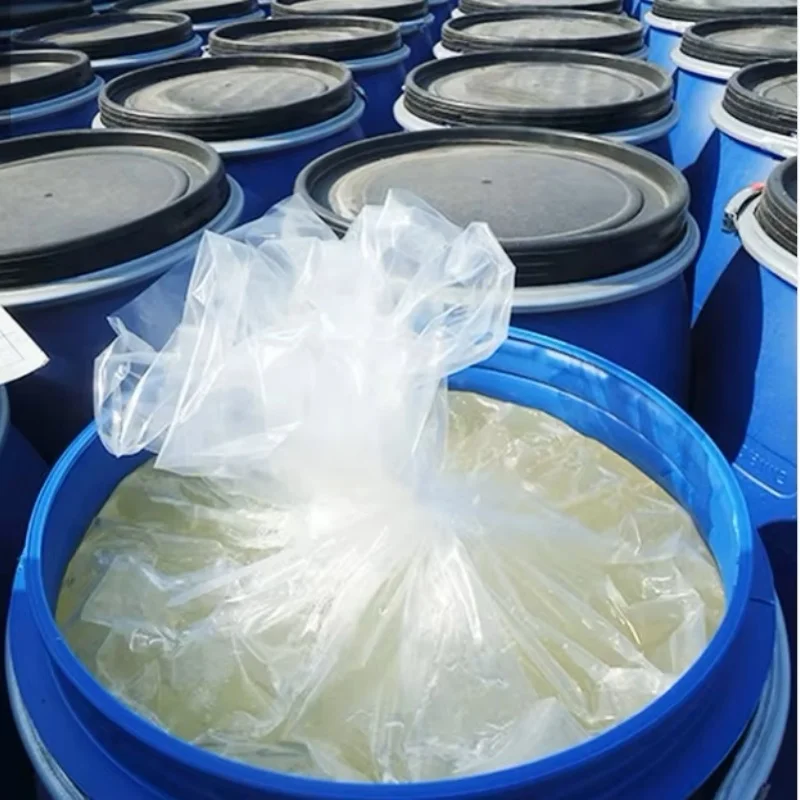
SLES 70% paste significantly reduces transportation costs and storage space, which is critical given the logistical complexities in Afghanistan.

Is Sodium Laureth Sulfate suitable for cosmetics made for sensitive skin?

Yes, when formulated correctly with co-surfactants, it provides excellent cleansing while remaining gentle enough for various personal care products.

How does water hardness in Afghan provinces affect surfactant performance?

Hard water can reduce foam. We recommend combining our SLES with chelating agents to maintain high performance across all regional water types.

What is the lead time for bulk Sodium Lauryl Ether Sulfate shipments to Kabul?

Lead times vary by shipping route, but we optimize our logistics to ensure consistent supply through the most stable corridors.

Can I use these surfactants for industrial-grade degreasers?

Absolutely. Our high-purity surfactants are effective in emulsifying oils, making them ideal for both household and heavy industrial applications.

How should SLES 70% be stored in extreme Afghan temperatures?

It should be stored in a cool, dry place. In extreme heat, ensuring ventilation prevents the paste from altering its physical consistency.

Partner with the SLES Experts

Ready to elevate your manufacturing standards in Afghanistan? Contact us for customized chemical solutions and bulk pricing.

Contact Us Now

If you are interested in our products, you can choose to leave your information here, and we will be in touch with you shortly.

  • captcha