Description
Sodium Chloride: The Essential Multi-Functional Ingredient Across Industries
Chemical Profile and Overview
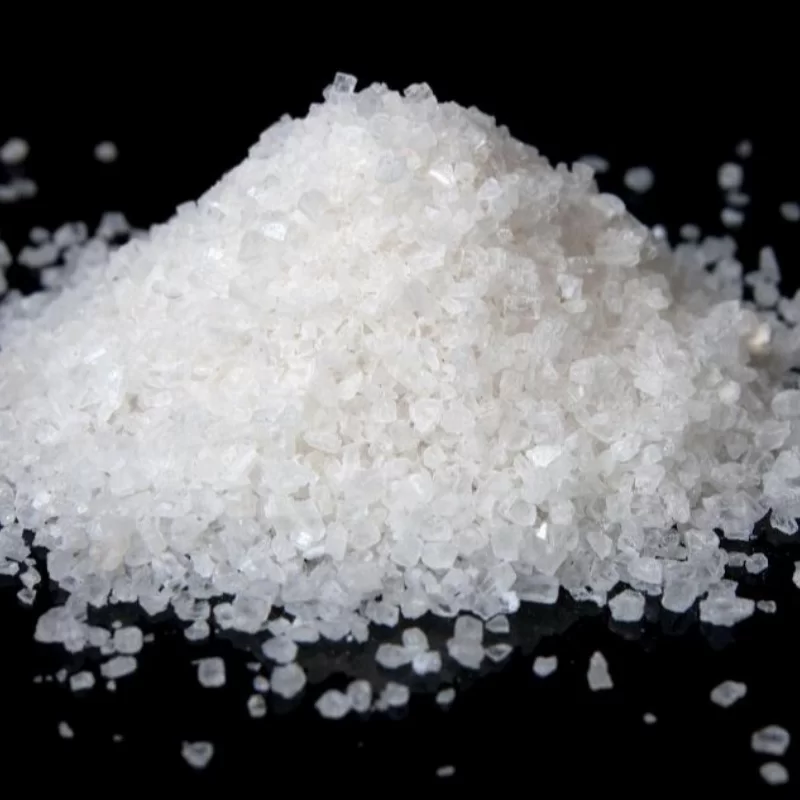
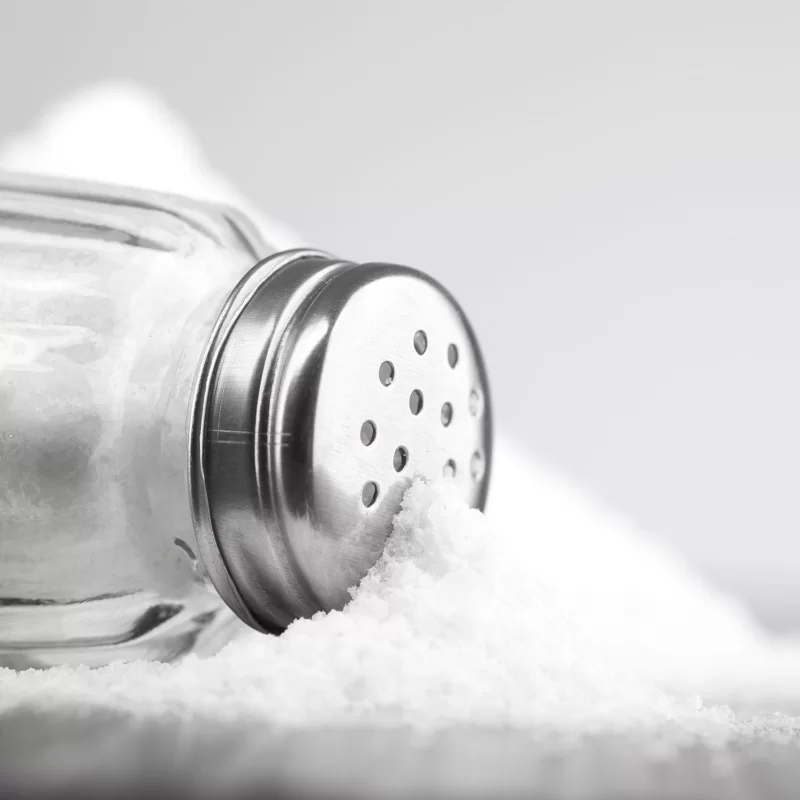
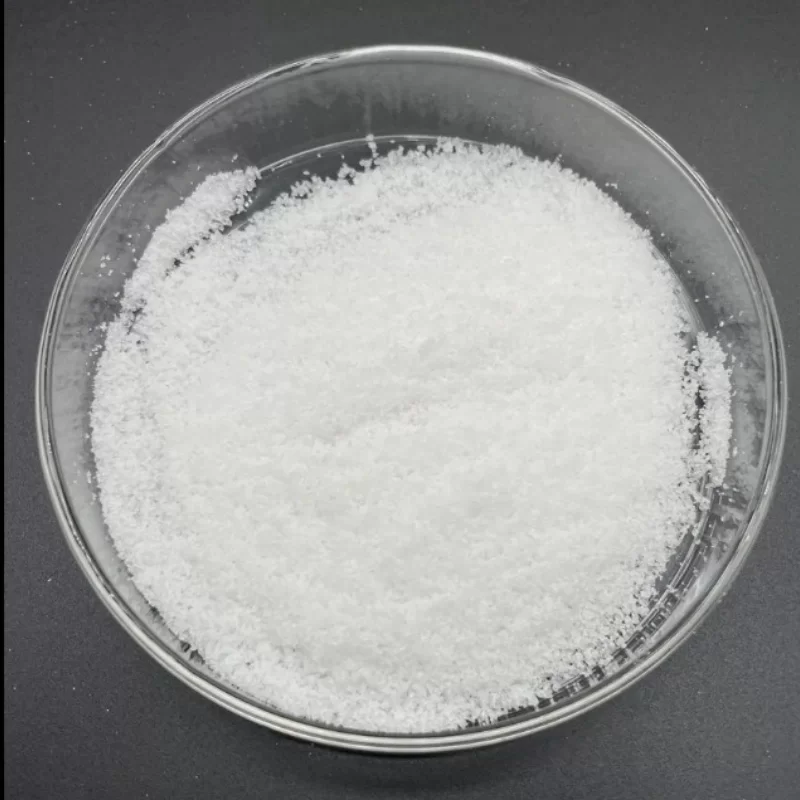
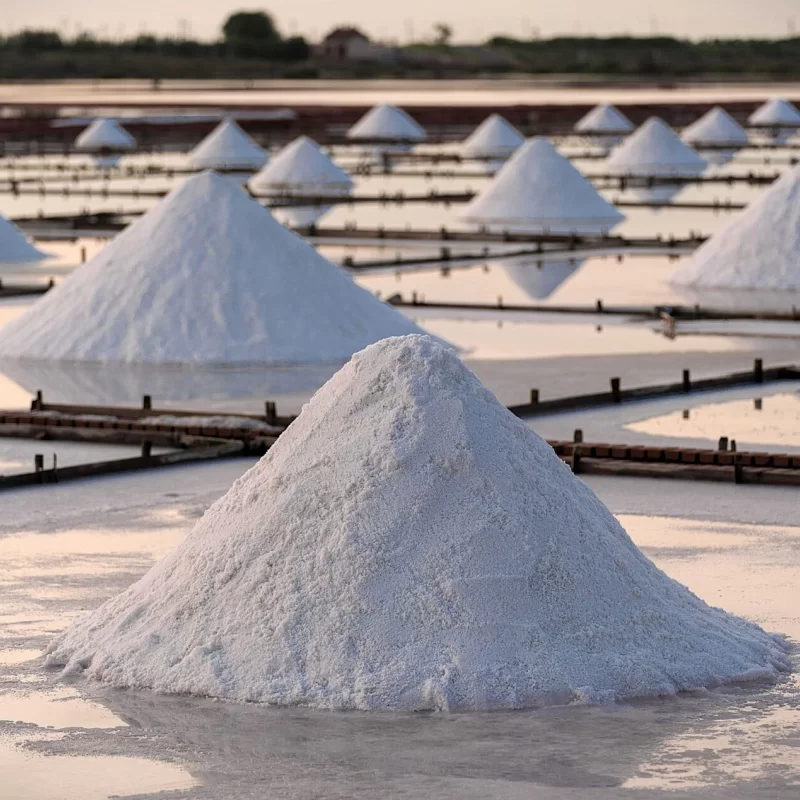
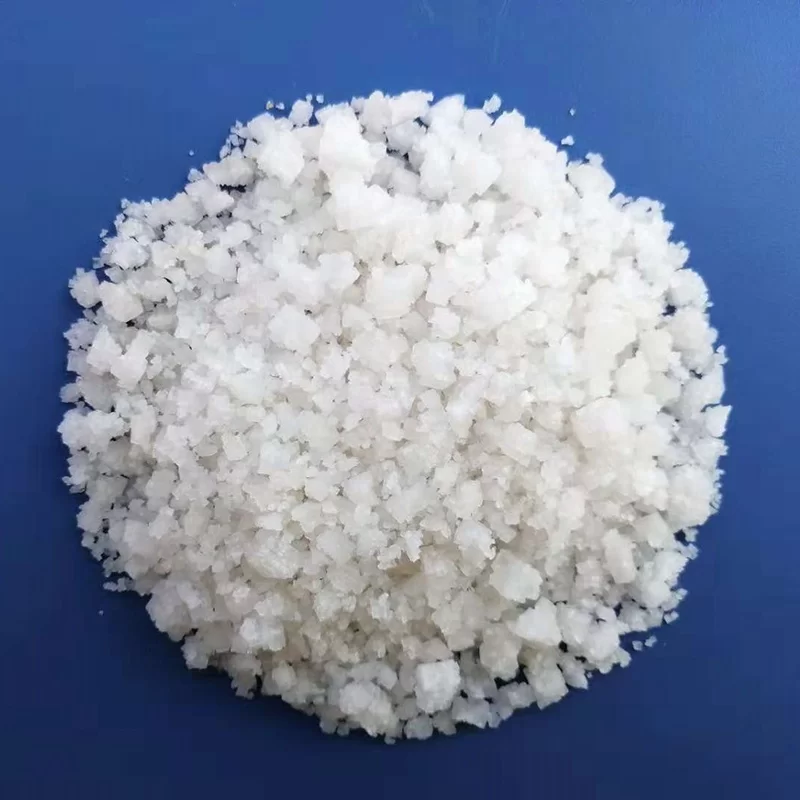
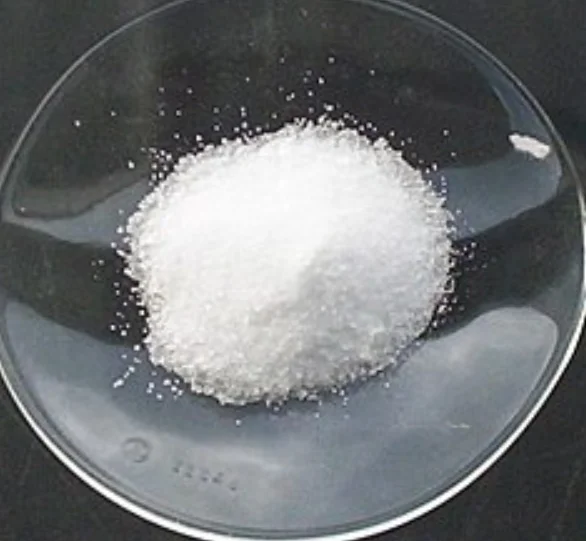
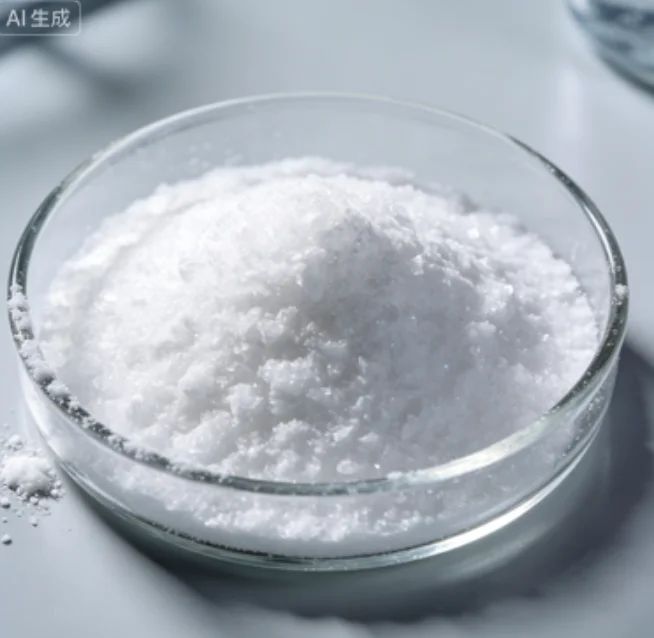
Sodium Chloride, with the chemical formula NaCl and commonly known as table salt, is an ionic compound consisting of sodium and chloride ions. It appears as colorless, cubic crystals or a white crystalline powder and is renowned for its high solubility in water and characteristic saline taste. While fundamental to biological life as an essential electrolyte, its utility extends far beyond nutrition into a critical role as a raw material, processing aid, and functional additive in numerous industrial, chemical, and consumer product applications.
Core Functional Properties
The versatility of Sodium Chloride arises from its fundamental chemical and physical properties:
Electrolyte & Viscosity Modifier: In aqueous solutions, it dissociates into Na⁺ and Cl⁻ ions, increasing ionic strength. This can screen electrostatic repulsions, leading to the thickening of certain surfactant solutions (e.g., in shampoos) or the "salting-out" of proteins and other dissolved organics.
Deicing & Freezing Point Depression: It lowers the freezing point of water, making it effective for melting ice on roads and walkways.
Preservative: At high concentrations, it creates a hypertonic environment that draws moisture out of microbial cells through osmosis, inhibiting their growth and preserving food.
Chemical Feedstock: It serves as the primary industrial source for chlorine and sodium hydroxide via electrolysis, and for elemental sodium.
Applications in Food Processing and Preservation
Sodium Chloride is indispensable in the food industry, functioning as more than just a flavor enhancer.
Preservation: It is crucial in curing meats (e.g., ham, bacon), fermenting vegetables (e.g., sauerkraut, kimchi), and preserving fish, primarily by inhibiting the growth of spoilage microorganisms.
Flavor Enhancement: It potentiates flavor and suppresses bitterness in virtually all prepared foods and snacks.
Texture & Process Control: In baking, it controls yeast fermentation rates and strengthens gluten structure. In cheese making, it controls moisture, texture, and enzyme activity.
Applications in Water Treatment and Chemical Production
Its role in industrial chemistry is foundational.
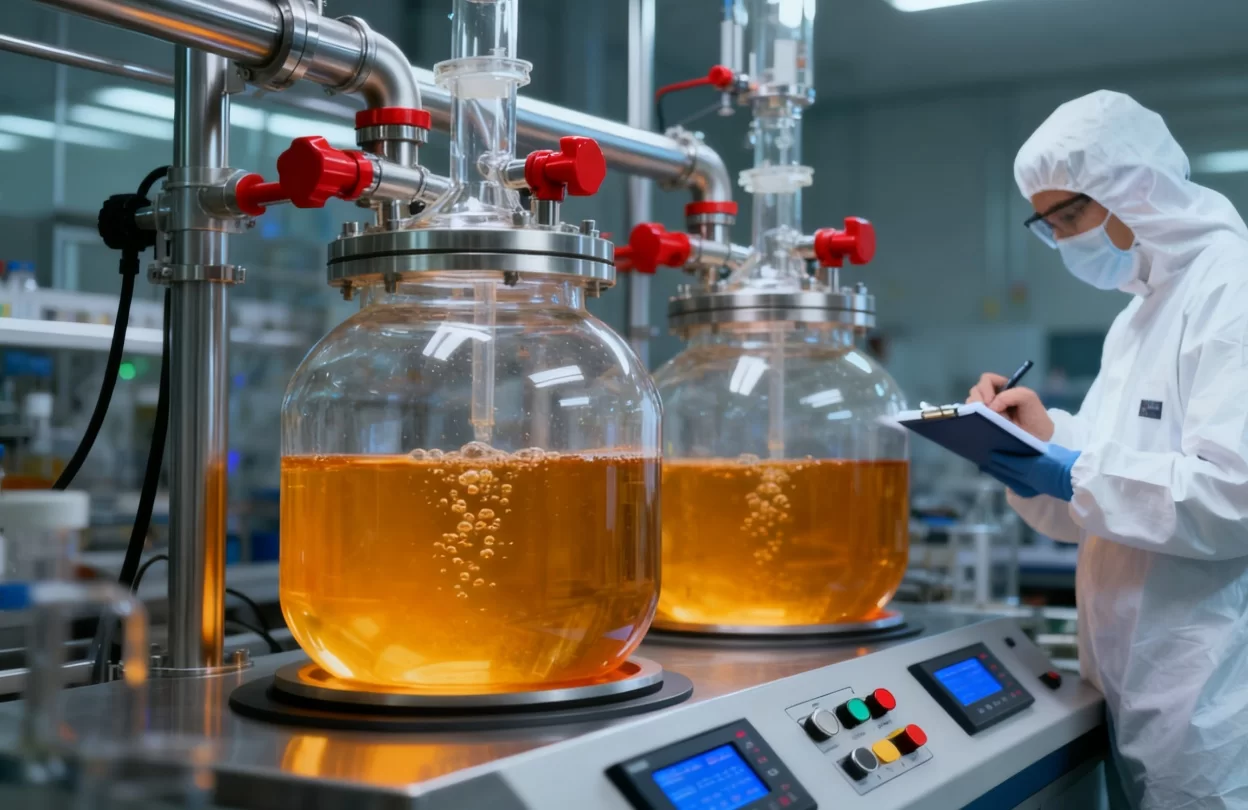
Chlor-Alkali Industry: The electrolysis of brine (NaCl solution) is the primary method for producing chlorine gas (Cl₂), sodium hydroxide (NaOH, caustic soda), and hydrogen gas (H₂). These are base chemicals for countless downstream products, including PVC, plastics, and solvents.
Water Softening: Used in the regeneration cycle of ion-exchange water softeners, where sodium ions replace scale-forming calcium and magnesium ions.
Municipal Water Treatment: Used in some contexts to control algae and adjust water chemistry.
Applications in Other Sectors
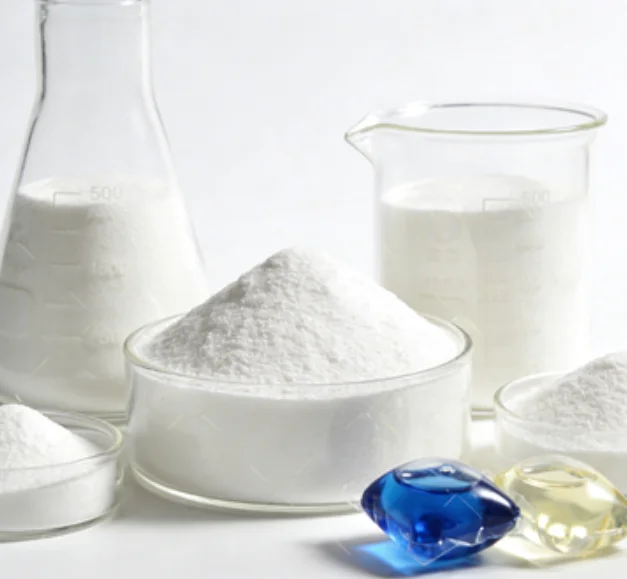
Detergents and Cleaning Products: Used as a viscosity modifier and builder in liquid and powdered detergents. In dishwasher salts, it regenerates the ion-exchange resin that softens water in the appliance.
Deicing Agent: The most widely used agent for winter road maintenance.
Oil and Gas Drilling: A key component of drilling fluids to increase density and control subsurface pressures.
Textile Dyeing: Used as an electrolyte to promote even absorption of dyes onto fabrics.
Key Technical Properties
Molecular Weight: 58.44 g/mol
Melting Point: 801 °C
Solubility in Water: 35.7 g/100 mL (0°C); 39.1 g/100 mL (100°C)
PH (aqueous solution): ~7 (neutral)
Conclusion
Sodium Chloride is far more than a simple condiment; it is an essential, multi-functional, and economical cornerstone of modern industry and technology. Its roles span from preserving food and enhancing flavor to serving as the primary feedstock for the massive chlor-alkali industry and enabling the formulation of everyday consumer products like detergents and shampoos. Its unparalleled combination of fundamental chemical properties, universal availability, and low cost ensures its irreplaceable status across the global economic and manufacturing landscape.
next :
Sodium Percarbonate
Get a Quick Quote Now
Tell us what you need — we’ll provide the best price and solution fast.
contact us






Start Your Order
Submit your inquiry form to get a customized quotation.
Your Email Address...
submit