Look, I’ve spent the last fifteen years breathing concrete dust and getting to know every engineer, foreman, and material supplier within a five-state radius. What I’ve seen is a massive shift in how we need to think about building – and at the heart of that is Direct Factory solutions. It’s no longer about just getting the job done; it’s about doing it faster, smarter, and with less waste. The old ways? They’re just not cutting it anymore, especially when you’re facing increasingly tight deadlines and a skilled labor shortage. We need to be able to deploy quality structures quickly, and that's where this approach shines.
I used to watch weeks get eaten up waiting on materials, dealing with on-site fabrication issues, and scrambling to find qualified labor. Now, with these pre-engineered, factory-built solutions, a huge chunk of that headache disappears. It’s a game-changer for project timelines, allowing us to focus on assembly and finishing rather than battling the basics. And it's not just about speed. The precision you get from a controlled factory environment translates directly to higher quality builds.
Honestly, when I first heard the term “Direct Factory”, I was skeptical. I'm a hands-on guy, always have been. But seeing it in action, on real job sites, the benefits became undeniable. It's about streamlining the entire process, from design to delivery, and delivering a better product, faster and more efficiently.
The Core Principles of Direct Factory
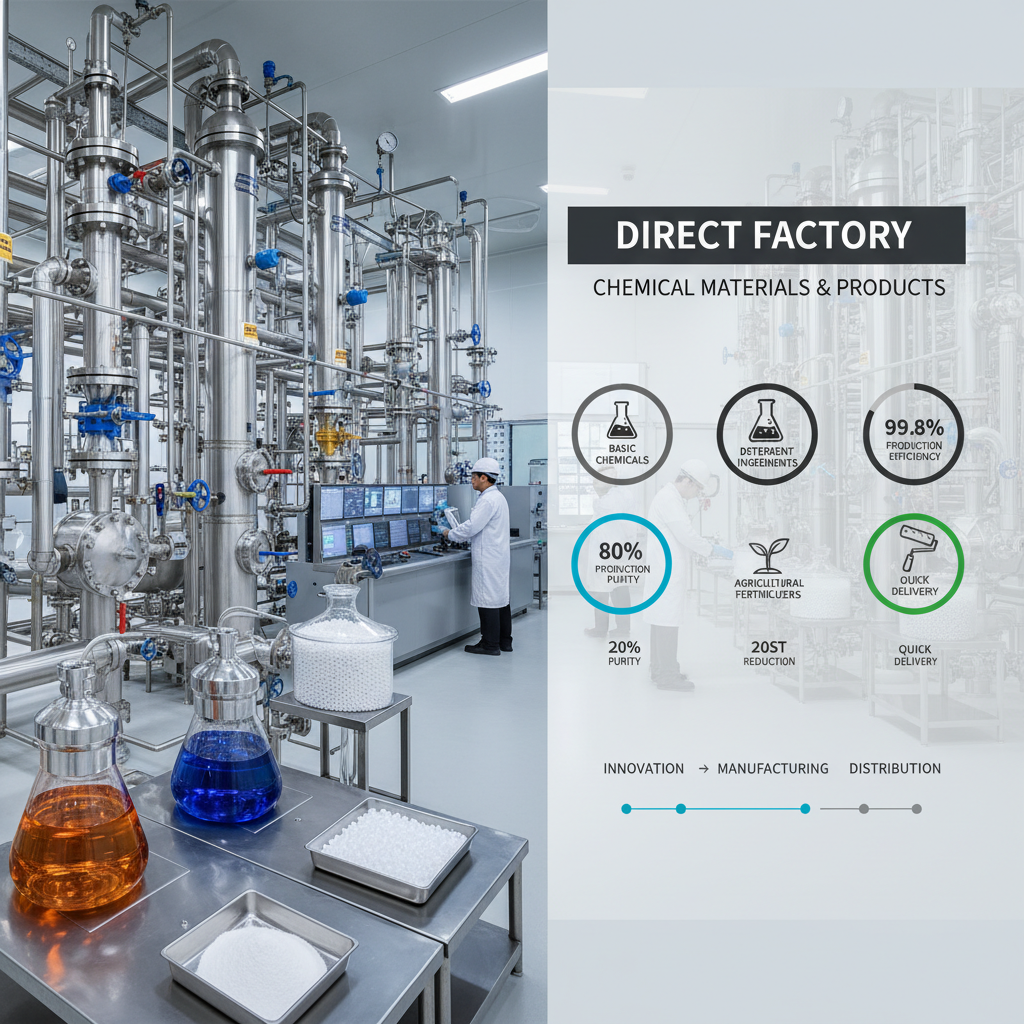
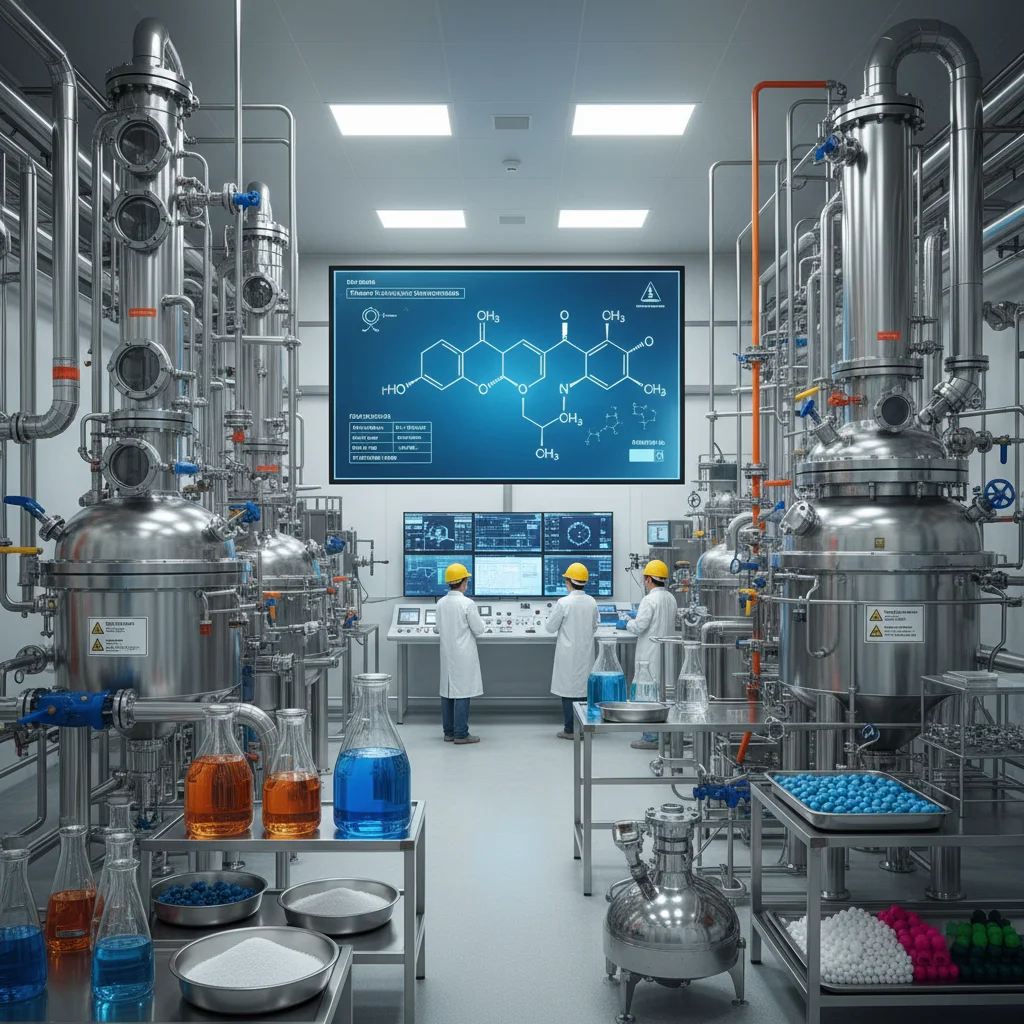
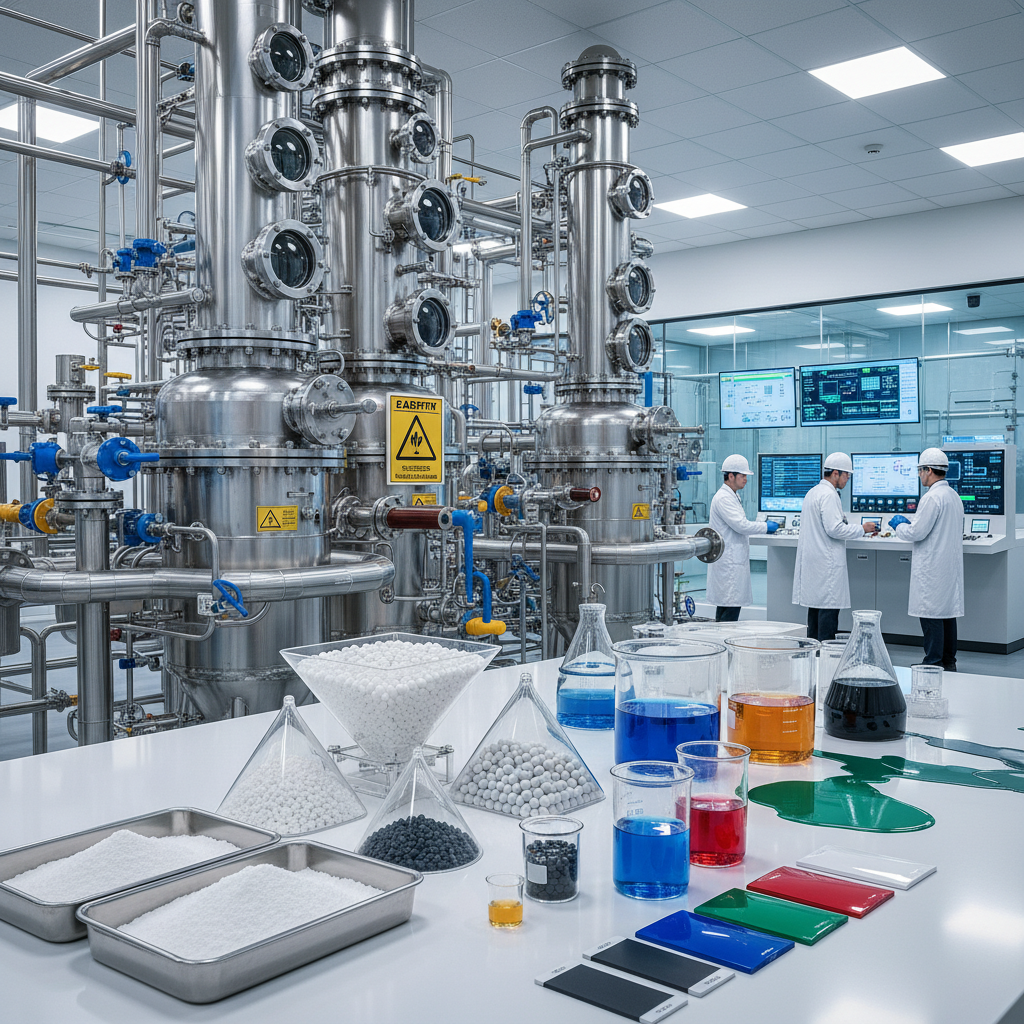
At its heart, Direct Factory is about shifting the majority of the construction process from the unpredictable job site to the controlled environment of a factory. This means increased precision, reduced material waste, and a significant boost in overall project efficiency. You're dealing with fewer weather delays, less on-site mess, and a much tighter control over quality.
From my perspective, the biggest win is the ability to standardize processes. We’re talking about repeatable designs, consistent material sourcing, and a workforce that’s trained to deliver a specific, high-quality product every single time. This isn't just a theoretical advantage; it's a real, tangible difference on the ground.
Global Relevance and Industry Impact
This isn't just a trend in North America; it's a global movement. The UN estimates that by 2050, nearly 70% of the world’s population will live in urban areas, creating an unprecedented demand for housing and infrastructure. Traditional construction methods simply can't keep up with that pace. According to the World Bank, the cost of infrastructure development in developing countries is projected to reach trillions of dollars in the coming decades – and Direct Factory approaches offer a viable solution to bridge that gap.
The construction industry has historically been slow to adopt new technologies, but that’s changing rapidly. Driven by factors like labor shortages, rising material costs, and a growing focus on sustainability, companies are actively seeking innovative solutions. ISO standards are increasingly recognizing the quality and reliability of factory-built structures, further validating the approach.
We’re facing a critical challenge: how to build more, build faster, and build better. This isn’t just about profits; it’s about providing safe, affordable, and sustainable housing for a growing global population. Direct Factory offers a pathway to address that challenge head-on.
Defining Direct Factory: A Modern Approach
Simply put, Direct Factory means manufacturing building components – or even entire structures – in a factory setting, then transporting them to the construction site for assembly. It’s a fundamentally different approach compared to traditional stick-built construction, where almost everything is done on-site. It’s a bit like building with giant LEGOs, but with engineering precision and quality control built in.
This isn’t a new concept, but recent advancements in manufacturing technology, materials science, and design software have made it far more efficient and cost-effective. It's no longer limited to simple, repetitive structures. We're now seeing complex, customized designs being built with this approach, opening up a whole new world of possibilities.
Its connection to modern industry and humanitarian needs is strong. For example, in disaster relief, rapid deployment housing is crucial, and these systems can deliver shelter to those in need far faster than traditional methods. It also offers a sustainable alternative to conventional building practices, reducing waste and minimizing environmental impact.
Key Factors Driving Direct Factory Success
There are several critical elements that make Direct Factory work. First, precision engineering is paramount. You need highly accurate designs and manufacturing processes to ensure everything fits together seamlessly on-site. Second, supply chain management is vital. You're relying on a steady flow of materials to the factory, so efficient logistics are key.
Third, transportation logistics are crucial. Getting those large, pre-fabricated components to the site requires careful planning and execution. Fourth, skilled assembly teams are needed. While the factory does the heavy lifting, you still need qualified personnel to put everything together correctly. Finally, design for manufacturability is a critical consideration. Designing with the factory process in mind can significantly reduce costs and improve efficiency.
Direct Factory Performance Metrics
Real-World Applications of Direct Factory
You see Direct Factory being used in a huge range of applications. In post-disaster relief operations, rapid-deployment housing provides immediate shelter for displaced populations. In remote industrial zones, prefabricated modules are used to quickly construct worker accommodations and administrative offices.
I recently worked on a project where we used prefabricated components to build a new school in a rural area. The speed and efficiency of the process were incredible – we had the school up and running in a matter of months, significantly faster than if we had used traditional construction methods. It's also being used extensively in affordable housing projects, offering a cost-effective solution to address the housing crisis in many cities.
Advantages and Long-Term Value Proposition
The benefits are clear. Cost savings are significant, thanks to reduced labor costs, material waste, and project timelines. Sustainability is also a major plus, with factory-built structures often utilizing more environmentally friendly materials and generating less waste. But beyond the tangible benefits, there’s a level of quality and predictability that you just can’t achieve with traditional construction.
There’s a peace of mind that comes with knowing you’re building with precision-engineered components, manufactured in a controlled environment. That translates to safer, more durable structures, and a lower risk of costly repairs down the line. It's not just about building faster; it's about building better.
From a social impact perspective, these solutions provide safe and dignified housing for those who need it most. It’s about more than just bricks and mortar; it’s about building communities and improving lives.
Future Trends and Innovations in Direct Factory
We're just scratching the surface of what's possible with Direct Factory. I’m seeing a lot of exciting developments in areas like 3D printing, robotic assembly, and advanced materials. The integration of digital twins – virtual replicas of physical structures – will allow us to monitor performance, predict maintenance needs, and optimize building operations.
The push for green building practices is also driving innovation in this space. We’re seeing the development of more sustainable materials, like cross-laminated timber (CLT) and recycled plastics, and a greater focus on energy efficiency and water conservation. Combining these advancements with the efficiency of factory production is a game-changer for sustainable construction.
Automation will play a massive role. Imagine fully automated factories that can produce customized building components on demand, tailored to the specific needs of each project. It’s not science fiction anymore; it’s happening right now.
Key Challenges and Mitigation Strategies in Direct Factory Implementation
| Challenge Category |
Potential Impact |
Mitigation Strategy |
Implementation Cost (1-10) |
| Transportation Logistics |
Increased Project Costs, Delays |
Optimize Routing, Secure Reliable Carriers |
6 |
| Site Preparation |
Project Delays, Increased Costs |
Detailed Site Surveys, Precise Foundation Work |
7 |
| Regulatory Approvals |
Project Stalls, Increased Complexity |
Early Engagement with Local Authorities |
5 |
| Skilled Labor Shortage |
Assembly Delays, Quality Issues |
Invest in Training Programs, Partner with Trade Schools |
8 |
| Design Standardization |
Limited Design Flexibility, Reduced Customization |
Modular Design Principles, Adaptable Component Systems |
4 |
| Initial Investment Costs |
Financial Barriers to Entry |
Phased Implementation, Explore Financing Options |
9 |
FAQS
The biggest difference is location. Traditional construction happens almost entirely on-site, exposed to the elements and logistical challenges. Direct Factory shifts the majority of the work to a controlled factory environment, allowing for greater precision, reduced waste, and faster timelines. This also translates to better quality control and reduced reliance on skilled labor on-site.
While not a one-size-fits-all solution, Direct Factory is incredibly versatile. It's particularly well-suited for projects that require repetitive elements, tight deadlines, or strict quality control. Think multi-family housing, schools, healthcare facilities, and disaster relief housing. More complex, highly customized projects might require a hybrid approach, combining factory-built components with traditional on-site construction.
Transportation is definitely a factor, and careful planning is essential. However, the cost savings from reduced labor, material waste, and faster project completion often outweigh the transportation expenses. Optimizing routes, using specialized carriers, and designing for efficient transport are key strategies for minimizing costs. We also work to locate factories strategically to minimize transport distances.
Generally, it improves quality and durability. The controlled factory environment eliminates many of the variables that can lead to errors on-site, such as weather delays and inconsistent workmanship. Factory-built components are often manufactured to higher tolerances and undergo rigorous quality checks. This results in structures that are more precise, stronger, and longer-lasting.
The environmental benefits are substantial. Factory production generates significantly less waste than traditional construction. It also allows for the use of more sustainable materials and efficient manufacturing processes. Reducing transportation distances and optimizing energy consumption further minimizes the environmental footprint. It’s a more responsible way to build.
By shifting more of the work to a factory setting, Direct Factory reduces the demand for skilled labor on-site. It allows companies to utilize a smaller, more specialized workforce focused on assembly and finishing. The factory environment also attracts a different type of worker, one who may be more comfortable with technology and precision manufacturing.
Conclusion
From my years on construction sites, I've seen firsthand how Direct Factory is revolutionizing the industry. It’s not just about building faster or cheaper; it's about building better, more sustainably, and with greater efficiency. It’s about addressing the critical challenges facing the construction industry – labor shortages, rising costs, and the need for more sustainable practices.
The future of construction is undoubtedly leaning towards prefabrication and modularization. If you’re looking for a way to improve your project timelines, reduce your costs, and build a higher-quality product, I encourage you to explore the possibilities of this approach. Visit our website at www.zjsles.com to learn more and discover how Direct Factory can help you achieve your construction goals.