High Foaming Cleanser represents a significant advancement in cleaning technology, offering unparalleled efficiency and versatility across a multitude of applications. Its unique formulation allows for rapid soil removal and effective sanitization, making it a crucial component in maintaining hygiene standards in diverse sectors, from healthcare and food processing to industrial cleaning and personal care. Understanding the nuances of High Foaming Cleanser – its composition, application methods, and benefits – is increasingly important in a world prioritizing cleanliness and safety.
The global demand for effective cleaning solutions is steadily rising, driven by increasing awareness of public health concerns, stringent regulatory standards, and a growing emphasis on environmental sustainability. High Foaming Cleanser stands out due to its ability to deliver superior cleaning performance while minimizing environmental impact, through optimized ingredient selection and biodegradable formulations. This makes it particularly relevant in regions facing water scarcity and heightened environmental regulations.
Beyond its direct cleaning capabilities, High Foaming Cleanser's versatility extends to specialized applications, such as foam-based sanitation systems and controlled cleaning processes. This expands its utility beyond traditional scrubbing and wiping, offering innovative solutions for sectors requiring precise and contactless cleaning methodologies. Its ease of use and compatibility with various dispensing systems further contribute to its widespread adoption.
The Core Characteristics of High Foaming Cleanser
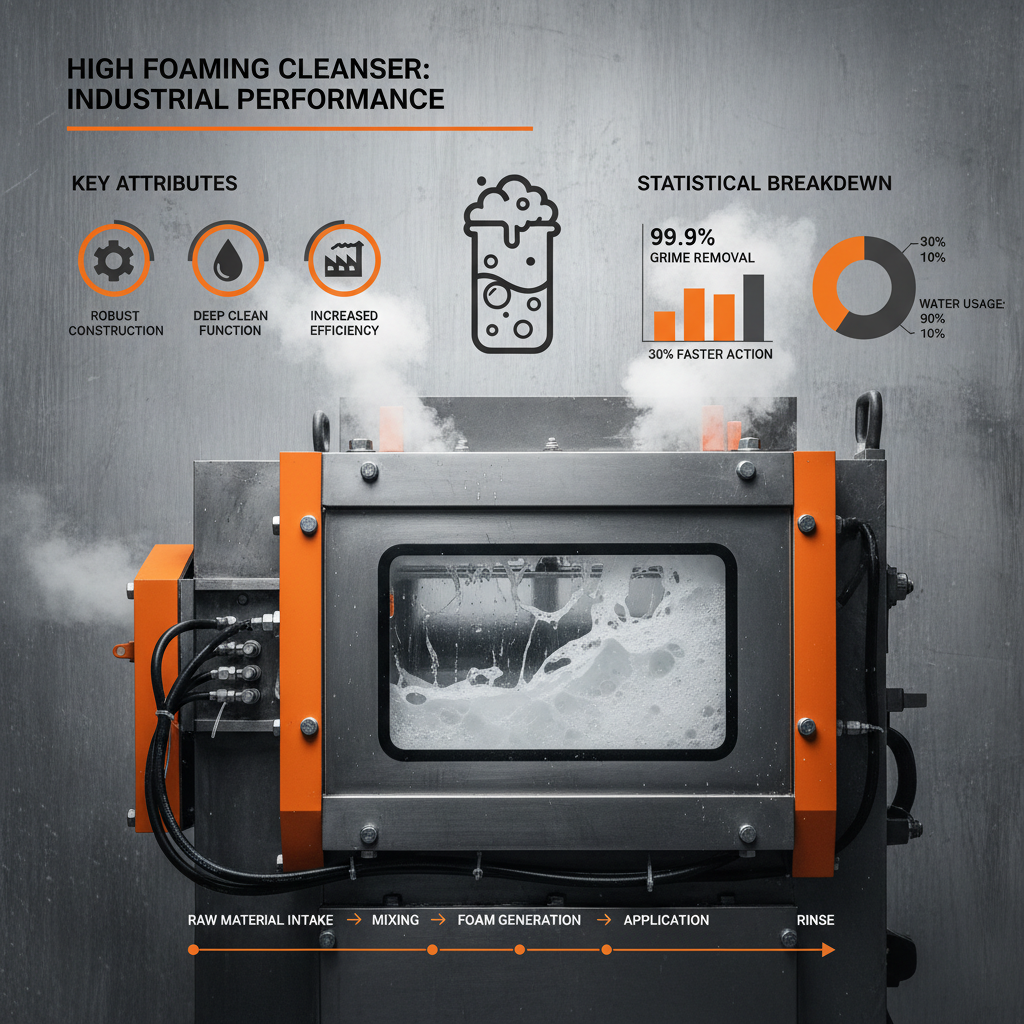
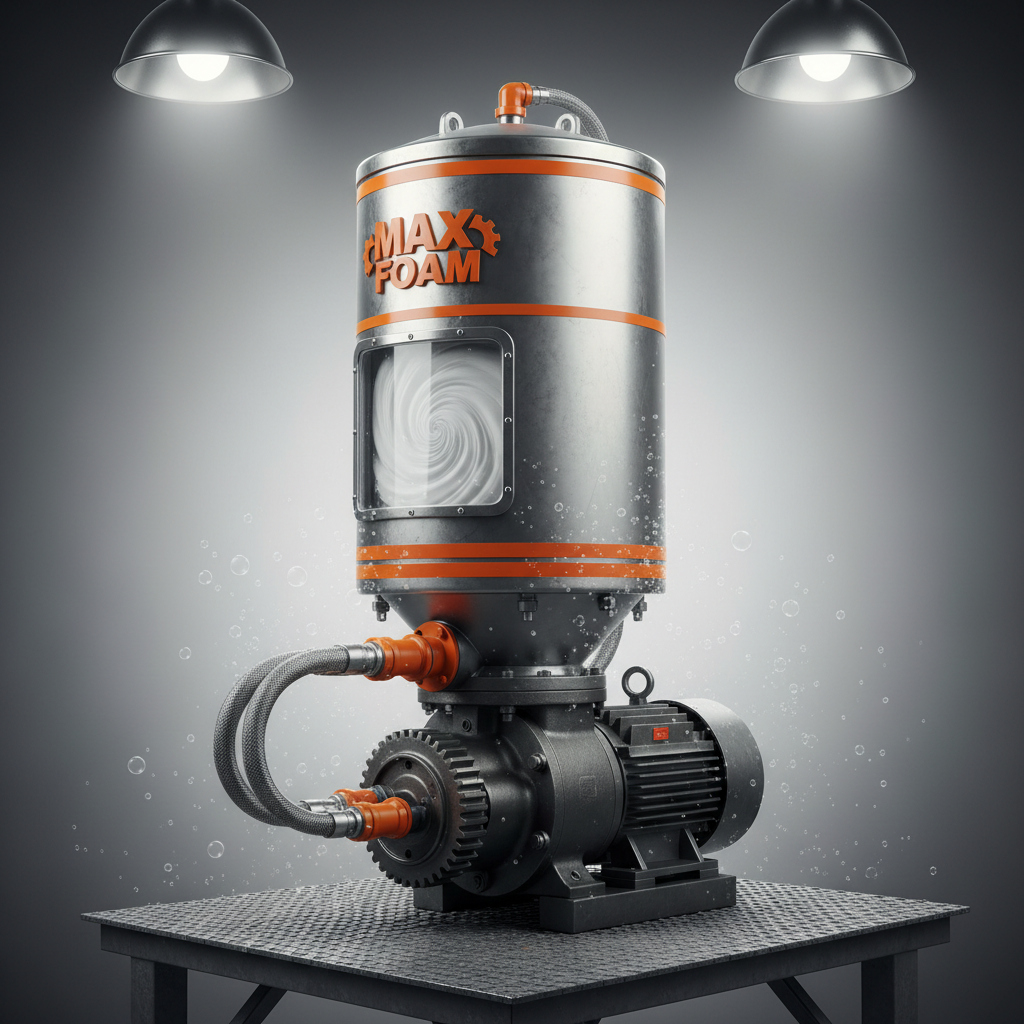
The defining characteristic of High Foaming Cleanser is its remarkable ability to generate a dense, stable foam. This high foam volume isn't merely cosmetic; it significantly enhances the cleaning process by increasing surface contact and allowing for prolonged dwell time, leading to improved soil penetration and removal. This is especially critical in applications where surfaces are vertical or difficult to reach.
Beyond foam volume, a key characteristic is its rapid wetting ability. High Foaming Cleanser quickly spreads across surfaces, displacing air and water to ensure thorough contact with contaminants. This, combined with its excellent emulsification properties, allows it to effectively lift and suspend dirt, grease, and other residues for easy rinsing.
The Global Impact of High Foaming Cleanser
The utilization of High Foaming Cleanser is substantial globally, driven by stringent hygiene regulations in industries like food processing, pharmaceuticals, and healthcare. According to a recent report by the World Health Organization, proper sanitation reduces the incidence of preventable diseases by up to 30%. High Foaming Cleanser plays a vital role in achieving this, particularly in developing nations where access to clean water and sanitation facilities is limited.
Across various regions, the demand for effective cleaning solutions continues to rise, evidenced by a 6.2% annual growth rate in the global cleaning products market (Source: Statista, 2023). High Foaming Cleanser, with its concentrated formula and efficient cleaning action, offers a cost-effective solution for large-scale applications, making it a preferred choice for commercial and industrial clients worldwide.
The ISO 22000 standard for food safety management systems mandates rigorous cleaning and sanitation protocols, directly benefiting from the implementation of High Foaming Cleanser. Its capability to effectively eliminate pathogens and residues contributes significantly to maintaining food safety standards and minimizing the risk of contamination across the food supply chain.
Defining High Foaming Cleanser and its Role
High Foaming Cleanser is a specialized cleaning agent formulated to generate a rich, voluminous foam. Unlike traditional liquid detergents, it’s designed to maximize surface contact and dwell time, enhancing its cleaning efficiency. The ‘high foaming’ characteristic is achieved through carefully selected surfactants and foam stabilizers, creating a stable bubble structure that clings to surfaces.
Its role extends beyond basic cleaning; High Foaming Cleanser facilitates effective sanitization, disinfection, and degreasing across a broad range of industries. From removing stubborn grease in industrial settings to disinfecting surfaces in healthcare facilities, its versatile formulation adapts to diverse cleaning needs. It is fundamentally a tool for improving hygiene and safety.
In the context of modern sanitation requirements, High Foaming Cleanser represents a move towards more targeted and effective cleaning methodologies. Its ability to reduce water consumption during rinsing, coupled with its concentrated formula, positions it as a sustainable cleaning solution aligned with environmentally conscious practices.
Key Components Influencing High Foaming Cleanser Performance
Several key factors dictate the effectiveness of High Foaming Cleanser. Firstly, the type and concentration of surfactants used directly impact foam volume and stability. Anionic, non-ionic, and amphoteric surfactants work in synergy to create a robust foam structure with excellent emulsification properties. Secondly, foam stabilizers, such as polymers and proteins, help maintain foam integrity over extended periods.
The pH level is another critical component. Optimizing pH ensures the surfactants function optimally, maximizing cleaning power and preventing damage to the surface being cleaned. A slightly alkaline pH generally enhances grease removal. Furthermore, the inclusion of chelating agents helps to neutralize hard water minerals, preventing scaling and improving cleaning efficiency.
High Foaming Cleanser Performance Factors
Global Applications and Usage Scenarios of High Foaming Cleanser
High Foaming Cleanser finds extensive application in the food and beverage industry, where it’s used for cleaning processing equipment, tanks, and floors, ensuring compliance with stringent hygiene standards. In post-disaster relief operations, its quick-dissolving and sanitizing properties are invaluable for establishing temporary sanitation facilities and preventing the spread of disease.
Within healthcare facilities, High Foaming Cleanser is employed for disinfecting surfaces, cleaning medical equipment, and maintaining overall cleanliness in operating rooms and patient care areas. In remote industrial zones, where water resources may be limited, its concentrated formula and efficient rinsing capabilities offer a sustainable cleaning solution.
Advantages and Long-Term Value of High Foaming Cleanser
The tangible benefits of utilizing High Foaming Cleanser are numerous. Cost savings stem from its concentrated formula, requiring less product per application and reducing overall cleaning expenses. Its biodegradability and low toxicity contribute to environmental sustainability, minimizing its ecological footprint. Furthermore, its ability to improve hygiene and sanitation enhances workplace safety and reduces the risk of illness.
Beyond the practical advantages, High Foaming Cleanser instills confidence and trust in businesses and organizations committed to maintaining high standards of cleanliness and safety. It’s a demonstration of proactive hygiene management, bolstering brand reputation and customer loyalty. This aligns with the growing consumer demand for businesses prioritizing health and well-being.
The long-term value lies in preventing costly contamination events, reducing healthcare expenditures associated with preventable illnesses, and fostering a culture of hygiene that promotes a healthier and more productive environment. It provides a reliable and consistent cleaning solution for a wide array of applications.
Future Trends and Innovations in High Foaming Cleanser Technology
The future of High Foaming Cleanser will likely see a continued focus on green chemistry and sustainable formulations. Research and development are actively exploring the use of bio-based surfactants and renewable resources to further minimize environmental impact. Digitalization will play an increasing role, with smart dispensing systems optimizing dosage and monitoring cleaning performance.
Automation is another emerging trend, with robotic cleaning systems integrating High Foaming Cleanser into automated sanitation protocols. This will enhance efficiency and consistency, particularly in large-scale industrial settings. Nanotechnology is also being investigated to enhance foam stability and cleaning power at the microscopic level.
Advanced sensor technologies are being developed to detect contaminants in real-time, allowing for targeted application of High Foaming Cleanser and optimizing cleaning effectiveness. The integration of these technologies will transform High Foaming Cleanser from a simple cleaning agent into a sophisticated hygiene management system.
Key Challenges and Solutions in Optimizing High Foaming Cleanser Application
| Application Scenario |
Challenge |
Solution |
Impact on High Foaming Cleanser Effectiveness |
| Food Processing Plants |
Residue Removal |
Optimized Rinsing Procedures |
Increased Sanitation Compliance |
| Healthcare Facilities |
Contact Time |
Extended Dwell Time Protocols |
Enhanced Disinfection |
| Industrial Cleaning |
Grease Buildup |
Pre-Soaking with High Foaming Cleanser |
Improved Grease Penetration |
| Water Scarcity Areas |
Water Consumption |
Low-Volume Dispensing Systems |
Reduced Water Usage |
| Vertical Surfaces |
Foam Runoff |
High-Viscosity Foam Formulations |
Improved Surface Coverage |
| Temperature Fluctuations |
Foam Stability |
Temperature-Stable Foam Stabilizers |
Consistent Foam Performance |
FAQS
High Foaming Cleanser is specifically engineered to create a dense, stable foam that clings to surfaces, maximizing contact time and cleaning efficacy. Regular detergents typically lack this foaming property and are designed for faster rinsing, often sacrificing thorough cleaning. The formulation of High Foaming Cleanser includes specialized surfactants and foam stabilizers that create a robust bubble structure, ideal for applications where extended dwell time is critical, such as vertical surfaces or hard-to-reach areas. Its concentrated nature also means less product is needed, offering a cost-effective solution.
While generally safe, it's always recommended to test High Foaming Cleanser on an inconspicuous area before full application, especially on delicate or sensitive surfaces. While formulated to be pH neutral or mildly alkaline, prolonged exposure to certain materials like aluminum or specific plastics could cause discoloration or damage. Consult the product’s safety data sheet (SDS) for detailed compatibility information and recommended dilution ratios. Proper dilution and rinsing are crucial for ensuring surface safety.
The ideal dilution ratio for High Foaming Cleanser varies depending on the application and the severity of the soiling. For general cleaning, a dilution of 1:10 (1 part cleanser to 10 parts water) is typically sufficient. For heavily soiled areas or sanitation purposes, a stronger concentration of 1:5 may be necessary. Always refer to the product label or SDS for specific instructions and safety guidelines. Using the correct dilution ensures optimal performance and prevents residue buildup.
Many High Foaming Cleanser formulations are designed with environmental sustainability in mind. Look for products that are biodegradable, phosphate-free, and utilize renewable resources in their ingredients. The concentrated nature of High Foaming Cleanser also reduces packaging waste and transportation emissions. However, always check the product's environmental certifications and disposal guidelines to ensure responsible usage and disposal practices.
Yes, High Foaming Cleanser is compatible with many automatic cleaning systems, including foamers and sprayers. However, it's crucial to ensure that the system is designed for use with concentrated cleaning agents and that the dilution ratio is properly calibrated. Check the system manufacturer's recommendations to verify compatibility and prevent damage or malfunctions. Regularly inspect the system for residue buildup and perform routine maintenance.
High Foaming Cleanser should be stored in a cool, dry, and well-ventilated area, away from direct sunlight and extreme temperatures. Keep the container tightly closed when not in use to prevent evaporation and contamination. Store it out of reach of children and pets. Refer to the product’s SDS for specific storage instructions and safety precautions. Proper storage ensures the product's stability and effectiveness over time.
Conclusion
In conclusion, High Foaming Cleanser represents a significant leap forward in cleaning technology, offering a powerful, versatile, and increasingly sustainable solution across diverse industries. Its ability to generate a dense, stable foam enhances cleaning efficiency, reduces water consumption, and improves overall hygiene standards. Understanding its key components, applications, and future trends is crucial for maximizing its benefits and addressing evolving cleaning challenges.
Looking ahead, continued innovation in green chemistry, automation, and sensor technologies will further enhance the capabilities of High Foaming Cleanser. By embracing these advancements and prioritizing responsible usage practices, we can unlock its full potential to create a cleaner, safer, and more sustainable future. For more information and to explore our range of High Foaming Cleanser products, visit our website: www.zjsles.com