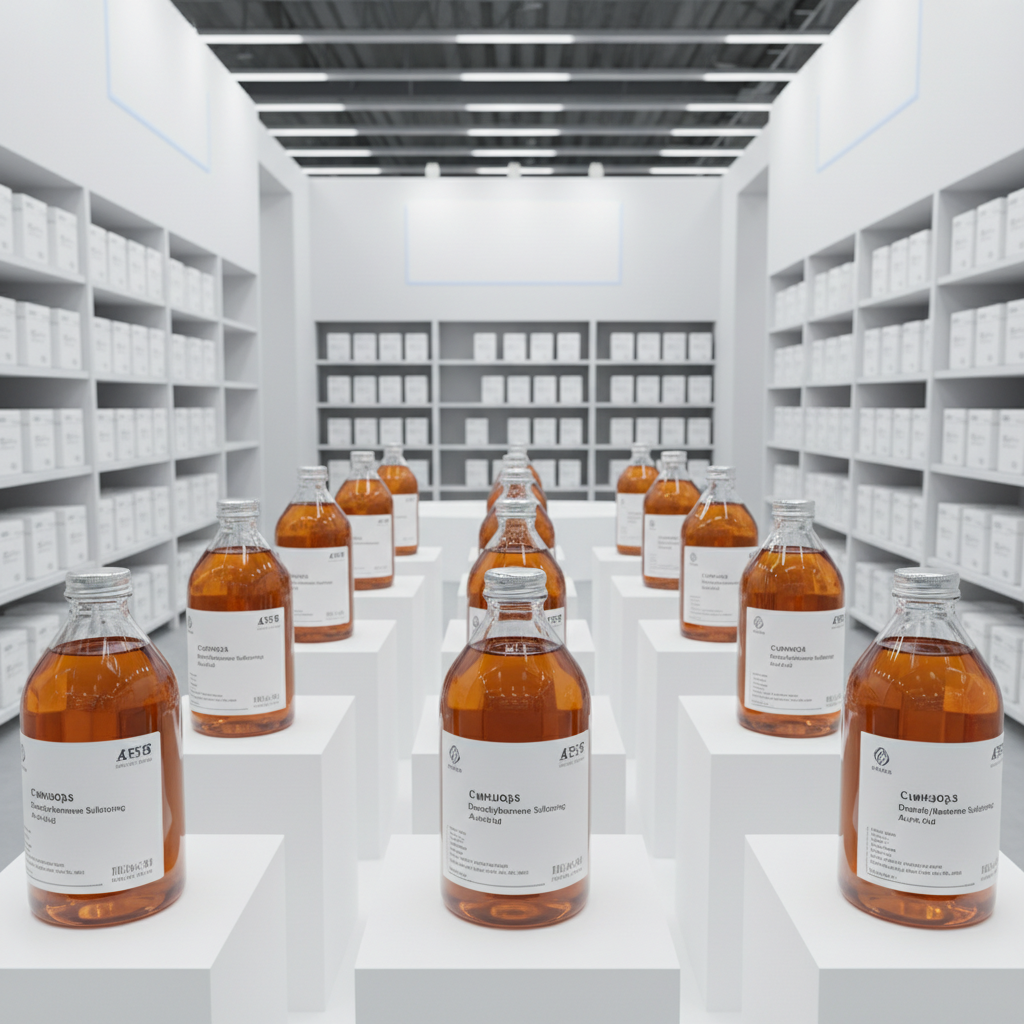
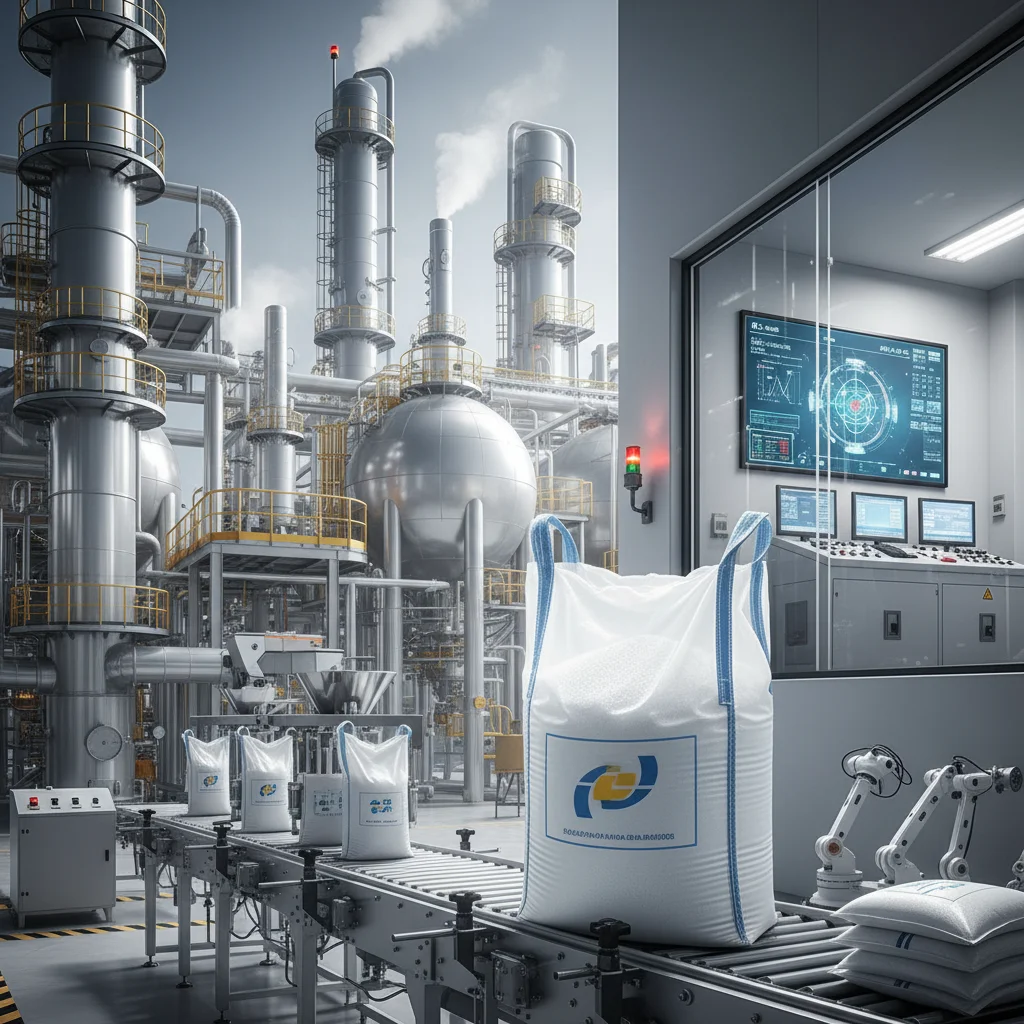
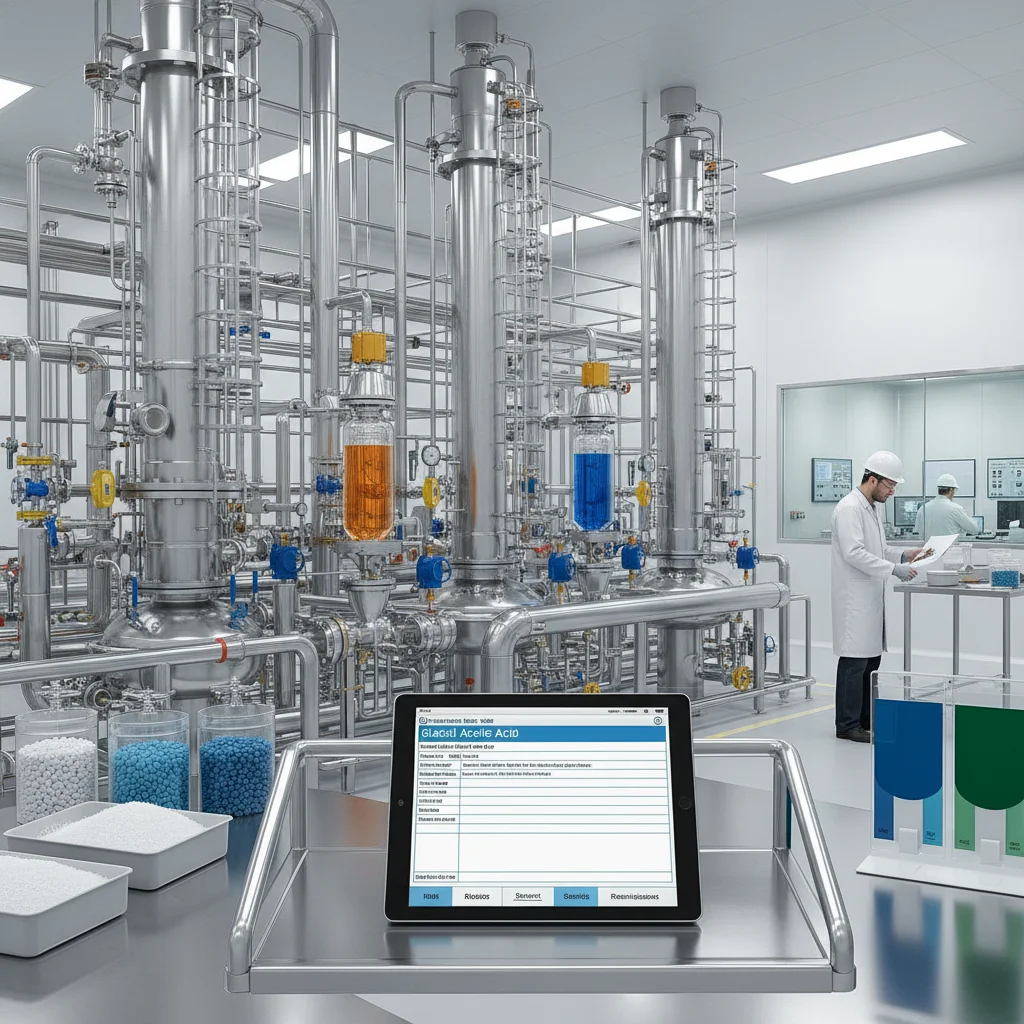
Dodecylbenzene Sulfonic Acid (DBSA) is a widely utilized anionic surfactant, a cornerstone in the manufacturing of detergents, emulsifiers, and wetting agents. Its global relevance stems from its cost-effectiveness and superior performance in a vast range of applications, impacting industries from household cleaning to oil recovery. Understanding DBSA is crucial not only for chemical engineers and formulators but also for anyone involved in supply chain management, environmental regulation, or consumer product development.
The demand for DBSA mirrors global economic trends and population growth, particularly in developing nations where increased hygiene awareness drives detergent consumption. According to industry reports, the global surfactant market, where DBSA holds a significant share, is projected to reach USD 37.9 billion by 2028, growing at a CAGR of 5.2% from 2021. This growth highlights the sustained need for effective and affordable cleaning solutions worldwide.
DBSA addresses critical challenges related to hygiene, sanitation, and industrial processes. From ensuring clean water access through effective laundry detergents to enhancing oil recovery efficiency, DBSA plays an integral role in supporting essential human needs and industrial advancements. Its ability to lower surface tension and create stable emulsions makes it an indispensable ingredient in countless formulations.
Introduction to Dodecylbenzene Sulfonic Acid
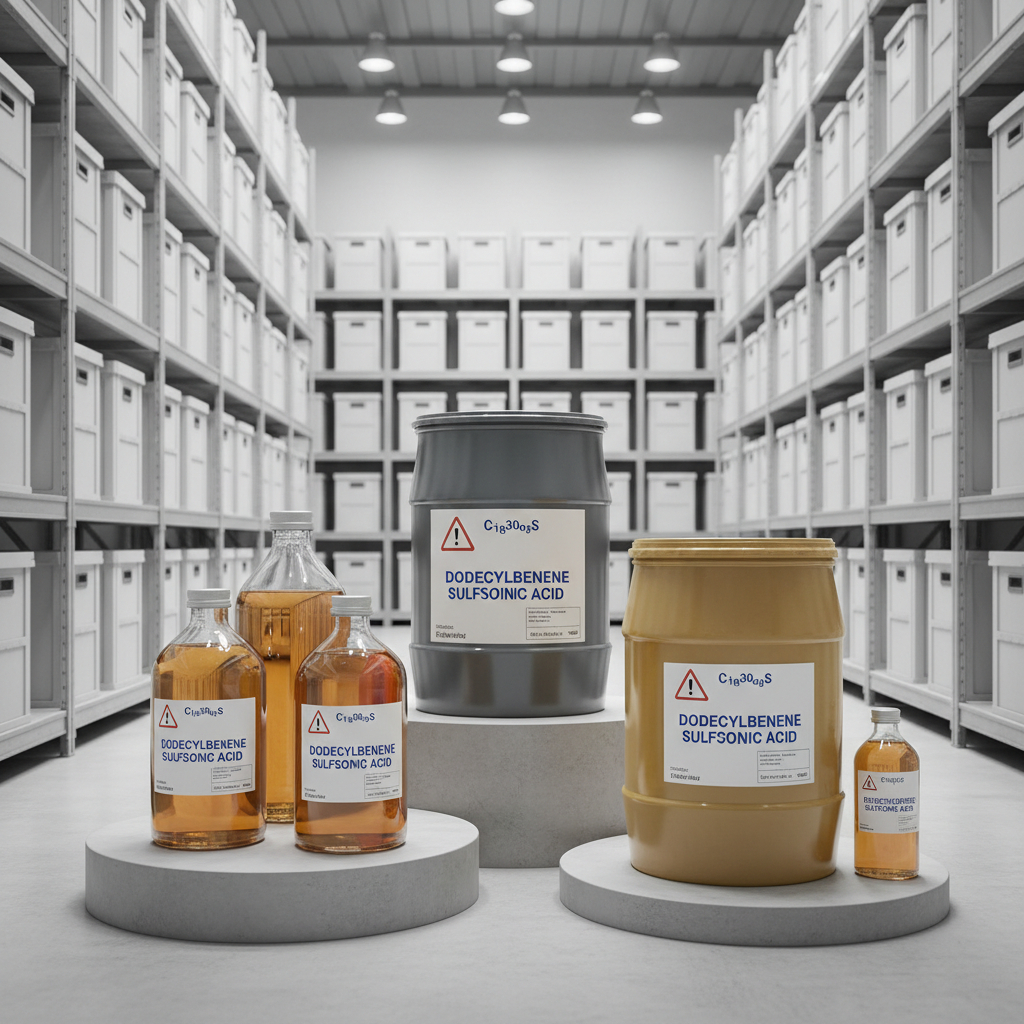
Dodecylbenzene Sulfonic Acid is a synthetic surfactant extensively employed in numerous cleaning and industrial processes. Its effectiveness in reducing surface tension and emulsifying oils makes it a vital component in detergents, offering superior cleaning power compared to traditional soap-based formulations.
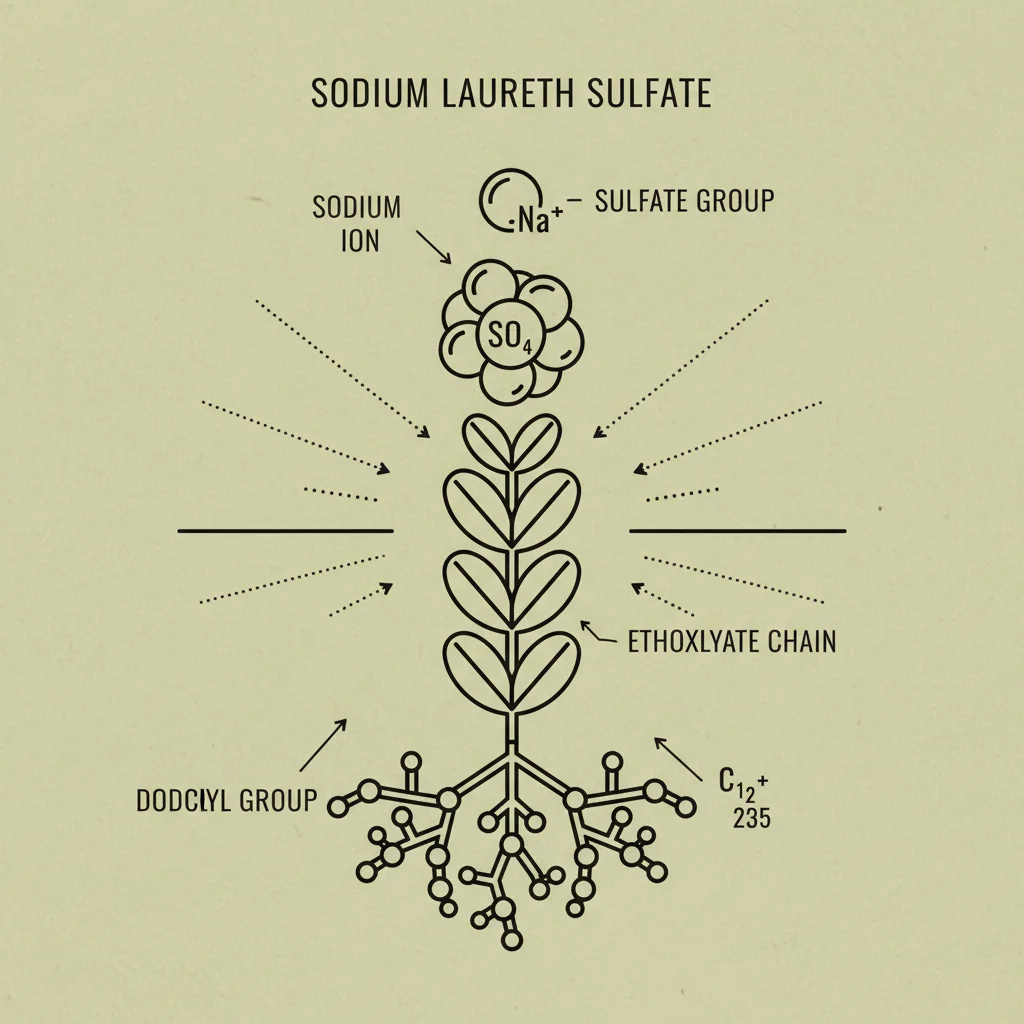
Beyond cleaning agents, DBSA finds applications in agricultural formulations, textile processing, and even oil recovery, showcasing its versatility. The chemical structure of DBSA, featuring a hydrophobic alkyl chain and a hydrophilic sulfonic acid group, is the key to its remarkable surfactant properties.
Defining Dodecylbenzene Sulfonic Acid
Dodecylbenzene Sulfonic Acid, often abbreviated as DBSA, is an organic compound belonging to the class of alkylbenzene sulfonates. It is produced by the sulfonation of dodecylbenzene, a mixture of isomers with a 12-carbon alkyl chain attached to a benzene ring. This process introduces a sulfonic acid group, rendering the molecule water-soluble and imparting its surfactant properties.
In essence, DBSA is a synthetic alternative to soaps derived from natural fats and oils. While soaps can form scum in hard water due to the precipitation of metal ions, DBSA remains effective, maintaining its cleaning power even in challenging water conditions. This characteristic has cemented its position as a primary surfactant in modern detergent formulations.
The widespread adoption of DBSA has significantly contributed to improved hygiene standards and public health globally, facilitating the development of effective and accessible cleaning products for both domestic and industrial use.
Core Properties of Dodecylbenzene Sulfonic Acid
Several key properties define the functionality of Dodecylbenzene Sulfonic Acid. Firstly, its exceptional surface activity dramatically reduces the surface tension of water, allowing it to spread and wet surfaces more effectively, enhancing the cleaning process.
Secondly, DBSA exhibits excellent emulsifying properties, enabling the dispersion of oil and grease in water. This is crucial for removing oily stains from fabrics and surfaces. Thirdly, its stability in both acidic and alkaline conditions makes it compatible with a wide range of detergent formulations.
Furthermore, DBSA is biodegradable under aerobic conditions, though the rate of biodegradation can vary depending on environmental factors. Its relatively low cost of production compared to other surfactants contributes to its widespread use in numerous applications, making it economically viable for large-scale production and consumption.
Applications and Global Use Cases of Dodecylbenzene Sulfonic Acid
The versatility of Dodecylbenzene Sulfonic Acid manifests in its diverse application spectrum. Predominantly, it serves as a key ingredient in household detergents, including laundry powders, liquid detergents, and dishwashing liquids, providing exceptional cleaning performance.
Beyond household cleaning, DBSA is critical in industrial cleaning, such as metal degreasing and industrial equipment cleaning. In the agricultural sector, it functions as an emulsifier in pesticide formulations, enhancing their effectiveness and dispersion. Furthermore, DBSA plays a vital role in Enhanced Oil Recovery (EOR) processes, reducing interfacial tension and improving oil mobilization.
Geographically, the demand for DBSA is concentrated in regions with substantial manufacturing and consumer markets. Asia-Pacific, particularly China and India, represents the largest consumer base, driven by population growth and increasing disposable incomes. North America and Europe also constitute significant markets, prioritizing high-performance cleaning products and sustainable formulations.
Dodecylbenzene Sulfonic Acid Application Breakdown
Advantages and Long-Term Value of Dodecylbenzene Sulfonic Acid
The long-term value of Dodecylbenzene Sulfonic Acid lies in its cost-effectiveness, high performance, and widespread availability. Compared to alternative surfactants, DBSA offers a favorable balance between price and functionality, making it accessible to a broad range of manufacturers and consumers.
Its superior cleaning properties translate into reduced product usage, lowering overall costs and minimizing environmental impact. The chemical stability of DBSA ensures product integrity and longevity, enhancing consumer satisfaction and brand reputation. Furthermore, ongoing research focuses on improving the biodegradability of DBSA, addressing environmental concerns and promoting sustainability.
Future Trends and Innovations in Dodecylbenzene Sulfonic Acid
The future of Dodecylbenzene Sulfonic Acid is intertwined with the growing demand for sustainable and eco-friendly chemical solutions. Research efforts are focused on developing more biodegradable DBSA formulations, reducing its persistence in the environment. Furthermore, exploring bio-based sources for dodecylbenzene, the precursor to DBSA, offers a pathway toward reducing reliance on fossil fuels.
Innovations in formulation technology are aimed at enhancing the performance of DBSA in low-temperature washing conditions, reducing energy consumption and minimizing environmental impact. Digitalization and automation in the manufacturing process will further optimize production efficiency and reduce costs, ensuring the continued competitiveness of Dodecylbenzene Sulfonic Acid.
Challenges and Solutions Regarding Dodecylbenzene Sulfonic Acid
Despite its benefits, Dodecylbenzene Sulfonic Acid faces challenges related to its biodegradability and potential environmental impact. While biodegradable under aerobic conditions, its degradation rate can be slow in anaerobic environments, leading to potential accumulation in sediments.
Solutions include optimizing wastewater treatment processes to enhance aerobic biodegradation and developing alternative DBSA formulations with improved biodegradability profiles. Investing in research on bio-based feedstocks for dodecylbenzene production offers a long-term solution for reducing the environmental footprint of DBSA. Furthermore, promoting responsible usage and proper disposal practices can minimize environmental contamination.
Addressing these challenges through collaborative efforts between industry, researchers, and regulators is crucial for ensuring the sustainable and responsible use of Dodecylbenzene Sulfonic Acid in the future.
Core Considerations Regarding Dodecylbenzene Sulfonic Acid
| Biodegradability Assessment |
Environmental Impact Score (1-10) |
Cost-Effectiveness Rating (1-10) |
Performance Efficiency Index |
| Standard DBSA Formulation |
6 |
9 |
85 |
| Linear Alkylbenzene Sulfonate (LABSA) |
7 |
8 |
80 |
| Bio-based DBSA Formulation |
8 |
7 |
75 |
| Low-Sulfate DBSA Formulation |
7 |
8 |
78 |
| Concentrated DBSA Formulation |
6 |
9 |
82 |
| Enzyme-Enhanced DBSA Formulation |
9 |
6 |
88 |
FAQS
Dodecylbenzene Sulfonic Acid is a key ingredient in laundry detergents, dishwashing liquids, and all-purpose cleaners due to its excellent surfactant properties. It effectively reduces water surface tension, allowing for better wetting and soil removal. It also emulsifies oils and grease, making it ideal for tackling stubborn stains. The concentration of DBSA varies depending on the product type and desired cleaning power.
While DBSA is biodegradable, the process can be slow, particularly under anaerobic conditions. However, modern formulations and wastewater treatment technologies are improving its biodegradation rate. Researchers are also exploring bio-based alternatives to dodecylbenzene, the precursor to DBSA, to further reduce its environmental impact. Responsible disposal and adherence to environmental regulations are crucial for minimizing any potential harm.
Dodecylbenzene Sulfonic Acid generally offers a favorable balance between cost and performance compared to many other surfactants. It’s typically more cost-effective than newer, specialized surfactants while providing excellent cleaning power. However, performance can vary depending on the specific formulation and application. Some niche surfactants may offer superior performance in specific scenarios but at a higher price point.
Dodecylbenzene Sulfonic Acid can be irritating to the skin and eyes. Direct contact should be avoided. When handling DBSA, it is recommended to wear appropriate personal protective equipment (PPE), including gloves, safety glasses, and protective clothing. In case of contact, flush the affected area with plenty of water and seek medical attention if irritation persists. Always refer to the Safety Data Sheet (SDS) for detailed safety information.
The future of DBSA is linked to sustainability and innovation. Expect continued research into improving its biodegradability and developing bio-based alternatives. Formulations optimized for low-temperature washing and reduced water consumption will also gain prominence. Digitalization and automation in manufacturing will further enhance efficiency and cost-effectiveness, ensuring DBSA remains a vital surfactant in the years to come.
High-quality Dodecylbenzene Sulfonic Acid is available from reputable chemical suppliers and manufacturers worldwide. Ensure the supplier adheres to stringent quality control standards and provides a Certificate of Analysis (COA) with each shipment. ZJSLES is a trusted provider, specializing in high-purity DBSA tailored to diverse industrial applications, offering consistent quality and reliable supply.
Conclusion
In conclusion, Dodecylbenzene Sulfonic Acid remains a critical surfactant in various industries, offering a compelling blend of cost-effectiveness, performance, and versatility. From household cleaning to industrial applications and even oil recovery, its impact on modern life is undeniable. Understanding its properties, applications, and evolving challenges is crucial for sustainable and responsible utilization.
Looking ahead, continued innovation in biodegradability, bio-based sourcing, and optimized formulations will further enhance the value and sustainability of Dodecylbenzene Sulfonic Acid. To explore high-quality DBSA solutions and stay informed about the latest advancements, visit our website at www.zjsles.com.