Sodium Zeolite A: A Comprehensive Guide to Properties and Applications
Sodium Zeolite A is a synthetic zeolite widely used across various industrial applications, from detergents to water purification. This article provides an in-depth look at its chemical properties, manufacturing processes, diverse applications, and benefits. We’ll explore why it’s a preferred choice for businesses seeking effective and sustainable solutions. Understanding the characteristics of Sodium Zeolite A is crucial for optimizing its performance in your specific process.

Understanding the Chemical and Physical Properties
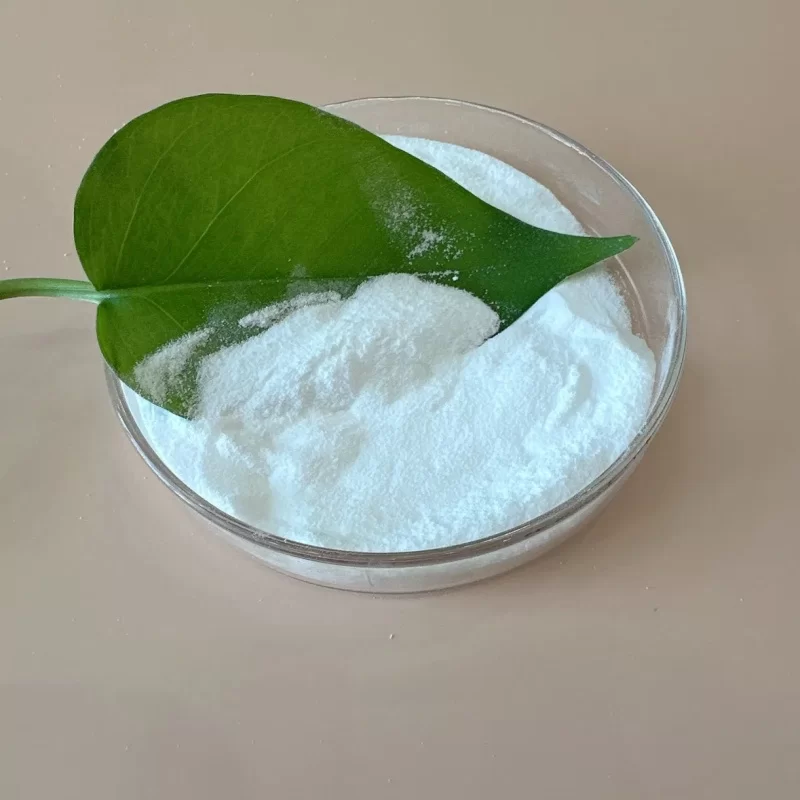
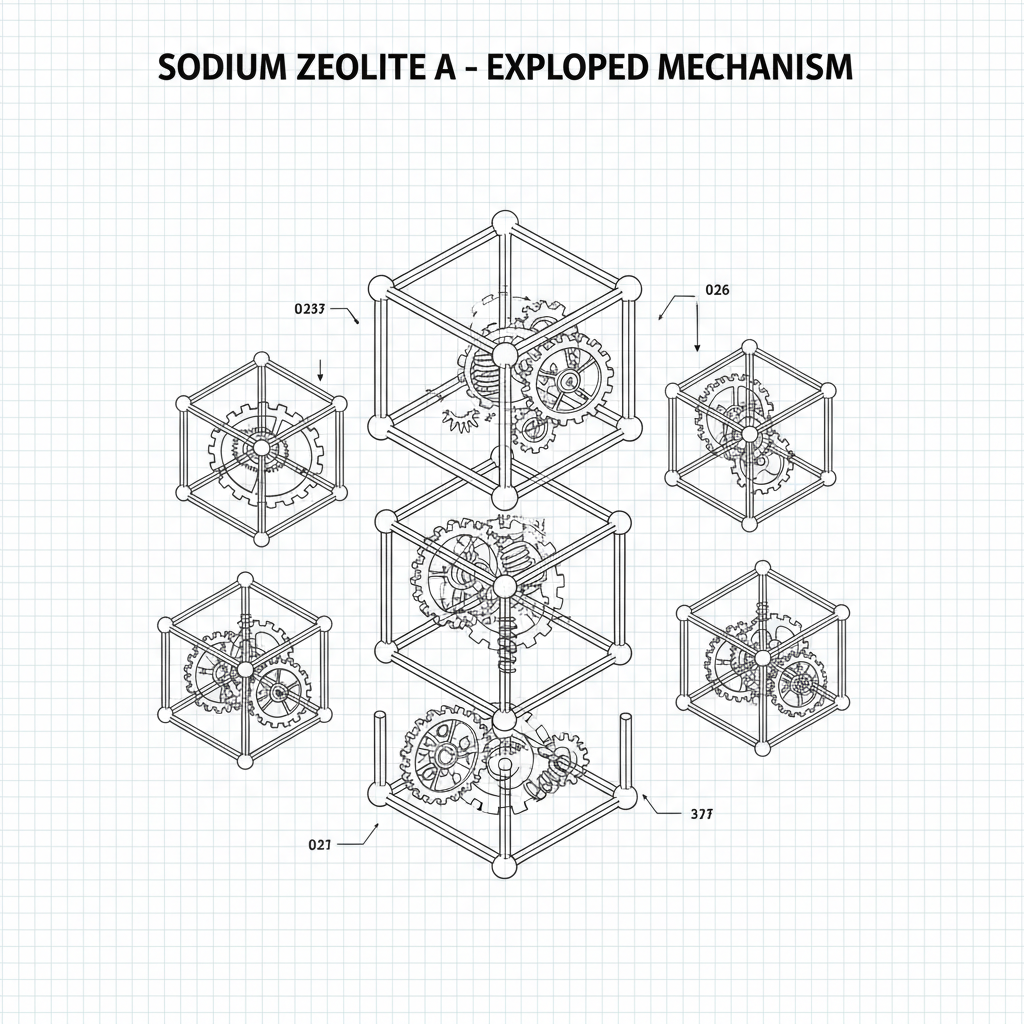
Sodium Zeolite A (NaA) boasts a unique aluminosilicate structure, resulting in a highly porous material with a consistent pore size. This precise pore structure is what makes it incredibly effective for selective adsorption and ion exchange. The chemical formula is generally represented as NaxAlxSiyO2x+y·nH2O, where ‘x’ and ‘y’ represent the molar ratios of aluminum and silicon, respectively, and ‘n’ denotes the number of water molecules. Its high surface area, excellent thermal stability, and chemical inertness further contribute to its versatility. It's available in various forms, including powder, beads, and extrudates, allowing for customization to suit specific application needs.
Key Highlights: High surface area, excellent thermal stability, chemical inertness, and consistent pore size contribute to its versatility and effectiveness.
Manufacturing Process of Sodium Zeolite A
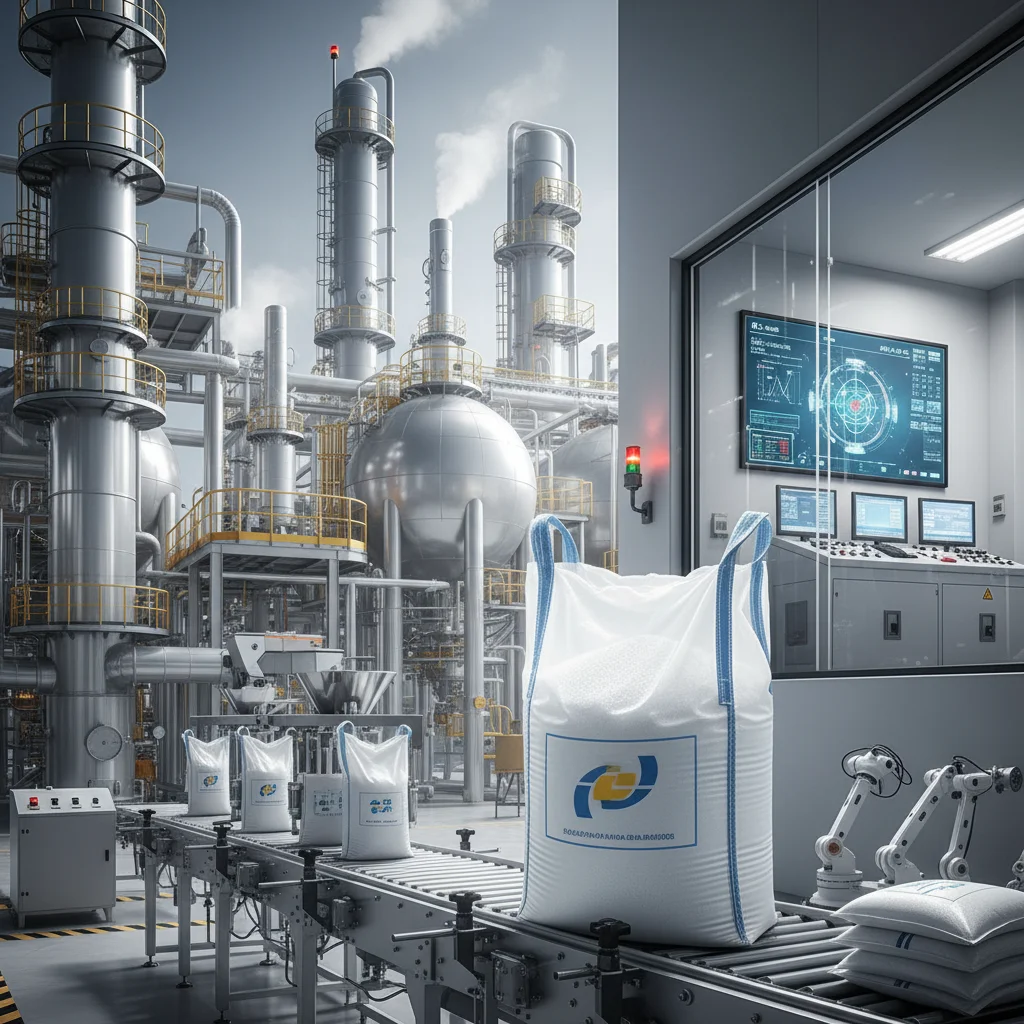
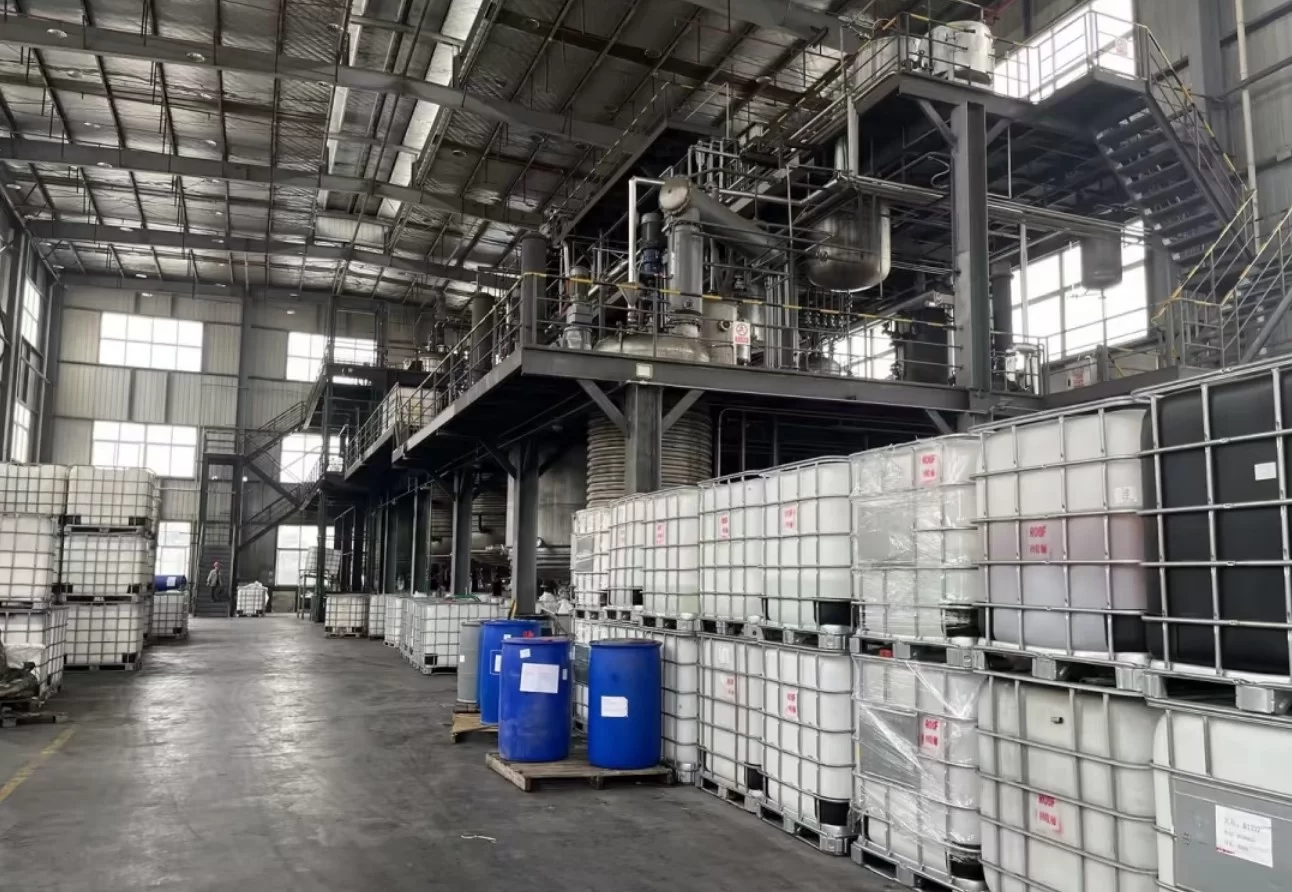
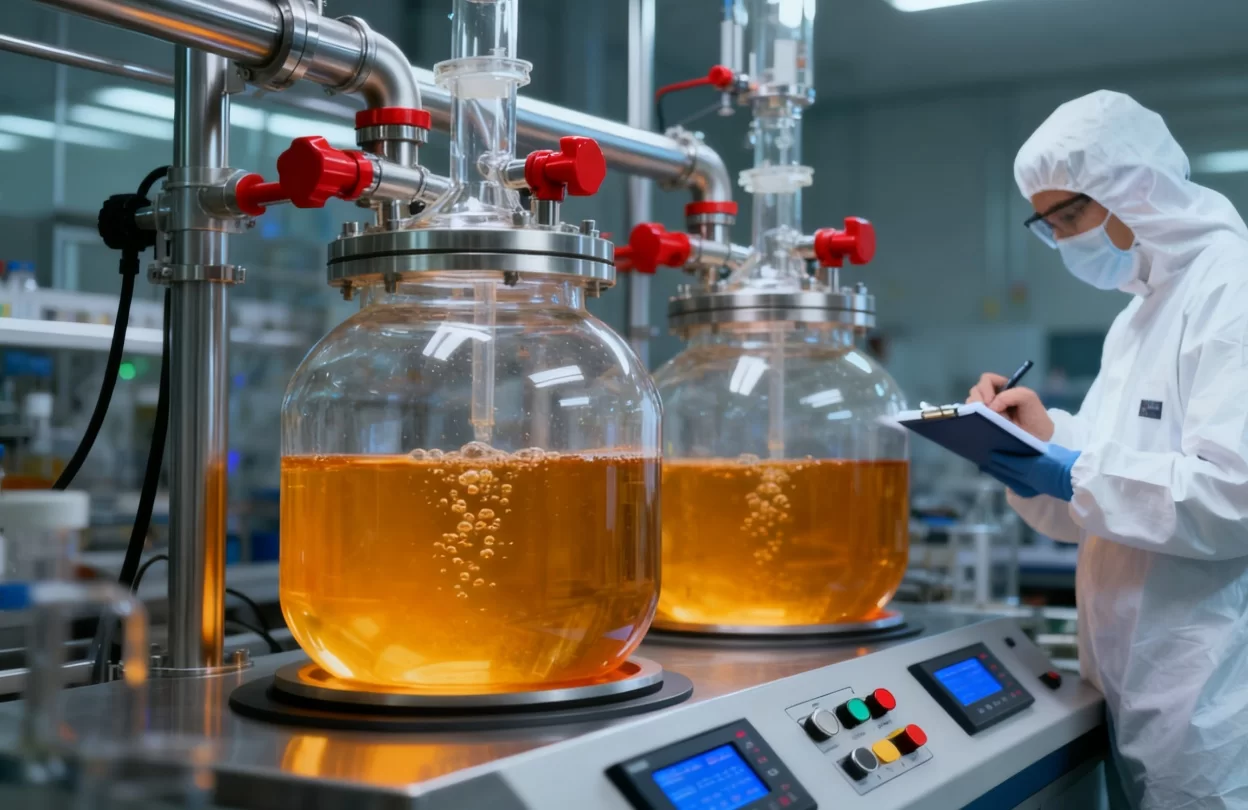
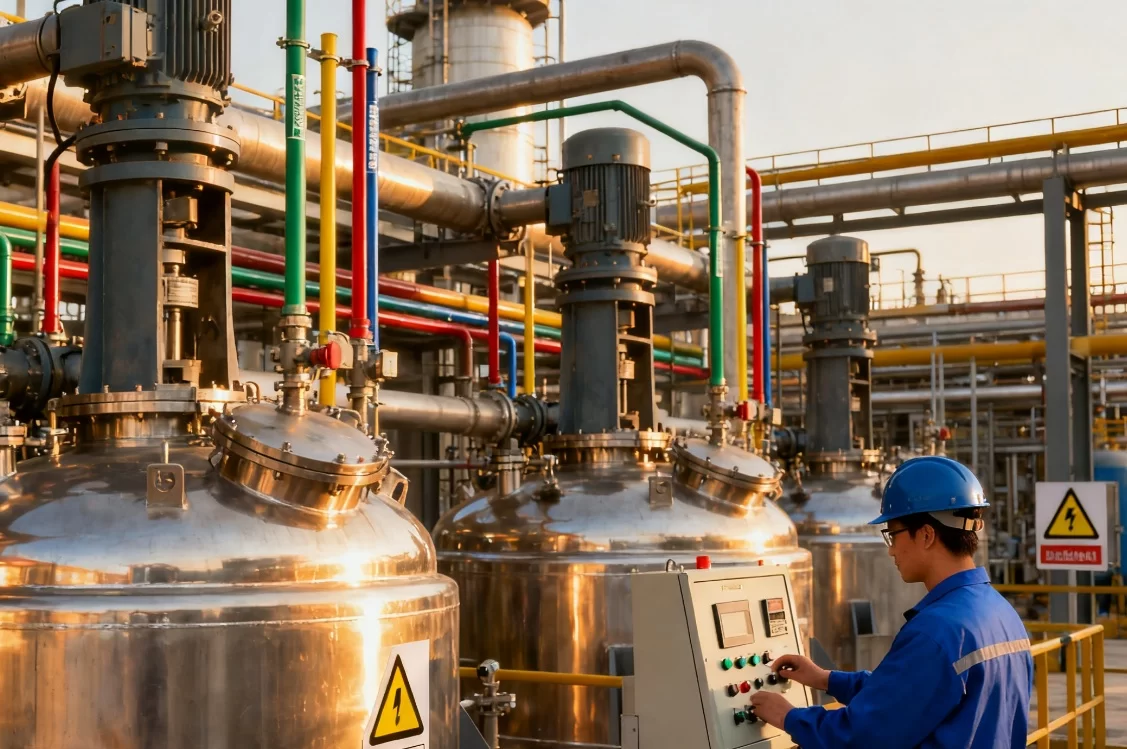
Sodium Zeolite A is primarily synthesized through a hydrothermal process. This involves reacting a source of silica (like sodium silicate), a source of alumina (like sodium aluminate), sodium hydroxide, and water under controlled temperature and pressure. The process is carefully monitored to control crystal size and structure. Following synthesis, the zeolite is typically washed, dried, and calcined to remove any residual impurities and water molecules, resulting in the final product. ZJSLES utilizes advanced manufacturing techniques to ensure consistent quality and purity.
Key Applications of Sodium Zeolite A
The applications of Sodium Zeolite A are remarkably diverse. It's a critical component in laundry detergents as a builder, enhancing cleaning performance by softening water and removing calcium ions. In water purification, it effectively removes ammonia, heavy metals, and other pollutants. The oil and gas industry utilizes it for gas dehydration and separation processes. Furthermore, it finds use in animal feed as a supplement, aiding in digestion and ammonia control. The broad range of applications underscores its importance across numerous sectors.
Application Areas:
• Laundry Detergents
• Water Purification
• Oil and Gas Industry
• Animal Feed
Sodium Zeolite A: Technical Specifications and Product Range
Different applications require different specifications for Sodium Zeolite A. Here’s a glimpse into our product range. The key properties to consider include effective pore size, cation exchange capacity, and particle size distribution. ZJSLES offers a variety of grades to meet your specific requirements.
Benefits of Choosing ZJSLES for Your Sodium Zeolite A Needs
Partnering with ZJSLES ensures consistent quality, competitive pricing, and reliable supply. We are committed to sustainable manufacturing practices and offer customized solutions to meet your specific requirements. Our experienced team provides technical support and guidance to optimize your processes and achieve maximum efficiency. Choose ZJSLES for a dependable supply of high-performance Sodium Zeolite A.
Conclusion: A Versatile Solution for Diverse Industries
Sodium Zeolite A is an incredibly versatile material with a wide range of applications. Its unique properties make it an invaluable component in detergents, water purification, and numerous other industrial processes. Choosing a reliable supplier like ZJSLES ensures you receive consistent quality and expert support. Leverage the power of Sodium Zeolite A to optimize your processes and achieve superior results.
Frequently Asked Questions (FAQs)
What are the environmental benefits of using Sodium Zeolite A?
Sodium Zeolite A is considered environmentally friendly for several reasons. It’s a non-toxic, naturally occurring mineral (though typically produced synthetically for consistent quality). It replaces phosphates in detergents, which contributed to eutrophication in waterways. By effectively removing pollutants like ammonia from wastewater, it helps protect aquatic ecosystems. Moreover, the manufacturing process is becoming increasingly sustainable with advancements in energy efficiency and waste reduction technologies. Choosing a supplier committed to responsible manufacturing, like ZJSLES, further enhances its environmental profile.
How does Sodium Zeolite A compare to other water softening agents?
Sodium Zeolite A offers several advantages over traditional water softening agents like polyphosphates. It's more effective at removing specific contaminants like ammonia and heavy metals. Unlike polyphosphates, it doesn’t contribute to eutrophication. While ion exchange resins are also used for water softening, Zeolite A often exhibits a higher selectivity for certain ions. Its cost-effectiveness and ease of handling also make it a preferred choice for many applications.
What is the shelf life of Sodium Zeolite A?
When stored properly in a cool, dry place, Sodium Zeolite A has a virtually unlimited shelf life. It's a chemically stable material that doesn’t degrade over time. However, it's crucial to protect it from moisture, as absorption of water can reduce its effectiveness. Packaging should remain sealed when not in use to prevent contamination and maintain its quality.
Can Sodium Zeolite A be regenerated after use?
Yes, Sodium Zeolite A can be regenerated, particularly when used in applications like water purification. Regeneration typically involves flushing the zeolite with a concentrated salt (sodium chloride) solution. This process replaces the adsorbed ions with sodium ions, restoring the zeolite's original capacity. The frequency of regeneration depends on the specific application and the level of contamination.