Understanding SDBS 60%: A Veteran’s Take on This Industrial Workhorse
After spending well over a decade navigating the twists and turns of the industrial equipment sector, I’ve come across plenty of materials that sound great on paper but don’t quite deliver in real life. When I first encountered SDBS 60%, the name popped up repeatedly in conversations about surfactants with solid performance at high concentrations. Frankly, it felt like one of those “should-be” products—promised a lot but, in my experience, you really need to dig into the specs and real-world use cases to separate hype from reality.
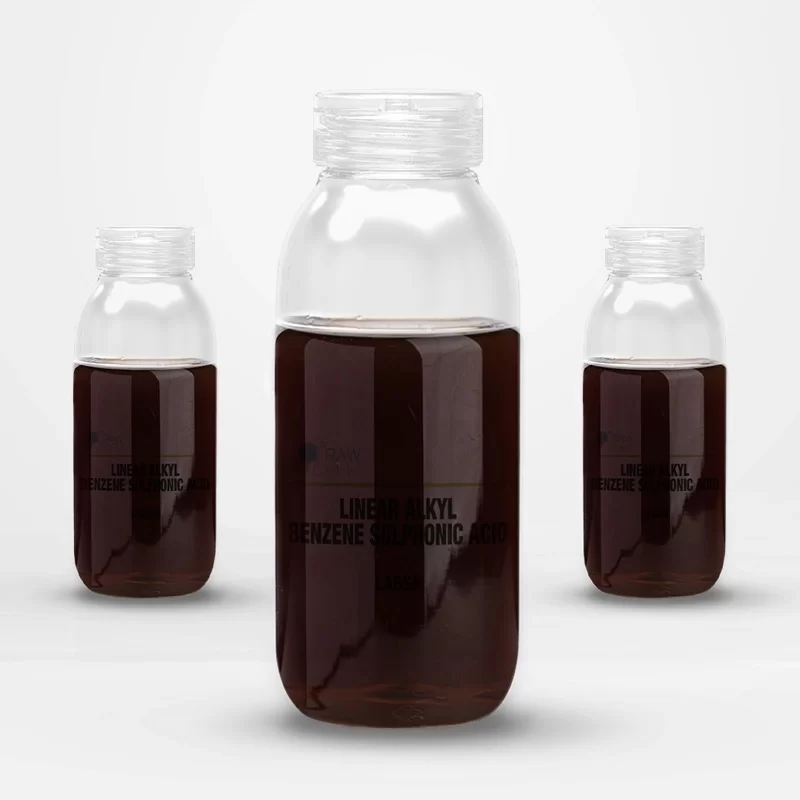
So, what is SDBS 60% anyway? Sticking with the basics, SDBS stands for sodium dodecyl benzene sulfonate, a surfactant commonly employed across detergents, emulsifiers, and even certain industrial cleaners. The "60%" denotes its active content level, which affects its strength and usability. This particular concentration strikes a nice balance between potency and manageability — it’s strong enough to get the job done, yet not too aggressive for most equipment or processes.
In industrial circles, the purity and concentration of SDBS matter more than you might think. I noticed early on that a 60% grade often hits the sweet spot for formulators crafting cleaners that are effective without being overly corrosive or environmentally unfriendly. Plus, the fluidity of a 60% solution is often more consistent than higher concentrations, making it easier to handle and meter precisely.
One thing I’ve learned over the years: rely on quality sources. SDBS comes in various grades from multiple vendors, and odd as it seems, some cheaper options can compromise your entire process due to impurities or unstable batches. I’ve seen it happen – weaker foaming, inconsistent viscosity, or even unexpected residues. When it comes to SDBS 60%, I’m a fan of suppliers who emphasize strict quality control and robust testing protocols.
| Property | Typical Value | Test Method |
|---|---|---|
| Active Matter Content | 60% ± 1% | GB/T 7552-2008 |
| Appearance | Light Yellow to Dark Brown Liquid | Visual Inspection |
| pH (1% aqueous solution) | 7.0 - 9.0 | GB/T 9723-2007 |
| Density (at 20°C) | 1.08 - 1.12 g/cm³ | ASTM D4052 |
| Foaming Ability | Good | Rosenfeld Method |
One practical note from my experience: handling SDBS requires some care with storage and mixing, especially at that 60% concentration level. Temperature fluctuations can impact viscosity — I remember a colleague once lamenting a batch that thickened unexpectedly after a cold snap delayed production. So yes, keep it stable, stir well, and monitor your systems.
Comparing Leading Vendors of SDBS 60%
| Vendor | Purity | Consistency | Pricing | Availability |
|---|---|---|---|---|
| ZJSLES | High (±1%) | Very Consistent | Competitive | Excellent |
| Vendor A | Medium (±3%) | Moderate | Low-Cost | Limited |
| Vendor B | High (±1.5%) | Good | Higher | Good |
I recall a project where a client needed a surfactant for a new floor cleaning solution that could be both tough on grease and gentle on surfaces. We opted for SDBS 60% sourced from ZJSLES and, not surprisingly, the formulation came together smoothly. The high consistency meant no surprises in the mixing room, and the results on the floor were excellent. Customer feedback? They said it "felt like the cleaner was cutting through years of grime with less elbow grease," which is always nice to hear.
In real terms, if you’re evaluating which SDBS 60% to go with, I’d consider your process environment, storage conditions, and supplier reliability. Oddly enough, sometimes paying a bit more upfront can save you time and headaches down the line — I’ve seen it firsthand.
To sum up, SDBS 60% remains a tried-and-true choice in industries that rely on surfactants, thanks largely to its versatility, balance of strength, and relative ease of handling. As with most chemical inputs, the devil’s in the details — quality, testing, and supplier expertise will make the difference more than anything else.
References:
1. GB/T 7552-2008 Standard for Surface Active Agents
2. ASTM D4052 Density Testing Method
3. Industry reports on surfactant performance