Understanding Foam Boosters: What They Are and Why They Matter
Foam boosters—those unsung additives in the foam industry—play a surprising role in everything from firefighting to construction, packaging, and even environmental solutions. Though the term might not ring a bell outside specialized circles, foam boosters are vital wherever foam stability, expansion, or texture matters. Globally, industries increasingly rely on these substances to optimize foam performance, reduce costs, and enable new applications.
Why does this matter beyond the lab? Because foam materials touch almost every aspect of modern life — from insulation in sustainable buildings to the firefighting foams that keep communities safe. Understanding foam boosters helps engineers, procurement specialists, and innovators harness foam more effectively, creating better, safer, and more sustainable solutions.
Introduction: The Global Context of Foam Booster Use
The global foam market is booming, expected to reach over $100 billion by 2027 (source: MarketsandMarkets), driven by sectors like automotive, construction, and packaging. Foam boosters enhance foam quality in these realms, directly impacting everything from energy efficiency to safety. However, growing regulatory scrutiny on chemicals used in foam formulations raises challenges, pushing companies to innovate in foam booster materials. The global push toward sustainability and performance means foam boosters are at a crossroads — fostering better products yet needing alignment with environmental regulations.
Consider this: fire incidents worldwide result in over 300,000 deaths annually (WHO data). Firefighting foams, fortified with carefully engineered foam boosters, can save countless lives by rapidly suppressing flames. Similarly, in remote industrial zones or post-disaster relief efforts, the demand for durable, fast-curing foam insulation speaks volumes about the strategic worldwide importance of foam boosters.
Mini takeaway: Foam boosters are quietly expanding their footprint globally by addressing industrial challenges tied to safety, efficiency, and sustainability.
Defining Foam Boosters: Simply Put
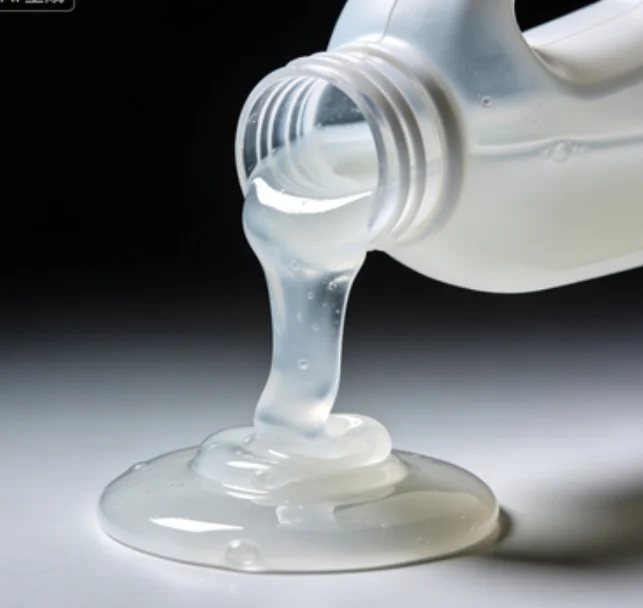
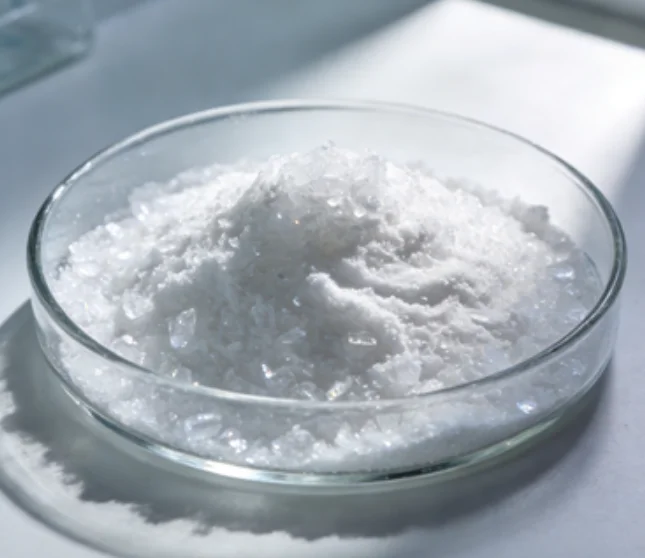
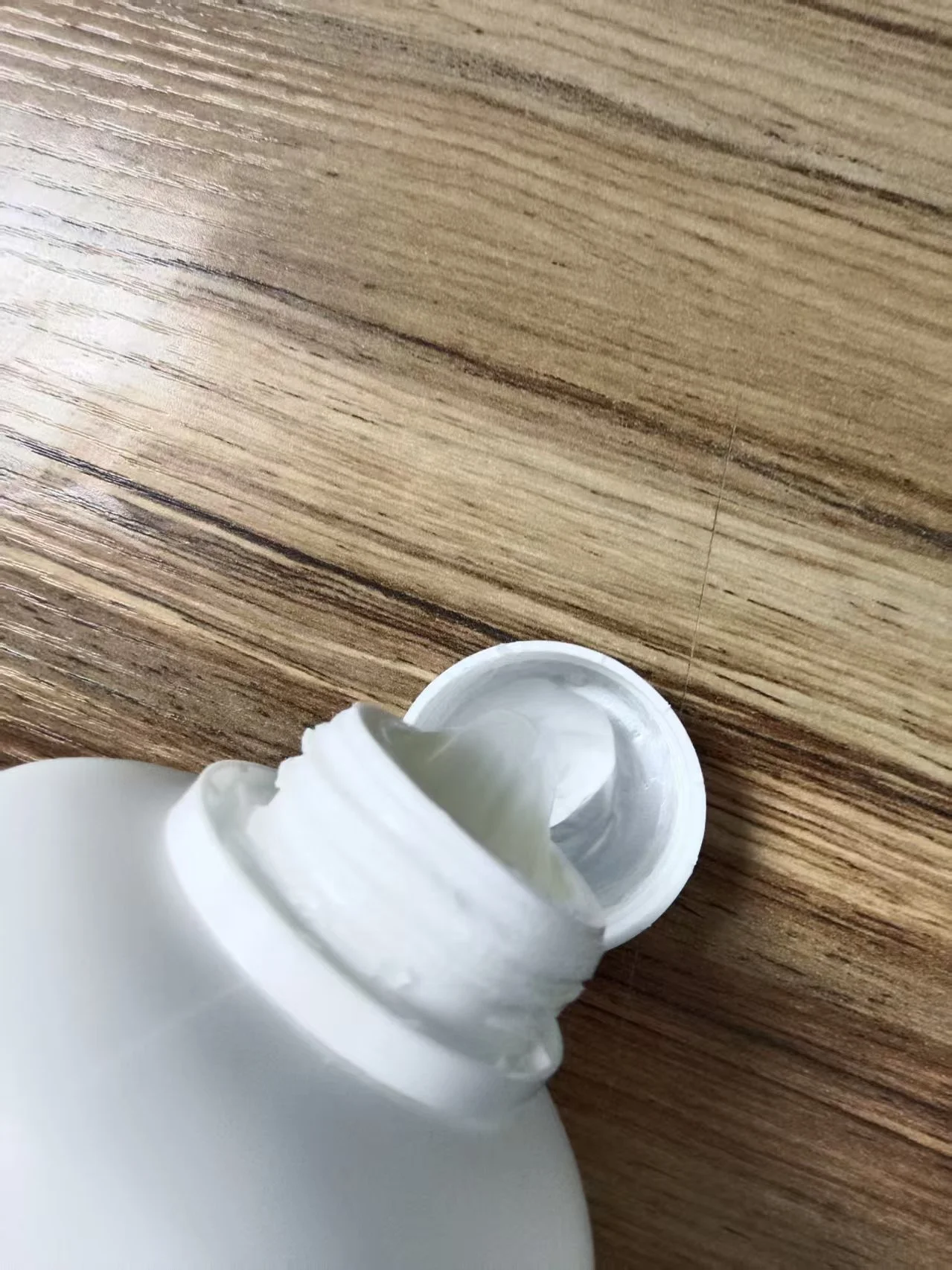
What exactly is a foam booster? In essence, a foam booster is an additive that enhances the properties of foam—making it more stable, voluminous, or resilient. Think of it as the “secret ingredient” that improves foam’s texture, lifespan, or expansion without compromising safety or environmental impact. They are polymers, surfactants, or other compounds that adjust foam performance for specific tasks. Without them, foam might collapse too quickly, lack the ideal density, or simply fail to deliver its intended function.
This connection to industry is strong: foam boosters enable everything from flexible polyurethane foam cushions to firefighting foam concentrates and more eco-friendly packaging foams. Also, in humanitarian contexts like rapid shelters or insulation in cold climates, foam boosters help ensure materials meet the demands of urgent deployment and durability.
Key Factors of Foam Boosters
Durability
Foam boosters help maintain foam structure over time, resisting breakdown due to temperature changes, mechanical stress, or exposure to elements. This durability is critical in construction and automotive applications, where foam must last decades.
Scalability
From small-batch experimental foams to mass-produced packaging materials, foam boosters allow formulations to scale without losing quality. This adaptability is essential for industries requiring both customization and volume.
Cost Efficiency
By enhancing foam stability, less raw material is wasted or replaced. This reduction in waste translates to lower costs across production and supply chains — a boon in competitive markets.
Environmental Compatibility
Newer foam boosters focus on non-toxic, biodegradable compounds to meet increasing global regulations and consumer demand for greener solutions. This trend aligns foam technology with international environmental goals.
Compatibility with Formulations
Not every foam booster works with every type of foam. The right booster must be chemically and physically compatible with the base foam materials, requiring careful testing and expertise.
Performance under Extreme Conditions
Certain applications require foams that perform under heat, cold, or moisture stress. Foam boosters tailored for these conditions enable foam usage in previously challenging environments.
Mini takeaway: Foam boosters serve multifaceted roles — enhancing durability, cost-effectiveness, and environmental safety, while enabling foam to meet diverse demands.
Global Applications & Practical Use Cases
- Construction Industry: Insulation foams boosted for longevity and thermal resistance help reduce energy consumption worldwide.
- Firefighting: Foam boosters optimize firefighting foams for rapid flame suppression and minimal environmental impact, deployed globally by emergency services.
- Packaging: Protective foams for shipping electronics or fragile goods often rely on foam boosters for cushioning effect and strength.
- Humanitarian Relief: Quick-deploy shelters use foam insulation enhanced by boosters to provide thermal comfort in disaster-hit regions.
- Automotive: Seat cushions, noise dampening foams, and vibration absorbers in vehicles benefit from foam booster improvements that deliver both comfort and safety.
Example: In the aftermath of recent Pacific typhoons, NGOs employed rapidly cured, foam-boosted insulation panels to rebuild homes quickly and cost-effectively, keeping displaced families warm during recovery.
Advantages & Long-Term Value
Foam boosters pave the way for cost savings on a large scale, reducing raw material waste and improving foam resilience. This beckons both an immediate practical benefit — less frequent replacements — and a longer-term environmental impact by limiting industrial waste.
Socially, better foam contributes to safety (like foam firefighting agents that save lives) and dignity (providing comfortable shelter and protective packaging). From a business standpoint, foam boosters foster innovation and trust with consumers who expect quality and sustainability.
Future Trends & Innovations in Foam Boosters
The trend is clear: sustainability and digital technology integration. Green foam boosters derived from renewable sources or engineered for biodegradability are gaining momentum. Meanwhile, AI-driven formulation optimization promises rapid discovery of new booster compounds tailored to increasingly strict regulations and performance criteria.
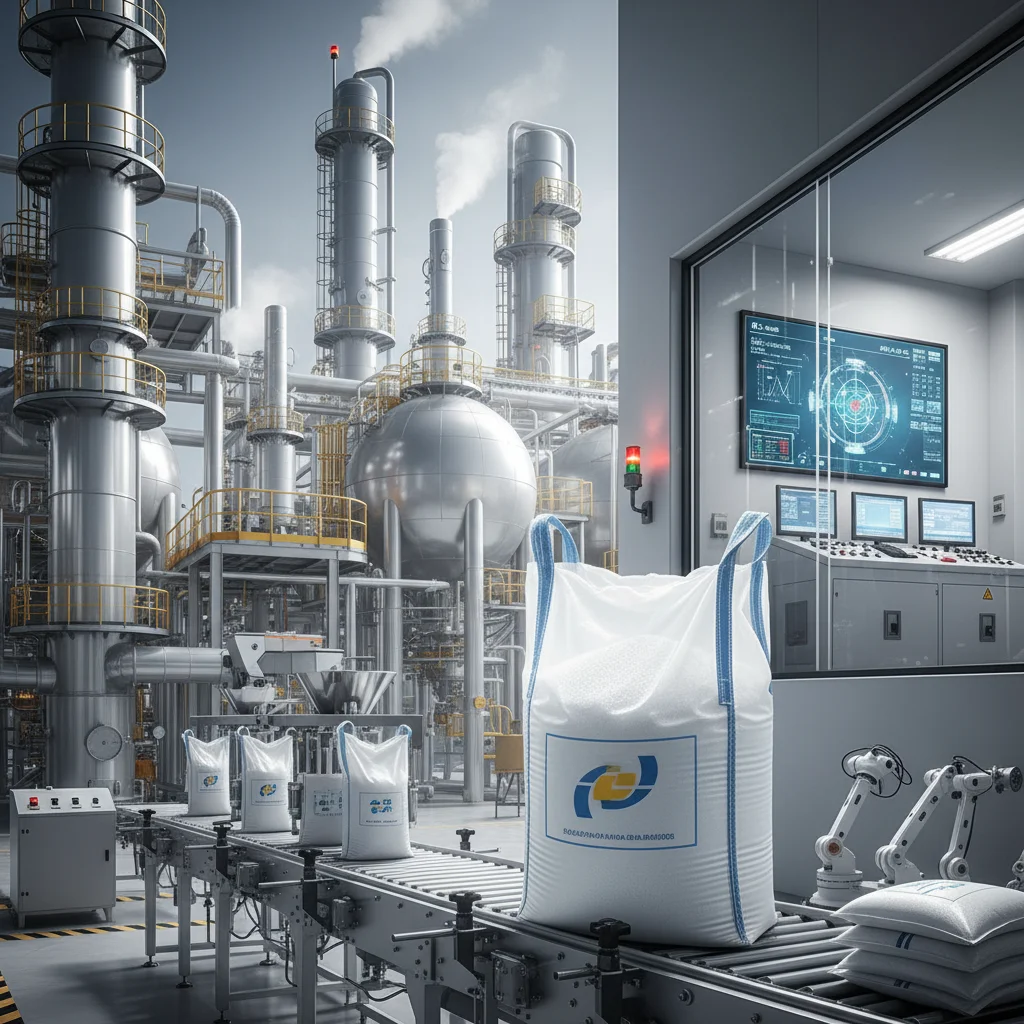
Automation in foam production lines, combined with smart monitoring, will enable precise dosing and mixing of foam boosters, ensuring uniformity and reducing costs.
Challenges & Expert Solutions
Challenges? Sure — regulatory changes restrict certain chemical boosters due to toxicity concerns. Also, foam booster compatibility with newer bio-based foams can be tricky, requiring iterative testing and formulation tweaks.
Experts suggest a few solutions: early-stage collaboration between chemists and manufacturers, use of digital simulation tools to predict booster-foam interactions, and investing in greener chemistry R&D to produce boosters without harmful residues.
FAQ: Frequently Asked Questions About Foam Booster
-
Q: How does a foam booster improve firefighting foam?
A: Foam boosters enhance foam stability and expansion, allowing firefighting foam to maintain its blanket over a fire longer, which improves suppression effectiveness and reduces re-ignition risk. -
Q: Can foam boosters be used with eco-friendly foams?
A: Yes, many modern foam boosters are designed for compatibility with bio-based foams, enhancing their durability and performance while maintaining environmental safety. -
Q: Are foam boosters expensive to implement?
A: While they add some cost upfront, foam boosters often reduce total costs by minimizing foam waste and improving lifespan, making them cost-effective in the long run. -
Q: Do foam boosters pose environmental risks?
A: Traditional boosters sometimes did, but current regulations drive development of safer, biodegradable additives to mitigate environmental impacts. -
Q: How do I select the right foam booster for my application?
A: It depends on foam type, desired properties, and environmental conditions. Consulting with manufacturers and testing small batches can ensure compatibility and performance.
Product Specification Table: Common Foam Boosters
| Booster Type | Chemical Class | Key Benefit | Typical Use |
|---|---|---|---|
| Polymeric Stabilizers | Synthetic Polymers | Enhance foam lifespan, prevent collapse | Packagings, insulation foams |
| Surfactant Boosters | Non-ionic/polionic surfactants | Improve foam expansion and texture | Firefighting foams, construction foams |
| Bio-based Additives | Plant-derived compounds | Offer biodegradability and reduced toxicity | Ecofoam products, packaging |
Vendor Comparison Table: Leading Foam Booster Suppliers
| Vendor | Product Range | Sustainability Focus | Global Reach | Typical Lead Time |
|---|---|---|---|---|
| ChemFoam Corp | Full spectrum polymeric & surfactant boosters | High, with green product lines | North America, Europe, Asia | 2-4 weeks |
| GreenFoam Solutions | Bio-based foam boosters only | Very High - certified organic | Europe, USA | 3-6 weeks |
| FoamMax Technologies | Specialized high-performance boosters | Moderate, R&D ongoing | Global | 1-3 weeks |
Interested in getting the best foam booster tailored to your needs? Check out foam booster options that fit your application—whether it’s fire safety, insulation, or packaging.
Conclusion
In wrapping this up, foam boosters might not grab front-page headlines, but their long-term impact is undeniable. They bring together safety, sustainability, and innovation in foams that touch lives globally—from protecting families in disaster zones to improving energy efficiency in modern buildings. It’s a small technological enhancement leading to big, tangible results. If you want to learn more or explore customized solutions, do visit our website for detailed info and expert guidance.
So, next time you use or come across foam products, remember there’s a foam booster quietly doing a lot of the heavy lifting behind the scenes.
Mini takeaway: Foam boosters are a small ingredient with huge effect—quietly boosting innovation and sustainability around the world.
References:
1. MarketsandMarkets. “Foam Market By Product & Application,” 2023.
2. World Health Organization. “Fire Safety and Health Statistics,” 2022.
3. ISO Standards on Foam Testing and Environmental Safety, ISO.org.