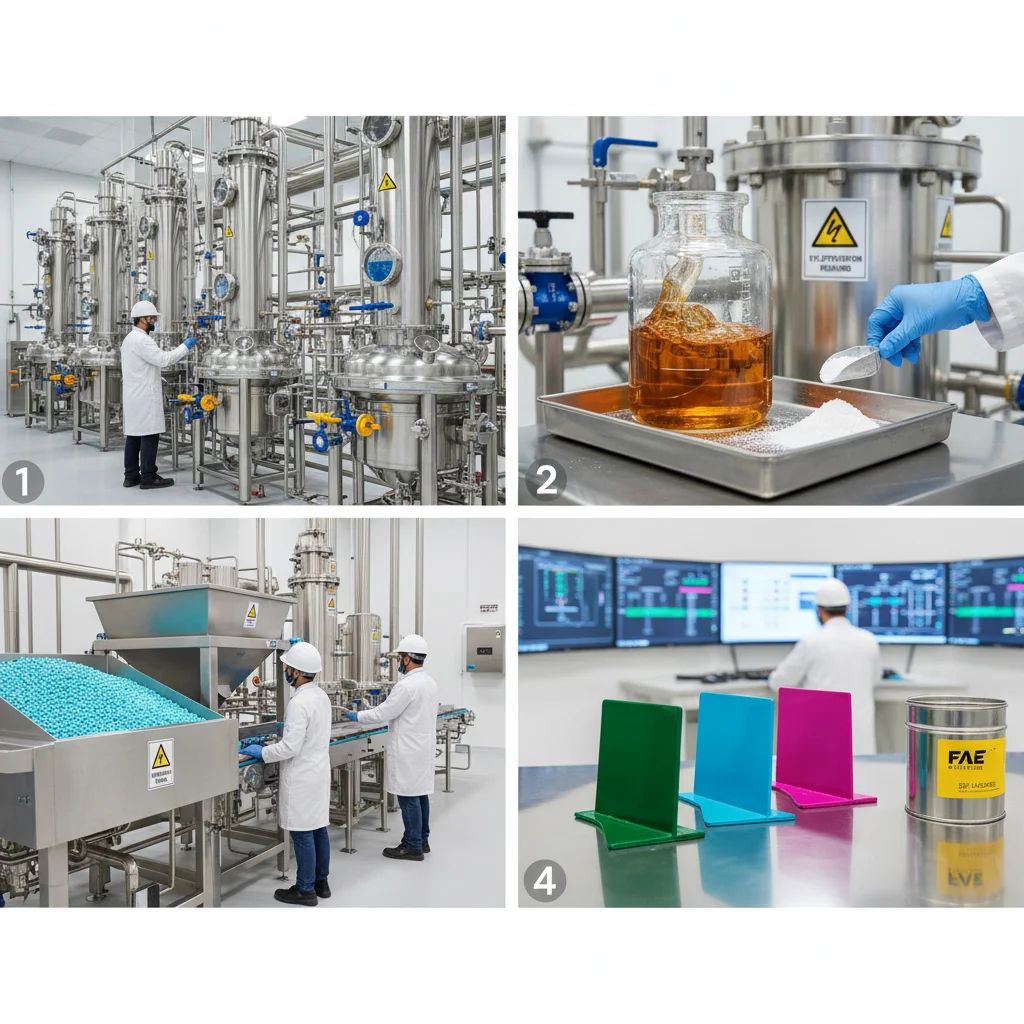
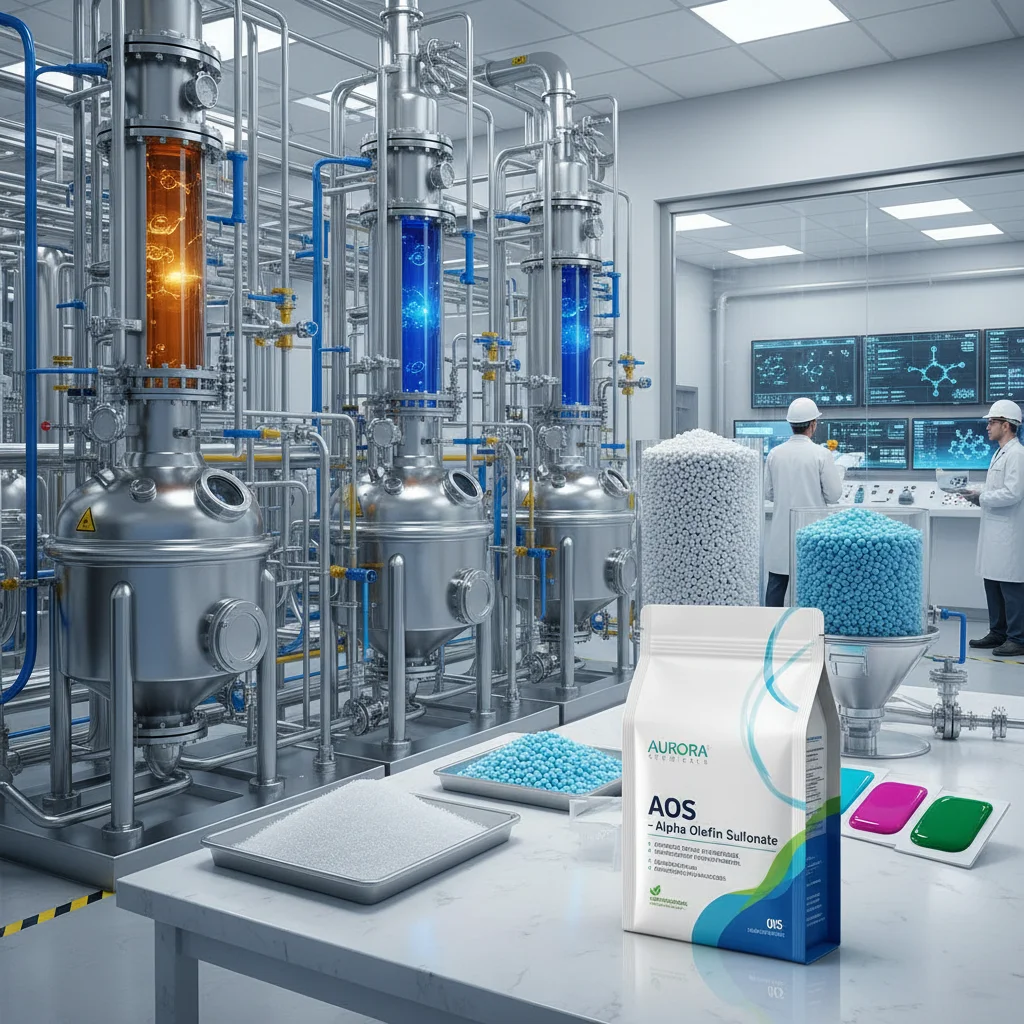
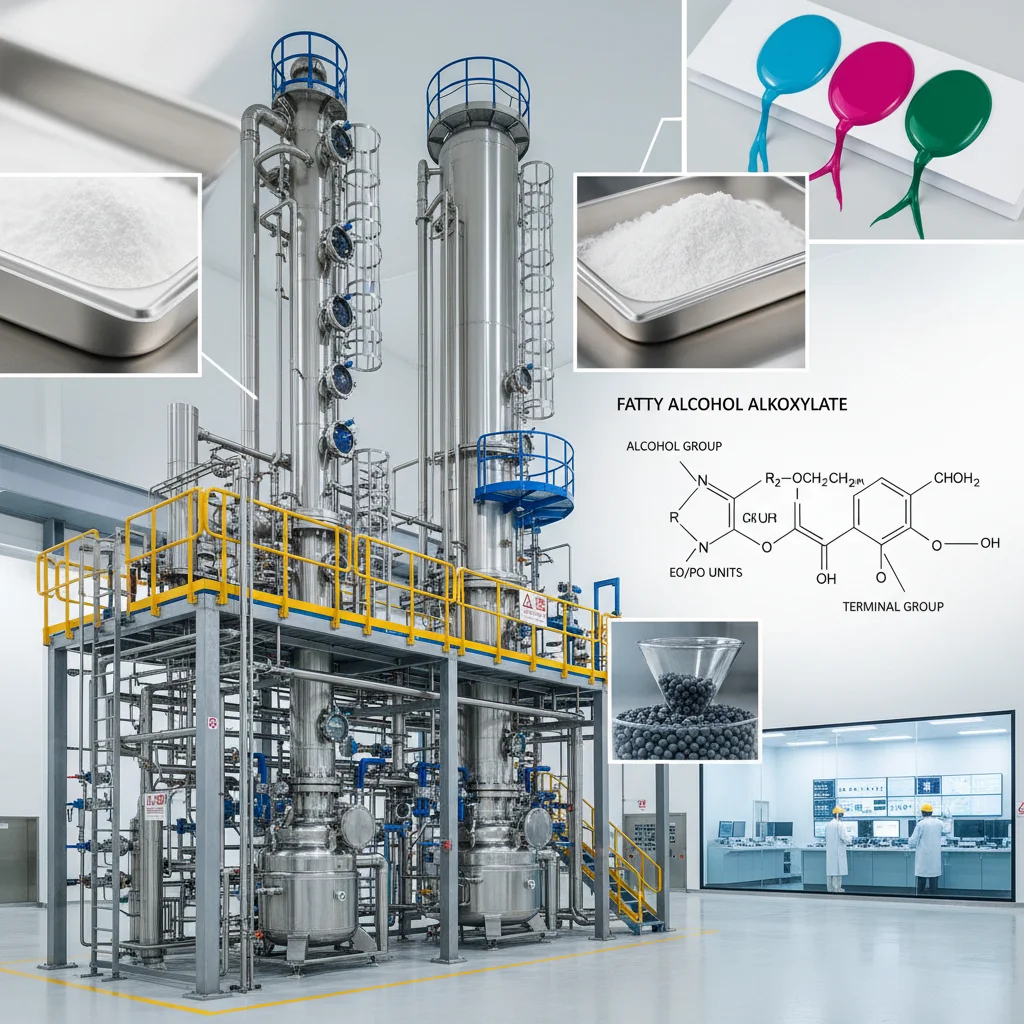
In the complex world of chemical formulation, achieving a balance between cleaning power and product longevity is a constant struggle. A Detergent Stabilizer serves as the critical chemical anchor that prevents phase separation, ensures the homogeneity of surfactants, and protects active ingredients from degrading under varying environmental conditions. Without these stabilizing agents, high-performance detergents would succumb to precipitation or viscosity loss, rendering them ineffective for the end-user.
Globally, the demand for sophisticated cleaning agents has surged, driven by the need for concentrated formulas and eco-friendly profiles. Modern industry relies on the precision of a Detergent Stabilizer to maintain the structural integrity of liquid soaps and industrial degreasers across extreme temperature gradients. This ensures that the product remains a consistent, easy-to-use liquid from the manufacturing plant to the consumer's home, regardless of the climate.
Understanding the role of stabilization is not merely a technical requirement but a commercial necessity. By integrating the right Detergent Stabilizer, manufacturers can reduce waste, extend shelf life, and enhance the overall user experience. This guide explores the technical nuances, global applications, and future innovations that define the current landscape of detergent stabilization technology.

Global Relevance of Detergent Stabilizer
The global chemical market has seen a paradigm shift toward "concentrated" formulations to reduce packaging and transportation costs. However, increasing the concentration of active surfactants often leads to instability, where the product separates into distinct layers or crystallizes. Here, the application of a high-grade Detergent Stabilizer becomes indispensable, acting as the bridge that maintains a stable emulsion even at high solids content.
Industry data suggests that product instability accounts for a significant percentage of returns in the FMCG (Fast-Moving Consumer Goods) sector. By adhering to ISO standards for chemical stability and shelf-life testing, manufacturers are increasingly turning to advanced hydrotropes and polymers. These stabilizers ensure that the product performance remains uniform, whether it is sold in the humid tropics of Southeast Asia or the freezing winters of Northern Europe.
Defining the Mechanism of Detergent Stabilizer
At its most basic level, a Detergent Stabilizer is a chemical additive designed to prevent the physical or chemical breakdown of a detergent formula. Most detergents are complex mixtures of water, surfactants, builders, and fragrances. Because these components have different polarities and solubilities, they naturally tend to separate over time—a process known as coalescence or sedimentation.
The stabilization mechanism typically involves the reduction of interfacial tension or the creation of a steric barrier around the surfactant micelles. By manipulating the electrostatic charges within the liquid, a stabilizer prevents the active cleaning agents from clumping together. This ensures that the "cleaning power" is evenly distributed throughout the bottle, providing the same efficacy from the first drop to the last.
In the context of modern humanitarian and industrial needs, such as rapid-deployment hygiene kits for disaster relief, stability is a matter of safety. Detergents used in medical sterilization or field sanitation must remain stable under erratic storage conditions. A robust stabilization system ensures that these critical cleaning agents do not lose their antimicrobial properties due to phase separation during transport.
Core Components of Effective Stabilization
One of the primary factors in stabilization is Viscosity Control. A Detergent Stabilizer often acts as a rheology modifier, ensuring the liquid is thick enough to prevent sediment from settling but fluid enough to be poured easily. This balance is achieved through the use of electrolytes or associative thickeners.
Hydrotropic Efficiency is another critical component. Hydrotropes are a specific class of Detergent Stabilizer that increase the solubility of organic compounds in water. By preventing the "cloud point" (the temperature at which a solution becomes turbid), hydrotropes ensure the product remains crystal clear across a wide temperature range.
Finally, Chemical Compatibility ensures that the stabilizer does not react negatively with other additives like perfumes or dyes. An effective Detergent Stabilizer must be inert regarding the primary cleaning action while remaining active in its structural role, preventing the degradation of delicate peptide-based surfactants or specialty fragrances.
Industrial Applications and Use Cases
The application of stabilization technology spans multiple sectors. In the automotive industry, heavy-duty degreasers require a Detergent Stabilizer that can withstand high alkalinity without breaking down. These products are often used in remote industrial zones where temperature fluctuations are extreme, making stability the difference between a functional product and a wasted batch.
In the household sector, the move toward "pod" and "capsule" detergents has revolutionized the use of stabilizers. Because the water content in pods is minimal, the Detergent Stabilizer must work in a non-aqueous or low-water environment to prevent the active ingredients from crystallizing, which would prevent the pod from dissolving quickly in the wash.
Performance Metrics of Detergent Stabilizer Types
Long-Term Value and Sustainability
Investing in a high-quality Detergent Stabilizer provides tangible economic advantages. By extending the shelf life of a product from 12 to 24 months, brands can optimize their supply chain and reduce the frequency of production cycles. This not only lowers operational costs but also reduces the carbon footprint associated with frequent manufacturing and shipping.
From a sustainability perspective, the shift toward biodegradable stabilizers is paramount. Modern chemistry is replacing petroleum-based hydrotropes with plant-derived alternatives. These green Detergent Stabilizer options offer the same level of reliability and safety while ensuring that the wastewater from cleaning processes does not harm aquatic ecosystems, aligning industry growth with environmental stewardship.
Future Trends in Stabilization Chemistry
The future of stabilization lies in "Smart Chemistry." We are seeing the emergence of stimuli-responsive Detergent Stabilizer agents that change their properties based on the water temperature or pH level of the wash. This allows a detergent to be highly stable in the bottle but "unlock" its full cleaning potential the moment it hits the water, maximizing efficiency.
Digital transformation is also playing a role. AI-driven formulation software can now predict the stability of a mixture before a single drop is blended in the lab. By simulating the interaction between surfactants and a Detergent Stabilizer, chemists can identify the exact concentration needed to prevent separation, drastically reducing the R&D cycle and material waste.
Furthermore, the integration of nano-emulsions is redefining the boundaries of stability. By reducing the droplet size of the active ingredients to the nanometer scale, the need for heavy chemical stabilizers is reduced, leading to "ultra-clear" formulations that are both high-performing and minimally invasive to the environment.
Common Challenges and Expert Solutions
One of the most common challenges is the "Salt-Out" effect, where the addition of electrolytes causes the surfactant to precipitate. To solve this, experts recommend a synergistic approach, combining a polymeric Detergent Stabilizer with a specific hydrotrope. This dual-action system provides both steric and electrostatic stabilization, ensuring the product remains clear even in hard water conditions.
Another hurdle is the conflict between viscosity and stability; often, making a product thicker makes it more prone to separation over time. The solution lies in the use of associative thickeners that create a 3D network within the liquid. This network traps the surfactant micelles in place, providing a "physical" Detergent Stabilizer effect that does not rely solely on chemical solubility.
Lastly, maintaining stability in "Natural" or "Organic" detergents is notoriously difficult due to the absence of synthetic polymers. The industry is overcoming this by utilizing modified cellulose and starch-based derivatives. These bio-polymers act as a natural Detergent Stabilizer, proving that high performance and eco-consciousness can coexist in a single formulation.
Comparison of Stabilization Strategies for Different Detergent Types
| Detergent Category |
Primary Stabilizer Type |
Stability Rating (1-10) |
Key Benefit |
| Liquid Laundry |
Sodium Xylene Sulfonate |
9 |
Crystal Clarity |
| Dishwashing Liquid |
Amphoteric Surfactants |
8 |
Viscosity Balance |
| Industrial Degreaser |
Polyacrylic Acid |
10 |
High Alkaline Stability |
| Eco-Friendly Soap |
Xanthan Gum/Cellulose |
7 |
Biodegradability |
| Concentrated Pods |
Glycerin/Polyols |
9 |
Anti-Crystallization |
| Medical Sanitizer |
Non-ionic Polymers |
10 |
Sterile Consistency |
FAQS
A Detergent Stabilizer is a chemical additive that prevents the separation of ingredients in a detergent formula. It is necessary because surfactants, water, and fragrances often have different densities and polarities, which can cause the product to split into layers or form crystals over time, reducing the product's efficacy and aesthetic appeal.
When chosen correctly, a stabilizer does not interfere with cleaning; in fact, it enhances it. By ensuring that the surfactants are evenly distributed throughout the liquid, it guarantees that the user gets a consistent dose of active cleaning agents in every use, preventing "weak" spots in the product.
Common signs of instability include "clouding" (turbidity) when the temperature drops, the appearance of oily layers on top, or sediment gathering at the bottom of the container. If these occur during accelerated aging tests, a more robust Detergent Stabilizer or a different combination of hydrotropes is required.
Yes, there is a growing trend toward bio-based stabilizers. Derivatives of cellulose, starch, and plant-based sugars are being used to replace synthetic petroleum-based polymers. These provide excellent stabilization while ensuring the product remains biodegradable and non-toxic to the environment.
Temperature is the biggest enemy of stability. Cold temperatures can cause "salting out" or crystallization, while high heat can break down emulsions. A high-quality stabilizer widens the "stability window," allowing the product to remain homogeneous from -10°C up to 50°C.
Absolutely. Too little stabilizer will result in phase separation, while too much can lead to excessive viscosity (making the product too thick) or potentially interfere with the foaming properties of the surfactants. Precision dosing is key to achieving the perfect balance of stability and performance.
Conclusion
In summary, the Detergent Stabilizer is the unsung hero of the cleaning industry, ensuring that complex chemical blends remain effective, visually appealing, and commercially viable. From controlling viscosity and solubility to enabling the creation of ultra-concentrated pods, stabilization technology directly impacts the quality and sustainability of modern detergents. By balancing technical performance with environmental responsibility, manufacturers can create products that satisfy both the consumer and the planet.
Looking forward, the integration of AI-driven formulation and bio-polymer chemistry will likely eliminate the trade-off between "green" and "stable." We encourage formulators to explore synergistic stabilization systems that prioritize long-term reliability and biodegradability. To discover more about high-performance additives and specialty chemicals, visit our website: www.zjsles.com.